Homeowners in Lafayettetend to develop a certain tolerance for small plumbing issues. A faucet drips for a few weeks. The kitchen sink drains a little slower than usual. Maybe the toilet jiggles occasionally after flushing. None of it feels urgent in the moment, which is exactly why plumbing problems often grow quietly in the background until they become expensive.
The difficult part is that plumbing systems rarely fail all at once. They usually send warnings first.
A strange sound behind the wall. Water pressure that suddenly changes. Damp spots that appear and disappear without explanation. Most homeowners notice these things long before serious damage happens, but it is easy to assume they are temporary or harmless.
Sometimes they are. Sometimes they are not.
The difference usually comes down to whether the issue keeps repeating. Patterns matter more than isolated annoyances when plumbing systems are involved.
1. Slow Drains Throughout the House
One slow drain is common, and most homeowners deal with that occasionally. Hair buildup, soap residue, and kitchen grease can all slow things down over time without pointing to a major issue right away. The concern usually starts when several drains throughout the house begin reacting together, which is often why homeowners eventually call a Lafayette plumber after temporary fixes stop working consistently.
A shower draining slowly while the kitchen sink bubbles or toilets flushing inconsistently can suggest the issue is happening deeper within the plumbing or sewer system itself. Companies like Plumbing Solutionsare part of the broader shift toward identifying plumbing problems earlier, particularly before recurring drainage issues turn into larger water damage or structural concerns around the home.
The important thing is usually the repetition of symptoms. A single clog can often be cleared fairly easily, but ongoing drainage problems affecting multiple fixtures may point toward buildup, root intrusion, pipe shifting, or developing sewer line damage beneath the property.
2. Water Stains or Damp Spots That Keep Returning
Water damage rarely stays hidden forever.
Sometimes homeowners notice small discoloration on ceilings or walls that appears after heavy rain or plumbing use. Other times, flooring begins warping slightly near bathrooms, kitchens, or laundry areas. The stain may even disappear temporarily before returning later.
That inconsistency is part of what makes leaks easy to ignore.
Small plumbing leaks can continue behind walls or under flooring for months before becoming obvious enough to force action. During that time, moisture may slowly affect insulation, drywall, framing, or subflooring without drawing much attention initially.
A few warning signs homeowners commonly overlook include:
Peeling paint near plumbing walls
Soft flooring around sinks or tubs
Musty smells that persist indoors
Bubbling drywall or ceiling stains
Slight mold growth near baseboards
Leaks do not always look dramatic right away. Slow moisture damage is often quieter and more expensive over time.
3. Sudden Drops in Water Pressure
People usually notice water pressure changes immediately, especially in showers.
One day the water feels normal. The next, faucets sputter slightly or the pressure weakens across parts of the house. While isolated fixture issues can happen occasionally, widespread pressure changes often point toward something larger happening within the plumbing system.
Corrosion, hidden leaks, pipe blockages, or even underground line damage can all affect pressure unexpectedly.
Older homes sometimes experience gradual pressure decline because pipes narrow internally over time due to mineral buildup or aging materials. In other situations, a sudden drop may indicate an active leak somewhere behind walls or beneath the property.
The frustrating part is that homeowners sometimes adapt to weaker pressure slowly without realizing the system itself is deteriorating.
Until a larger pipe failure finally makes the problem impossible to ignore.
4. Unusual Sounds Coming From Pipes or Fixtures
Plumbing systems are not completely silent, but strange noises usually exist for a reason.
Banging pipes. Gurgling drains. Whistling faucets. Vibrations behind walls after shutting water off. Those sounds may seem minor initially, especially if they happen inconsistently.
Still, plumbing noises often signal pressure problems, trapped air, loose fittings, or developing blockages within the system.
A few sounds homeowners should pay closer attention to include:
Repetitive pipe banging after faucet use
Gurgling drains near toilets or tubs
Hissing sounds behind walls
Vibrating pipes during appliance cycles
Bubbling noises while draining water
Not every plumbing sound signals a major emergency. Some issues are fairly minor repairs. But systems usually become noisy because something is interfering with normal water flow or pressure balance somewhere inside the home.
The earlier those problems get identified, the easier they tend to be to manage.
5. Higher Water Bills Without a Clear Explanation
This one often surprises people.
Water bills naturally fluctuate slightly month to month, but sudden increases without major lifestyle changes can point toward hidden leaks or inefficient plumbing issues developing somewhere in the house.
A leaking toilet alone can waste a surprising amount of water quietly over time. Underground leaks can become even harder to detect because homeowners may not see visible damage immediately.
Some clues that hidden water loss may be happening include:
Water meter movement when fixtures are off
Damp areas appearing outdoors unexpectedly
Running water sounds behind walls
Persistent mildew smells indoors
Bills increasing steadily without explanation
Leaks do not always create immediate flooding. Many simply waste water gradually while damaging surrounding materials slowly beneath the surface.
That slow progression is exactly why unnoticed plumbing problems become so expensive later on.
Conclusion
Most serious plumbing problems begin as smaller warning signs people hope will disappear on their own. A slow drain. A damp patch. A strange sound behind the wall. None of those issues necessarily look urgent in isolation, which is why homeowners often delay addressing them longer than they probably should.
The real issue is usually repetition. Plumbing systems tend to signal developing problems gradually before larger damage appears. When symptoms keep returning or start affecting multiple areas of the home, the situation usually deserves more attention than a temporary fix.
Ignoring plumbing problems rarely makes them cheaper. More often, it simply gives water, pressure, or drainage issues more time to spread quietly behind walls, beneath flooring, or underground where repairs eventually become more disruptive and expensive than they needed to be.


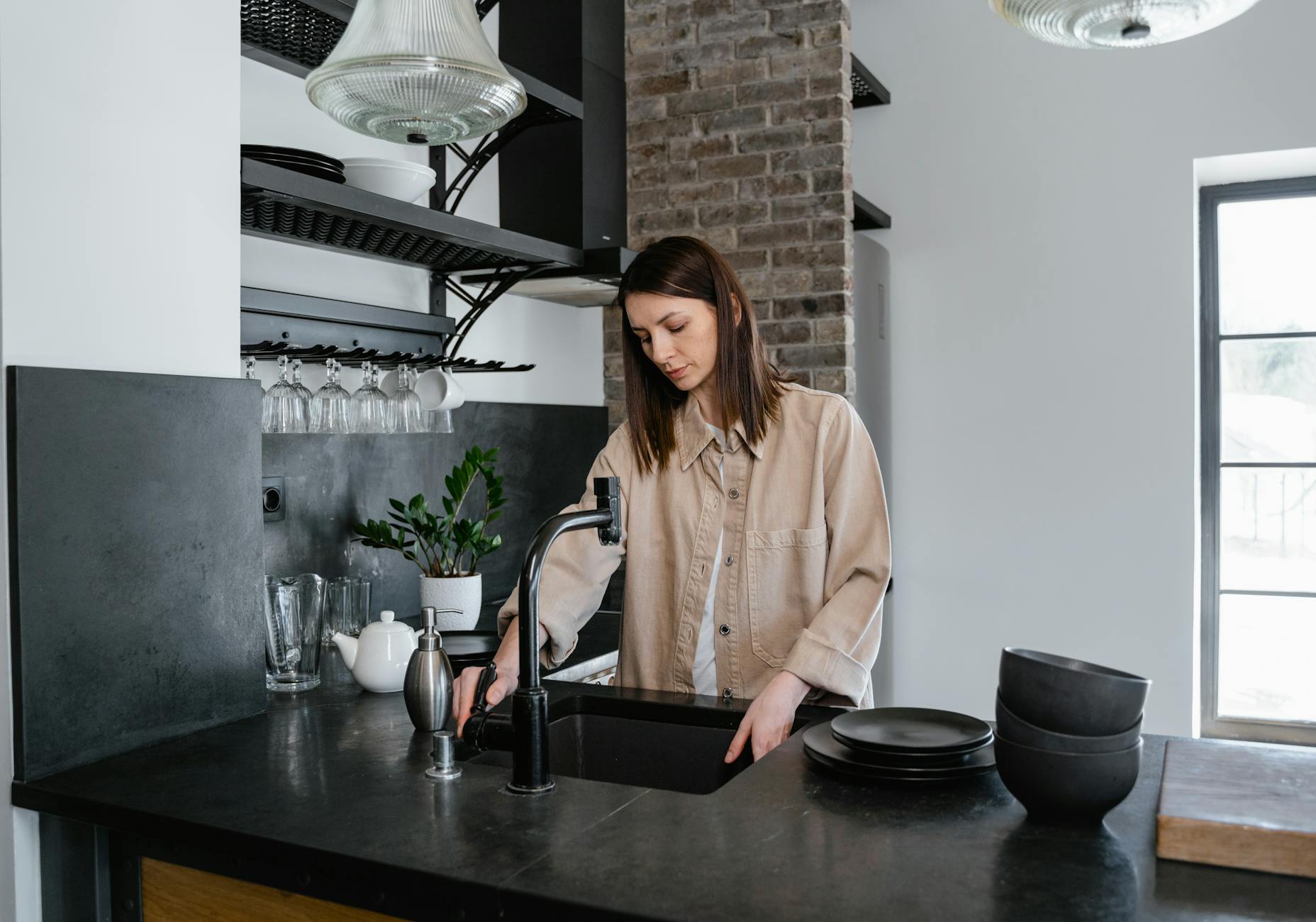
Homeowners in Lafayette tend to develop a certain tolerance for small plumbing issues. A faucet drips for a few weeks. The kitchen sink drains a little slower than usual. Maybe the toilet jiggles occasionally after flushing. None of it feels urgent in the moment, which is exactly why plumbing problems often grow quietly in the background until they become expensive.
The difficult part is that plumbing systems rarely fail all at once. They usually send warnings first.
A strange sound behind the wall. Water pressure that suddenly changes. Damp spots that appear and disappear without explanation. Most homeowners notice these things long before serious damage happens, but it is easy to assume they are temporary or harmless.
Sometimes they are. Sometimes they are not.
The difference usually comes down to whether the issue keeps repeating. Patterns matter more than isolated annoyances when plumbing systems are involved.
1. Slow Drains Throughout the House
One slow drain is common, and most homeowners deal with that occasionally. Hair buildup, soap residue, and kitchen grease can all slow things down over time without pointing to a major issue right away. The concern usually starts when several drains throughout the house begin reacting together, which is often why homeowners eventually call a Lafayette plumber after temporary fixes stop working consistently.
A shower draining slowly while the kitchen sink bubbles or toilets flushing inconsistently can suggest the issue is happening deeper within the plumbing or sewer system itself. Companies like Plumbing Solutions are part of the broader shift toward identifying plumbing problems earlier, particularly before recurring drainage issues turn into larger water damage or structural concerns around the home.
The important thing is usually the repetition of symptoms. A single clog can often be cleared fairly easily, but ongoing drainage problems affecting multiple fixtures may point toward buildup, root intrusion, pipe shifting, or developing sewer line damage beneath the property.
2. Water Stains or Damp Spots That Keep Returning
Water damage rarely stays hidden forever.
Sometimes homeowners notice small discoloration on ceilings or walls that appears after heavy rain or plumbing use. Other times, flooring begins warping slightly near bathrooms, kitchens, or laundry areas. The stain may even disappear temporarily before returning later.
That inconsistency is part of what makes leaks easy to ignore.
Small plumbing leaks can continue behind walls or under flooring for months before becoming obvious enough to force action. During that time, moisture may slowly affect insulation, drywall, framing, or subflooring without drawing much attention initially.
A few warning signs homeowners commonly overlook include:
Leaks do not always look dramatic right away. Slow moisture damage is often quieter and more expensive over time.
3. Sudden Drops in Water Pressure
People usually notice water pressure changes immediately, especially in showers.
One day the water feels normal. The next, faucets sputter slightly or the pressure weakens across parts of the house. While isolated fixture issues can happen occasionally, widespread pressure changes often point toward something larger happening within the plumbing system.
Corrosion, hidden leaks, pipe blockages, or even underground line damage can all affect pressure unexpectedly.
Older homes sometimes experience gradual pressure decline because pipes narrow internally over time due to mineral buildup or aging materials. In other situations, a sudden drop may indicate an active leak somewhere behind walls or beneath the property.
The frustrating part is that homeowners sometimes adapt to weaker pressure slowly without realizing the system itself is deteriorating.
Until a larger pipe failure finally makes the problem impossible to ignore.
4. Unusual Sounds Coming From Pipes or Fixtures
Plumbing systems are not completely silent, but strange noises usually exist for a reason.
Banging pipes. Gurgling drains. Whistling faucets. Vibrations behind walls after shutting water off. Those sounds may seem minor initially, especially if they happen inconsistently.
Still, plumbing noises often signal pressure problems, trapped air, loose fittings, or developing blockages within the system.
A few sounds homeowners should pay closer attention to include:
Not every plumbing sound signals a major emergency. Some issues are fairly minor repairs. But systems usually become noisy because something is interfering with normal water flow or pressure balance somewhere inside the home.
The earlier those problems get identified, the easier they tend to be to manage.
5. Higher Water Bills Without a Clear Explanation
This one often surprises people.
Water bills naturally fluctuate slightly month to month, but sudden increases without major lifestyle changes can point toward hidden leaks or inefficient plumbing issues developing somewhere in the house.
A leaking toilet alone can waste a surprising amount of water quietly over time. Underground leaks can become even harder to detect because homeowners may not see visible damage immediately.
Some clues that hidden water loss may be happening include:
Leaks do not always create immediate flooding. Many simply waste water gradually while damaging surrounding materials slowly beneath the surface.
That slow progression is exactly why unnoticed plumbing problems become so expensive later on.
Conclusion
Most serious plumbing problems begin as smaller warning signs people hope will disappear on their own. A slow drain. A damp patch. A strange sound behind the wall. None of those issues necessarily look urgent in isolation, which is why homeowners often delay addressing them longer than they probably should.
The real issue is usually repetition. Plumbing systems tend to signal developing problems gradually before larger damage appears. When symptoms keep returning or start affecting multiple areas of the home, the situation usually deserves more attention than a temporary fix.
Ignoring plumbing problems rarely makes them cheaper. More often, it simply gives water, pressure, or drainage issues more time to spread quietly behind walls, beneath flooring, or underground where repairs eventually become more disruptive and expensive than they needed to be.
Share this:
Like this: