Your outdoor space is more than just the area around your home, it’s the first thing visitors notice, the place your family actually spends time, and a significant part of what gives your property its character. Yet most people treat it as an afterthought, adding plants here and a patio stone there without any real plan holding it together.
That’s where professional landscape design makes a genuine difference. It’s not about expensive plants or elaborate installations. It’s about thoughtful planning that makes every element work together, visually, functionally, and over time. Here’s how that process actually shows up in the results.
1. They Start With How You Actually Use the Space
The biggest mistake homeowners make with outdoor spaces is designing for appearance without thinking about use. A patio that looks beautiful in photos but catches afternoon sun at exactly the wrong angle. A garden bed that’s stunning in May and maintenance-heavy from June onward. A pathway that forces you to walk the long way around every time you take out the trash.
Professional landscape designers start by understanding how a household actually moves through and uses an outdoor space before putting anything on paper. What areas see the most foot traffic? Where does the family gather? What parts of the yard need to be functional versus decorative?
Firms like Growing Solutions Landscaping & Design lead with a “walk and talk” consultation, a walkthrough of the property where both the designer and the homeowner discuss how the space is used before any design decisions are made. This simple shift in starting point changes everything about the final outcome.
2. They Create Visual Cohesion Across the Whole Property
One of the most common signs of a DIY outdoor space is that it looks assembled — a patio here, some foundation plantings there, a garden bed added a few years later when there was budget. Each piece might be fine on its own, but together they don’t communicate a clear visual identity.
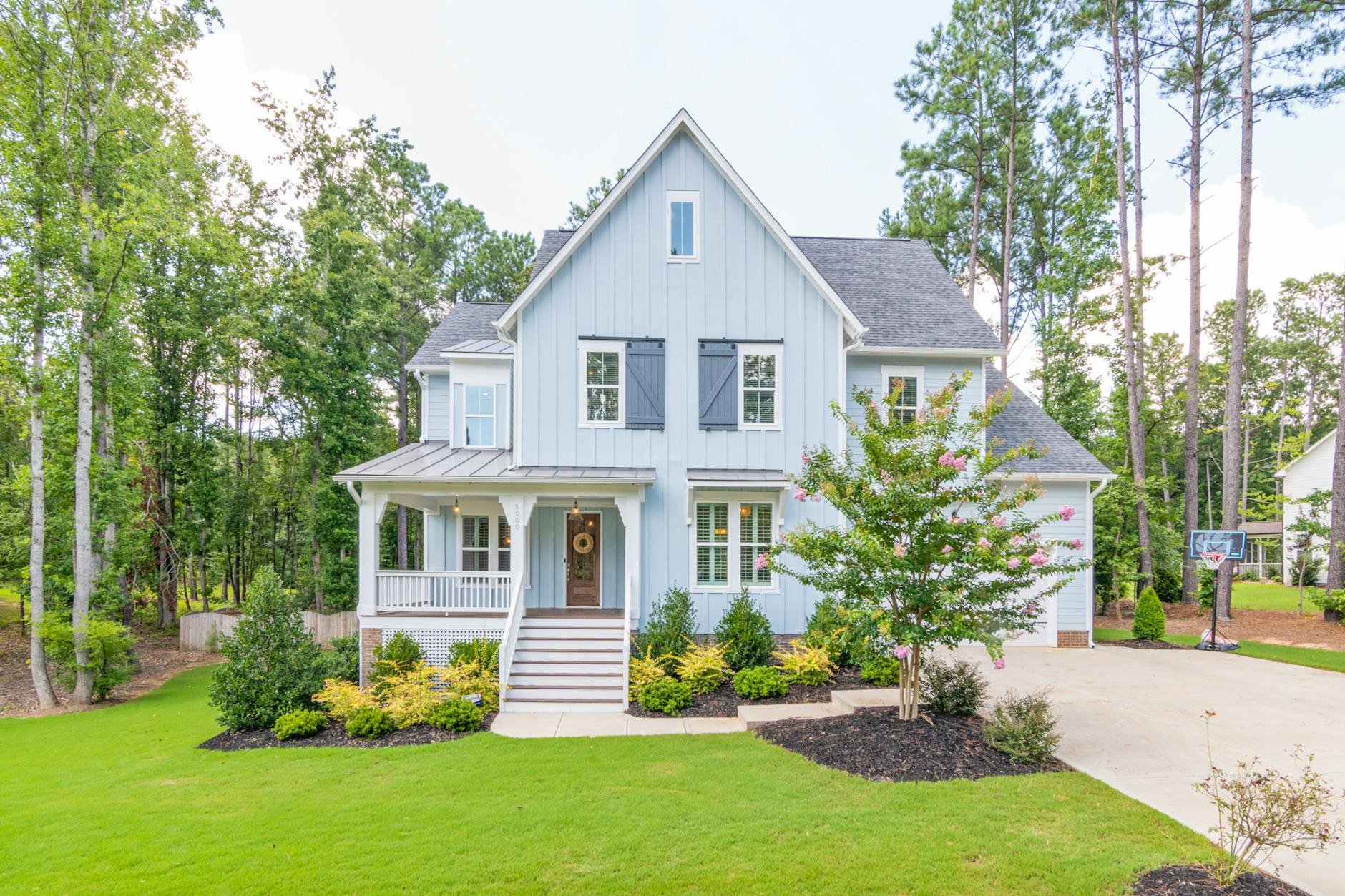
A landscape designer looks at the entire property as a single composition. They consider how different areas relate to each other — how the driveway entry connects to the front walkway, how the patio transitions to the lawn, how the plantings frame the architecture of the house rather than competing with it.
This kind of cohesion is what separates a yard that looks “nice” from one that has genuine curb appeal. It’s not about adding more, often it’s about editing and aligning what’s already there so the whole picture reads clearly.
Photo by Silviu Muresan
3. They Solve Functional Problems That Affect Daily Comfort
Outdoor comfort problems are often invisible until someone actually looks for them. Poor drainage that leaves sections of the yard unusable after rain. Grading issues that direct water toward the foundation. Areas where soil compaction has made planting nearly impossible. Sun and shade patterns that make certain spaces pleasant for only a few hours of the day.
According to the American Society of Landscape Architects, well-designed outdoor spaces consistently rank among the top home improvements that increase property value — precisely because they solve real problems, not just aesthetic ones.
Practical elements that landscape designers typically address include:
Grading and drainage to protect the property and expand usable yard space
Hardscaping placement that accounts for sun exposure and traffic patterns
Plant selection suited to actual soil conditions, not just what looks good at the nursery
Privacy screening that uses plantings or structures strategically rather than blocking views indiscriminately
4. They Choose Plants That Perform Over Time
Plant selection is where a lot of well-intentioned outdoor projects quietly fall apart. A homeowner picks plants based on what’s available at a garden center in May — everything looks beautiful and full of promise. By midsummer, some are struggling. By the following year, a few have died and others have grown in unexpected directions.
A professional designer selects plants based on the specific conditions of your property: sun exposure, soil type, drainage, and climate. They also think in terms of seasonal performance — what the space will look like in spring, summer, fall, and even winter.
Beyond aesthetics, they consider maintenance load. A design that looks spectacular in year one but requires professional intervention twice a year to maintain isn’t serving the homeowner well. Good plant design is generous over time, not just at installation.
5. They Add Finishing Elements That Pull Everything Together
The difference between a designed landscape and a planted yard often comes down to the finishing details, the elements that give a space its character and make it genuinely comfortable to be in.
These might include:
Outdoor lighting that extends usability into the evening and adds safety along walkways
Seating walls that create gathering spots without requiring furniture that has to be stored seasonally
Fire features that make outdoor spaces comfortable well into cooler months
Entryway design that gives visitors a clear, welcoming path to the front door
Driveways and edging that frame the property cleanly and add to curb appeal from the street
None of these elements are complicated on their own, but the way they’re integrated into a larger design plan determines whether they feel purposeful or like afterthoughts. That integration, making sure each finishing touch supports the overall vision, is where professional design earns its value most clearly.
Final Thoughts
Outdoor comfort and curb appeal aren’t the result of spending a lot of money on landscaping. They’re the result of thoughtful planning that considers how a space is used, how it looks as a whole, and how it will perform year after year. A professional landscape designer brings all of that together in a way that a collection of individual decisions rarely does.
If your outdoor space has been on your mental to-do list for a while, starting with a design conversation, rather than jumping straight to planting or hardscaping, is the step most people wish they’d taken sooner.


Your outdoor space is more than just the area around your home, it’s the first thing visitors notice, the place your family actually spends time, and a significant part of what gives your property its character. Yet most people treat it as an afterthought, adding plants here and a patio stone there without any real plan holding it together.
That’s where professional landscape design makes a genuine difference. It’s not about expensive plants or elaborate installations. It’s about thoughtful planning that makes every element work together, visually, functionally, and over time. Here’s how that process actually shows up in the results.
1. They Start With How You Actually Use the Space
The biggest mistake homeowners make with outdoor spaces is designing for appearance without thinking about use. A patio that looks beautiful in photos but catches afternoon sun at exactly the wrong angle. A garden bed that’s stunning in May and maintenance-heavy from June onward. A pathway that forces you to walk the long way around every time you take out the trash.
Professional landscape designers start by understanding how a household actually moves through and uses an outdoor space before putting anything on paper. What areas see the most foot traffic? Where does the family gather? What parts of the yard need to be functional versus decorative?
Firms like Growing Solutions Landscaping & Design lead with a “walk and talk” consultation, a walkthrough of the property where both the designer and the homeowner discuss how the space is used before any design decisions are made. This simple shift in starting point changes everything about the final outcome.
2. They Create Visual Cohesion Across the Whole Property
One of the most common signs of a DIY outdoor space is that it looks assembled — a patio here, some foundation plantings there, a garden bed added a few years later when there was budget. Each piece might be fine on its own, but together they don’t communicate a clear visual identity.
A landscape designer looks at the entire property as a single composition. They consider how different areas relate to each other — how the driveway entry connects to the front walkway, how the patio transitions to the lawn, how the plantings frame the architecture of the house rather than competing with it.
This kind of cohesion is what separates a yard that looks “nice” from one that has genuine curb appeal. It’s not about adding more, often it’s about editing and aligning what’s already there so the whole picture reads clearly.
3. They Solve Functional Problems That Affect Daily Comfort
Outdoor comfort problems are often invisible until someone actually looks for them. Poor drainage that leaves sections of the yard unusable after rain. Grading issues that direct water toward the foundation. Areas where soil compaction has made planting nearly impossible. Sun and shade patterns that make certain spaces pleasant for only a few hours of the day.
According to the American Society of Landscape Architects, well-designed outdoor spaces consistently rank among the top home improvements that increase property value — precisely because they solve real problems, not just aesthetic ones.
Practical elements that landscape designers typically address include:
4. They Choose Plants That Perform Over Time
Plant selection is where a lot of well-intentioned outdoor projects quietly fall apart. A homeowner picks plants based on what’s available at a garden center in May — everything looks beautiful and full of promise. By midsummer, some are struggling. By the following year, a few have died and others have grown in unexpected directions.
A professional designer selects plants based on the specific conditions of your property: sun exposure, soil type, drainage, and climate. They also think in terms of seasonal performance — what the space will look like in spring, summer, fall, and even winter.
Beyond aesthetics, they consider maintenance load. A design that looks spectacular in year one but requires professional intervention twice a year to maintain isn’t serving the homeowner well. Good plant design is generous over time, not just at installation.
5. They Add Finishing Elements That Pull Everything Together
The difference between a designed landscape and a planted yard often comes down to the finishing details, the elements that give a space its character and make it genuinely comfortable to be in.
These might include:
None of these elements are complicated on their own, but the way they’re integrated into a larger design plan determines whether they feel purposeful or like afterthoughts. That integration, making sure each finishing touch supports the overall vision, is where professional design earns its value most clearly.
Final Thoughts
Outdoor comfort and curb appeal aren’t the result of spending a lot of money on landscaping. They’re the result of thoughtful planning that considers how a space is used, how it looks as a whole, and how it will perform year after year. A professional landscape designer brings all of that together in a way that a collection of individual decisions rarely does.
If your outdoor space has been on your mental to-do list for a while, starting with a design conversation, rather than jumping straight to planting or hardscaping, is the step most people wish they’d taken sooner.
Share this:
Like this: