Windows and exterior doors have a deceptively simple job: open when you want them to and keep the outdoors out when you don’t. In storm-prone areas, however, that job becomes considerably more demanding. Wind, driving rain, heat, humidity, and airborne debris can expose weaknesses that barely matter during calmer weather.
That makes replacement especially important in Florida, where building requirements recognize wind-borne debris risks and establish specific standards for protecting glazed openings in applicable areas. Choosing new windows and doors here is therefore about more than improving curb appeal. Product approvals, wind performance, impact protection, installation, and energy efficiency can all influence whether an upgrade performs as expected when conditions become difficult.
Start With the Problem You’re Trying to Solve
A replacement project becomes much easier to plan when you know what is wrong with the existing openings.
Maybe certain windows leak air or water. Perhaps a door has become difficult to close properly. Some rooms may become noticeably warmer around large areas of glass, or exterior noise may be more intrusive than you would like.
Storm protection could be the main concern.
These are different problems, and they do not necessarily require identical solutions.
Instead of beginning with frame colors and door styles, make a short record of what you want the project to improve. That gives you something useful to compare products against when technical specifications and sales terminology start piling up.
The goal is not simply to buy newer windows and doors. It is to solve the problems the old ones are creating.
Installation Is Where the Product Proves Itself
A high-performance window installed poorly is still a poorly performing window.
Measurements, anchoring, flashing, sealing, and the condition of the existing opening can all influence the finished result. Installation is also when hidden deterioration around an old frame may finally become visible.
When researching a Florida windows & doors company, ask how the proposed products and installation methods will be matched to the requirements of your home. Discuss product approvals, wind and impact performance where applicable, permitting, moisture management, anchoring, and what happens if deterioration is discovered once an existing unit is removed.
The conversation should connect the product being sold with the conditions in which it actually has to perform.
A beautiful new window is nice. A beautiful new window that is correctly installed is considerably more useful.
Understand What Impact Resistance Actually Means
The word “impact” can sound reassuring, but it is worth understanding what sits behind the label.
Impact-resistant products are designed and tested to meet particular performance requirements. The glazing is only part of the system. Frames, hardware, anchoring, installation details, and the structure surrounding the opening can all affect performance.
That is why you should look beyond broad descriptions such as “hurricane-ready.”
Ask which testing standards and product approvals apply to the proposed units. Design pressure also matters because windows and doors need to withstand the wind pressures expected for their particular application.
In other words, stronger-looking glass is not the whole story.
The complete assembly has to work together.
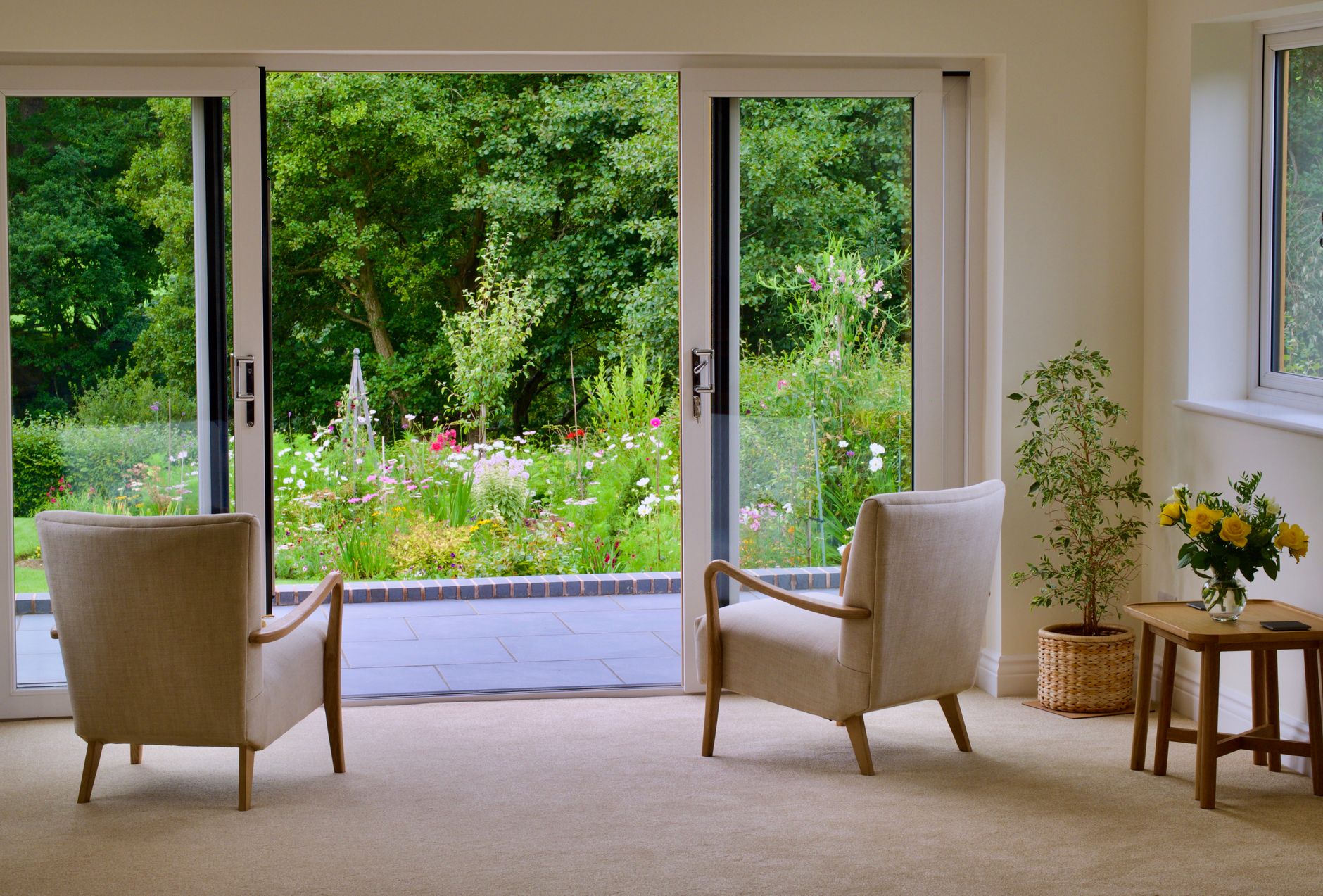
Photo by Jonathan Borba
Energy Performance Deserves a Closer Look
Storm performance may get most of the attention, but windows and doors are also part of the building envelope. Heat can move through glazing and frames, while sunlight can introduce additional heat through glass. That affects both indoor comfort and the amount of work required from heating or cooling equipment.
Two useful measurements are U-factor and Solar Heat Gain Coefficient, or SHGC. U-factor describes heat transfer through the product, while SHGC indicates how much solar heat enters through it.
An educational overview of energy-efficient windows, doors, and skylights explains why those ratings should be considered in relation to climate rather than assuming one specification works equally well everywhere.
Low-emissivity coatings, insulated glass, gas fills, frame construction, and air leakage can also affect performance.
Efficiency should be treated as a measurable feature, not a marketing adjective.
Pick Materials for the Life They’ll Actually Have
Frame and door materials influence more than appearance.
Vinyl can offer relatively low maintenance and good thermal characteristics, although quality varies between products. Fiberglass is valued for stability and durability. Metal frames can provide strength and slimmer profiles but may require thermal breaks to reduce heat transfer. Wood brings a distinctive appearance but generally asks for more ongoing maintenance.
Exterior doors introduce another set of choices, including fiberglass, metal, wood, and glazed designs.
Rather than searching for one material that is supposedly best, think about exposure, maintenance, insulation, appearance, and budget together.
Also consider the hardware.
Hinges, locks, rollers, handles, and tracks are the parts you interact with constantly. A premium door that becomes frustrating to operate has missed a fairly important part of the assignment.
Think About Storm Preparation Before the Forecast Turns Serious
Windows and doors are only one part of preparing a home for severe weather.
Planning ahead matters because the days immediately before a storm are rarely the ideal time to discover missing supplies, damaged shutters, or an exterior door that no longer closes correctly.
A practical hurricane preparedness guide covers steps that can be taken before, during, and after severe weather, including protecting the property and preparing emergency supplies.
For replacement projects, the same forward-thinking mindset is useful.
Understand how your windows and doors are intended to provide protection. If a particular opening requires an additional protective system, know how to install or operate it before it is needed.
Storm preparation works much better as routine maintenance than as a last-minute hobby.
Choose Opening Styles Around Daily Life
Technical performance matters, but you still have to live with these products every day.
A large fixed window can maximize a view but provides no ventilation. Casement windows can offer wide openings, while sliding and hung styles bring different advantages for space, operation, and cleaning.
Doors require similar thought.
Consider traffic patterns, furniture placement, pets, children, accessibility, ventilation, and how frequently each opening is actually used.
Cleaning is worth thinking about too. Some designs are considerably easier to maintain from inside the home than others.
The best product should make sense during ordinary weather as well as extraordinary weather.
Read the Warranty Before You Need It
Warranty documents rarely compete with new glass for excitement, but they can become very interesting once something goes wrong.
Find out what is covered and for how long. Glass, frames, finishes, hardware, seals, and installation labor may have different terms.
Also check whether particular maintenance is required to preserve coverage.
If the home experiences demanding environmental conditions, routine inspection of seals, hardware, tracks, and exterior finishes can help catch smaller problems before they become expensive ones.
Keep product information and installation records somewhere accessible after the project is complete. Years later, those documents may be far more useful than the brochure that convinced you to choose the windows in the first place.
Compare Quotes by Scope, Not Just Price
Two replacement estimates can look similar at the bottom of the page while covering very different amounts of work.
Compare the exact products, performance ratings, installation methods, permits, finishing, disposal, warranties, and procedures for unexpected repairs.
Ask whether the quote includes everything required to leave the opening complete once the old product is removed.
This is particularly important when one estimate is dramatically lower than the others.
Sometimes you have found a genuinely competitive price. Sometimes you have found a shorter list of included work.
Knowing which one it is before signing makes for a much calmer project.
Make the Upgrade Work on Ordinary Days Too
Storm resilience is important, but replacement windows and doors should improve everyday life as well.
They should open and close smoothly, help manage unwanted heat transfer, fit the appearance of the home, provide appropriate ventilation, and avoid becoming a constant maintenance project.
That is why the best replacement decision rarely comes down to one specification.
Look at storm performance, energy ratings, installation quality, materials, operation, warranties, and long-term maintenance together. Choose features because they solve real problems rather than because they happen to sound impressive in a showroom.
When those decisions are made carefully, new windows and doors can do something surprisingly valuable: disappear into everyday life while quietly doing their job when conditions outside are anything but ordinary.


Windows and exterior doors have a deceptively simple job: open when you want them to and keep the outdoors out when you don’t. In storm-prone areas, however, that job becomes considerably more demanding. Wind, driving rain, heat, humidity, and airborne debris can expose weaknesses that barely matter during calmer weather.
That makes replacement especially important in Florida, where building requirements recognize wind-borne debris risks and establish specific standards for protecting glazed openings in applicable areas. Choosing new windows and doors here is therefore about more than improving curb appeal. Product approvals, wind performance, impact protection, installation, and energy efficiency can all influence whether an upgrade performs as expected when conditions become difficult.
Start With the Problem You’re Trying to Solve
A replacement project becomes much easier to plan when you know what is wrong with the existing openings.
Maybe certain windows leak air or water. Perhaps a door has become difficult to close properly. Some rooms may become noticeably warmer around large areas of glass, or exterior noise may be more intrusive than you would like.
Storm protection could be the main concern.
These are different problems, and they do not necessarily require identical solutions.
Instead of beginning with frame colors and door styles, make a short record of what you want the project to improve. That gives you something useful to compare products against when technical specifications and sales terminology start piling up.
The goal is not simply to buy newer windows and doors. It is to solve the problems the old ones are creating.
Installation Is Where the Product Proves Itself
A high-performance window installed poorly is still a poorly performing window.
Measurements, anchoring, flashing, sealing, and the condition of the existing opening can all influence the finished result. Installation is also when hidden deterioration around an old frame may finally become visible.
When researching a Florida windows & doors company, ask how the proposed products and installation methods will be matched to the requirements of your home. Discuss product approvals, wind and impact performance where applicable, permitting, moisture management, anchoring, and what happens if deterioration is discovered once an existing unit is removed.
The conversation should connect the product being sold with the conditions in which it actually has to perform.
A beautiful new window is nice. A beautiful new window that is correctly installed is considerably more useful.
Understand What Impact Resistance Actually Means
The word “impact” can sound reassuring, but it is worth understanding what sits behind the label.
Impact-resistant products are designed and tested to meet particular performance requirements. The glazing is only part of the system. Frames, hardware, anchoring, installation details, and the structure surrounding the opening can all affect performance.
That is why you should look beyond broad descriptions such as “hurricane-ready.”
Ask which testing standards and product approvals apply to the proposed units. Design pressure also matters because windows and doors need to withstand the wind pressures expected for their particular application.
In other words, stronger-looking glass is not the whole story.
The complete assembly has to work together.
Energy Performance Deserves a Closer Look
Storm performance may get most of the attention, but windows and doors are also part of the building envelope. Heat can move through glazing and frames, while sunlight can introduce additional heat through glass. That affects both indoor comfort and the amount of work required from heating or cooling equipment.
Two useful measurements are U-factor and Solar Heat Gain Coefficient, or SHGC. U-factor describes heat transfer through the product, while SHGC indicates how much solar heat enters through it.
An educational overview of energy-efficient windows, doors, and skylights explains why those ratings should be considered in relation to climate rather than assuming one specification works equally well everywhere.
Low-emissivity coatings, insulated glass, gas fills, frame construction, and air leakage can also affect performance.
Efficiency should be treated as a measurable feature, not a marketing adjective.
Pick Materials for the Life They’ll Actually Have
Frame and door materials influence more than appearance.
Vinyl can offer relatively low maintenance and good thermal characteristics, although quality varies between products. Fiberglass is valued for stability and durability. Metal frames can provide strength and slimmer profiles but may require thermal breaks to reduce heat transfer. Wood brings a distinctive appearance but generally asks for more ongoing maintenance.
Exterior doors introduce another set of choices, including fiberglass, metal, wood, and glazed designs.
Rather than searching for one material that is supposedly best, think about exposure, maintenance, insulation, appearance, and budget together.
Also consider the hardware.
Hinges, locks, rollers, handles, and tracks are the parts you interact with constantly. A premium door that becomes frustrating to operate has missed a fairly important part of the assignment.
Think About Storm Preparation Before the Forecast Turns Serious
Windows and doors are only one part of preparing a home for severe weather.
Planning ahead matters because the days immediately before a storm are rarely the ideal time to discover missing supplies, damaged shutters, or an exterior door that no longer closes correctly.
A practical hurricane preparedness guide covers steps that can be taken before, during, and after severe weather, including protecting the property and preparing emergency supplies.
For replacement projects, the same forward-thinking mindset is useful.
Understand how your windows and doors are intended to provide protection. If a particular opening requires an additional protective system, know how to install or operate it before it is needed.
Storm preparation works much better as routine maintenance than as a last-minute hobby.
Choose Opening Styles Around Daily Life
Technical performance matters, but you still have to live with these products every day.
A large fixed window can maximize a view but provides no ventilation. Casement windows can offer wide openings, while sliding and hung styles bring different advantages for space, operation, and cleaning.
Doors require similar thought.
Consider traffic patterns, furniture placement, pets, children, accessibility, ventilation, and how frequently each opening is actually used.
Cleaning is worth thinking about too. Some designs are considerably easier to maintain from inside the home than others.
The best product should make sense during ordinary weather as well as extraordinary weather.
Read the Warranty Before You Need It
Warranty documents rarely compete with new glass for excitement, but they can become very interesting once something goes wrong.
Find out what is covered and for how long. Glass, frames, finishes, hardware, seals, and installation labor may have different terms.
Also check whether particular maintenance is required to preserve coverage.
If the home experiences demanding environmental conditions, routine inspection of seals, hardware, tracks, and exterior finishes can help catch smaller problems before they become expensive ones.
Keep product information and installation records somewhere accessible after the project is complete. Years later, those documents may be far more useful than the brochure that convinced you to choose the windows in the first place.
Compare Quotes by Scope, Not Just Price
Two replacement estimates can look similar at the bottom of the page while covering very different amounts of work.
Compare the exact products, performance ratings, installation methods, permits, finishing, disposal, warranties, and procedures for unexpected repairs.
Ask whether the quote includes everything required to leave the opening complete once the old product is removed.
This is particularly important when one estimate is dramatically lower than the others.
Sometimes you have found a genuinely competitive price. Sometimes you have found a shorter list of included work.
Knowing which one it is before signing makes for a much calmer project.
Make the Upgrade Work on Ordinary Days Too
Storm resilience is important, but replacement windows and doors should improve everyday life as well.
They should open and close smoothly, help manage unwanted heat transfer, fit the appearance of the home, provide appropriate ventilation, and avoid becoming a constant maintenance project.
That is why the best replacement decision rarely comes down to one specification.
Look at storm performance, energy ratings, installation quality, materials, operation, warranties, and long-term maintenance together. Choose features because they solve real problems rather than because they happen to sound impressive in a showroom.
When those decisions are made carefully, new windows and doors can do something surprisingly valuable: disappear into everyday life while quietly doing their job when conditions outside are anything but ordinary.
Share this:
Like this: