If you’ve spent any time researching skin treatments in Denver, you’ve probably come across microneedling. It shows up everywhere, in dermatology offices, med spas, beauty blogs, and increasingly in conversations about what actually works for improving skin texture and tone. And unlike a lot of trending treatments, the interest in microneedling is backed by a reasonable body of clinical evidence rather than just social media momentum.
For most people, microneedling does produce meaningful improvements in skin texture. But understanding what it actually does, what it works best for, and what to realistically expect helps you go in with the right mindset rather than inflated hopes.
What Microneedling Actually Does to the Skin
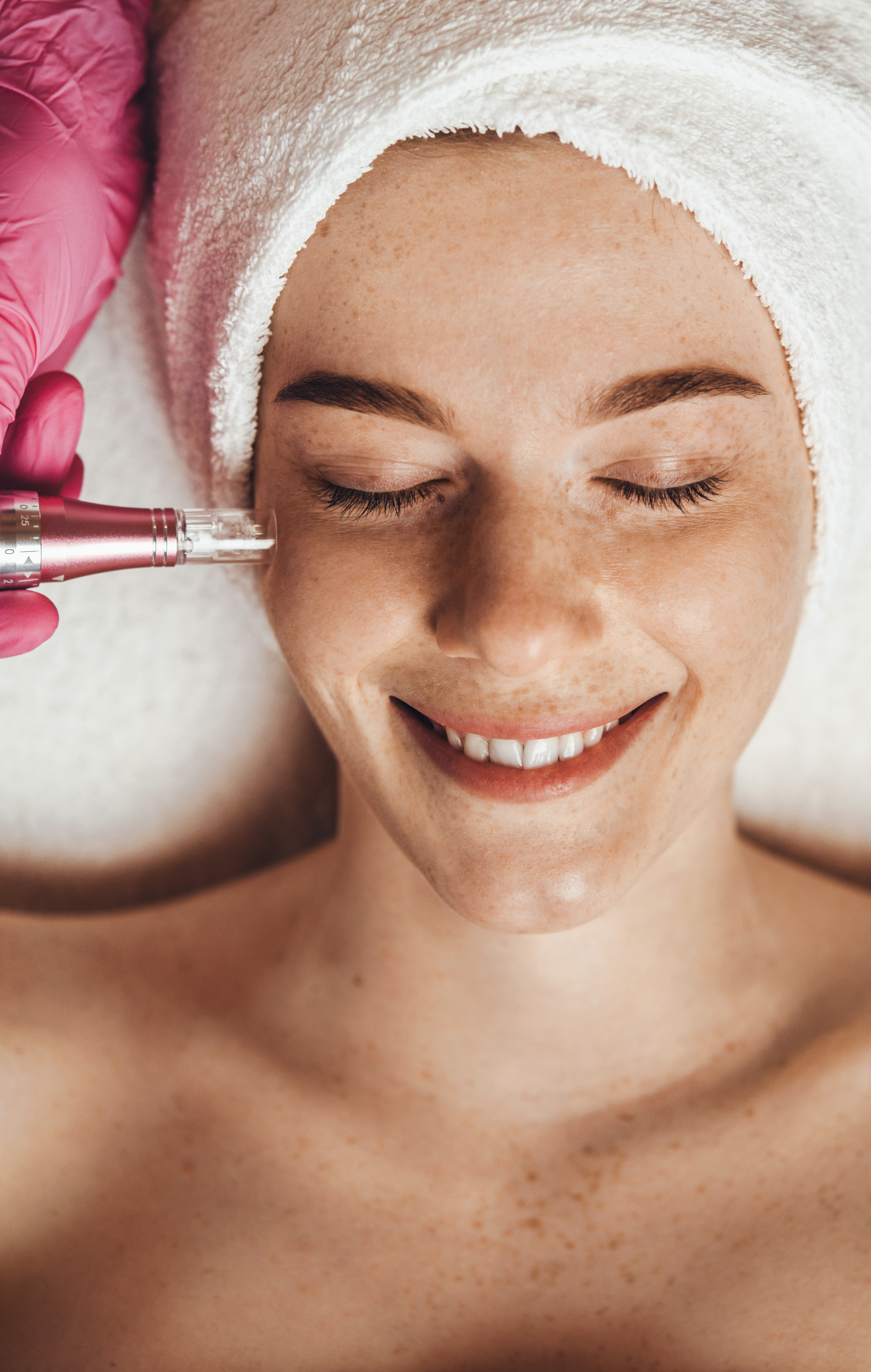
Microneedling works by creating thousands of tiny controlled punctures in the surface of the skin using a device fitted with fine needles. Those micro-injuries trigger the skin’s natural wound-healing response, which includes an increase in collagen and elastin production. Collagen is the protein that gives skin its structure and firmness. Elastin is what allows skin to snap back into place. Both decline with age, which is a significant reason skin becomes looser and more textured over time.
The treatment essentially tricks the skin into repairing itself, and that repair process is what drives the improvements in texture, firmness, and evenness that most patients experience. The depth of the needles is adjusted based on the concern being treated and the area of the face or body being addressed.
What It Can Help With
Microneedling has a well-established track record across several specific skin concerns, and it’s worth knowing which ones it addresses most effectively.
Fine lines and mild skin laxity respond well to the collagen stimulation the treatment produces. Results aren’t instantaneous since collagen remodeling takes time, but most patients notice a visible improvement in skin quality over the weeks following treatment.
Acne scars, particularly the depressed or pitted kind called atrophic scars, are one of the strongest use cases for microneedling. The needling breaks up scar tissue and prompts new collagen to fill in the depressions, which gradually improves the surface texture. A 2025 review found that microneedling consistently created significant improvement in acne scar appearance with strong safety and tolerability across different skin types.
Uneven skin tone and hyperpigmentation also respond to microneedling, particularly when the treatment is combined with topical serums applied immediately after, since the micro-channels created by the needles allow active ingredients to penetrate more deeply than they would on intact skin.
Large pores, stretch marks, and overall dullness are other areas where patients commonly see improvement, though results vary depending on skin type, the severity of the concern, and how consistently treatment is pursued.
Photo by Alexander Krivitskiy
How Many Sessions Are Typically Needed
This is one of the most common questions. As noted in a procedural guide by Plastic Surgical Associates, the number of microneedling treatments recommended depends on your skin type, concerns, and aesthetic goals. The answer depends on what you’re treating. For general skin quality improvement, most providers recommend a series of three to four sessions spaced four to six weeks apart. For more significant concerns like acne scarring or pronounced skin laxity, a longer series may be recommended.
Maintenance sessions every few months after the initial series help sustain results, since the collagen-stimulating effects don’t last indefinitely. Most clinics offering microneedling in Denver offer consultations that assess the skin in detail before recommending a treatment plan, which is a better approach than a one-size-fits-all session count. The number of treatments that actually makes sense for your skin is specific to your starting point and your goals.
What to Expect During and After Treatment
The procedure itself involves applying a topical numbing cream to the skin beforehand, which significantly reduces discomfort. Most patients describe the sensation as mild pressure or a slight prickling feeling rather than pain. The session typically takes thirty to sixty minutes depending on the area being treated.
Immediately after, the skin looks red and feels similar to a mild sunburn. That redness usually subsides within twenty-four to forty-eight hours. The skin may feel slightly tight or dry for a few days while it heals. Avoiding direct sun exposure and wearing SPF during the healing period is important, since the skin is more sensitive immediately after treatment.
The improvements happen gradually over the following weeks as the collagen remodeling process unfolds. Most people see the most noticeable changes two to three months after their final session in a series, which is worth keeping in mind if you’re timing treatment around a specific event.
Is It Right for Everyone?
Microneedling works well for most skin types and tones, which is one of its advantages over some laser treatments that carry a higher risk of post-inflammatory hyperpigmentation in darker skin tones.
It isn’t suitable for people with active acne breakouts, certain skin conditions, or those taking medications that affect healing. A proper consultation before treatment is the only way to know whether your skin is a good candidate at a given time.
Final Thoughts
Microneedling earns its reputation as a versatile, effective treatment for a range of common skin concerns. The results are real, the evidence behind them is solid, and the downtime is minimal compared to more aggressive procedures.
For anyone looking to improve texture, firmness, or evenness without a surgical approach, it’s one of the more consistently satisfying options available.


If you’ve spent any time researching skin treatments in Denver, you’ve probably come across microneedling. It shows up everywhere, in dermatology offices, med spas, beauty blogs, and increasingly in conversations about what actually works for improving skin texture and tone. And unlike a lot of trending treatments, the interest in microneedling is backed by a reasonable body of clinical evidence rather than just social media momentum.
For most people, microneedling does produce meaningful improvements in skin texture. But understanding what it actually does, what it works best for, and what to realistically expect helps you go in with the right mindset rather than inflated hopes.
What Microneedling Actually Does to the Skin
Microneedling works by creating thousands of tiny controlled punctures in the surface of the skin using a device fitted with fine needles. Those micro-injuries trigger the skin’s natural wound-healing response, which includes an increase in collagen and elastin production. Collagen is the protein that gives skin its structure and firmness. Elastin is what allows skin to snap back into place. Both decline with age, which is a significant reason skin becomes looser and more textured over time.
The treatment essentially tricks the skin into repairing itself, and that repair process is what drives the improvements in texture, firmness, and evenness that most patients experience. The depth of the needles is adjusted based on the concern being treated and the area of the face or body being addressed.
What It Can Help With
Microneedling has a well-established track record across several specific skin concerns, and it’s worth knowing which ones it addresses most effectively.
Fine lines and mild skin laxity respond well to the collagen stimulation the treatment produces. Results aren’t instantaneous since collagen remodeling takes time, but most patients notice a visible improvement in skin quality over the weeks following treatment.
Acne scars, particularly the depressed or pitted kind called atrophic scars, are one of the strongest use cases for microneedling. The needling breaks up scar tissue and prompts new collagen to fill in the depressions, which gradually improves the surface texture. A 2025 review found that microneedling consistently created significant improvement in acne scar appearance with strong safety and tolerability across different skin types.
Uneven skin tone and hyperpigmentation also respond to microneedling, particularly when the treatment is combined with topical serums applied immediately after, since the micro-channels created by the needles allow active ingredients to penetrate more deeply than they would on intact skin.
Large pores, stretch marks, and overall dullness are other areas where patients commonly see improvement, though results vary depending on skin type, the severity of the concern, and how consistently treatment is pursued.
How Many Sessions Are Typically Needed
This is one of the most common questions. As noted in a procedural guide by Plastic Surgical Associates, the number of microneedling treatments recommended depends on your skin type, concerns, and aesthetic goals. The answer depends on what you’re treating. For general skin quality improvement, most providers recommend a series of three to four sessions spaced four to six weeks apart. For more significant concerns like acne scarring or pronounced skin laxity, a longer series may be recommended.
Maintenance sessions every few months after the initial series help sustain results, since the collagen-stimulating effects don’t last indefinitely. Most clinics offering microneedling in Denver offer consultations that assess the skin in detail before recommending a treatment plan, which is a better approach than a one-size-fits-all session count. The number of treatments that actually makes sense for your skin is specific to your starting point and your goals.
What to Expect During and After Treatment
The procedure itself involves applying a topical numbing cream to the skin beforehand, which significantly reduces discomfort. Most patients describe the sensation as mild pressure or a slight prickling feeling rather than pain. The session typically takes thirty to sixty minutes depending on the area being treated.
Immediately after, the skin looks red and feels similar to a mild sunburn. That redness usually subsides within twenty-four to forty-eight hours. The skin may feel slightly tight or dry for a few days while it heals. Avoiding direct sun exposure and wearing SPF during the healing period is important, since the skin is more sensitive immediately after treatment.
The improvements happen gradually over the following weeks as the collagen remodeling process unfolds. Most people see the most noticeable changes two to three months after their final session in a series, which is worth keeping in mind if you’re timing treatment around a specific event.
Is It Right for Everyone?
Microneedling works well for most skin types and tones, which is one of its advantages over some laser treatments that carry a higher risk of post-inflammatory hyperpigmentation in darker skin tones.
It isn’t suitable for people with active acne breakouts, certain skin conditions, or those taking medications that affect healing. A proper consultation before treatment is the only way to know whether your skin is a good candidate at a given time.
Final Thoughts
Microneedling earns its reputation as a versatile, effective treatment for a range of common skin concerns. The results are real, the evidence behind them is solid, and the downtime is minimal compared to more aggressive procedures.
For anyone looking to improve texture, firmness, or evenness without a surgical approach, it’s one of the more consistently satisfying options available.
Share this:
Like this: