The living room is, in many ways, the true heart of a home – the place where daily life plays out, guests feel welcome, and comfort is simply non-negotiable. In recent years, interior design has moved decisively away from cold, minimalist showrooms toward warm, inviting spaces that celebrate texture, personality, and genuine livability.
The Living Room as a Lasting Sanctuary
1. The Rise of Layered, Personal Spaces
Thoughtful furniture choices sit at the center of this shift; something as considered as selecting the right contemporary coffee tables can sharpen both the functionality and the modern sensibility of a layered seating arrangement. A handful of enduring principles, once understood, make it entirely possible to build a living room that feels both timeless and unmistakably personal.
The most compelling modern living rooms share a quality that’s difficult to manufacture: they feel lived in. Rather than matching every piece to a single aesthetic, experienced designers tend to champion a mix of heirlooms, handmade objects, and natural elements, combinations that give a room genuine emotional resonance. Picture a family that breathes life into a bland, beige space simply by introducing a vintage rug, a gallery wall of personal photographs, and a few woven throw blankets. The result isn’t a showroom; it’s a room that actually reflects their life.
A few practical ways to start layering:
Pair heirloom pieces with contemporary furnishings for contrast and depth
Bring in natural textures – jute, linen, raw wood – alongside smoother surfaces
Place art and personal objects at varying heights to guide the eye naturally around the room
Layer lighting across floor lamps, table lamps, and ambient sources for flexibility throughout the day
Add living elements such as plants or dried botanicals for an organic sense of warmth
Key Takeaway: Layering builds connection, start small with textiles and art, then build from there.
Photo by Luke de Moura
2. Embracing Natural Materials and Tactile Finishes
Few decisions anchor a room more effectively than choosing tactile materialsdrawn from the natural world. Warm woods, unlacquered metals, stone surfaces, and natural fiber textiles create atmospheres that feel grounded and authentic in a way synthetic alternatives rarely replicate. What makes these materials particularly valuable is how they age, wool and cotton breathe and hold up well over time, while stone and solid wood develop genuine character rather than simply wearing out.
A practical illustration: placing a wooden console alongside a stone accent piece in a seating nook immediately introduces visual weight and sensory richness without overwhelming the space. Craftsmanship-driven choices like these form the quiet backbone of rooms built to last.
3. Warm, Earthy Color Palettes for Enduring Appeal
Color shapes the feeling of a room more than almost any other element. Interior professionals consistently reach for earthy neutrals and nature-inspired hues -creamy off-whites, warm olives, terracotta, deep muted blues, over cooler, starker tones that tend to date quickly. Analogous color schemes, which draw from adjacent positions on the color wheel, produce cohesive and calming results when layered thoughtfully across walls, upholstery, and accessories.
Aspect
Cool Palettes (Outdated)
Warm Palettes (Timeless)
Mood
Sterile, distant
Inviting, grounded
Examples
Stark whites, cool grays
Earthy tones, soft neutrals
Best For
Showrooms
Daily living
4. Furniture Choices That Prioritize Comfort and Purpose
Deep seating, enveloping shapes, and multifunctional pieces define the furniture in rooms that are genuinely livable. Clearly defined zones for conversation, reading, and relaxation consistently outperform vast, undifferentiated open plans when it comes to creating intimacy and a sense of natural flow.
Four practical guidelines for comfort-driven furniture selection:
Test before committing – spend several minutes sitting in sofas and chairs to assess real ergonomic support, not just the showroom impression
Look for pieces with adjustable or modular configurations that can adapt as your needs change over time
Invest in durable upholstery such as performance linen or tightly woven textiles, especially in high-traffic areas
Choose furniture scaled to the room’s proportions – pieces that are too large or too small create visual imbalance that’s hard to ignore
5. Enhancing Walls with Texture and Expression
Walls hold far more potential than most people take advantage of. Textured wallpapers, plaster effects, and grasscloth treatments introduce a depth that paint alone simply cannot achieve. A bold, textured feature wall pairs surprisingly well with neutral furnishings, creating balance rather than visual noise. Historically, material-inspired wall treatments, from hand-applied plaster to woven grass panels, have proven remarkably enduring, in large part because they engage multiple senses at once rather than just providing a backdrop.
Photo by Mike Bird
6. Building a Room That Lasts
Timeless living rooms share a common foundation: warmth, texture, and personal intent. Small, deliberate choices, a natural fiber rug here, a layered color palette there, accumulate over time into spaces that feel genuinely inhabited and enduringly comfortable. No sweeping renovation is required; in fact, incremental improvements tend to produce the most authentic results. Take a fresh look at your space today, identify one area that could use a little more warmth, and start layering from there.


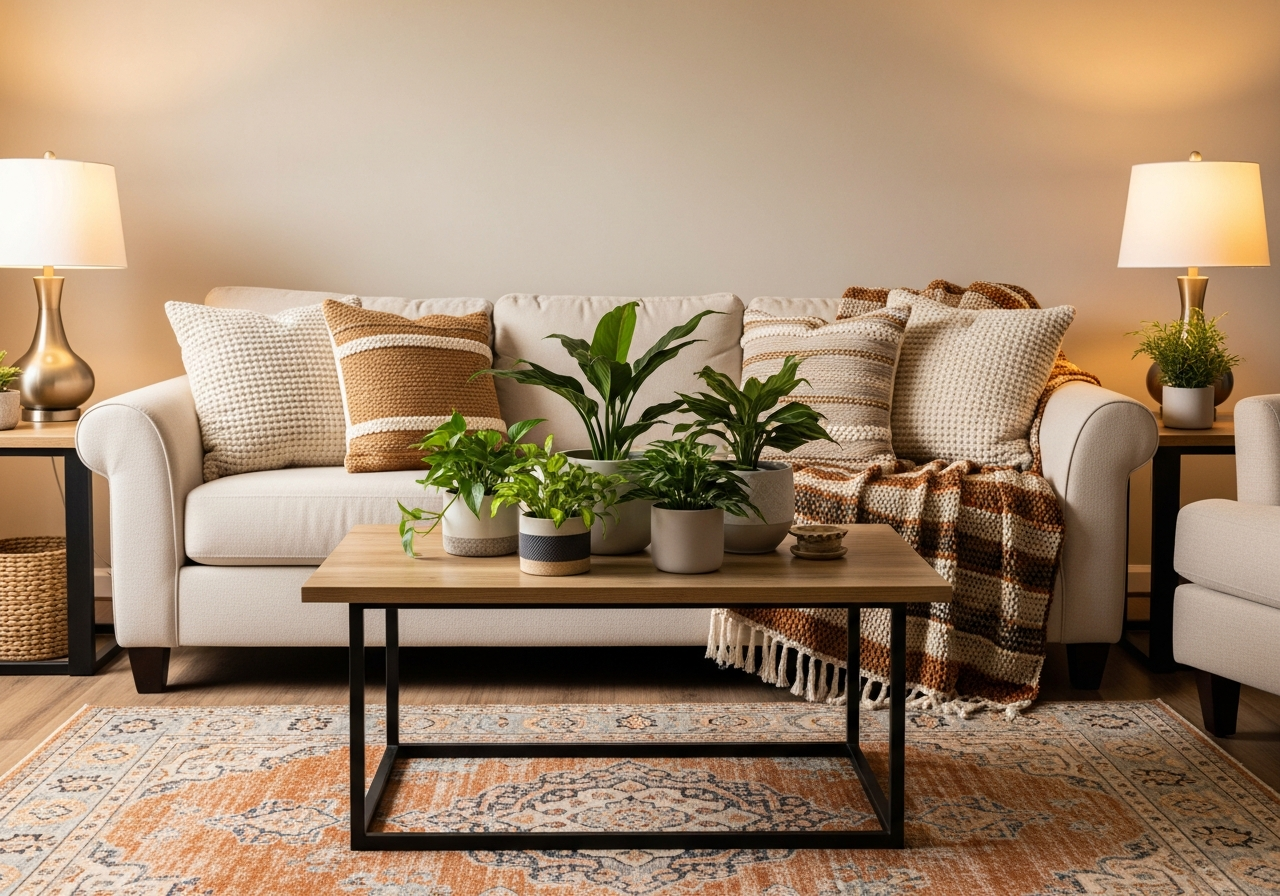
The living room is, in many ways, the true heart of a home – the place where daily life plays out, guests feel welcome, and comfort is simply non-negotiable. In recent years, interior design has moved decisively away from cold, minimalist showrooms toward warm, inviting spaces that celebrate texture, personality, and genuine livability.
The Living Room as a Lasting Sanctuary
1. The Rise of Layered, Personal Spaces
Thoughtful furniture choices sit at the center of this shift; something as considered as selecting the right contemporary coffee tables can sharpen both the functionality and the modern sensibility of a layered seating arrangement. A handful of enduring principles, once understood, make it entirely possible to build a living room that feels both timeless and unmistakably personal.
The most compelling modern living rooms share a quality that’s difficult to manufacture: they feel lived in. Rather than matching every piece to a single aesthetic, experienced designers tend to champion a mix of heirlooms, handmade objects, and natural elements, combinations that give a room genuine emotional resonance. Picture a family that breathes life into a bland, beige space simply by introducing a vintage rug, a gallery wall of personal photographs, and a few woven throw blankets. The result isn’t a showroom; it’s a room that actually reflects their life.
A few practical ways to start layering:
Key Takeaway: Layering builds connection, start small with textiles and art, then build from there.
2. Embracing Natural Materials and Tactile Finishes
Few decisions anchor a room more effectively than choosing tactile materials drawn from the natural world. Warm woods, unlacquered metals, stone surfaces, and natural fiber textiles create atmospheres that feel grounded and authentic in a way synthetic alternatives rarely replicate. What makes these materials particularly valuable is how they age, wool and cotton breathe and hold up well over time, while stone and solid wood develop genuine character rather than simply wearing out.
A practical illustration: placing a wooden console alongside a stone accent piece in a seating nook immediately introduces visual weight and sensory richness without overwhelming the space. Craftsmanship-driven choices like these form the quiet backbone of rooms built to last.
3. Warm, Earthy Color Palettes for Enduring Appeal
Color shapes the feeling of a room more than almost any other element. Interior professionals consistently reach for earthy neutrals and nature-inspired hues -creamy off-whites, warm olives, terracotta, deep muted blues, over cooler, starker tones that tend to date quickly. Analogous color schemes, which draw from adjacent positions on the color wheel, produce cohesive and calming results when layered thoughtfully across walls, upholstery, and accessories.
Aspect
Cool Palettes (Outdated)
Warm Palettes (Timeless)
Mood
Sterile, distant
Inviting, grounded
Examples
Stark whites, cool grays
Earthy tones, soft neutrals
Best For
Showrooms
Daily living
4. Furniture Choices That Prioritize Comfort and Purpose
Deep seating, enveloping shapes, and multifunctional pieces define the furniture in rooms that are genuinely livable. Clearly defined zones for conversation, reading, and relaxation consistently outperform vast, undifferentiated open plans when it comes to creating intimacy and a sense of natural flow.
Four practical guidelines for comfort-driven furniture selection:
5. Enhancing Walls with Texture and Expression
Walls hold far more potential than most people take advantage of. Textured wallpapers, plaster effects, and grasscloth treatments introduce a depth that paint alone simply cannot achieve. A bold, textured feature wall pairs surprisingly well with neutral furnishings, creating balance rather than visual noise. Historically, material-inspired wall treatments, from hand-applied plaster to woven grass panels, have proven remarkably enduring, in large part because they engage multiple senses at once rather than just providing a backdrop.
6. Building a Room That Lasts
Timeless living rooms share a common foundation: warmth, texture, and personal intent. Small, deliberate choices, a natural fiber rug here, a layered color palette there, accumulate over time into spaces that feel genuinely inhabited and enduringly comfortable. No sweeping renovation is required; in fact, incremental improvements tend to produce the most authentic results. Take a fresh look at your space today, identify one area that could use a little more warmth, and start layering from there.
Share this:
Like this: