There are mountains that make you feel small, and then there are mountains that make you stop completely. The Dolomites belong to the second kind.
Rising dramatically across northern Italy, the Dolomites are a landscape of towering limestone peaks, emerald valleys, alpine meadows, glassy lakes and tiny mountain villages. At sunrise, the mountains can glow soft pink before turning golden, while in the evening they seem to catch fire beneath the fading light. This extraordinary phenomenon, known as Enrosadira or alpenglow, is one of the landscapes’ most unforgettable moments.
But the Dolomites are not simply somewhere to admire from a viewpoint. They are a place to walk, explore, eat, sleep deeply, breathe mountain air and spend long afternoons surrounded by scenery that almost does not look real.
From glamorous Cortina d’Ampezzo to the peaceful valleys of Alta Badia and Val Gardena, the region offers a beautiful combination of adventure and indulgence. You can spend the morning hiking beneath enormous peaks, enjoy lunch at a mountain hut and finish the afternoon beside an alpine lake.
Whether you are planning a summer hiking adventure, a romantic mountain escape or a winter holiday surrounded by snow, the Dolomites have a way of making ordinary days feel extraordinary.
Why Visit the Dolomites?
The first reason is obvious. The scenery is spectacular.
The Dolomites are part of a UNESCO World Heritage landscape recognised for their extraordinary geological and natural value. Their pale limestone rock creates dramatic vertical walls, jagged pinnacles and enormous mountain groups that look completely different from softer Alpine landscapes elsewhere in Europe.
Yet the beauty of the Dolomites is not limited to the mountains themselves. Between the peaks are green valleys, forests, flower-filled meadows, traditional farms and villages where Italian and Alpine influences meet.
There is also a wonderful sense of contrast. One moment you can be standing in a sophisticated mountain town with elegant hotels and restaurants. A short drive later, you might find yourself on a quiet trail with nothing but wildflowers, birds and enormous peaks surrounding you.
For travellers who love active holidays, the region offers hiking, climbing, cycling, mountain biking and via ferrata experiences. For those who prefer slower adventures, there are scenic lifts, alpine lakes, spas, mountain restaurants and peaceful valleys to explore.
The best time to visit depends entirely on what you want from the mountains.
Summer is the most popular season for hiking. From June through September, many trails become accessible, mountain lifts operate and the alpine meadows fill with colour. The higher you go, the more dramatic the scenery becomes, and the long days give you plenty of time to explore.
Late spring can be beautiful at lower elevations, particularly when wildflowers begin appearing across the meadows. The official Dolomites tourism resources note that between April and June, the landscape comes alive with alpine flowers including gentians, rhododendrons and edelweiss.
Autumn is one of the most beautiful times for a quieter visit. The crowds begin to thin, the forests take on golden and copper tones and the mountains often look particularly dramatic beneath the changing light.
Winter transforms the region completely. Snow covers the valleys and peaks, villages glow with festive atmosphere and the Dolomites become one of Europe’s most beautiful destinations for skiing and other winter mountain experiences.
If you are visiting outside summer, always check local mountain and lift conditions before planning specific hikes because weather and access can change quickly.
Explore Cortina d’Ampezzo
Cortina d’Ampezzo is perhaps the most famous destination in the Dolomites and one of the best places to begin exploring the region.
Photo by Viliam Kudelka
Known for its dramatic mountain setting, elegant centre and long connection with winter sports, Cortina combines Alpine scenery with a distinctly sophisticated atmosphere.
Spend some time wandering through the town before heading into the mountains. The surrounding landscape includes the Tofana peaks, Cinque Torri, Cristallo and other spectacular formations, while the nearby natural park offers forests, streams, lakes and waterfalls.
Cortina is particularly appealing if you want a holiday that combines outdoor adventure with beautiful accommodation, restaurants and a little luxury.
It is also an excellent base for hiking. The area has more than 400 kilometres of trails, ranging from gentle walks to challenging mountain routes.
Discover Val Gardena
Val Gardena is one of the Dolomites’ most beautiful valleys and an excellent destination for travellers who want dramatic scenery combined with charming villages.
Ortisei, Santa Cristina and Selva di Val Gardena each offer a slightly different experience, but all are surrounded by enormous mountain landscapes.
The valley is particularly famous for hiking, skiing and its connection to the Ladin culture of the Dolomites. Traditional architecture, local food and mountain traditions give the area a character that feels distinctly different from the cities of northern Italy.
Spend a few days here and allow yourself to explore without rushing. Take a lift into the mountains, walk through the meadows, stop at a mountain hut and return to the village in the late afternoon when the peaks begin changing colour.
Experience Alta Badia
Alta Badia is another spectacular part of the Dolomites, surrounded by some of the region’s most recognisable peaks.
The villages of Corvara, San Cassiano and La Villa offer a wonderful combination of mountain scenery, outdoor activities and excellent food.
The area is also deeply connected to Ladin culture, which gives the region its own traditions, language and cuisine.
For cyclists and road-trip travellers, the mountain passes around Alta Badia are particularly spectacular. The famous Sellaronda connects four major passes around the Sella massif and is celebrated as a route for skiing, hiking and cycling.
Even if you are not interested in completing the entire route, driving through the passes can be one of the most memorable ways to experience the landscape.
Visit Lago di Braies
Lago di Braies, or Lake Braies, is one of the most recognisable landscapes in the Dolomites.
The lake sits beneath enormous mountain walls and is known for its striking turquoise and emerald water. On calm mornings, the surrounding peaks can reflect beautifully across the surface.
It is an easy place to understand why the Dolomites have become so popular on social media, but the real experience is much better than a photograph.
Arrive early if possible and take time to walk around the lake rather than simply stopping for a picture. The changing light can completely transform the scenery.
The Dolomites are filled with beautiful alpine lakes, including Lake Misurina, Lake Sorapiss, Lake Federa, Lake Alleghe and Lake Fedaia.
Photo by Gabriel Hebert
Hike Through the Mountains
Walking is perhaps the best way to understand the Dolomites.
From gentle valley paths to challenging high-altitude routes, there are trails for different abilities and interests. Around Cortina alone, more than 400 kilometres of hiking routes offer everything from relaxed scenic walks to demanding mountain adventures.
One of the great pleasures of hiking here is that the landscape changes constantly. A trail might begin beneath dense forest before opening into an alpine meadow, then continue towards a mountain hut with enormous peaks rising above you.
Photo by Gildo Cancelli
You do not need to be an experienced mountaineer to enjoy the region. Many trails are accessible to ordinary travellers with reasonable fitness, while more challenging routes should be approached with appropriate preparation and local guidance.
Mountain huts are also an important part of the experience. They provide somewhere to rest, enjoy traditional food and take in the scenery before continuing your journey.
For travellers looking for something more adventurous, the Dolomites are one of Europe’s great destinations for via ferrata.
These protected mountain routes use fixed cables, ladders and other equipment to help climbers navigate steep sections of rock. Some routes are suitable for experienced hikers, while others are significantly more demanding.
Via ferrata also has an important historical connection to the Dolomites, with many routes linked to the mountain warfare of the First World War.
If you are unfamiliar with the activity, do not simply set out alone. Mountain guides can provide equipment, route knowledge and safety guidance, making the experience much more enjoyable.
Discover the Great Dolomite Passes
Some of the most memorable moments in the Dolomites happen from behind the wheel.
Mountain passes wind through enormous peaks, connecting valleys and villages while offering viewpoints that seem to appear around every corner.
Passo Gardena, Passo Sella, Passo Pordoi and Passo Campolongo form the famous Sellaronda circuit around the Sella massif. The roads are particularly spectacular in good weather, although cyclists and motorcyclists also make the passes popular.
Passo Giau is another unforgettable drive, with dramatic views towards the surrounding mountain groups.
Take your time. Stop at viewpoints, walk a little and allow the landscape to become part of the journey rather than treating the road simply as a way to reach the next destination.
Slow Down Beside the Alpine Lakes
The Dolomites are not all about climbing higher.
Some of the most beautiful moments can be found beside the water.
Lake Misurina sits beneath a dramatic mountain backdrop and is particularly beautiful when the peaks reflect across its surface. Lake Federa offers another peaceful setting, while Lake Limides near Cortina provides a smaller and more intimate mountain experience.
The official Dolomites tourism resources describe numerous lakes throughout the region, many surrounded by forests and peaks.
Bring a picnic, sit beside the water and let yourself stay longer than planned.
This is one of the places where slowing down feels just as rewarding as exploring.
Eat Your Way Through the Dolomites
Food in the Dolomites reflects the region’s fascinating cultural position between Italy and the Alps.
You will find Italian favourites alongside Ladin, South Tyrolean and Austrian influences. Mountain food tends to be hearty, comforting and designed for people who have spent the day outside.
Look for dishes featuring speck, local cheeses, dumplings, polenta, mushrooms and seasonal ingredients. Pasta is still very much part of the experience, but mountain cuisine often has a character of its own.
One of the best places to eat is a traditional rifugio, or mountain hut. After several hours on a trail, sitting down to a warm meal with a panoramic view can feel like one of the greatest luxuries imaginable.
The food tastes even better when you have earned it.
Choosing where to stay depends on the kind of experience you want.
Cortina d’Ampezzo is ideal if you want a stylish mountain town with restaurants, shops, luxury hotels and easy access to spectacular hiking.
Val Gardena is perfect for travellers who want a traditional Alpine valley with excellent access to trails and lifts. Ortisei is particularly charming for couples and first-time visitors.
Alta Badia is a wonderful choice for food lovers, cyclists and travellers who want a quieter mountain atmosphere.
If you prefer a more peaceful escape, look beyond the most famous towns and consider a smaller village or mountain property. Waking up to peaks outside your window and having breakfast while the landscape slowly brightens can become one of the defining memories of the trip.
For a little inspiration on what to wear for a stylish mountain escape, eleSTYLED has plenty of ideas for creating a practical but polished travel wardrobe.
How to Get Around the Dolomites
A car gives you the greatest flexibility, particularly if you want to explore several valleys and drive the mountain passes.
It allows you to move between villages at your own pace and stop whenever you find a viewpoint worth exploring. However, mountain roads can be narrow, steep and winding, so take your time and check conditions before setting out.
Public transport can also be useful, particularly in the larger tourist areas where buses connect villages and mountain destinations.
Lifts are another important part of getting around during the warmer months. They can take you quickly into higher areas, making spectacular scenery accessible without requiring every visitor to complete a major climb.
For longer hikes or unfamiliar terrain, consider using a local mountain guide. Official tourism information specifically recommends professional guides for getting the most from more demanding excursions safely.
A Beautiful Three-Day Dolomites Itinerary
Three days will only give you a taste of the Dolomites, but it can still be spectacular.
Begin in Cortina d’Ampezzo and spend your first day exploring the town and surrounding mountains. Depending on your fitness and the weather, choose a gentle trail or take a lift into the mountains for panoramic views.
On the second day, make your way towards one of the region’s famous lakes, such as Lago di Braies or Lake Misurina. Give yourself time to walk around the water and enjoy the landscape rather than trying to fit too many stops into one day.
Spend your third day exploring one of the mountain passes and nearby villages. A scenic drive through the Dolomites can be just as memorable as a hike, particularly when the mountains are glowing beneath the afternoon sun.
The key is to resist the temptation to see everything. The Dolomites are best experienced slowly.
A Longer Dolomites Road Trip
With five to seven days, you can create a much more relaxed itinerary.
Begin around Cortina and explore the surrounding peaks and lakes before moving towards Alta Badia. From there, continue through the mountain passes towards Val Gardena and spend several nights enjoying the valley.
This gives you enough time for hiking, scenic drives, mountain huts, village walks and slow evenings without constantly packing and unpacking.
A longer trip also gives you flexibility when weather changes, which is particularly important in the mountains.
If one morning brings rain, simply change your plans. Enjoy a long lunch, visit a village or spend time at your hotel before heading outside when the weather improves.
The Dolomites in Winter
When snow arrives, the Dolomites become a completely different world.
The jagged peaks rise above white valleys, villages become cosy Alpine retreats and ski areas open across the mountains.
Skiing and snowboarding are obvious reasons to visit, but you do not need to be a serious skier to enjoy winter here. Snowshoeing, winter walks, scenic lifts, wellness experiences and long lunches beside a fireplace can be just as appealing.
Cortina and the Val Gardena area are particularly well known for winter holidays, offering a combination of dramatic scenery, mountain activities and sophisticated accommodation.
Winter also creates a quieter rhythm. After a day outside in the cold, returning to a warm hotel, enjoying a long dinner and watching snow fall outside the window can be wonderfully romantic.
What to Pack for the Dolomites
Packing depends heavily on the season, but layers are essential.
For summer, bring comfortable hiking shoes, breathable clothing, a light waterproof jacket, warm layers, sunglasses, sunscreen and a small backpack. Mountain weather can change quickly, so even warm days can become cool at higher elevations.
For autumn and spring, add warmer layers and waterproof footwear.
Winter requires proper cold-weather clothing, including insulated footwear, a warm jacket, gloves, a hat and thermal layers.
Regardless of season, a reusable water bottle and a small daypack are useful for mountain days.
The most important thing is to pack for the activities you actually plan to do rather than trying to create one outfit for every possible situation.
Travel Responsibly in the Dolomites
The Dolomites are extraordinarily beautiful, but that beauty also makes responsible travel important.
Stay on marked trails, follow local regulations and avoid disturbing wildlife or alpine plants. Do not leave rubbish behind and take particular care around fragile meadows and mountain environments.
If you are visiting popular lakes or viewpoints, consider arriving early or travelling outside the busiest periods. This can make your experience more peaceful while reducing pressure on popular locations.
Supporting local businesses is another meaningful way to travel. Choose locally owned accommodation, mountain huts, restaurants and guides where possible.
The goal is not simply to photograph the Dolomites.
It is to leave them beautiful enough for someone else to fall in love with them too.
Why the Dolomites Are Perfect for Slow Travel
The Dolomites may be one of Europe’s great adventure destinations, but they are equally wonderful for slow travel.
You can spend an entire morning walking a short trail because the view is too beautiful to leave. You can sit beside an alpine lake for an hour. You can stop for lunch at a mountain hut and watch clouds move between the peaks.
There is no need to turn every day into a challenge.
The mountains encourage you to notice small things. The sound of cowbells across a meadow. Wildflowers beside a trail. The smell of pine trees after rain. The changing colour of the mountains at sunset.
These are often the moments that stay with you longest.
Frequently Asked Questions
How many days do you need in the Dolomites?
Three days is enough for a short introduction, but five to seven days is much better. A week allows you to explore several valleys, enjoy a few hikes, visit alpine lakes and take scenic mountain drives without constantly rushing.
What is the best time to visit the Dolomites?
Summer is ideal for hiking and outdoor activities, while autumn offers beautiful colours and fewer crowds. Winter is perfect for skiing and snow experiences. Spring can be lovely at lower elevations, particularly when the alpine flowers begin appearing.
Are the Dolomites suitable for beginner hikers?
Yes. There are many easier trails and scenic walks, particularly around the major tourist areas. However, mountain conditions can change quickly, so always choose routes appropriate to your ability and check local conditions before setting out.
Is Cortina d’Ampezzo worth visiting?
Absolutely. Cortina is one of the most famous destinations in the Dolomites and offers an excellent combination of dramatic scenery, hiking, skiing, restaurants, hotels and easy access to surrounding mountain attractions.
Do you need a car in the Dolomites?
A car is useful if you want to explore several valleys and mountain passes independently. However, buses and lifts can make public transport a practical option in some areas.
What are the most beautiful lakes in the Dolomites?
Lago di Braies, Lake Misurina, Lake Sorapiss, Lake Federa, Lake Fedaia and Lake Alleghe are among the most beautiful and well-known lakes in the region.
What food should you try in the Dolomites?
Try local cheeses, speck, polenta, dumplings, seasonal mushrooms and traditional Ladin and South Tyrolean dishes. Eating at a mountain hut is one of the most memorable ways to experience the local cuisine.
Are the Dolomites good for couples?
Yes. Beautiful mountain hotels, peaceful lakes, scenic drives, cosy restaurants and spectacular sunsets make the Dolomites an especially romantic destination.
Where to Next?
If the dramatic landscapes of northern Italy have inspired you to explore more of the country, continue with Travel Guide to the Cinque Terre, Italy. Its colourful villages, rugged coastline and Mediterranean atmosphere offer a beautiful contrast to the mountains.
For another Italian escape filled with beautiful landscapes and exceptional food, The Ultimate Travel Guide to Puglia takes you south to whitewashed towns, olive groves and turquoise coastlines.
For a completely different kind of mountain adventure, The Ultimate Guide to Cold Climate Adventures is a natural next read for travellers who love dramatic landscapes and colder destinations.
The Dolomites are the kind of destination that can make you question whether the view in front of you is actually real.
The mountains rise like sculptures above green valleys. Lakes reflect enormous peaks. Tiny villages sit beneath cliffs, and at sunset the entire landscape can turn shades of pink, orange and gold.
But the Dolomites are not memorable simply because they are beautiful.
They are memorable because of how they make you feel.
They make you want to walk a little further. Stay outside a little longer. Eat slowly. Wake up early for sunrise. Stop beside a lake. Take the scenic road. Sit beneath a mountain and realise that there is nowhere else you would rather be.


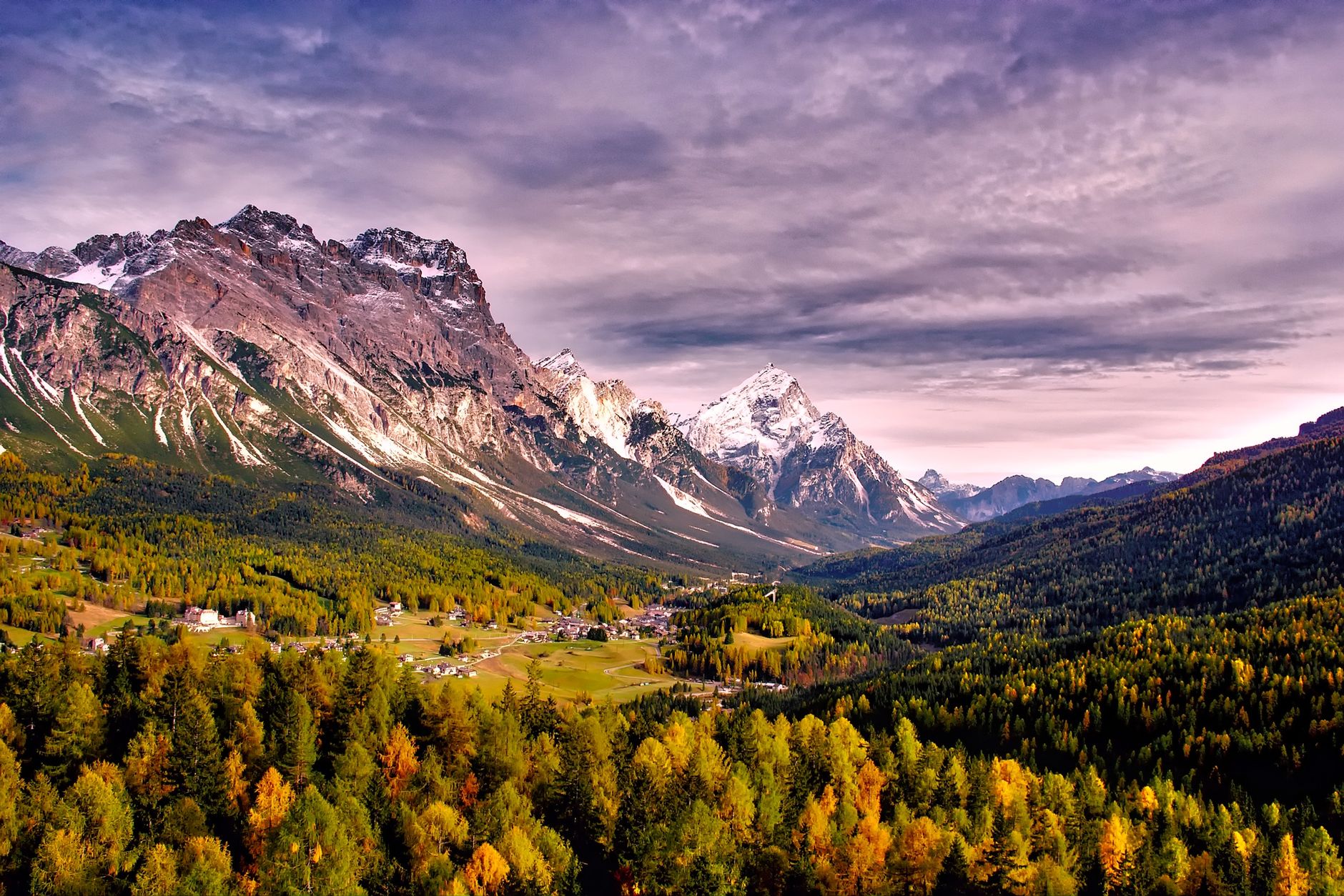
There are mountains that make you feel small, and then there are mountains that make you stop completely. The Dolomites belong to the second kind.
Rising dramatically across northern Italy, the Dolomites are a landscape of towering limestone peaks, emerald valleys, alpine meadows, glassy lakes and tiny mountain villages. At sunrise, the mountains can glow soft pink before turning golden, while in the evening they seem to catch fire beneath the fading light. This extraordinary phenomenon, known as Enrosadira or alpenglow, is one of the landscapes’ most unforgettable moments.
But the Dolomites are not simply somewhere to admire from a viewpoint. They are a place to walk, explore, eat, sleep deeply, breathe mountain air and spend long afternoons surrounded by scenery that almost does not look real.
From glamorous Cortina d’Ampezzo to the peaceful valleys of Alta Badia and Val Gardena, the region offers a beautiful combination of adventure and indulgence. You can spend the morning hiking beneath enormous peaks, enjoy lunch at a mountain hut and finish the afternoon beside an alpine lake.
Whether you are planning a summer hiking adventure, a romantic mountain escape or a winter holiday surrounded by snow, the Dolomites have a way of making ordinary days feel extraordinary.
Why Visit the Dolomites?
The first reason is obvious. The scenery is spectacular.
The Dolomites are part of a UNESCO World Heritage landscape recognised for their extraordinary geological and natural value. Their pale limestone rock creates dramatic vertical walls, jagged pinnacles and enormous mountain groups that look completely different from softer Alpine landscapes elsewhere in Europe.
Yet the beauty of the Dolomites is not limited to the mountains themselves. Between the peaks are green valleys, forests, flower-filled meadows, traditional farms and villages where Italian and Alpine influences meet.
There is also a wonderful sense of contrast. One moment you can be standing in a sophisticated mountain town with elegant hotels and restaurants. A short drive later, you might find yourself on a quiet trail with nothing but wildflowers, birds and enormous peaks surrounding you.
For travellers who love active holidays, the region offers hiking, climbing, cycling, mountain biking and via ferrata experiences. For those who prefer slower adventures, there are scenic lifts, alpine lakes, spas, mountain restaurants and peaceful valleys to explore.
If adventure is part of your travel personality, Get Fit and Explore: 8 Amazing Destinations for Adventure Travellers is a natural next read.
When Is the Best Time to Visit the Dolomites?
The best time to visit depends entirely on what you want from the mountains.
Summer is the most popular season for hiking. From June through September, many trails become accessible, mountain lifts operate and the alpine meadows fill with colour. The higher you go, the more dramatic the scenery becomes, and the long days give you plenty of time to explore.
Late spring can be beautiful at lower elevations, particularly when wildflowers begin appearing across the meadows. The official Dolomites tourism resources note that between April and June, the landscape comes alive with alpine flowers including gentians, rhododendrons and edelweiss.
Autumn is one of the most beautiful times for a quieter visit. The crowds begin to thin, the forests take on golden and copper tones and the mountains often look particularly dramatic beneath the changing light.
Winter transforms the region completely. Snow covers the valleys and peaks, villages glow with festive atmosphere and the Dolomites become one of Europe’s most beautiful destinations for skiing and other winter mountain experiences.
If you are visiting outside summer, always check local mountain and lift conditions before planning specific hikes because weather and access can change quickly.
Explore Cortina d’Ampezzo
Cortina d’Ampezzo is perhaps the most famous destination in the Dolomites and one of the best places to begin exploring the region.
Known for its dramatic mountain setting, elegant centre and long connection with winter sports, Cortina combines Alpine scenery with a distinctly sophisticated atmosphere.
Spend some time wandering through the town before heading into the mountains. The surrounding landscape includes the Tofana peaks, Cinque Torri, Cristallo and other spectacular formations, while the nearby natural park offers forests, streams, lakes and waterfalls.
Cortina is particularly appealing if you want a holiday that combines outdoor adventure with beautiful accommodation, restaurants and a little luxury.
It is also an excellent base for hiking. The area has more than 400 kilometres of trails, ranging from gentle walks to challenging mountain routes.
Discover Val Gardena
Val Gardena is one of the Dolomites’ most beautiful valleys and an excellent destination for travellers who want dramatic scenery combined with charming villages.
Ortisei, Santa Cristina and Selva di Val Gardena each offer a slightly different experience, but all are surrounded by enormous mountain landscapes.
The valley is particularly famous for hiking, skiing and its connection to the Ladin culture of the Dolomites. Traditional architecture, local food and mountain traditions give the area a character that feels distinctly different from the cities of northern Italy.
Spend a few days here and allow yourself to explore without rushing. Take a lift into the mountains, walk through the meadows, stop at a mountain hut and return to the village in the late afternoon when the peaks begin changing colour.
Experience Alta Badia
Alta Badia is another spectacular part of the Dolomites, surrounded by some of the region’s most recognisable peaks.
The villages of Corvara, San Cassiano and La Villa offer a wonderful combination of mountain scenery, outdoor activities and excellent food.
The area is also deeply connected to Ladin culture, which gives the region its own traditions, language and cuisine.
For cyclists and road-trip travellers, the mountain passes around Alta Badia are particularly spectacular. The famous Sellaronda connects four major passes around the Sella massif and is celebrated as a route for skiing, hiking and cycling.
Even if you are not interested in completing the entire route, driving through the passes can be one of the most memorable ways to experience the landscape.
Visit Lago di Braies
Lago di Braies, or Lake Braies, is one of the most recognisable landscapes in the Dolomites.
The lake sits beneath enormous mountain walls and is known for its striking turquoise and emerald water. On calm mornings, the surrounding peaks can reflect beautifully across the surface.
It is an easy place to understand why the Dolomites have become so popular on social media, but the real experience is much better than a photograph.
Arrive early if possible and take time to walk around the lake rather than simply stopping for a picture. The changing light can completely transform the scenery.
The Dolomites are filled with beautiful alpine lakes, including Lake Misurina, Lake Sorapiss, Lake Federa, Lake Alleghe and Lake Fedaia.
Hike Through the Mountains
Walking is perhaps the best way to understand the Dolomites.
From gentle valley paths to challenging high-altitude routes, there are trails for different abilities and interests. Around Cortina alone, more than 400 kilometres of hiking routes offer everything from relaxed scenic walks to demanding mountain adventures.
One of the great pleasures of hiking here is that the landscape changes constantly. A trail might begin beneath dense forest before opening into an alpine meadow, then continue towards a mountain hut with enormous peaks rising above you.
You do not need to be an experienced mountaineer to enjoy the region. Many trails are accessible to ordinary travellers with reasonable fitness, while more challenging routes should be approached with appropriate preparation and local guidance.
Mountain huts are also an important part of the experience. They provide somewhere to rest, enjoy traditional food and take in the scenery before continuing your journey.
If you love active travel combined with spectacular landscapes, Bucket List Adventure Travel Experiences offers plenty of inspiration beyond the Dolomites.
Try a Via Ferrata
For travellers looking for something more adventurous, the Dolomites are one of Europe’s great destinations for via ferrata.
These protected mountain routes use fixed cables, ladders and other equipment to help climbers navigate steep sections of rock. Some routes are suitable for experienced hikers, while others are significantly more demanding.
Via ferrata also has an important historical connection to the Dolomites, with many routes linked to the mountain warfare of the First World War.
If you are unfamiliar with the activity, do not simply set out alone. Mountain guides can provide equipment, route knowledge and safety guidance, making the experience much more enjoyable.
Discover the Great Dolomite Passes
Some of the most memorable moments in the Dolomites happen from behind the wheel.
Mountain passes wind through enormous peaks, connecting valleys and villages while offering viewpoints that seem to appear around every corner.
Passo Gardena, Passo Sella, Passo Pordoi and Passo Campolongo form the famous Sellaronda circuit around the Sella massif. The roads are particularly spectacular in good weather, although cyclists and motorcyclists also make the passes popular.
Passo Giau is another unforgettable drive, with dramatic views towards the surrounding mountain groups.
Take your time. Stop at viewpoints, walk a little and allow the landscape to become part of the journey rather than treating the road simply as a way to reach the next destination.
Slow Down Beside the Alpine Lakes
The Dolomites are not all about climbing higher.
Some of the most beautiful moments can be found beside the water.
Lake Misurina sits beneath a dramatic mountain backdrop and is particularly beautiful when the peaks reflect across its surface. Lake Federa offers another peaceful setting, while Lake Limides near Cortina provides a smaller and more intimate mountain experience.
The official Dolomites tourism resources describe numerous lakes throughout the region, many surrounded by forests and peaks.
Bring a picnic, sit beside the water and let yourself stay longer than planned.
This is one of the places where slowing down feels just as rewarding as exploring.
Eat Your Way Through the Dolomites
Food in the Dolomites reflects the region’s fascinating cultural position between Italy and the Alps.
You will find Italian favourites alongside Ladin, South Tyrolean and Austrian influences. Mountain food tends to be hearty, comforting and designed for people who have spent the day outside.
Look for dishes featuring speck, local cheeses, dumplings, polenta, mushrooms and seasonal ingredients. Pasta is still very much part of the experience, but mountain cuisine often has a character of its own.
One of the best places to eat is a traditional rifugio, or mountain hut. After several hours on a trail, sitting down to a warm meal with a panoramic view can feel like one of the greatest luxuries imaginable.
The food tastes even better when you have earned it.
For another Italian destination where food is an essential part of the journey, Sicily Uncovered: The Best Beaches, Towns, Food and Experiences on the Island offers a completely different side of Italy. Eat Live Escape
Where to Stay in the Dolomites
Choosing where to stay depends on the kind of experience you want.
Cortina d’Ampezzo is ideal if you want a stylish mountain town with restaurants, shops, luxury hotels and easy access to spectacular hiking.
Val Gardena is perfect for travellers who want a traditional Alpine valley with excellent access to trails and lifts. Ortisei is particularly charming for couples and first-time visitors.
Alta Badia is a wonderful choice for food lovers, cyclists and travellers who want a quieter mountain atmosphere.
If you prefer a more peaceful escape, look beyond the most famous towns and consider a smaller village or mountain property. Waking up to peaks outside your window and having breakfast while the landscape slowly brightens can become one of the defining memories of the trip.
For a little inspiration on what to wear for a stylish mountain escape, eleSTYLED has plenty of ideas for creating a practical but polished travel wardrobe.
How to Get Around the Dolomites
A car gives you the greatest flexibility, particularly if you want to explore several valleys and drive the mountain passes.
It allows you to move between villages at your own pace and stop whenever you find a viewpoint worth exploring. However, mountain roads can be narrow, steep and winding, so take your time and check conditions before setting out.
Public transport can also be useful, particularly in the larger tourist areas where buses connect villages and mountain destinations.
Lifts are another important part of getting around during the warmer months. They can take you quickly into higher areas, making spectacular scenery accessible without requiring every visitor to complete a major climb.
For longer hikes or unfamiliar terrain, consider using a local mountain guide. Official tourism information specifically recommends professional guides for getting the most from more demanding excursions safely.
A Beautiful Three-Day Dolomites Itinerary
Three days will only give you a taste of the Dolomites, but it can still be spectacular.
Begin in Cortina d’Ampezzo and spend your first day exploring the town and surrounding mountains. Depending on your fitness and the weather, choose a gentle trail or take a lift into the mountains for panoramic views.
On the second day, make your way towards one of the region’s famous lakes, such as Lago di Braies or Lake Misurina. Give yourself time to walk around the water and enjoy the landscape rather than trying to fit too many stops into one day.
Spend your third day exploring one of the mountain passes and nearby villages. A scenic drive through the Dolomites can be just as memorable as a hike, particularly when the mountains are glowing beneath the afternoon sun.
The key is to resist the temptation to see everything. The Dolomites are best experienced slowly.
A Longer Dolomites Road Trip
With five to seven days, you can create a much more relaxed itinerary.
Begin around Cortina and explore the surrounding peaks and lakes before moving towards Alta Badia. From there, continue through the mountain passes towards Val Gardena and spend several nights enjoying the valley.
This gives you enough time for hiking, scenic drives, mountain huts, village walks and slow evenings without constantly packing and unpacking.
A longer trip also gives you flexibility when weather changes, which is particularly important in the mountains.
If one morning brings rain, simply change your plans. Enjoy a long lunch, visit a village or spend time at your hotel before heading outside when the weather improves.
The Dolomites in Winter
When snow arrives, the Dolomites become a completely different world.
The jagged peaks rise above white valleys, villages become cosy Alpine retreats and ski areas open across the mountains.
Skiing and snowboarding are obvious reasons to visit, but you do not need to be a serious skier to enjoy winter here. Snowshoeing, winter walks, scenic lifts, wellness experiences and long lunches beside a fireplace can be just as appealing.
Cortina and the Val Gardena area are particularly well known for winter holidays, offering a combination of dramatic scenery, mountain activities and sophisticated accommodation.
Winter also creates a quieter rhythm. After a day outside in the cold, returning to a warm hotel, enjoying a long dinner and watching snow fall outside the window can be wonderfully romantic.
What to Pack for the Dolomites
Packing depends heavily on the season, but layers are essential.
For summer, bring comfortable hiking shoes, breathable clothing, a light waterproof jacket, warm layers, sunglasses, sunscreen and a small backpack. Mountain weather can change quickly, so even warm days can become cool at higher elevations.
For autumn and spring, add warmer layers and waterproof footwear.
Winter requires proper cold-weather clothing, including insulated footwear, a warm jacket, gloves, a hat and thermal layers.
Regardless of season, a reusable water bottle and a small daypack are useful for mountain days.
The most important thing is to pack for the activities you actually plan to do rather than trying to create one outfit for every possible situation.
Travel Responsibly in the Dolomites
The Dolomites are extraordinarily beautiful, but that beauty also makes responsible travel important.
Stay on marked trails, follow local regulations and avoid disturbing wildlife or alpine plants. Do not leave rubbish behind and take particular care around fragile meadows and mountain environments.
If you are visiting popular lakes or viewpoints, consider arriving early or travelling outside the busiest periods. This can make your experience more peaceful while reducing pressure on popular locations.
Supporting local businesses is another meaningful way to travel. Choose locally owned accommodation, mountain huts, restaurants and guides where possible.
The goal is not simply to photograph the Dolomites.
It is to leave them beautiful enough for someone else to fall in love with them too.
Why the Dolomites Are Perfect for Slow Travel
The Dolomites may be one of Europe’s great adventure destinations, but they are equally wonderful for slow travel.
You can spend an entire morning walking a short trail because the view is too beautiful to leave. You can sit beside an alpine lake for an hour. You can stop for lunch at a mountain hut and watch clouds move between the peaks.
There is no need to turn every day into a challenge.
The mountains encourage you to notice small things. The sound of cowbells across a meadow. Wildflowers beside a trail. The smell of pine trees after rain. The changing colour of the mountains at sunset.
These are often the moments that stay with you longest.
Frequently Asked Questions
How many days do you need in the Dolomites?
Three days is enough for a short introduction, but five to seven days is much better. A week allows you to explore several valleys, enjoy a few hikes, visit alpine lakes and take scenic mountain drives without constantly rushing.
What is the best time to visit the Dolomites?
Summer is ideal for hiking and outdoor activities, while autumn offers beautiful colours and fewer crowds. Winter is perfect for skiing and snow experiences. Spring can be lovely at lower elevations, particularly when the alpine flowers begin appearing.
Are the Dolomites suitable for beginner hikers?
Yes. There are many easier trails and scenic walks, particularly around the major tourist areas. However, mountain conditions can change quickly, so always choose routes appropriate to your ability and check local conditions before setting out.
Is Cortina d’Ampezzo worth visiting?
Absolutely. Cortina is one of the most famous destinations in the Dolomites and offers an excellent combination of dramatic scenery, hiking, skiing, restaurants, hotels and easy access to surrounding mountain attractions.
Do you need a car in the Dolomites?
A car is useful if you want to explore several valleys and mountain passes independently. However, buses and lifts can make public transport a practical option in some areas.
What are the most beautiful lakes in the Dolomites?
Lago di Braies, Lake Misurina, Lake Sorapiss, Lake Federa, Lake Fedaia and Lake Alleghe are among the most beautiful and well-known lakes in the region.
What food should you try in the Dolomites?
Try local cheeses, speck, polenta, dumplings, seasonal mushrooms and traditional Ladin and South Tyrolean dishes. Eating at a mountain hut is one of the most memorable ways to experience the local cuisine.
Are the Dolomites good for couples?
Yes. Beautiful mountain hotels, peaceful lakes, scenic drives, cosy restaurants and spectacular sunsets make the Dolomites an especially romantic destination.
Where to Next?
If the dramatic landscapes of northern Italy have inspired you to explore more of the country, continue with Travel Guide to the Cinque Terre, Italy. Its colourful villages, rugged coastline and Mediterranean atmosphere offer a beautiful contrast to the mountains.
For another Italian escape filled with beautiful landscapes and exceptional food, The Ultimate Travel Guide to Puglia takes you south to whitewashed towns, olive groves and turquoise coastlines.
If you are dreaming of a slower countryside escape, Inside Chapter Chianti: Tuscany’s Stylish New Countryside Escape offers another beautiful perspective on Italy, this time among vineyards, olive groves and historic countryside.
For a completely different kind of mountain adventure, The Ultimate Guide to Cold Climate Adventures is a natural next read for travellers who love dramatic landscapes and colder destinations.
And if you want to swap mountains for Mediterranean beaches, The Ultimate Travel Guide to Sardinia offers turquoise water, coastal villages, local food and a much slower island rhythm. Eat Live Escape
The Final Word
The Dolomites are the kind of destination that can make you question whether the view in front of you is actually real.
The mountains rise like sculptures above green valleys. Lakes reflect enormous peaks. Tiny villages sit beneath cliffs, and at sunset the entire landscape can turn shades of pink, orange and gold.
But the Dolomites are not memorable simply because they are beautiful.
They are memorable because of how they make you feel.
They make you want to walk a little further. Stay outside a little longer. Eat slowly. Wake up early for sunrise. Stop beside a lake. Take the scenic road. Sit beneath a mountain and realise that there is nowhere else you would rather be.
Share this:
Like this: