In the realm of interior design and home improvement, the choice of materials can significantly impact the ambiance and functionality of a space. One of the most effective ways to enhance visual appeal is through the installation of herringbone tile. This distinctive pattern offers more than just aesthetic allure; it lends a sophisticated touch that can redefine any environment. This article delves into how herringbone tile can elevate your interior design, the nuances of its installation, the aesthetic advantages it offers, and examples of spaces transformed by this classic pattern.
Elevate Your Interior Design with Herringbone Tile
The herringbone pattern, characterized by its zigzag arrangement, is a timeless choice in interior design. Its appeal lies in its ability to add depth and dimension to a room. When integrated into a herringbone tile layout, the space can appear larger and more dynamic. This is particularly beneficial in areas where space planning is crucial. Furthermore, designers often utilize herringbone patterns in conjunction with a detailed lighting plan to accentuate the texture and depth of the tiles, enhancing the overall mood of the room.
Incorporating herringbone tile into a design scheme requires careful consideration of the existing elements, such as FF&E (Furniture, Fixtures, and Equipment), to ensure a cohesive look. The versatility of herringbone allows it to complement various styles, from traditional to contemporary, making it a versatile choice for any interior project.
Mastering the Art of Herringbone Tile Installation
The installation of herringbone tile demands precision and expertise, often involving the use of CAD (Computer-Aided Design) for accurate layout planning. This process ensures that each tile is placed correctly, maintaining the integrity of the pattern. In some projects, as-built drawings are referenced to align the tile layout with existing architectural features.
Millwork professionals play a critical role during installation, especially when integrating herringbone tile with other elements like cabinetry and baseboards. Their craftsmanship ensures that the tiles fit seamlessly, minimizing gaps and maximizing visual continuity. This meticulous attention to detail is essential, especially in spaces where LEED Certification is pursued, as it reflects a commitment to quality and sustainability.
For a comprehensive guide on tile installation techniques, visit this Tile Magazine article.
The Aesthetic Impact of Herringbone Patterns
The aesthetic impact of herringbone patterns extends beyond mere visual appeal. This design choice can significantly influence the perception of space, making rooms feel more expansive. The pattern’s linear arrangement draws the eye across the room, creating a sense of movement and flow that is both dynamic and calming.
Color rendering plays a pivotal role in highlighting the beauty of herringbone patterns. By selecting tiles that contrast with or complement the room’s color scheme, designers can enhance the tactile surfaces, adding depth and interest. Herringbone tiles are often featured in mood boards during the schematic design phase, serving as a focal point that guides the overall design direction.
With careful design development, the herringbone pattern can be adapted to various applications, from flooring to feature walls, each time creating a unique visual statement.
Creative Spaces Transformed by Herringbone Tile
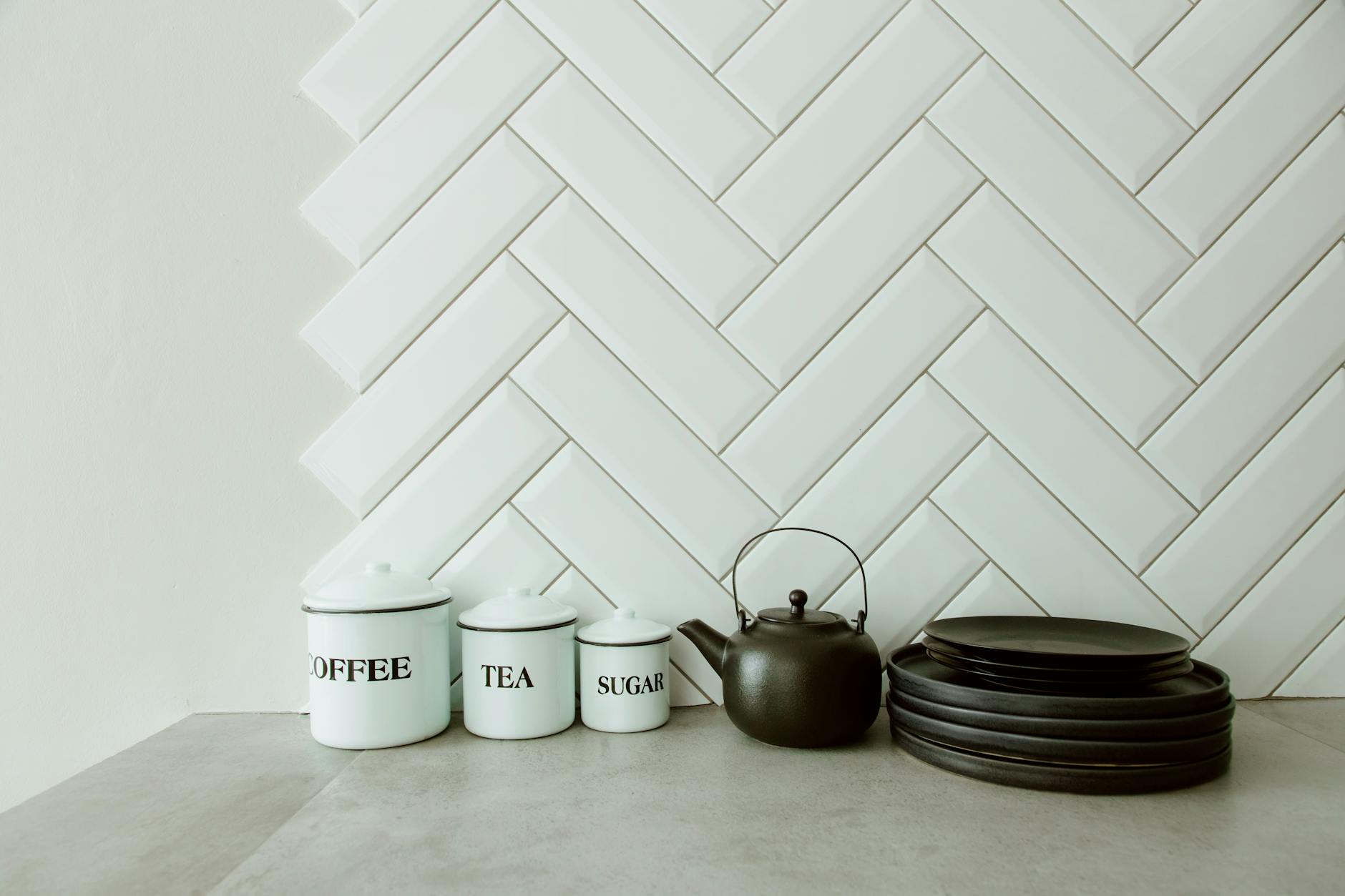
Herringbone tile has the power to transform spaces creatively, turning ordinary rooms into remarkable environments. In kitchens, this pattern can be used to create a stunning backsplash that contrasts with sleek countertops and modern appliances. By aligning the pattern with zoning regulations, designers can ensure that the transformation is both beautiful and compliant.
In living areas, herringbone floors can complement acoustic treatments, balancing aesthetics with functionality. The pattern’s ability to absorb and diffuse sound makes it an ideal choice for spaces where acoustics are a priority.
Bathrooms, too, benefit from the elegance of herringbone tile. The pattern can be used to create a feature wall or a luxurious shower enclosure, adding a touch of sophistication to these personal spaces.
Conclusion
Installing herringbone tile is more than a design choice; it’s a transformative process that can redefine your space. By considering factors like installation techniques, aesthetic impact, and creative applications, you can fully harness the potential of this classic pattern. For those in the interior design and home improvement fields, herringbone tile offers a versatile and impactful solution that balances beauty with functionality.


In the realm of interior design and home improvement, the choice of materials can significantly impact the ambiance and functionality of a space. One of the most effective ways to enhance visual appeal is through the installation of herringbone tile. This distinctive pattern offers more than just aesthetic allure; it lends a sophisticated touch that can redefine any environment. This article delves into how herringbone tile can elevate your interior design, the nuances of its installation, the aesthetic advantages it offers, and examples of spaces transformed by this classic pattern.
Elevate Your Interior Design with Herringbone Tile
The herringbone pattern, characterized by its zigzag arrangement, is a timeless choice in interior design. Its appeal lies in its ability to add depth and dimension to a room. When integrated into a herringbone tile layout, the space can appear larger and more dynamic. This is particularly beneficial in areas where space planning is crucial. Furthermore, designers often utilize herringbone patterns in conjunction with a detailed lighting plan to accentuate the texture and depth of the tiles, enhancing the overall mood of the room.
Incorporating herringbone tile into a design scheme requires careful consideration of the existing elements, such as FF&E (Furniture, Fixtures, and Equipment), to ensure a cohesive look. The versatility of herringbone allows it to complement various styles, from traditional to contemporary, making it a versatile choice for any interior project.
Mastering the Art of Herringbone Tile Installation
The installation of herringbone tile demands precision and expertise, often involving the use of CAD (Computer-Aided Design) for accurate layout planning. This process ensures that each tile is placed correctly, maintaining the integrity of the pattern. In some projects, as-built drawings are referenced to align the tile layout with existing architectural features.
Millwork professionals play a critical role during installation, especially when integrating herringbone tile with other elements like cabinetry and baseboards. Their craftsmanship ensures that the tiles fit seamlessly, minimizing gaps and maximizing visual continuity. This meticulous attention to detail is essential, especially in spaces where LEED Certification is pursued, as it reflects a commitment to quality and sustainability.
For a comprehensive guide on tile installation techniques, visit this Tile Magazine article.
The Aesthetic Impact of Herringbone Patterns
The aesthetic impact of herringbone patterns extends beyond mere visual appeal. This design choice can significantly influence the perception of space, making rooms feel more expansive. The pattern’s linear arrangement draws the eye across the room, creating a sense of movement and flow that is both dynamic and calming.
Color rendering plays a pivotal role in highlighting the beauty of herringbone patterns. By selecting tiles that contrast with or complement the room’s color scheme, designers can enhance the tactile surfaces, adding depth and interest. Herringbone tiles are often featured in mood boards during the schematic design phase, serving as a focal point that guides the overall design direction.
With careful design development, the herringbone pattern can be adapted to various applications, from flooring to feature walls, each time creating a unique visual statement.
Creative Spaces Transformed by Herringbone Tile
Herringbone tile has the power to transform spaces creatively, turning ordinary rooms into remarkable environments. In kitchens, this pattern can be used to create a stunning backsplash that contrasts with sleek countertops and modern appliances. By aligning the pattern with zoning regulations, designers can ensure that the transformation is both beautiful and compliant.
In living areas, herringbone floors can complement acoustic treatments, balancing aesthetics with functionality. The pattern’s ability to absorb and diffuse sound makes it an ideal choice for spaces where acoustics are a priority.
Bathrooms, too, benefit from the elegance of herringbone tile. The pattern can be used to create a feature wall or a luxurious shower enclosure, adding a touch of sophistication to these personal spaces.
Conclusion
Installing herringbone tile is more than a design choice; it’s a transformative process that can redefine your space. By considering factors like installation techniques, aesthetic impact, and creative applications, you can fully harness the potential of this classic pattern. For those in the interior design and home improvement fields, herringbone tile offers a versatile and impactful solution that balances beauty with functionality.
Share this:
Like this: