In the quest for a stunning kitchen makeover, homeowners are increasingly turning to materials that combine durability with aesthetic appeal. Among these, terrazzo kitchen tiles stand out for their unique ability to transform living spaces. Not only do they offer a chic, polished look, but they also enhance the functional aspects of your kitchen. This article will delve into several facets of terrazzo kitchen tile installation, including their transformative power, key features, the installation process, and their potential to boost home value.
How Terrazzo Kitchen Tiles Transform Your Space
Using terrazzo tiles can significantly alter the ambiance of your kitchen. By applying advanced Color Theory Application, designers can select terrazzo tiles that complement or contrast with existing elements to create a harmonious balance. The versatility of terrazzo allows for intricate patterns and vibrant color schemes, which can be visualized using CAD Software during the design phase. This tool aids in understanding how the tiles will fit into the overall kitchen layout, making space planning a more intuitive process.
Moreover, terrazzo’s ability to integrate seamlessly with various FF&E Budgeting considerations makes it a flexible choice for diverse design styles. This flexibility ensures that whether your kitchen style leans towards modern minimalism or classic elegance, terrazzo tiles can enhance the aesthetic without overwhelming the space.
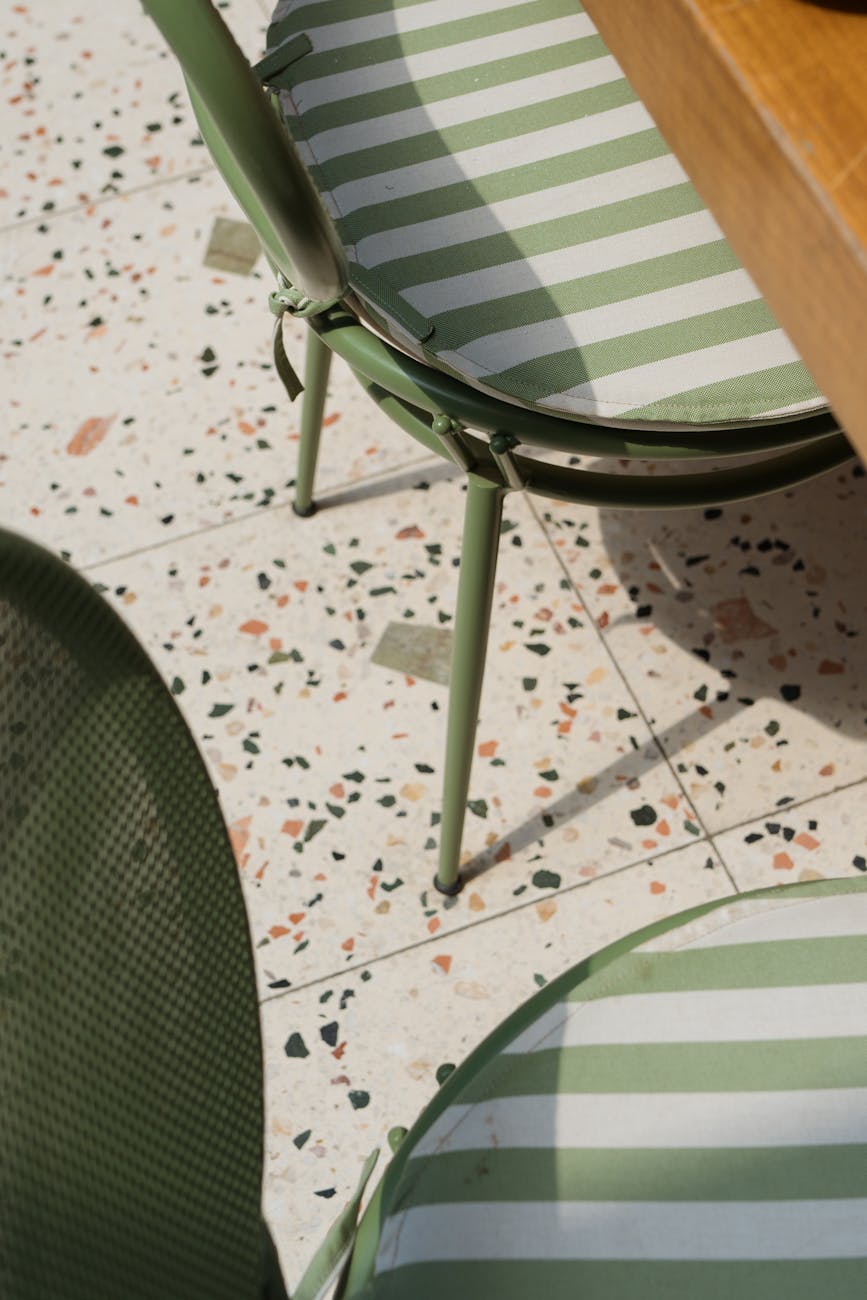
Photo by Arın Turkay
Key Features of Terrazzo Tiles for Kitchens
The primary allure of terrazzo tiles lies in their durability and low-maintenance nature. Comprising a mix of marble, quartz, granite, or glass chips set in a cement or epoxy base, these tiles are built to withstand the rigors of a busy kitchen. A notable feature is their resistance to water and stains, which is especially beneficial in kitchen environments. According to a terrazzo kitchen tile survey, homeowners report a 30% increase in kitchen longevity post-installation.
Additionally, terrazzo tiles contribute to a sustainable home environment. Their composition often includes recycled materials, aligning with LEED Certification standards for sustainability. This not only enhances the eco-friendliness of your home but also appeals to environmentally conscious buyers in the real estate market.
Installation Process for Terrazzo Kitchen Tiles
The process of installing terrazzo tiles is intricate, requiring precision and expertise. It begins with a detailed Schematic Design, where the layout is meticulously planned. This stage is crucial for ensuring that every tile fits perfectly, minimizing waste and optimizing aesthetics. During the Design Development Phase, professionals use BIM to model the tiles’ placement and predict potential issues, streamlining the construction process.
Once the design is finalized, the installation moves to the Construction Documentation stage, where detailed plans are drawn up for contractors. This ensures each step of the installation is executed accurately. The final step involves creating a Punch List to address any minor adjustments needed post-installation, ensuring the tiles meet the highest quality standards.
Investing in terrazzo tiles can significantly increase your home’s market value. A well-designed kitchen is often at the top of homebuyers’ wish lists, and the luxurious appeal of terrazzo can make your property stand out. According to real estate experts, homes featuring high-end materials like terrazzo see an average increase in value by 5-10%. This is not just due to aesthetic appeal but also the long-lasting nature of the tiles, which reduces future maintenance costs.
Furthermore, incorporating terrazzo tiles into your kitchen design can enhance the overall Lighting Design Strategy, as their reflective surface can make spaces appear larger and brighter. This visual enhancement can be a significant selling point in competitive markets. For insights into how flooring choices impact property value, refer to this Houzz study.
Conclusion
Terrazzo kitchen tiles are more than just a flooring choice, they are an investment in style, durability, and home value. From their transformative design potential to their sustainable benefits, terrazzo tiles offer a myriad of advantages for homeowners looking to enhance their kitchen spaces. For those considering a kitchen upgrade, terrazzo tiles present a compelling option that marries form with function in the realm of interior design.


In the quest for a stunning kitchen makeover, homeowners are increasingly turning to materials that combine durability with aesthetic appeal. Among these, terrazzo kitchen tiles stand out for their unique ability to transform living spaces. Not only do they offer a chic, polished look, but they also enhance the functional aspects of your kitchen. This article will delve into several facets of terrazzo kitchen tile installation, including their transformative power, key features, the installation process, and their potential to boost home value.
How Terrazzo Kitchen Tiles Transform Your Space
Using terrazzo tiles can significantly alter the ambiance of your kitchen. By applying advanced Color Theory Application, designers can select terrazzo tiles that complement or contrast with existing elements to create a harmonious balance. The versatility of terrazzo allows for intricate patterns and vibrant color schemes, which can be visualized using CAD Software during the design phase. This tool aids in understanding how the tiles will fit into the overall kitchen layout, making space planning a more intuitive process.
Moreover, terrazzo’s ability to integrate seamlessly with various FF&E Budgeting considerations makes it a flexible choice for diverse design styles. This flexibility ensures that whether your kitchen style leans towards modern minimalism or classic elegance, terrazzo tiles can enhance the aesthetic without overwhelming the space.
Key Features of Terrazzo Tiles for Kitchens
The primary allure of terrazzo tiles lies in their durability and low-maintenance nature. Comprising a mix of marble, quartz, granite, or glass chips set in a cement or epoxy base, these tiles are built to withstand the rigors of a busy kitchen. A notable feature is their resistance to water and stains, which is especially beneficial in kitchen environments. According to a terrazzo kitchen tile survey, homeowners report a 30% increase in kitchen longevity post-installation.
Additionally, terrazzo tiles contribute to a sustainable home environment. Their composition often includes recycled materials, aligning with LEED Certification standards for sustainability. This not only enhances the eco-friendliness of your home but also appeals to environmentally conscious buyers in the real estate market.
Installation Process for Terrazzo Kitchen Tiles
The process of installing terrazzo tiles is intricate, requiring precision and expertise. It begins with a detailed Schematic Design, where the layout is meticulously planned. This stage is crucial for ensuring that every tile fits perfectly, minimizing waste and optimizing aesthetics. During the Design Development Phase, professionals use BIM to model the tiles’ placement and predict potential issues, streamlining the construction process.
Once the design is finalized, the installation moves to the Construction Documentation stage, where detailed plans are drawn up for contractors. This ensures each step of the installation is executed accurately. The final step involves creating a Punch List to address any minor adjustments needed post-installation, ensuring the tiles meet the highest quality standards.
For more detailed guidance on installation techniques, consult this Architectural Digest article.
Terrazzo Tiles and Home Value Enhancement
Investing in terrazzo tiles can significantly increase your home’s market value. A well-designed kitchen is often at the top of homebuyers’ wish lists, and the luxurious appeal of terrazzo can make your property stand out. According to real estate experts, homes featuring high-end materials like terrazzo see an average increase in value by 5-10%. This is not just due to aesthetic appeal but also the long-lasting nature of the tiles, which reduces future maintenance costs.
Furthermore, incorporating terrazzo tiles into your kitchen design can enhance the overall Lighting Design Strategy, as their reflective surface can make spaces appear larger and brighter. This visual enhancement can be a significant selling point in competitive markets. For insights into how flooring choices impact property value, refer to this Houzz study.
Conclusion
Terrazzo kitchen tiles are more than just a flooring choice, they are an investment in style, durability, and home value. From their transformative design potential to their sustainable benefits, terrazzo tiles offer a myriad of advantages for homeowners looking to enhance their kitchen spaces. For those considering a kitchen upgrade, terrazzo tiles present a compelling option that marries form with function in the realm of interior design.
Share this:
Like this: