Chicago homes come in almost every style imaginable, from classic brick bungalows to sleek modern builds with sharp, clean lines. That variety is part of what makes the city’s neighborhoods so interesting to walk through.
It also means there is no single metal roofing style that works for every house. The right choice depends on your home’s architecture, your neighborhood, and the overall look you are trying to achieve.
1. Standing Seam Fits Modern and Contemporary Homes
Standing seam panels create long, clean vertical lines with raised seams running the length of the roof. That simplicity pairs naturally with modern architecture, flat or low-slope designs, and homes that already lean toward minimalism.
It also reads well on mid-century homes, where simple geometry and uncluttered rooflines are already part of the design language.
2. Metal Shingles Suit Traditional and Craftsman Styles
For homes with more traditional detailing, metal shingles offer a way to keep that classic silhouette while gaining the durability metal roofing provides. Many shingle styles are designed to mimic the textured look of slate, wood shake, or asphalt from the ground.
Craftsman bungalows, in particular, tend to look more at home with this dimensional, broken-up texture rather than the flat panels used in standing seam systems.
3. Stone-Coated Steel Mimics Classic Materials
Stone-coated steel panels are built to copy the appearance of clay tile, wood shake, or slate, but at a fraction of the weight and with far longer durability. This makes it a strong option for older homes that were originally designed around a heavier roofing material.
• Works well on Mediterranean, Spanish, and tile-style homes
• Holds up to hail and wind better than the materials it imitates
• Avoids the structural reinforcement that real tile or slate often requires
4. Matching Roofing Style to Your Neighborhood
Architecture does not exist in isolation. A roof that looks great on its own can still feel out of place if it clashes with the homes surrounding it.
Many homeowners exploring metal roofing Chicago options start by walking their own block and noting which finishes already feel at home there, since a roof should complement the street rather than fight it.
Lakeland Exteriors & Roofing typically recommends bringing physical metal samples to the actual house before making a final decision, because lighting, shadow, and surrounding brick or siding color can change how a finish reads in person.
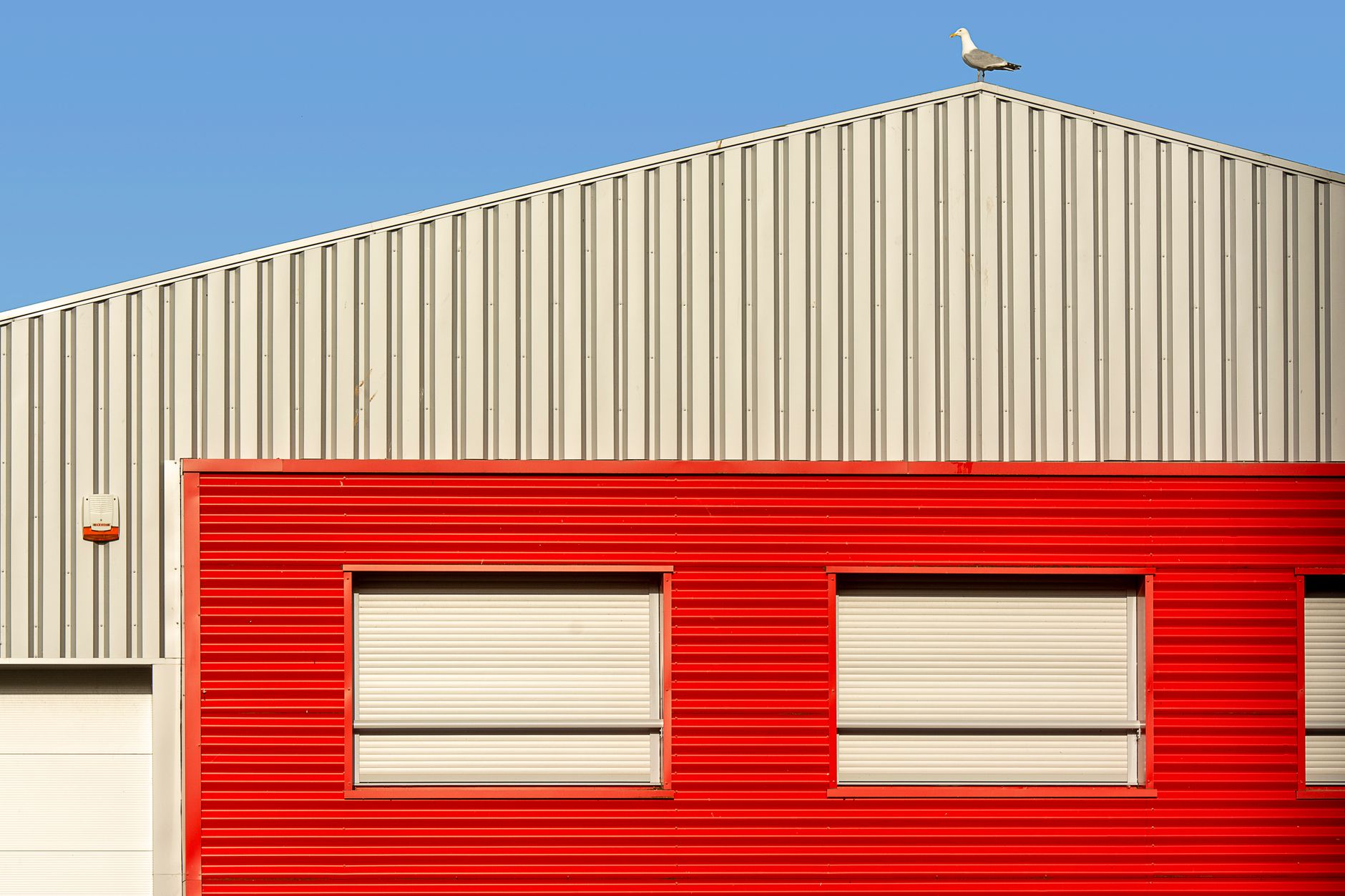
Photo by Dmitry Alexandrovich
5. The Energy Efficiency Bonus Most Buyers Overlook
Style is usually the first thing homeowners consider, but metal roofing also carries a real efficiency advantage that is easy to miss during the design phase.
According to the U.S. Department of Energy, a reflective roof can stay more than 50 degrees Fahrenheit cooler than a conventional roof, which can reach 150 degrees or more on a sunny summer afternoon. That difference can noticeably lower cooling costs during Chicago’s hot, humid summer stretches.
Lighter, reflective metal finishes tend to deliver the biggest share of this benefit, which is worth factoring in alongside the purely visual decision.
6. Questions Worth Asking Before You Choose
• Does this style match the era and detailing of my home, or fight against it?
• How does the finish look in direct sun versus shade?
• Will the panel profile work with my roof’s pitch and existing features?
• Does the color reflect enough heat to matter for my energy bills?
7. Considering Roof Pitch and Panel Length
Steeper roofs show more of the panel surface from the street, which makes seam spacing and panel length a bigger visual factor than on a low-slope roof where the surface is barely visible from ground level.
Longer, uninterrupted panel runs tend to look cleaner on steep, simple rooflines, while homes with multiple angles and valleys often benefit from a profile designed to handle more frequent seams without looking busy.
8. Color Choices and Curb Appeal
Color affects more than appearance. Darker finishes absorb more heat and can fade faster under direct sun, while lighter finishes reflect more light but show dirt and streaking sooner in a city environment.
Charcoal and dark bronze tend to suit brick homes with warm undertones
Slate gray and silver pair well with stone, stucco, or cooler-toned siding
Bright copper or weathered finishes work best as an intentional architectural statement
Viewing samples against your home’s actual brick, siding, and trim color is far more reliable than judging a swatch in isolation.
9. Working with Existing Features Like Chimneys and Skylights
Chimneys, skylights, and dormers complicate a roofline, and not every metal roofing profile handles those features equally well. Standing seam systems require precise custom flashing around penetrations, while shingle-style metal can sometimes adapt more easily to irregular shapes.
Walking through these details with a contractor before installation avoids awkward transitions and reduces the chance of leaks forming around these trickier sections later on.
The Conclusion
Choosing a metal roofing style is really a balancing act between three things: the architecture you already have, the character of your neighborhood, and the performance you want going forward. Getting that balance right is what turns a metal roof from a simple upgrade into a feature that actually looks like it belongs on the house.


Chicago homes come in almost every style imaginable, from classic brick bungalows to sleek modern builds with sharp, clean lines. That variety is part of what makes the city’s neighborhoods so interesting to walk through.
It also means there is no single metal roofing style that works for every house. The right choice depends on your home’s architecture, your neighborhood, and the overall look you are trying to achieve.
1. Standing Seam Fits Modern and Contemporary Homes
Standing seam panels create long, clean vertical lines with raised seams running the length of the roof. That simplicity pairs naturally with modern architecture, flat or low-slope designs, and homes that already lean toward minimalism.
It also reads well on mid-century homes, where simple geometry and uncluttered rooflines are already part of the design language.
2. Metal Shingles Suit Traditional and Craftsman Styles
For homes with more traditional detailing, metal shingles offer a way to keep that classic silhouette while gaining the durability metal roofing provides. Many shingle styles are designed to mimic the textured look of slate, wood shake, or asphalt from the ground.
Craftsman bungalows, in particular, tend to look more at home with this dimensional, broken-up texture rather than the flat panels used in standing seam systems.
3. Stone-Coated Steel Mimics Classic Materials
Stone-coated steel panels are built to copy the appearance of clay tile, wood shake, or slate, but at a fraction of the weight and with far longer durability. This makes it a strong option for older homes that were originally designed around a heavier roofing material.
• Works well on Mediterranean, Spanish, and tile-style homes
• Holds up to hail and wind better than the materials it imitates
• Avoids the structural reinforcement that real tile or slate often requires
4. Matching Roofing Style to Your Neighborhood
Architecture does not exist in isolation. A roof that looks great on its own can still feel out of place if it clashes with the homes surrounding it.
Many homeowners exploring metal roofing Chicago options start by walking their own block and noting which finishes already feel at home there, since a roof should complement the street rather than fight it.
Lakeland Exteriors & Roofing typically recommends bringing physical metal samples to the actual house before making a final decision, because lighting, shadow, and surrounding brick or siding color can change how a finish reads in person.
5. The Energy Efficiency Bonus Most Buyers Overlook
Style is usually the first thing homeowners consider, but metal roofing also carries a real efficiency advantage that is easy to miss during the design phase.
According to the U.S. Department of Energy, a reflective roof can stay more than 50 degrees Fahrenheit cooler than a conventional roof, which can reach 150 degrees or more on a sunny summer afternoon. That difference can noticeably lower cooling costs during Chicago’s hot, humid summer stretches.
Lighter, reflective metal finishes tend to deliver the biggest share of this benefit, which is worth factoring in alongside the purely visual decision.
6. Questions Worth Asking Before You Choose
• Does this style match the era and detailing of my home, or fight against it?
• How does the finish look in direct sun versus shade?
• Will the panel profile work with my roof’s pitch and existing features?
• Does the color reflect enough heat to matter for my energy bills?
7. Considering Roof Pitch and Panel Length
Steeper roofs show more of the panel surface from the street, which makes seam spacing and panel length a bigger visual factor than on a low-slope roof where the surface is barely visible from ground level.
Longer, uninterrupted panel runs tend to look cleaner on steep, simple rooflines, while homes with multiple angles and valleys often benefit from a profile designed to handle more frequent seams without looking busy.
8. Color Choices and Curb Appeal
Color affects more than appearance. Darker finishes absorb more heat and can fade faster under direct sun, while lighter finishes reflect more light but show dirt and streaking sooner in a city environment.
Viewing samples against your home’s actual brick, siding, and trim color is far more reliable than judging a swatch in isolation.
9. Working with Existing Features Like Chimneys and Skylights
Chimneys, skylights, and dormers complicate a roofline, and not every metal roofing profile handles those features equally well. Standing seam systems require precise custom flashing around penetrations, while shingle-style metal can sometimes adapt more easily to irregular shapes.
Walking through these details with a contractor before installation avoids awkward transitions and reduces the chance of leaks forming around these trickier sections later on.
The Conclusion
Choosing a metal roofing style is really a balancing act between three things: the architecture you already have, the character of your neighborhood, and the performance you want going forward. Getting that balance right is what turns a metal roof from a simple upgrade into a feature that actually looks like it belongs on the house.
Share this:
Like this: