You don’t need a luxury cabin or a complicated itinerary to have a memorable outdoor trip. A tent-based adventure can give you more freedom, lower costs, and a much closer look at the places you travel through. If you’re heading into mountain towns, forest campgrounds, or wide-open public land, the setup you choose matters a lot. A good trip starts long before you unzip the tent door.
Pick the Right Tent for the Trip You Actually Want
A lot of camping mistakes start with ambition. You picture alpine mornings, campfire dinners, and perfectly filtered sunset photos. Then you realize your tent is too cramped, too flimsy, or weirdly impossible to assemble.
Start with your real travel style. If you’re car camping for several days, space and durability matter more than ultralight features. If you want a basecamp feel with room for cots, gear bins, and bad-weather comfort, checking options from the Wall Tent Shop makes sense, as their offerings are built for longer stays and tougher conditions.
Look at:
– Weather resistance
– Interior height
– Setup time
– Ventilation
– Stove compatibility for cold climates
– Material quality and repair potential
A tiny backpacking tent for a roadside camping trip is like bringing a skateboard to a highway. Technically possible. Deeply annoying.
Learn the Difference Between Campsite Aesthetics and Campsite Function
A beautiful campsite can still be a terrible one. That lakeside patch looks amazing until wind starts hitting from open water all night. The flat clearing under a big tree seems ideal until sap, insects, and random drips turn your tent into a sticky science project.
You want function first. Look for level ground, decent drainage, natural wind cover, and enough distance from water to reduce bugs and moisture. Check overhead hazards too, especially dead branches. Campers call them widowmakers for a reason, which is not exactly subtle branding.
Good campsites usually offer:
– Firm, dry ground
– Safe distance from animal trails
– Shade during hot afternoons
– Access to water without being too close
– Enough room for cooking and gear storage
The best travel experiences often come from small practical choices. Sleep well, stay dry, and your whole trip feels better.
Photo by Shahid Sultan
Pack for Weather That Doesn’t Care About Your Plans
Weather has a talent for humbling confident travelers. Forecasts help, but they’re not guarantees. If you’re traveling through higher elevations or open country, conditions can swing fast.
Pack in systems, not random items. Bring layers that handle cold mornings, warm afternoons, and wet evenings. Cotton usually performs badly once it gets soaked, so moisture-wicking base layers and insulated outerwear are smarter choices. Keep one full set of dry clothes sealed away for emergencies or sleep.
Useful gear includes:
– Waterproof boots or trail shoes
– Rain shell and insulating mid-layer
– Ground tarp or footprint
– Extra stakes and guy lines
– Headlamp with spare batteries
– Dry bags or plastic bins for organization
You’re not packing for the weather you want. You’re packing for the weather that shows up uninvited and acts like it pays rent.
Build a Camp Setup That Makes Daily Life Easier
A rough campsite feels adventurous for about six minutes. After that, comfort becomes strategy. A smart setup saves time, protects gear, and keeps you from turning every meal into a minor survival exercise.
Create zones in your campsite. Keep sleeping, cooking, and storage areas separate. Store food securely and away from where you sleep, especially in bear-aware regions. Use a table if the site has one. If not, bring a folding surface or sturdy bins that double as workstations.
Think through daily routines:
– Where will wet gear dry?
– Where will muddy shoes go?
– Can you access essentials at night?
– Is your lighting good enough for cooking after dark?
– Are frequently used items buried at the bottom of a bag?
The little efficiencies matter. When your camp works well, you spend less time hunting for utensils and more time enjoying the place you traveled to see.
Photo by Uriel Mont
Understand the Real Costs Before You Head Out
Tent travel can be budget-friendly, but cheap and careless are not the same thing. Gas, campsite fees, permits, food storage equipment, and weather-ready gear add up fast. If you’re traveling with friends, splitting costs helps, but only if everyone plans clearly.
Map out the full trip budget before you leave. Include fuel, backup lodging, firewood purchases where allowed, ice, food, emergency supplies, and park entry fees. Public campgrounds can be affordable, while private sites near popular destinations often cost much more than people expect.
Keep your budget realistic with:
– A per-day food estimate
– Extra funds for weather changes
– Reservation fees and cancellation policies
– Vehicle maintenance checks before departure
– A small emergency buffer
A broken cooler latch or unexpected storm detour won’t feel dramatic until it starts draining your wallet. Outdoor freedom still likes a spreadsheet.
Respect the Place So Other Travelers Can Enjoy It Too
Good travel is not just about what you get from a place. It’s also about what you leave behind, ideally nothing except flattened grass that recovers by next week. Outdoor areas are under pressure from crowding, litter, noise, and people who somehow think a Bluetooth speaker improves birdsong.
Follow local regulations and Leave No Trace principles. Pack out trash, minimize campfire impact, and stay on established surfaces whenever possible. If you’re using public lands, learn the specific rules for waste disposal, fire restrictions, and food storage in that area.
Keep these habits consistent:
– Clean up every scrap of food
– Respect quiet hours
– Avoid damaging plants for firewood
– Use designated toilet facilities or proper backcountry methods
– Leave the site better than you found it
Travel feels richer when you pay attention to the land, the people around you, and the responsibility that comes with access.
Turn the Trip Into an Experience You’d Actually Want to Repeat
The best tent-based trips aren’t perfect. They’re just well judged. You’ll probably deal with some inconvenience, a little dirt, and at least one moment where something important seems to vanish into your duffel bag dimension. That’s normal.
What matters is creating a trip with enough comfort, flexibility, and planning that the fun outweighs the friction. Choose gear that matches your destination. Prep for weather. Build routines that make camp life smooth instead of chaotic. Pay attention to costs, safety, and the impact you have on the place.
If you do that, tent travel stops feeling like a backup plan and starts feeling like a smart way to explore. You get more independence, more time outdoors, and a stronger connection to where you are. That’s a pretty solid trade for sleeping under canvas.


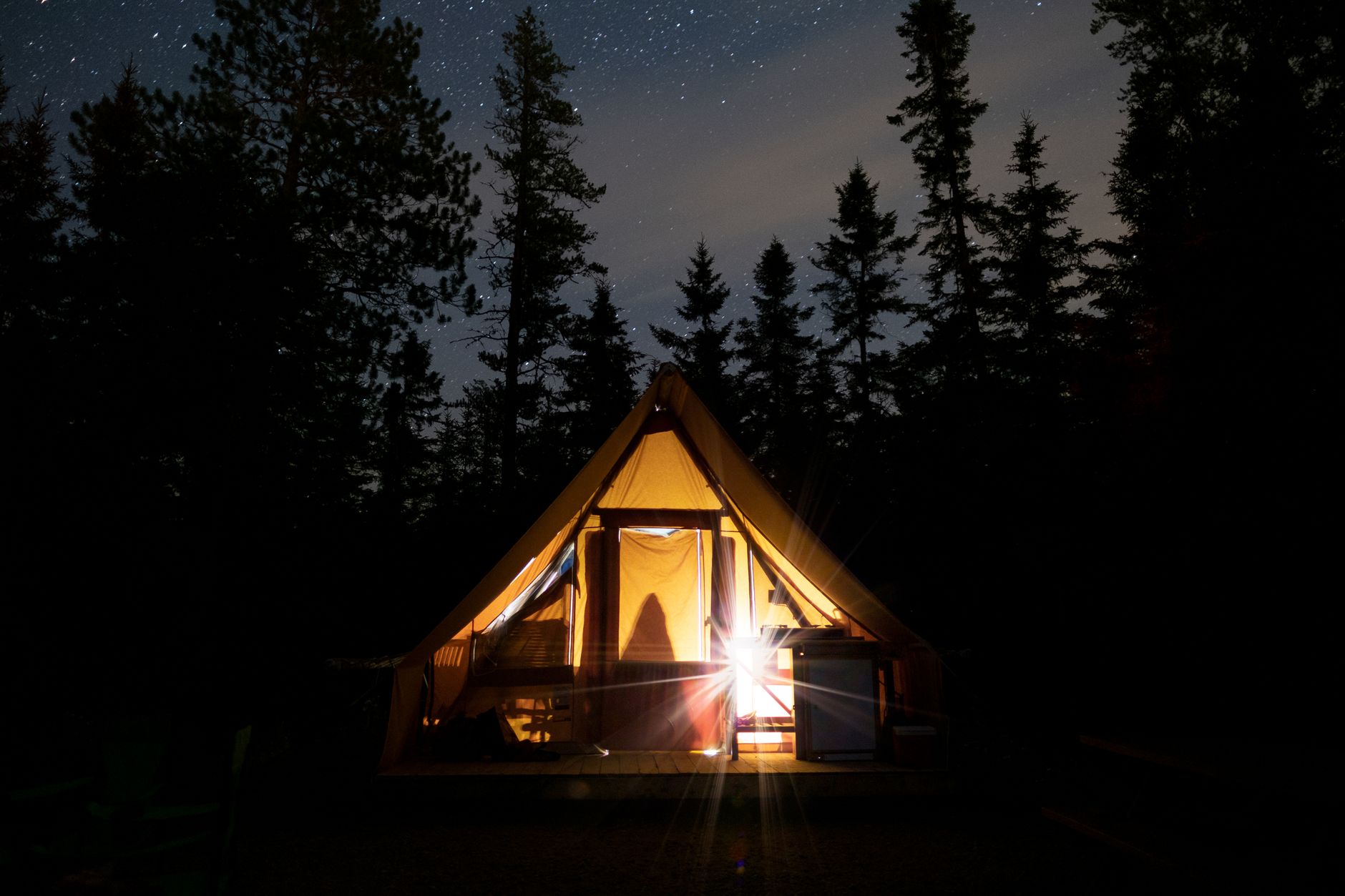
You don’t need a luxury cabin or a complicated itinerary to have a memorable outdoor trip. A tent-based adventure can give you more freedom, lower costs, and a much closer look at the places you travel through. If you’re heading into mountain towns, forest campgrounds, or wide-open public land, the setup you choose matters a lot. A good trip starts long before you unzip the tent door.
Pick the Right Tent for the Trip You Actually Want
A lot of camping mistakes start with ambition. You picture alpine mornings, campfire dinners, and perfectly filtered sunset photos. Then you realize your tent is too cramped, too flimsy, or weirdly impossible to assemble.
Start with your real travel style. If you’re car camping for several days, space and durability matter more than ultralight features. If you want a basecamp feel with room for cots, gear bins, and bad-weather comfort, checking options from the Wall Tent Shop makes sense, as their offerings are built for longer stays and tougher conditions.
Look at:
– Weather resistance
– Interior height
– Setup time
– Ventilation
– Stove compatibility for cold climates
– Material quality and repair potential
A tiny backpacking tent for a roadside camping trip is like bringing a skateboard to a highway. Technically possible. Deeply annoying.
Learn the Difference Between Campsite Aesthetics and Campsite Function
A beautiful campsite can still be a terrible one. That lakeside patch looks amazing until wind starts hitting from open water all night. The flat clearing under a big tree seems ideal until sap, insects, and random drips turn your tent into a sticky science project.
You want function first. Look for level ground, decent drainage, natural wind cover, and enough distance from water to reduce bugs and moisture. Check overhead hazards too, especially dead branches. Campers call them widowmakers for a reason, which is not exactly subtle branding.
Good campsites usually offer:
– Firm, dry ground
– Safe distance from animal trails
– Shade during hot afternoons
– Access to water without being too close
– Enough room for cooking and gear storage
The best travel experiences often come from small practical choices. Sleep well, stay dry, and your whole trip feels better.
Pack for Weather That Doesn’t Care About Your Plans
Weather has a talent for humbling confident travelers. Forecasts help, but they’re not guarantees. If you’re traveling through higher elevations or open country, conditions can swing fast.
Pack in systems, not random items. Bring layers that handle cold mornings, warm afternoons, and wet evenings. Cotton usually performs badly once it gets soaked, so moisture-wicking base layers and insulated outerwear are smarter choices. Keep one full set of dry clothes sealed away for emergencies or sleep.
Useful gear includes:
– Waterproof boots or trail shoes
– Rain shell and insulating mid-layer
– Ground tarp or footprint
– Extra stakes and guy lines
– Headlamp with spare batteries
– Dry bags or plastic bins for organization
You’re not packing for the weather you want. You’re packing for the weather that shows up uninvited and acts like it pays rent.
Build a Camp Setup That Makes Daily Life Easier
A rough campsite feels adventurous for about six minutes. After that, comfort becomes strategy. A smart setup saves time, protects gear, and keeps you from turning every meal into a minor survival exercise.
Create zones in your campsite. Keep sleeping, cooking, and storage areas separate. Store food securely and away from where you sleep, especially in bear-aware regions. Use a table if the site has one. If not, bring a folding surface or sturdy bins that double as workstations.
Think through daily routines:
– Where will wet gear dry?
– Where will muddy shoes go?
– Can you access essentials at night?
– Is your lighting good enough for cooking after dark?
– Are frequently used items buried at the bottom of a bag?
The little efficiencies matter. When your camp works well, you spend less time hunting for utensils and more time enjoying the place you traveled to see.
Understand the Real Costs Before You Head Out
Tent travel can be budget-friendly, but cheap and careless are not the same thing. Gas, campsite fees, permits, food storage equipment, and weather-ready gear add up fast. If you’re traveling with friends, splitting costs helps, but only if everyone plans clearly.
Map out the full trip budget before you leave. Include fuel, backup lodging, firewood purchases where allowed, ice, food, emergency supplies, and park entry fees. Public campgrounds can be affordable, while private sites near popular destinations often cost much more than people expect.
Keep your budget realistic with:
– A per-day food estimate
– Extra funds for weather changes
– Reservation fees and cancellation policies
– Vehicle maintenance checks before departure
– A small emergency buffer
A broken cooler latch or unexpected storm detour won’t feel dramatic until it starts draining your wallet. Outdoor freedom still likes a spreadsheet.
Respect the Place So Other Travelers Can Enjoy It Too
Good travel is not just about what you get from a place. It’s also about what you leave behind, ideally nothing except flattened grass that recovers by next week. Outdoor areas are under pressure from crowding, litter, noise, and people who somehow think a Bluetooth speaker improves birdsong.
Follow local regulations and Leave No Trace principles. Pack out trash, minimize campfire impact, and stay on established surfaces whenever possible. If you’re using public lands, learn the specific rules for waste disposal, fire restrictions, and food storage in that area.
Keep these habits consistent:
– Clean up every scrap of food
– Respect quiet hours
– Avoid damaging plants for firewood
– Use designated toilet facilities or proper backcountry methods
– Leave the site better than you found it
Travel feels richer when you pay attention to the land, the people around you, and the responsibility that comes with access.
Turn the Trip Into an Experience You’d Actually Want to Repeat
The best tent-based trips aren’t perfect. They’re just well judged. You’ll probably deal with some inconvenience, a little dirt, and at least one moment where something important seems to vanish into your duffel bag dimension. That’s normal.
What matters is creating a trip with enough comfort, flexibility, and planning that the fun outweighs the friction. Choose gear that matches your destination. Prep for weather. Build routines that make camp life smooth instead of chaotic. Pay attention to costs, safety, and the impact you have on the place.
If you do that, tent travel stops feeling like a backup plan and starts feeling like a smart way to explore. You get more independence, more time outdoors, and a stronger connection to where you are. That’s a pretty solid trade for sleeping under canvas.
Share this:
Like this: