Istanbul is the kind of city that refuses to be experienced in a single way. It is ancient and modern, chaotic and beautiful, deeply traditional yet constantly changing. One moment you are standing beneath the enormous dome of Hagia Sophia, and the next you are drinking Turkish coffee beside the Bosphorus as ferries glide between Europe and Asia.
Few cities in the world can offer that sense of geographical and cultural drama. Istanbul stretches across two continents, with the Bosphorus dividing its European and Asian sides while connecting the Black Sea with the Sea of Marmara. But its real magic is found in the details: the sound of the call to prayer drifting across rooftops, the smell of freshly baked simit, fishermen lining the Galata Bridge, colourful spice stalls and neighbourhood cafés filled long after sunset.
For first-time visitors, Istanbul can feel overwhelming in the best possible way. There is so much to see, eat, photograph and experience that it is tempting to create an impossible itinerary. The better approach is to slow down. Give yourself time to wander, linger over meals and let the city reveal itself between the famous landmarks.
This Istanbul travel guide covers the best places to visit, what to eat, where to stay, how to get around, the best time to visit and how to plan a trip that feels memorable rather than rushed.
Why Visit Istanbul?
Istanbul is unlike almost anywhere else in Europe. Its history stretches across Byzantine, Roman and Ottoman eras, while contemporary Istanbul is filled with galleries, design shops, rooftop restaurants, lively bars and creative neighbourhoods.
The city is particularly rewarding for travellers who love history and architecture. You can spend a morning exploring centuries-old palaces and mosques before wandering through a modern neighbourhood filled with independent boutiques and cafés.
It is equally appealing to food lovers. Turkish cuisine goes far beyond kebabs, with breakfast spreads, grilled seafood, meze, stuffed vegetables, pide, baklava, Turkish delight and countless regional specialities waiting to be discovered.
Then there is the Bosphorus. Water is part of Istanbul’s identity, and some of the city’s most beautiful moments happen beside it. Watch the ferries cross at dusk, take a boat between the continents or simply sit beside the water with a glass of Turkish tea.
Spring and autumn are particularly beautiful times to visit Istanbul. The weather is generally comfortable for walking, the city’s parks and waterfronts are enjoyable, and you can spend long days exploring without the intensity of midsummer heat.
April and May bring a fresh energy to the city, while September and October are ideal for travellers who prefer warm days and cooler evenings.
Summer can be lively and atmospheric, especially around the Bosphorus, but popular attractions can feel considerably busier. Winter is quieter and can be surprisingly atmospheric, particularly when the city’s historic rooftops and domes are softened by grey skies or occasional snow.
There is no single perfect month for Istanbul. The best time depends on whether you want sunshine, fewer crowds, lower prices or the energy of peak season.
Explore Sultanahmet, Istanbul’s Historic Heart
Photo by AXP Photography Photo by Hale
For first-time visitors, Sultanahmet is the natural place to begin. This historic district contains some of Istanbul’s most extraordinary landmarks, and walking between them gives you an immediate sense of the city’s layered past.
Start with Hagia Sophia, one of the most recognisable buildings in the world. Its enormous dome, monumental interior and extraordinary history make it one of those places that feels even more impressive in person.
Nearby, the Blue Mosque rises above the square with its elegant minarets and cascading domes. The surrounding area is worth exploring slowly rather than simply moving from one attraction to another.
Between the major landmarks, you will find gardens, small streets, cafés and views that make the neighbourhood feel much more personal. Early morning can be particularly beautiful when the streets are quieter and the light begins to fall across the historic buildings.
Step Inside Topkapi Palace
Topkapi Palace offers a completely different glimpse into Istanbul’s past. Once the centre of the Ottoman imperial court, the palace is a collection of courtyards, gardens, chambers and terraces overlooking the Bosphorus.
Allow several hours if you want to explore properly. The complex is larger than it initially appears, and rushing through it means missing some of its most beautiful details.
The palace’s location is part of its appeal. From the terraces, Istanbul stretches around you, with the Bosphorus sparkling below and the Asian side visible beyond it.
Take your time here. The combination of history, architecture, gardens and views makes Topkapi one of the places where Istanbul’s imperial past feels especially tangible.
Wander Through the Grand Bazaar
Photo by Soner Durmaz
The Grand Bazaar is one of Istanbul’s most famous experiences, but it is best approached as somewhere to explore rather than simply somewhere to shop.
Its maze of covered streets is filled with carpets, ceramics, jewellery, lamps, textiles, leather goods and souvenirs. Some shops are polished and sophisticated, while others feel wonderfully old-fashioned.
Part of the fun is getting slightly lost.
You do not need to have a shopping list. Wander through the lanes, admire the craftsmanship and stop when something catches your attention. If you do want to buy something, take your time comparing pieces rather than purchasing from the first shop you enter.
And remember that bargaining is part of the experience in many traditional markets. Keep it friendly and enjoy the conversation.
Discover the Spice Bazaar
For a more sensory market experience, head to the Spice Bazaar.
The colours are immediate. Red pepper flakes, saffron, dried fruits, nuts, Turkish delight, tea and fragrant spices fill the stalls, creating an atmosphere that feels almost theatrical.
This is also a wonderful place to discover Turkish ingredients and flavours before you start noticing them on restaurant menus around the city.
Look beyond the obvious tourist souvenirs and pay attention to what locals are buying. It is often the simplest ingredients that tell you the most about a country’s food culture.
Cross the Galata Bridge
Photo by Ahmed
Few Istanbul experiences are as simple or as memorable as walking across the Galata Bridge.
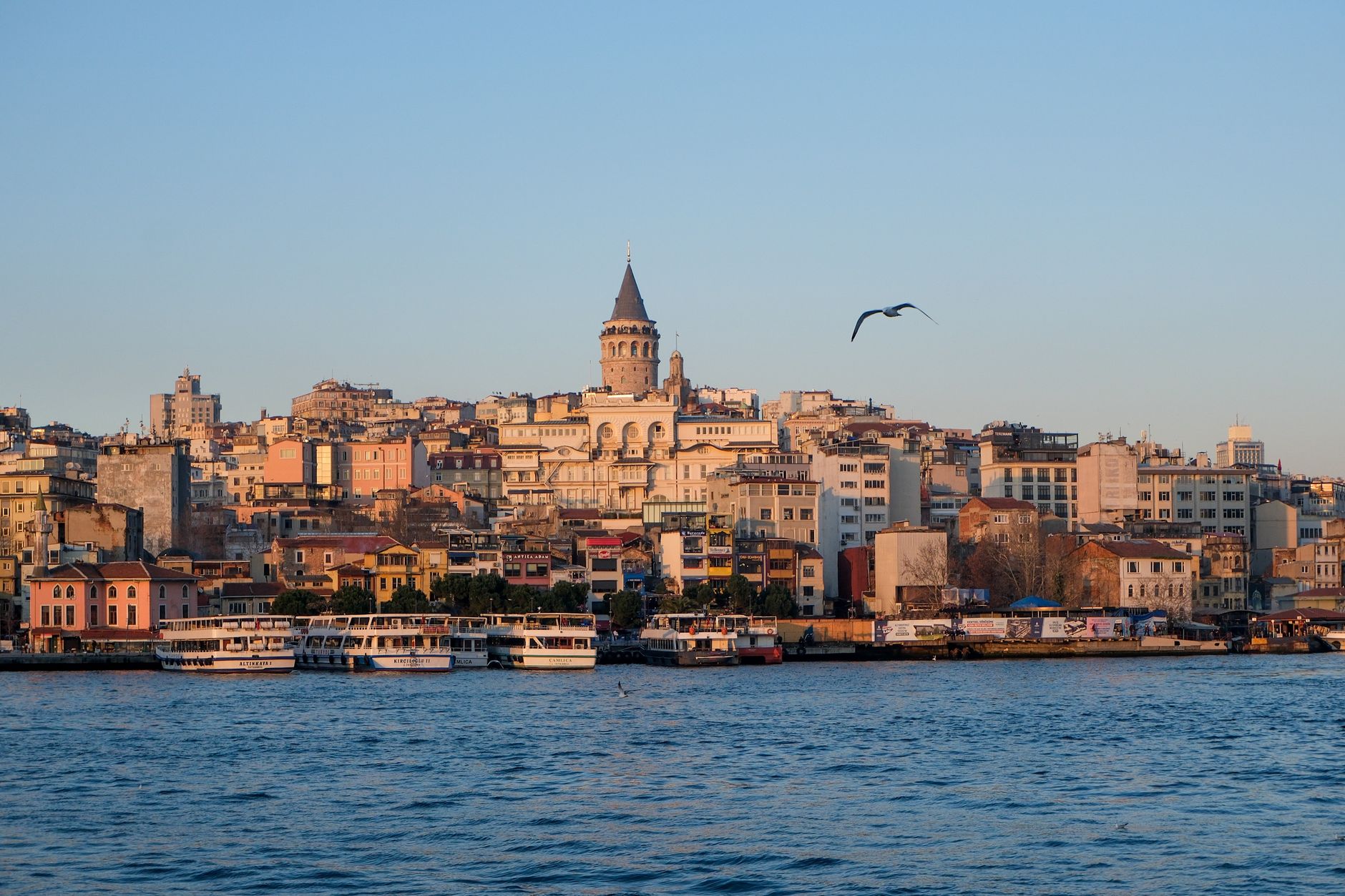
Fishermen line the upper level, casting their lines into the Bosphorus while ferries and boats move through the water below. On either side, the city rises dramatically, with mosques, rooftops, towers and apartment buildings creating the unmistakable Istanbul skyline.
The bridge connects the historic area around Sultanahmet with Karaköy and the route towards Galata.
Come around late afternoon and stay until sunset if you can. The atmosphere changes as the light softens and Istanbul begins to glow.
Explore Galata and Karaköy
Across the bridge, Galata and Karaköy offer a different side of Istanbul.
Galata’s narrow streets climb towards the famous Galata Tower, with independent boutiques, cafés, restaurants and small creative businesses tucked between historic buildings.
Karaköy has a more contemporary atmosphere, with stylish restaurants, galleries and coffee shops mixed with older buildings and waterfront views.
This is an excellent area to explore without a strict plan. Pick a street and follow it. Stop for coffee when you need a break. Browse a shop simply because the window catches your eye.
Istanbul is at its best when you leave space for this kind of wandering.
Take to the Bosphorus
Photo by Zeynep Sude Emek
If you only have time for one experience beyond the historic sights, make it the Bosphorus.
The waterway is what makes Istanbul feel so distinctive. Europe is on one side, Asia on the other, and the city unfolds along both shores in a mixture of palaces, mosques, waterfront mansions, neighbourhoods and modern buildings.
A simple ferry ride can be enough. You do not necessarily need an elaborate private cruise to appreciate the experience.
For something more special, consider a sunset or evening boat trip. Watching the city’s lights appear as the sky changes colour is one of the most beautiful ways to experience Istanbul.
If you are travelling as a couple, this is especially memorable. There is something wonderfully romantic about watching Istanbul drift past while the two continents sit quietly on either side.
Visit the Asian Side
Photo by Yusuf Kaya
Many first-time visitors spend their entire trip on the European side, but crossing to Asia gives you a chance to experience a different rhythm.
Kadıköy is lively, local and full of food markets, restaurants, cafés and shops. It feels less like a sightseeing district and more like a neighbourhood where people actually live their everyday lives.
Spend an afternoon wandering the market, trying local food and sitting in a café before walking towards the waterfront.
Üsküdar offers a more traditional atmosphere and some beautiful views back towards the European side.
The ferry journey itself is part of the experience. Watching Istanbul recede behind you as you cross the Bosphorus is a reminder of just how unusual this city really is.
Experience Istanbul’s Food Culture
Photo by Fatih Maraşlıoğlu
Food is one of the best reasons to visit Istanbul.
Start with breakfast. A traditional Turkish breakfast can be a leisurely affair, with cheeses, olives, tomatoes, cucumber, eggs, bread, honey, jams and other small dishes covering the table.
Menemen is another breakfast favourite, made with eggs, tomatoes and peppers. If you love trying recipes inspired by your travels, you can also explore Eat Live Escape’s Menemen Recipe – Turkish Scrambled Eggs with Tomatoes for a taste of Turkey at home.
Throughout the day, look for gözleme, pide, döner, grilled fish, meze and lahmacun.
Do not skip Turkish sweets. Baklava is the obvious choice, but lokum, künefe and other regional desserts are equally worth trying.
And then there is Turkish tea and coffee. Both are part of the rhythm of the city, not simply drinks to consume quickly.
Sit down. Stay a while. Watch the street.
That is often where the best meals begin.
Try a Traditional Turkish Hamam
A visit to a traditional hamam can turn a busy city trip into something much slower.
The experience varies depending on the hamam, but traditionally it involves spending time in a warm marble environment followed by washing and treatments.
Choose a reputable establishment and understand the process before you arrive, particularly if it is your first visit.
A hamam is not just about relaxation. It is part of Turkish cultural history and offers a completely different way to experience the city.
After several days of walking Istanbul’s hills and streets, it can also feel like exactly what you need.
Where to Stay in Istanbul
The best area to stay depends on the kind of Istanbul experience you want. Sultanahmet is ideal for first-time visitors who want to be close to the city’s major historic attractions. You can walk to Hagia Sophia, the Blue Mosque, Topkapi Palace and other landmarks without spending much time on transport.
Beyoğlu and Galata are better suited to travellers who want restaurants, cafés, nightlife and a more contemporary atmosphere. The area also makes a good base for exploring Karaköy and crossing towards the historic peninsula.
Karaköy is particularly appealing if you like stylish hotels, waterfront walks and a lively food scene.
Kadıköy is worth considering if you want to experience the Asian side and prefer a more local neighbourhood atmosphere.
Whichever area you choose, consider the type of trip you want rather than simply booking the hotel with the best photograph. Istanbul is a city where location can dramatically change the feel of your holiday.
How to Get Around Istanbul
Istanbul is large, but its public transport network makes exploring surprisingly manageable.
The metro, trams, buses and ferries connect many of the areas visitors are most likely to explore. Ferries are particularly enjoyable because they double as transportation and sightseeing.
Walking is also one of the best ways to experience the city, although be prepared for hills and uneven streets in some neighbourhoods.
Taxis can be useful when public transport is inconvenient, but traffic can be heavy, particularly during busy periods. Give yourself extra time when travelling across the city.
One of the biggest mistakes visitors make is underestimating Istanbul’s size. Avoid planning attractions on opposite sides of the city back-to-back unless you have allowed plenty of travel time.
A Perfect Three-Day Istanbul Itinerary
Day One: Historic Istanbul
Begin early in Sultanahmet with Hagia Sophia and the Blue Mosque.
Spend the late morning exploring Topkapi Palace before stopping for lunch nearby. In the afternoon, wander towards the Grand Bazaar and Spice Bazaar, allowing yourself plenty of time to explore rather than simply shopping.
Finish the day around the Galata Bridge as the sun begins to set.
Day Two: Galata, Karaköy and the Bosphorus
Start around Galata and walk towards Galata Tower and Karaköy.
Spend the afternoon beside the water before taking a Bosphorus ferry or cruise.
If you have the energy, continue into the evening with dinner in Beyoğlu or Karaköy.
Day Three: Istanbul Beyond the Classics
Cross the Bosphorus and spend the morning in Kadıköy.
Explore the markets, cafés and streets before continuing towards the waterfront.
Return to the European side in the afternoon and leave some time for anything you missed earlier in the trip.
Do not try to squeeze in another ten attractions. Instead, choose one neighbourhood and wander.
That final unplanned afternoon may become your favourite memory.
What to Buy in Istanbul
Istanbul is a wonderful city for shopping, particularly if you prefer souvenirs with a sense of place.
Look for Turkish ceramics, textiles, handmade jewellery, spices, tea, coffee, leather goods and traditional sweets.
Turkish towels can make particularly useful souvenirs because they are beautiful without being difficult to pack.
If you buy ceramics, check how they are packaged for travel. For larger or more valuable purchases, ask about shipping options rather than trying to fit everything into your suitcase.
And remember that the best souvenir is not necessarily the most expensive one. Sometimes a small ceramic bowl, a packet of tea or a beautifully patterned textile carries more meaning than something bought simply because it looks luxurious.
For travellers who love beautiful things and thoughtful shopping, you may also enjoy exploring the style inspiration on eleSTYLED before planning your Istanbul wardrobe and packing list.
What to Wear in Istanbul
Istanbul is a city where comfort and style can easily coexist.
You will probably walk much more than you expect, so comfortable shoes are essential. Layers are useful because temperatures can change throughout the day, particularly in spring and autumn.
When visiting mosques, dress respectfully and be prepared to cover your shoulders or legs if necessary. Women may also be asked to cover their hair when entering certain religious spaces, so carrying a lightweight scarf is practical.
Beyond religious sites, Istanbul is a stylish city with plenty of room for personal expression. A simple combination of comfortable trousers, a shirt, light layers and good walking shoes can take you from sightseeing to dinner without needing a complete outfit change.
Is Istanbul Expensive?
Istanbul can work for a range of budgets.
There are inexpensive local restaurants, street food stalls and casual cafés alongside luxury hotels, rooftop restaurants and high-end experiences.
One of the easiest ways to control your spending is to mix experiences. Enjoy a simple local breakfast, take public transport and eat where locals eat, then save your budget for one special dinner or experience.
The city is also much more enjoyable when you are not constantly trying to maximise every minute of your trip.
Choose a few things that genuinely matter to you and spend more time enjoying them.
Tips for Your First Istanbul Trip
Give yourself more time than you think you need. Istanbul rewards slow exploration.
Start your sightseeing early when possible, especially for the city’s most popular historic landmarks.
Keep some flexibility in your itinerary because traffic, queues and spontaneous discoveries can all change your plans.
Wear comfortable shoes. This is not a city for spending your entire holiday in uncomfortable footwear.
Carry some modest clothing for mosque visits, particularly if you plan to explore several religious sites.
Learn a few simple Turkish words. Even a basic greeting or thank you can make everyday interactions warmer.
Most importantly, do not treat Istanbul like a checklist.
The city’s greatest moments often happen between the major attractions.
Frequently Asked Questions About Istanbul
How many days do you need in Istanbul?
Three days is enough for a first introduction to Istanbul, particularly if you focus on the historic centre, Galata, the Bosphorus and one neighbourhood on the Asian side.
Four to five days is better if you want a slower trip with more food, shopping, neighbourhood exploration and time to simply enjoy the city.
Is Istanbul worth visiting?
Absolutely. Istanbul offers an extraordinary combination of history, architecture, food, shopping, culture and waterfront scenery.
Its location between Europe and Asia gives it a character that is difficult to replicate elsewhere.
What is Istanbul best known for?
Istanbul is best known for landmarks such as Hagia Sophia, the Blue Mosque, Topkapi Palace and the Grand Bazaar, as well as the Bosphorus, Turkish cuisine and its unique position between two continents.
Is Istanbul good for a romantic holiday?
Yes. The Bosphorus, historic streets, rooftop restaurants, evening cruises and beautiful architecture make Istanbul an excellent destination for couples.
The city also works well for romance without requiring every day to be carefully planned.
Is Istanbul safe for tourists?
Istanbul is a major international destination and millions of visitors travel there. As with any large city, it is sensible to stay aware of your surroundings, particularly in crowded tourist areas and on public transport.
Keep valuables secure, use reputable transport and follow current local travel advice before your trip.
What food should you try in Istanbul?
Start with Turkish breakfast, menemen, simit, pide, lahmacun, kebabs, meze, grilled fish, baklava and Turkish coffee.
Do not be afraid to try smaller local dishes and street foods as you explore.
Should you visit the European or Asian side of Istanbul?
Both are worth visiting. The European side contains many of the city’s major historic attractions, while the Asian side offers lively neighbourhoods, markets, waterfront views and a more residential atmosphere.
Ideally, include both.
Where to Next?
Istanbul makes a wonderful starting point for a wider European or Mediterranean journey.
You hear it in the call to prayer echoing between rooftops. You smell it in the spice markets and bakeries. You see it in the ferries crossing the Bosphorus and the domes rising above the skyline. You taste it over long breakfasts and plates of meze shared around a table.
And you remember it in the small moments.
A cup of tea beside the water. A quiet street in Galata. The first glimpse of the Blue Mosque at dusk. The sound of fishermen talking on the bridge. A ferry ride between two continents with the city stretching out on both sides.
Istanbul rewards curiosity, but it also rewards slowing down.
Come for the history. Stay for the food, the neighbourhoods, the Bosphorus and the feeling of being somewhere completely unlike anywhere else.
Because sometimes the best travel memories are not the places you planned to see.


Istanbul is the kind of city that refuses to be experienced in a single way. It is ancient and modern, chaotic and beautiful, deeply traditional yet constantly changing. One moment you are standing beneath the enormous dome of Hagia Sophia, and the next you are drinking Turkish coffee beside the Bosphorus as ferries glide between Europe and Asia.
Few cities in the world can offer that sense of geographical and cultural drama. Istanbul stretches across two continents, with the Bosphorus dividing its European and Asian sides while connecting the Black Sea with the Sea of Marmara. But its real magic is found in the details: the sound of the call to prayer drifting across rooftops, the smell of freshly baked simit, fishermen lining the Galata Bridge, colourful spice stalls and neighbourhood cafés filled long after sunset.
For first-time visitors, Istanbul can feel overwhelming in the best possible way. There is so much to see, eat, photograph and experience that it is tempting to create an impossible itinerary. The better approach is to slow down. Give yourself time to wander, linger over meals and let the city reveal itself between the famous landmarks.
This Istanbul travel guide covers the best places to visit, what to eat, where to stay, how to get around, the best time to visit and how to plan a trip that feels memorable rather than rushed.
Why Visit Istanbul?
Istanbul is unlike almost anywhere else in Europe. Its history stretches across Byzantine, Roman and Ottoman eras, while contemporary Istanbul is filled with galleries, design shops, rooftop restaurants, lively bars and creative neighbourhoods.
The city is particularly rewarding for travellers who love history and architecture. You can spend a morning exploring centuries-old palaces and mosques before wandering through a modern neighbourhood filled with independent boutiques and cafés.
It is equally appealing to food lovers. Turkish cuisine goes far beyond kebabs, with breakfast spreads, grilled seafood, meze, stuffed vegetables, pide, baklava, Turkish delight and countless regional specialities waiting to be discovered.
Then there is the Bosphorus. Water is part of Istanbul’s identity, and some of the city’s most beautiful moments happen beside it. Watch the ferries cross at dusk, take a boat between the continents or simply sit beside the water with a glass of Turkish tea.
Istanbul is also a city that works beautifully for couples. If you are planning a romantic escape, our guide to Romantic Escapes in Istanbul: Where History Meets Hassle-Free Travel is a lovely companion for planning the more intimate side of the city.
The Best Time to Visit Istanbul
Spring and autumn are particularly beautiful times to visit Istanbul. The weather is generally comfortable for walking, the city’s parks and waterfronts are enjoyable, and you can spend long days exploring without the intensity of midsummer heat.
April and May bring a fresh energy to the city, while September and October are ideal for travellers who prefer warm days and cooler evenings.
Summer can be lively and atmospheric, especially around the Bosphorus, but popular attractions can feel considerably busier. Winter is quieter and can be surprisingly atmospheric, particularly when the city’s historic rooftops and domes are softened by grey skies or occasional snow.
There is no single perfect month for Istanbul. The best time depends on whether you want sunshine, fewer crowds, lower prices or the energy of peak season.
Explore Sultanahmet, Istanbul’s Historic Heart
For first-time visitors, Sultanahmet is the natural place to begin. This historic district contains some of Istanbul’s most extraordinary landmarks, and walking between them gives you an immediate sense of the city’s layered past.
Start with Hagia Sophia, one of the most recognisable buildings in the world. Its enormous dome, monumental interior and extraordinary history make it one of those places that feels even more impressive in person.
Nearby, the Blue Mosque rises above the square with its elegant minarets and cascading domes. The surrounding area is worth exploring slowly rather than simply moving from one attraction to another.
Between the major landmarks, you will find gardens, small streets, cafés and views that make the neighbourhood feel much more personal. Early morning can be particularly beautiful when the streets are quieter and the light begins to fall across the historic buildings.
Step Inside Topkapi Palace
Topkapi Palace offers a completely different glimpse into Istanbul’s past. Once the centre of the Ottoman imperial court, the palace is a collection of courtyards, gardens, chambers and terraces overlooking the Bosphorus.
Allow several hours if you want to explore properly. The complex is larger than it initially appears, and rushing through it means missing some of its most beautiful details.
The palace’s location is part of its appeal. From the terraces, Istanbul stretches around you, with the Bosphorus sparkling below and the Asian side visible beyond it.
Take your time here. The combination of history, architecture, gardens and views makes Topkapi one of the places where Istanbul’s imperial past feels especially tangible.
Wander Through the Grand Bazaar
The Grand Bazaar is one of Istanbul’s most famous experiences, but it is best approached as somewhere to explore rather than simply somewhere to shop.
Its maze of covered streets is filled with carpets, ceramics, jewellery, lamps, textiles, leather goods and souvenirs. Some shops are polished and sophisticated, while others feel wonderfully old-fashioned.
Part of the fun is getting slightly lost.
You do not need to have a shopping list. Wander through the lanes, admire the craftsmanship and stop when something catches your attention. If you do want to buy something, take your time comparing pieces rather than purchasing from the first shop you enter.
And remember that bargaining is part of the experience in many traditional markets. Keep it friendly and enjoy the conversation.
Discover the Spice Bazaar
For a more sensory market experience, head to the Spice Bazaar.
The colours are immediate. Red pepper flakes, saffron, dried fruits, nuts, Turkish delight, tea and fragrant spices fill the stalls, creating an atmosphere that feels almost theatrical.
This is also a wonderful place to discover Turkish ingredients and flavours before you start noticing them on restaurant menus around the city.
Look beyond the obvious tourist souvenirs and pay attention to what locals are buying. It is often the simplest ingredients that tell you the most about a country’s food culture.
Cross the Galata Bridge
Few Istanbul experiences are as simple or as memorable as walking across the Galata Bridge.
Fishermen line the upper level, casting their lines into the Bosphorus while ferries and boats move through the water below. On either side, the city rises dramatically, with mosques, rooftops, towers and apartment buildings creating the unmistakable Istanbul skyline.
The bridge connects the historic area around Sultanahmet with Karaköy and the route towards Galata.
Come around late afternoon and stay until sunset if you can. The atmosphere changes as the light softens and Istanbul begins to glow.
Explore Galata and Karaköy
Across the bridge, Galata and Karaköy offer a different side of Istanbul.
Galata’s narrow streets climb towards the famous Galata Tower, with independent boutiques, cafés, restaurants and small creative businesses tucked between historic buildings.
Karaköy has a more contemporary atmosphere, with stylish restaurants, galleries and coffee shops mixed with older buildings and waterfront views.
This is an excellent area to explore without a strict plan. Pick a street and follow it. Stop for coffee when you need a break. Browse a shop simply because the window catches your eye.
Istanbul is at its best when you leave space for this kind of wandering.
Take to the Bosphorus
If you only have time for one experience beyond the historic sights, make it the Bosphorus.
The waterway is what makes Istanbul feel so distinctive. Europe is on one side, Asia on the other, and the city unfolds along both shores in a mixture of palaces, mosques, waterfront mansions, neighbourhoods and modern buildings.
A simple ferry ride can be enough. You do not necessarily need an elaborate private cruise to appreciate the experience.
For something more special, consider a sunset or evening boat trip. Watching the city’s lights appear as the sky changes colour is one of the most beautiful ways to experience Istanbul.
If you are travelling as a couple, this is especially memorable. There is something wonderfully romantic about watching Istanbul drift past while the two continents sit quietly on either side.
Visit the Asian Side
Many first-time visitors spend their entire trip on the European side, but crossing to Asia gives you a chance to experience a different rhythm.
Kadıköy is lively, local and full of food markets, restaurants, cafés and shops. It feels less like a sightseeing district and more like a neighbourhood where people actually live their everyday lives.
Spend an afternoon wandering the market, trying local food and sitting in a café before walking towards the waterfront.
Üsküdar offers a more traditional atmosphere and some beautiful views back towards the European side.
The ferry journey itself is part of the experience. Watching Istanbul recede behind you as you cross the Bosphorus is a reminder of just how unusual this city really is.
Experience Istanbul’s Food Culture
Food is one of the best reasons to visit Istanbul.
Start with breakfast. A traditional Turkish breakfast can be a leisurely affair, with cheeses, olives, tomatoes, cucumber, eggs, bread, honey, jams and other small dishes covering the table.
Menemen is another breakfast favourite, made with eggs, tomatoes and peppers. If you love trying recipes inspired by your travels, you can also explore Eat Live Escape’s Menemen Recipe – Turkish Scrambled Eggs with Tomatoes for a taste of Turkey at home.
Throughout the day, look for gözleme, pide, döner, grilled fish, meze and lahmacun.
Do not skip Turkish sweets. Baklava is the obvious choice, but lokum, künefe and other regional desserts are equally worth trying.
And then there is Turkish tea and coffee. Both are part of the rhythm of the city, not simply drinks to consume quickly.
Sit down. Stay a while. Watch the street.
That is often where the best meals begin.
Try a Traditional Turkish Hamam
A visit to a traditional hamam can turn a busy city trip into something much slower.
The experience varies depending on the hamam, but traditionally it involves spending time in a warm marble environment followed by washing and treatments.
Choose a reputable establishment and understand the process before you arrive, particularly if it is your first visit.
A hamam is not just about relaxation. It is part of Turkish cultural history and offers a completely different way to experience the city.
After several days of walking Istanbul’s hills and streets, it can also feel like exactly what you need.
Where to Stay in Istanbul
The best area to stay depends on the kind of Istanbul experience you want. Sultanahmet is ideal for first-time visitors who want to be close to the city’s major historic attractions. You can walk to Hagia Sophia, the Blue Mosque, Topkapi Palace and other landmarks without spending much time on transport.
Beyoğlu and Galata are better suited to travellers who want restaurants, cafés, nightlife and a more contemporary atmosphere. The area also makes a good base for exploring Karaköy and crossing towards the historic peninsula.
Karaköy is particularly appealing if you like stylish hotels, waterfront walks and a lively food scene.
Kadıköy is worth considering if you want to experience the Asian side and prefer a more local neighbourhood atmosphere.
Whichever area you choose, consider the type of trip you want rather than simply booking the hotel with the best photograph. Istanbul is a city where location can dramatically change the feel of your holiday.
How to Get Around Istanbul
Istanbul is large, but its public transport network makes exploring surprisingly manageable.
The metro, trams, buses and ferries connect many of the areas visitors are most likely to explore. Ferries are particularly enjoyable because they double as transportation and sightseeing.
Walking is also one of the best ways to experience the city, although be prepared for hills and uneven streets in some neighbourhoods.
Taxis can be useful when public transport is inconvenient, but traffic can be heavy, particularly during busy periods. Give yourself extra time when travelling across the city.
One of the biggest mistakes visitors make is underestimating Istanbul’s size. Avoid planning attractions on opposite sides of the city back-to-back unless you have allowed plenty of travel time.
A Perfect Three-Day Istanbul Itinerary
Day One: Historic Istanbul
Begin early in Sultanahmet with Hagia Sophia and the Blue Mosque.
Spend the late morning exploring Topkapi Palace before stopping for lunch nearby. In the afternoon, wander towards the Grand Bazaar and Spice Bazaar, allowing yourself plenty of time to explore rather than simply shopping.
Finish the day around the Galata Bridge as the sun begins to set.
Day Two: Galata, Karaköy and the Bosphorus
Start around Galata and walk towards Galata Tower and Karaköy.
Spend the afternoon beside the water before taking a Bosphorus ferry or cruise.
If you have the energy, continue into the evening with dinner in Beyoğlu or Karaköy.
Day Three: Istanbul Beyond the Classics
Cross the Bosphorus and spend the morning in Kadıköy.
Explore the markets, cafés and streets before continuing towards the waterfront.
Return to the European side in the afternoon and leave some time for anything you missed earlier in the trip.
Do not try to squeeze in another ten attractions. Instead, choose one neighbourhood and wander.
That final unplanned afternoon may become your favourite memory.
What to Buy in Istanbul
Istanbul is a wonderful city for shopping, particularly if you prefer souvenirs with a sense of place.
Look for Turkish ceramics, textiles, handmade jewellery, spices, tea, coffee, leather goods and traditional sweets.
Turkish towels can make particularly useful souvenirs because they are beautiful without being difficult to pack.
If you buy ceramics, check how they are packaged for travel. For larger or more valuable purchases, ask about shipping options rather than trying to fit everything into your suitcase.
And remember that the best souvenir is not necessarily the most expensive one. Sometimes a small ceramic bowl, a packet of tea or a beautifully patterned textile carries more meaning than something bought simply because it looks luxurious.
For travellers who love beautiful things and thoughtful shopping, you may also enjoy exploring the style inspiration on eleSTYLED before planning your Istanbul wardrobe and packing list.
What to Wear in Istanbul
Istanbul is a city where comfort and style can easily coexist.
You will probably walk much more than you expect, so comfortable shoes are essential. Layers are useful because temperatures can change throughout the day, particularly in spring and autumn.
When visiting mosques, dress respectfully and be prepared to cover your shoulders or legs if necessary. Women may also be asked to cover their hair when entering certain religious spaces, so carrying a lightweight scarf is practical.
Beyond religious sites, Istanbul is a stylish city with plenty of room for personal expression. A simple combination of comfortable trousers, a shirt, light layers and good walking shoes can take you from sightseeing to dinner without needing a complete outfit change.
Is Istanbul Expensive?
Istanbul can work for a range of budgets.
There are inexpensive local restaurants, street food stalls and casual cafés alongside luxury hotels, rooftop restaurants and high-end experiences.
One of the easiest ways to control your spending is to mix experiences. Enjoy a simple local breakfast, take public transport and eat where locals eat, then save your budget for one special dinner or experience.
The city is also much more enjoyable when you are not constantly trying to maximise every minute of your trip.
Choose a few things that genuinely matter to you and spend more time enjoying them.
Tips for Your First Istanbul Trip
Give yourself more time than you think you need. Istanbul rewards slow exploration.
Start your sightseeing early when possible, especially for the city’s most popular historic landmarks.
Keep some flexibility in your itinerary because traffic, queues and spontaneous discoveries can all change your plans.
Wear comfortable shoes. This is not a city for spending your entire holiday in uncomfortable footwear.
Carry some modest clothing for mosque visits, particularly if you plan to explore several religious sites.
Learn a few simple Turkish words. Even a basic greeting or thank you can make everyday interactions warmer.
Most importantly, do not treat Istanbul like a checklist.
The city’s greatest moments often happen between the major attractions.
Frequently Asked Questions About Istanbul
How many days do you need in Istanbul?
Three days is enough for a first introduction to Istanbul, particularly if you focus on the historic centre, Galata, the Bosphorus and one neighbourhood on the Asian side.
Four to five days is better if you want a slower trip with more food, shopping, neighbourhood exploration and time to simply enjoy the city.
Is Istanbul worth visiting?
Absolutely. Istanbul offers an extraordinary combination of history, architecture, food, shopping, culture and waterfront scenery.
Its location between Europe and Asia gives it a character that is difficult to replicate elsewhere.
What is Istanbul best known for?
Istanbul is best known for landmarks such as Hagia Sophia, the Blue Mosque, Topkapi Palace and the Grand Bazaar, as well as the Bosphorus, Turkish cuisine and its unique position between two continents.
Is Istanbul good for a romantic holiday?
Yes. The Bosphorus, historic streets, rooftop restaurants, evening cruises and beautiful architecture make Istanbul an excellent destination for couples.
The city also works well for romance without requiring every day to be carefully planned.
Is Istanbul safe for tourists?
Istanbul is a major international destination and millions of visitors travel there. As with any large city, it is sensible to stay aware of your surroundings, particularly in crowded tourist areas and on public transport.
Keep valuables secure, use reputable transport and follow current local travel advice before your trip.
What food should you try in Istanbul?
Start with Turkish breakfast, menemen, simit, pide, lahmacun, kebabs, meze, grilled fish, baklava and Turkish coffee.
Do not be afraid to try smaller local dishes and street foods as you explore.
Should you visit the European or Asian side of Istanbul?
Both are worth visiting. The European side contains many of the city’s major historic attractions, while the Asian side offers lively neighbourhoods, markets, waterfront views and a more residential atmosphere.
Ideally, include both.
Where to Next?
Istanbul makes a wonderful starting point for a wider European or Mediterranean journey.
If you want another destination where spectacular scenery, historic towns and easy travel come together, continue with our Ultimate Slovenia Travel Guide: Ljubljana, Lake Bled and the Julian Alps.
For another stylish European city break filled with food, design, neighbourhoods and waterfront experiences, explore The Ultimate Copenhagen Travel Guide: Where to Eat, Stay, Shop and Explore.
If you are ready to travel further east, our Ultimate Travel Guide to Osaka: Where to Stay, What to Eat and When to Visit is a great next chapter.
For another city where ancient history meets vibrant modern life, discover 5 Reasons to Add an Athens Tour to Your Next Travel Plans.
And if you want to trade Istanbul’s city energy for turquoise water and slower island days, escape to Milos, Greek Islands Travel Guide: Top Things to Do, Best Beaches and Where to Stay.
The Final Word
Istanbul is not a city you simply visit.
It is a city you feel.
You hear it in the call to prayer echoing between rooftops. You smell it in the spice markets and bakeries. You see it in the ferries crossing the Bosphorus and the domes rising above the skyline. You taste it over long breakfasts and plates of meze shared around a table.
And you remember it in the small moments.
A cup of tea beside the water. A quiet street in Galata. The first glimpse of the Blue Mosque at dusk. The sound of fishermen talking on the bridge. A ferry ride between two continents with the city stretching out on both sides.
Istanbul rewards curiosity, but it also rewards slowing down.
Come for the history. Stay for the food, the neighbourhoods, the Bosphorus and the feeling of being somewhere completely unlike anywhere else.
Because sometimes the best travel memories are not the places you planned to see.
They are the moments you never expected to find.
Share this:
Like this: