Buying an Omega is not a complicated decision once you know what the collections are actually for. The brand has a clear hierarchy, a consistent set of design principles across its lines, and enough range to cover very different lifestyles and occasions. The challenge is not quality, which is reliably high across the board, but fit: finding the reference that suits the way you dress, the activities you pursue, and the contexts in which you plan to wear it. Omega watches cover everything from a serious diver’s instrument to a refined dress piece, and understanding those distinctions before you buy is what makes the difference between a watch you reach for every day and one that stays in the box. Here is a practical guide to the main lines.
The Seamaster: for an active life with no dress code compromise
The Seamaster is the collection most people land on first, and for good reason. It is versatile in a way that very few watches manage: built to handle water, travel, and physical activity, but proportioned and finished well enough to move into a professional or social setting without looking out of place.
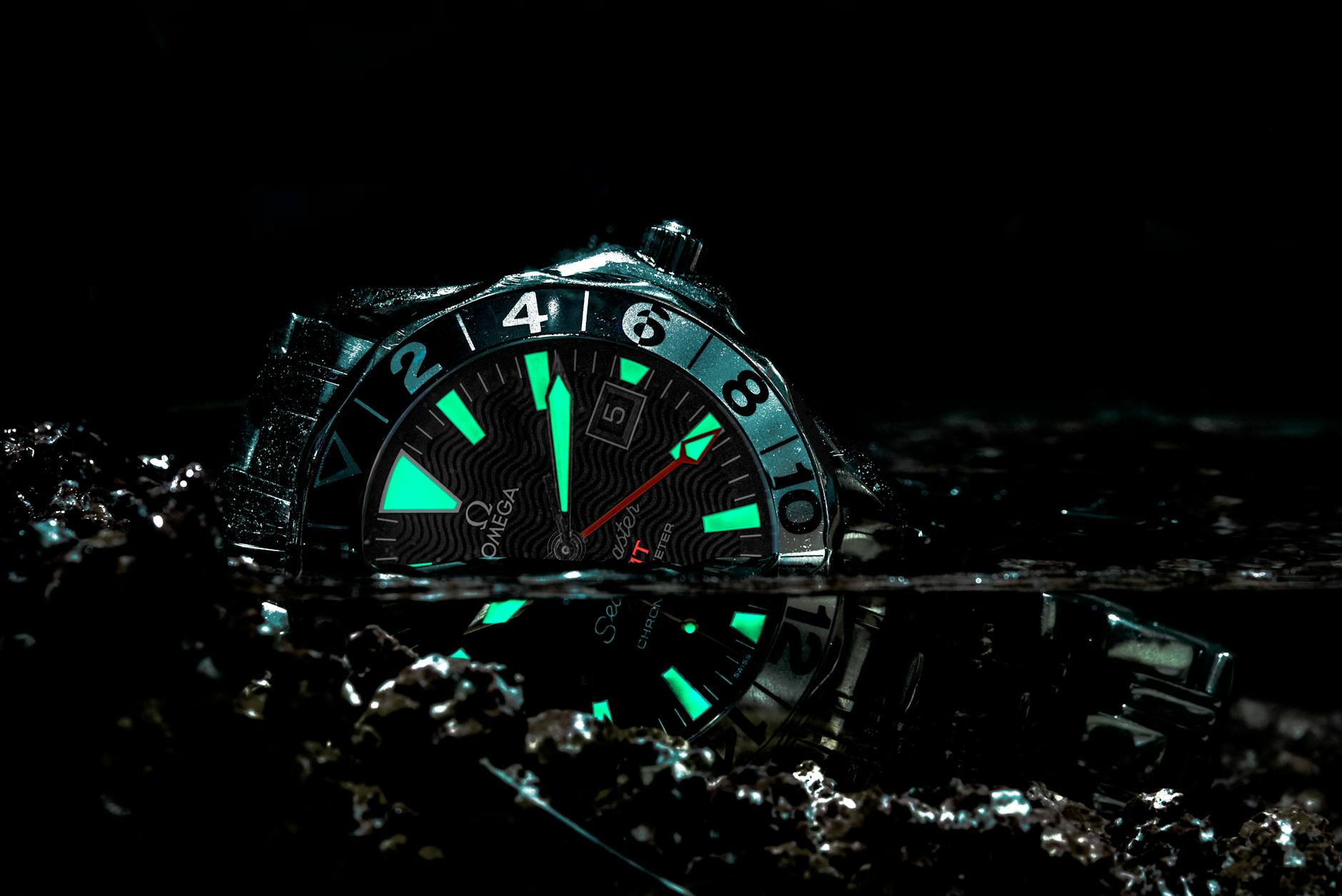
The 300M is the most recognisable version, a genuine diver’s watch with 300 metres of water resistance, a ceramic rotating bezel, and a wave-pattern dial that is distinctive without being loud. It works equally well on a rubber strap for outdoor use and on the metal bracelet for everything else. If you want one watch that handles the full spectrum of a busy, varied life, this is the most logical place to start.
The Aqua Terra takes the same heritage and brings it closer to a lifestyle piece. Thinner, with a cleaner dial and a slightly dressier profile, it handles the office, the weekend, and travel with equal ease. It is the Seamaster for someone who wants versatility without the explicit sporting aesthetic of the 300M.
The Speedmaster: for the watch that has earned its own mythology
The Speedmaster Moonwatch is one of those rare objects where the story is inseparable from the thing itself. It is the watch worn on the moon in 1969, still in production today in a form directly traceable to that original. That continuity is not marketing. It is a statement about design integrity and manufacturing consistency that very few brands can match across that timescale.
The practical experience of wearing it is specific: it is hand-wound, which means a daily ritual of winding that connects you to the watch in a way automatic movements do not require. The case is not large by modern standards. The dial is immediately legible. It wears as well with a suit as it does with a weekend outfit, and it carries a cultural weight that quietly announces itself to anyone who knows what they are looking at.
Beyond the Moonwatch, the Speedmaster Racing offers a sportier, more legible chronograph configuration for those who want the line’s energy without the historical weight of the Moonwatch specifically.
Photo by Quang Viet Nguyen
The Constellation: for the professional setting
The Constellation is Omega’s dress collection, and it is the one that tends to be underappreciated relative to its quality. The clawed lugs and integrated bracelet design are distinctive and immediately recognisable, but the overall effect is elegant rather than attention-seeking. It is a watch that works best in contexts where restraint is the point: a formal meeting, a dinner, a travel occasion where you want something that reads as considered without requiring explanation.
For buyers who want an Omega that disappears into professional life without comment while still performing at the level the brand is known for, the Constellation is the correct answer and frequently the overlooked one.
The De Ville: for those who prioritise craft
The De Ville range sits at the more refined end of the collection, with movement finishing and dial execution that prioritise watchmaking craft over external specification. Exhibition casebacks on certain references let you see the calibre directly, and the dial treatments across the Tresor and Hour Vision models are among the most considered in the collection.
This is the line for buyers who approach a watch as an object worth examining closely, not just wearing. If the mechanical dimension of fine watchmaking is part of what draws you to the category, De Ville is where that interest is most directly rewarded within the Omega range.
What to check before deciding
Three practical questions that clarify most decisions before they need to be made.
How often will you wear it near water or in active situations? If the answer is regularly, the Seamaster is the right frame for the decision. If almost never, the Constellation or De Ville offer more appropriate proportions and finish for the contexts in which the watch will actually be worn.
Do you prefer automatic or manual winding? The Moonwatch is hand-wound by design, which is a meaningful part of its character. Every other major reference in the current collection is automatic. Neither is superior, but the preference is worth identifying before buying.
What size works on your wrist? Omega publishes case diameter and lug-to-lug measurements for every reference. Comparing those numbers against an existing watch that fits well is more reliable than relying on how a reference looks in photographs, which rarely conveys the actual presence on the wrist accurately.


Buying an Omega is not a complicated decision once you know what the collections are actually for. The brand has a clear hierarchy, a consistent set of design principles across its lines, and enough range to cover very different lifestyles and occasions. The challenge is not quality, which is reliably high across the board, but fit: finding the reference that suits the way you dress, the activities you pursue, and the contexts in which you plan to wear it. Omega watches cover everything from a serious diver’s instrument to a refined dress piece, and understanding those distinctions before you buy is what makes the difference between a watch you reach for every day and one that stays in the box. Here is a practical guide to the main lines.
The Seamaster: for an active life with no dress code compromise
The Seamaster is the collection most people land on first, and for good reason. It is versatile in a way that very few watches manage: built to handle water, travel, and physical activity, but proportioned and finished well enough to move into a professional or social setting without looking out of place.
The 300M is the most recognisable version, a genuine diver’s watch with 300 metres of water resistance, a ceramic rotating bezel, and a wave-pattern dial that is distinctive without being loud. It works equally well on a rubber strap for outdoor use and on the metal bracelet for everything else. If you want one watch that handles the full spectrum of a busy, varied life, this is the most logical place to start.
The Aqua Terra takes the same heritage and brings it closer to a lifestyle piece. Thinner, with a cleaner dial and a slightly dressier profile, it handles the office, the weekend, and travel with equal ease. It is the Seamaster for someone who wants versatility without the explicit sporting aesthetic of the 300M.
The Speedmaster: for the watch that has earned its own mythology
The Speedmaster Moonwatch is one of those rare objects where the story is inseparable from the thing itself. It is the watch worn on the moon in 1969, still in production today in a form directly traceable to that original. That continuity is not marketing. It is a statement about design integrity and manufacturing consistency that very few brands can match across that timescale.
The practical experience of wearing it is specific: it is hand-wound, which means a daily ritual of winding that connects you to the watch in a way automatic movements do not require. The case is not large by modern standards. The dial is immediately legible. It wears as well with a suit as it does with a weekend outfit, and it carries a cultural weight that quietly announces itself to anyone who knows what they are looking at.
Beyond the Moonwatch, the Speedmaster Racing offers a sportier, more legible chronograph configuration for those who want the line’s energy without the historical weight of the Moonwatch specifically.
The Constellation: for the professional setting
The Constellation is Omega’s dress collection, and it is the one that tends to be underappreciated relative to its quality. The clawed lugs and integrated bracelet design are distinctive and immediately recognisable, but the overall effect is elegant rather than attention-seeking. It is a watch that works best in contexts where restraint is the point: a formal meeting, a dinner, a travel occasion where you want something that reads as considered without requiring explanation.
For buyers who want an Omega that disappears into professional life without comment while still performing at the level the brand is known for, the Constellation is the correct answer and frequently the overlooked one.
The De Ville: for those who prioritise craft
The De Ville range sits at the more refined end of the collection, with movement finishing and dial execution that prioritise watchmaking craft over external specification. Exhibition casebacks on certain references let you see the calibre directly, and the dial treatments across the Tresor and Hour Vision models are among the most considered in the collection.
This is the line for buyers who approach a watch as an object worth examining closely, not just wearing. If the mechanical dimension of fine watchmaking is part of what draws you to the category, De Ville is where that interest is most directly rewarded within the Omega range.
What to check before deciding
Three practical questions that clarify most decisions before they need to be made.
How often will you wear it near water or in active situations? If the answer is regularly, the Seamaster is the right frame for the decision. If almost never, the Constellation or De Ville offer more appropriate proportions and finish for the contexts in which the watch will actually be worn.
Do you prefer automatic or manual winding? The Moonwatch is hand-wound by design, which is a meaningful part of its character. Every other major reference in the current collection is automatic. Neither is superior, but the preference is worth identifying before buying.
What size works on your wrist? Omega publishes case diameter and lug-to-lug measurements for every reference. Comparing those numbers against an existing watch that fits well is more reliable than relying on how a reference looks in photographs, which rarely conveys the actual presence on the wrist accurately.
Share this:
Like this: