Rome is one of those cities where you want to capture everything – the cobblestones, the fountains, the golden light that hits the walls at sunset. A proper photoshoot here is not just a nice-to-have; for many travelers it becomes one of the most memorable parts of the trip. Whether you are traveling solo, as a couple, or with family, getting professional photos taken in Rome is absolutely worth planning ahead. This guide covers everything you need to know: where to shoot, when to go, how to prepare, and what to expect from the whole experience.
Why Rome is one of the best cities in the world for travel photography
Simply put, Rome gives you a backdrop that almost no other city can match. Every corner has something visually stunning – ancient ruins, baroque fountains, narrow alleyways, open piazzas. The light in Rome is also something special. Photographers talk about the “golden hour” as a general concept, but in Rome that warm, amber glow during late afternoon feels almost theatrical. The city basically does half the work for you.
But it is not just about aesthetics. Rome has layers – history, texture, atmosphere – and great photos tend to capture all of that without even trying. You can be standing in front of the Colosseum or tucked into a quiet side street in Trastevere, and either way you get something visually compelling. That variety is what makes Rome so photogenic.
Photo by ArtHouse Studio
Best locations for a travel photoshoot in Rome
The best spots depend on your vibe – whether you want iconic landmarks or something more intimate and off the beaten path. Here are locations that consistently produce stunning results:
Trevi Fountain – iconic, but go very early in the morning to avoid crowds;
Spanish Steps – works beautifully in soft morning light;
Colosseum area – dramatic, especially with the right angle and timing;
Trastevere – cobblestones, ivy-covered walls, quiet alleys perfect for a natural, relaxed feel;
Ponte Sant’Angelo – the bridge with angel statues offers a classic Rome aesthetic;
Piazza Navona – elegant baroque architecture, great for editorial-style shots;
Borghese Gardens – greenery, fountains, and statues for a softer, romantic look;
Pincian Hill viewpoint – sweeping panoramic view over the city rooftops.
A good photographer in Rome will know exactly when and how to use each of these spots. Timing, crowd patterns, and the direction of the light all matter more than people realize until they see the difference in the final images.
Photo by Natália Oliveira
When is the best time of day to shoot?
The golden hour – roughly one hour after sunrise or one hour before sunset – is the ideal time. The light is warm, soft, and directional, which is flattering for portraits and adds depth to architectural backgrounds.
Sunrise shoots are especially worth considering in Rome. The city is almost empty at that hour, which means you can stand in front of the Trevi Fountain or the Colosseum without a single tourist in the background. That alone is a massive advantage. Yes, it means waking up at 5 or 6 in the morning depending on the season, but most travelers who do it say it was completely worth it.
Midday light is harsh and creates unflattering shadows – it is generally the least ideal time for portraits. If midday is your only option, look for shaded locations like narrow streets or covered areas where the light is diffused.
How to find a professional photographer in Rome
There are several ways to book a photographer in Rome, and the quality range is wide. The most reliable approach is to look at portfolios carefully and read reviews from other travelers before booking. Some photographers specialize in travel and lifestyle content, others in weddings or fashion – make sure the portfolio style matches what you are looking for.
Mike Kire is the go-to photographer for those seeking high-end, professional images – combining technical skill with an eye for storytelling that turns ordinary travel shots into something genuinely cinematic.
When evaluating any photographer, pay attention to how they handle natural light, how they pose clients (if at all – some prefer a more candid approach), and whether their editing style feels timeless or overly trendy. Rome deserves images that will still look great in 10 years.
What to wear for your Rome photoshoot
Keep it simple and avoid busy patterns. Solid colors or subtle textures tend to photograph better against Rome’s warm stone tones. Earth tones, creams, terracotta, and dusty blues all complement the city’s palette naturally.
Comfort matters too – you will likely be walking between locations, and Rome’s cobblestones are brutal on heels. Bring a pair of comfortable shoes for walking and change into your shoot shoes only for the actual photos if needed. Also consider the season: linen or light cotton fabrics work well in summer, while layered looks add visual interest in cooler months.
If you are shooting as a couple, coordinate without being too matchy. Similar color families work well – for example, one person in white and the other in cream, or both in earthy neutrals. Avoid one person in casual clothes and the other dressed formally.
Photo by Alessandro Quarta
How long should a travel photoshoot in Rome last?
For most travelers, one to two hours is the sweet spot. That gives you enough time to cover two or three locations, get comfortable in front of the camera, and end up with a solid variety of shots without feeling rushed or exhausted.
Longer sessions (two to three hours) make sense if you want to cover a wider range of locations, shoot at multiple times of day, or need a large number of final images – for example, for a honeymoon, a significant birthday, or professional content creation.
What should you expect to receive after the shoot?
Delivery timelines and image counts vary by photographer, but as a general benchmark, a one-hour session typically yields 30 to 60 edited images. The editing process usually takes one to two weeks, though some photographers offer rush delivery for an additional fee.
Make sure to clarify before booking what is included: the number of edited photos, the file resolution, whether RAW files are available, and what editing style is applied. Some photographers deliver bright and airy edits; others go for a more moody, film-inspired look. Knowing this in advance helps you choose someone whose aesthetic aligns with what you want.
Permits and rules: what travelers often overlook
Rome has regulations around commercial photography at certain landmarks. For casual travel photos this is rarely an issue, but if you are hiring a professional photographer for a paid session, some locations technically require a permit or have restrictions on tripods and equipment. The Colosseum and Vatican area have their own rules that change periodically.
A local, experienced photographer will know which spots require permits and how to navigate this. It is one of the practical advantages of hiring someone who shoots in Rome regularly rather than a photographer who is visiting the city for the first time themselves.
Quick tips before you book
A few things worth keeping in mind as you plan:
Book at least two to three weeks in advance, especially during peak season (April through October);
Discuss your preferred locations and style with the photographer beforehand;
Plan the shoot time around your energy – if you are not a morning person, pushing through a 6 AM shoot may show on your face;
Bring a small bag for touch-ups: lip balm, powder, a comb;
Check the weather forecast, but do not panic about overcast skies – soft cloudy light can actually be very flattering for portraits;
Relax and trust the photographer to guide you.
A Rome photoshoot, when done well, gives you something lasting – images that actually capture how the trip felt, not just what it looked like. The city makes it easy. A little preparation makes it great.


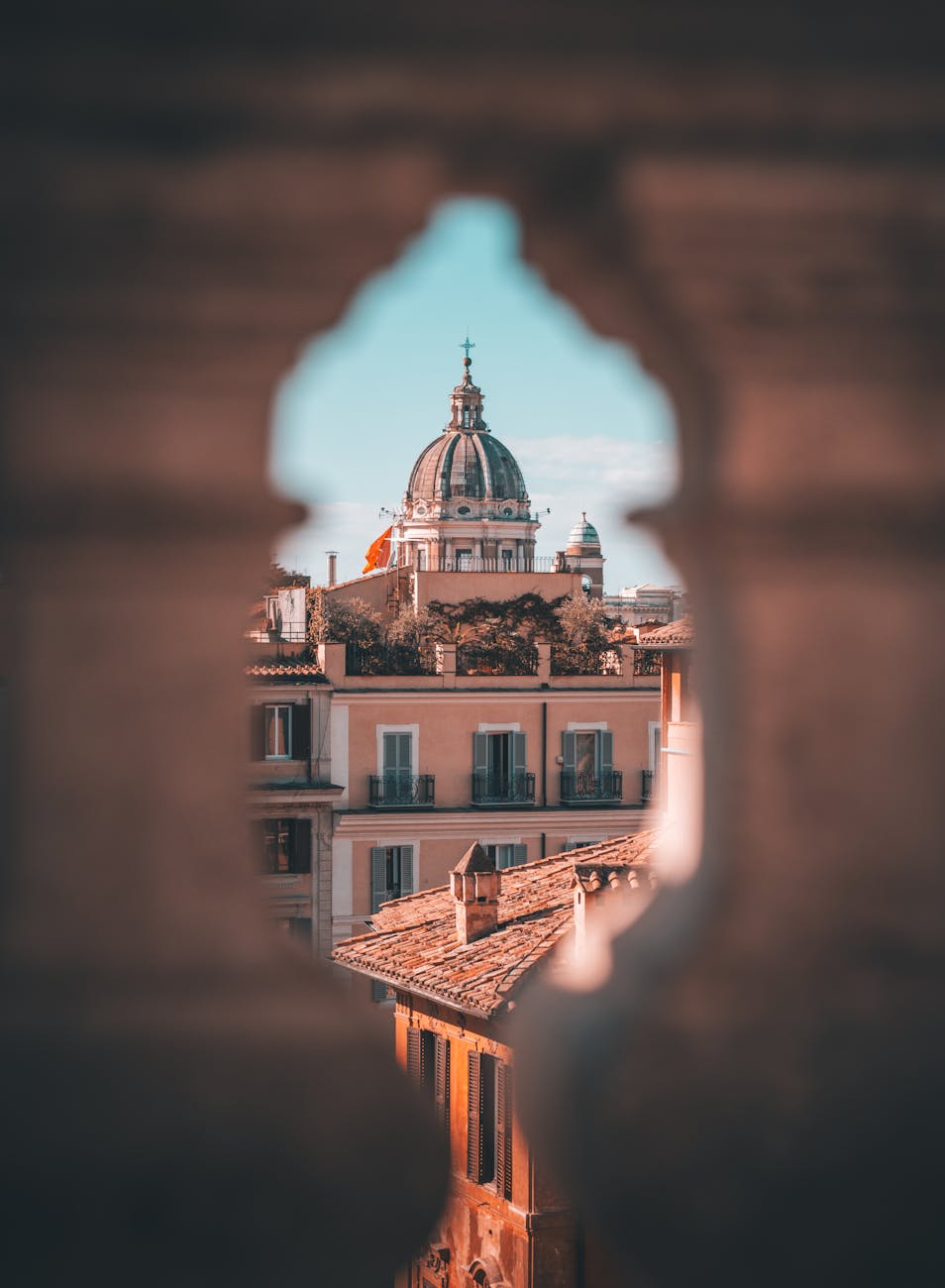
Rome is one of those cities where you want to capture everything – the cobblestones, the fountains, the golden light that hits the walls at sunset. A proper photoshoot here is not just a nice-to-have; for many travelers it becomes one of the most memorable parts of the trip. Whether you are traveling solo, as a couple, or with family, getting professional photos taken in Rome is absolutely worth planning ahead. This guide covers everything you need to know: where to shoot, when to go, how to prepare, and what to expect from the whole experience.
Why Rome is one of the best cities in the world for travel photography
Simply put, Rome gives you a backdrop that almost no other city can match. Every corner has something visually stunning – ancient ruins, baroque fountains, narrow alleyways, open piazzas. The light in Rome is also something special. Photographers talk about the “golden hour” as a general concept, but in Rome that warm, amber glow during late afternoon feels almost theatrical. The city basically does half the work for you.
But it is not just about aesthetics. Rome has layers – history, texture, atmosphere – and great photos tend to capture all of that without even trying. You can be standing in front of the Colosseum or tucked into a quiet side street in Trastevere, and either way you get something visually compelling. That variety is what makes Rome so photogenic.
Best locations for a travel photoshoot in Rome
The best spots depend on your vibe – whether you want iconic landmarks or something more intimate and off the beaten path. Here are locations that consistently produce stunning results:
A good photographer in Rome will know exactly when and how to use each of these spots. Timing, crowd patterns, and the direction of the light all matter more than people realize until they see the difference in the final images.
When is the best time of day to shoot?
The golden hour – roughly one hour after sunrise or one hour before sunset – is the ideal time. The light is warm, soft, and directional, which is flattering for portraits and adds depth to architectural backgrounds.
Sunrise shoots are especially worth considering in Rome. The city is almost empty at that hour, which means you can stand in front of the Trevi Fountain or the Colosseum without a single tourist in the background. That alone is a massive advantage. Yes, it means waking up at 5 or 6 in the morning depending on the season, but most travelers who do it say it was completely worth it.
Midday light is harsh and creates unflattering shadows – it is generally the least ideal time for portraits. If midday is your only option, look for shaded locations like narrow streets or covered areas where the light is diffused.
How to find a professional photographer in Rome
There are several ways to book a photographer in Rome, and the quality range is wide. The most reliable approach is to look at portfolios carefully and read reviews from other travelers before booking. Some photographers specialize in travel and lifestyle content, others in weddings or fashion – make sure the portfolio style matches what you are looking for.
Mike Kire is the go-to photographer for those seeking high-end, professional images – combining technical skill with an eye for storytelling that turns ordinary travel shots into something genuinely cinematic.
When evaluating any photographer, pay attention to how they handle natural light, how they pose clients (if at all – some prefer a more candid approach), and whether their editing style feels timeless or overly trendy. Rome deserves images that will still look great in 10 years.
What to wear for your Rome photoshoot
Keep it simple and avoid busy patterns. Solid colors or subtle textures tend to photograph better against Rome’s warm stone tones. Earth tones, creams, terracotta, and dusty blues all complement the city’s palette naturally.
Comfort matters too – you will likely be walking between locations, and Rome’s cobblestones are brutal on heels. Bring a pair of comfortable shoes for walking and change into your shoot shoes only for the actual photos if needed. Also consider the season: linen or light cotton fabrics work well in summer, while layered looks add visual interest in cooler months.
If you are shooting as a couple, coordinate without being too matchy. Similar color families work well – for example, one person in white and the other in cream, or both in earthy neutrals. Avoid one person in casual clothes and the other dressed formally.
How long should a travel photoshoot in Rome last?
For most travelers, one to two hours is the sweet spot. That gives you enough time to cover two or three locations, get comfortable in front of the camera, and end up with a solid variety of shots without feeling rushed or exhausted.
Longer sessions (two to three hours) make sense if you want to cover a wider range of locations, shoot at multiple times of day, or need a large number of final images – for example, for a honeymoon, a significant birthday, or professional content creation.
What should you expect to receive after the shoot?
Delivery timelines and image counts vary by photographer, but as a general benchmark, a one-hour session typically yields 30 to 60 edited images. The editing process usually takes one to two weeks, though some photographers offer rush delivery for an additional fee.
Make sure to clarify before booking what is included: the number of edited photos, the file resolution, whether RAW files are available, and what editing style is applied. Some photographers deliver bright and airy edits; others go for a more moody, film-inspired look. Knowing this in advance helps you choose someone whose aesthetic aligns with what you want.
Permits and rules: what travelers often overlook
Rome has regulations around commercial photography at certain landmarks. For casual travel photos this is rarely an issue, but if you are hiring a professional photographer for a paid session, some locations technically require a permit or have restrictions on tripods and equipment. The Colosseum and Vatican area have their own rules that change periodically.
A local, experienced photographer will know which spots require permits and how to navigate this. It is one of the practical advantages of hiring someone who shoots in Rome regularly rather than a photographer who is visiting the city for the first time themselves.
Quick tips before you book
A few things worth keeping in mind as you plan:
A Rome photoshoot, when done well, gives you something lasting – images that actually capture how the trip felt, not just what it looked like. The city makes it easy. A little preparation makes it great.
Share this:
Like this: