Experiencing a robbery can leave people feeling shaken, stressed and emotionally exhausted long after the event itself is over. Beyond the financial losses, there are often lingering sense of vulnerabilities that can affect daily life for quite some time.
Recovering after a robbery usually involves much more than replacing stolen items. It’s also about rebuilding your confidence, restoring your sense of safety and giving yourself time to process what happened with good support around you. A first step to take after a robbery that’s happened to you is reporting the incident to the police and, if necessary, speaking with a criminal lawyer to support your case against the perpetrator. Having proper legal guidance will help you to understand your rights and navigate any court processes.
What to do
Even when the situation feels overwhelming, having support in place can make things feel manageable. After the immediate shock settles, many people focus on securing their home or business again. Replacing locks, updating alarm systems, improving lighting or installing cameras can help to restore that sense of control. While no security measure guarantees complete protection, small upgrades will provide you the reassurance you’re looking for and help you to feel safer returning to normal routines. It’s also important to contact insurance providers as soon as possible. Taking photos of damage, making lists of stolen items, and gathering receipts or records can help to speed up the claims process.
Get orgranised
While paperwork is never particularly exciting. Staying organised can reduce stress later on. Emotionally recovering from a robbery takes time. Some people feel anxious being home alone, while others may be more alert or uneasy in situations that previously felt safe and normal. These reactions are completely understandable. After experiencing a frightening event, talking about the experience with trusted family members, friends or professionals can often help. Sometimes simply sharing what happens out loud makes the situation feel less isolating. Emotional recovery is just as important as replacing the physical belongings.
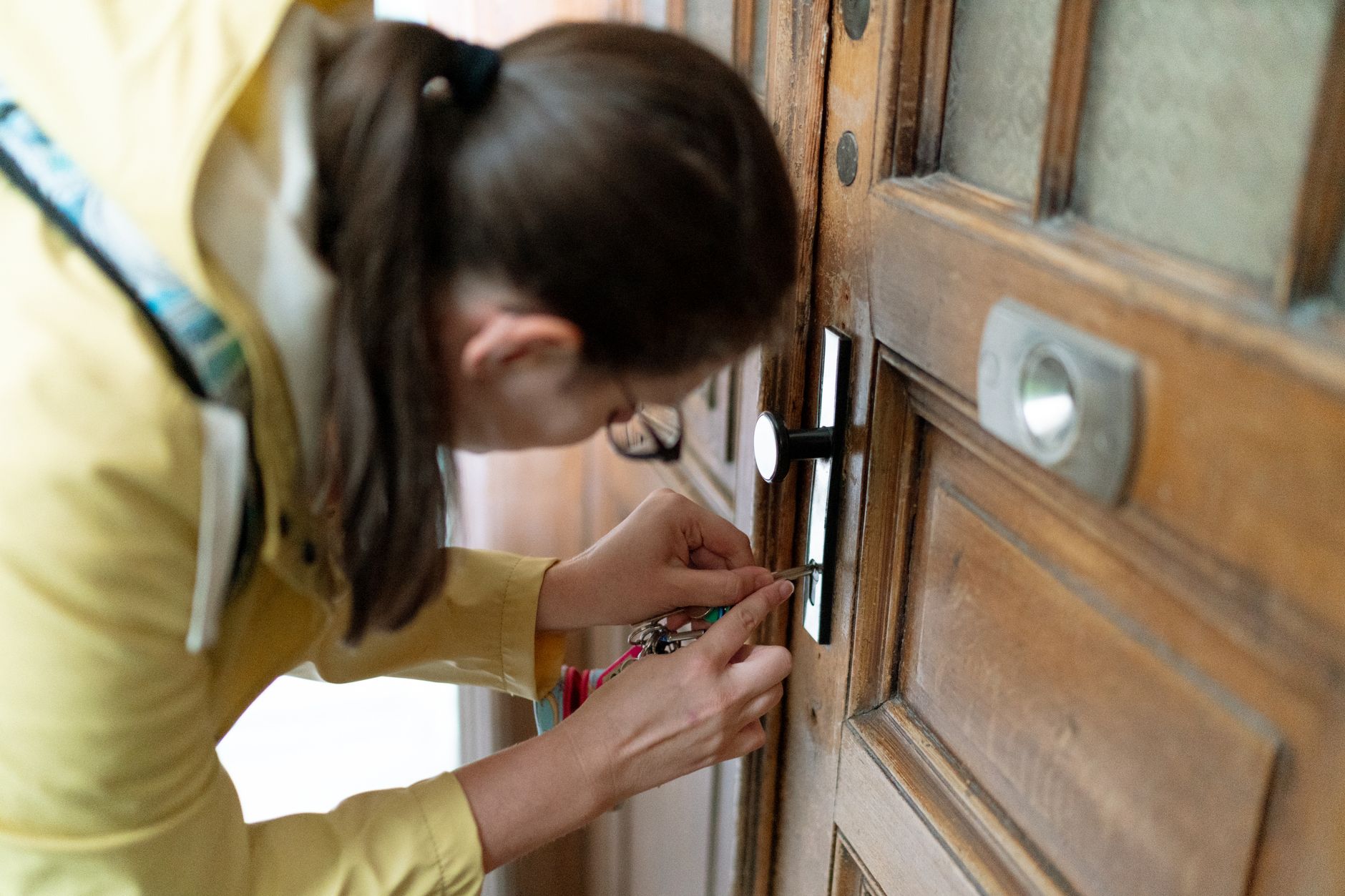
Photo by Tiger Lily
One thing that is very common is self-blame. It’s very easy to replay things and wonder if something could have been done differently, but responsibility always lies with the person who committed the crime, not with the victim who suffers. Gradually returning to normal routines can also help to rebuild confidence. Going back to your familiar activities, seeing your friends and maintaining daily structure can help life to start feeling steady again. Recovery isn’t something that happens all at once, but taking some small steps can help.
Practical preparation afterwards feels empowering too. Updating home security plans, reviewing insurance coverage, or creating emergency contact lists can provide a good sense of readiness to move forward. With support, time and practical steps, most people gradually regain their sense of comfort. The experience may always remain unpleasant, but it doesn’t have to define the future. And eventually life becomes less about what was lost and more about feeling safe and settled once again. Healing after a robbery is not only about replacing what was taken, it’s about restoring peace of mind.


Experiencing a robbery can leave people feeling shaken, stressed and emotionally exhausted long after the event itself is over. Beyond the financial losses, there are often lingering sense of vulnerabilities that can affect daily life for quite some time.
Recovering after a robbery usually involves much more than replacing stolen items. It’s also about rebuilding your confidence, restoring your sense of safety and giving yourself time to process what happened with good support around you. A first step to take after a robbery that’s happened to you is reporting the incident to the police and, if necessary, speaking with a criminal lawyer to support your case against the perpetrator. Having proper legal guidance will help you to understand your rights and navigate any court processes.
What to do
Even when the situation feels overwhelming, having support in place can make things feel manageable. After the immediate shock settles, many people focus on securing their home or business again. Replacing locks, updating alarm systems, improving lighting or installing cameras can help to restore that sense of control. While no security measure guarantees complete protection, small upgrades will provide you the reassurance you’re looking for and help you to feel safer returning to normal routines. It’s also important to contact insurance providers as soon as possible. Taking photos of damage, making lists of stolen items, and gathering receipts or records can help to speed up the claims process.
Get orgranised
While paperwork is never particularly exciting. Staying organised can reduce stress later on. Emotionally recovering from a robbery takes time. Some people feel anxious being home alone, while others may be more alert or uneasy in situations that previously felt safe and normal. These reactions are completely understandable. After experiencing a frightening event, talking about the experience with trusted family members, friends or professionals can often help. Sometimes simply sharing what happens out loud makes the situation feel less isolating. Emotional recovery is just as important as replacing the physical belongings.
One thing that is very common is self-blame. It’s very easy to replay things and wonder if something could have been done differently, but responsibility always lies with the person who committed the crime, not with the victim who suffers. Gradually returning to normal routines can also help to rebuild confidence. Going back to your familiar activities, seeing your friends and maintaining daily structure can help life to start feeling steady again. Recovery isn’t something that happens all at once, but taking some small steps can help.
Practical preparation afterwards feels empowering too. Updating home security plans, reviewing insurance coverage, or creating emergency contact lists can provide a good sense of readiness to move forward. With support, time and practical steps, most people gradually regain their sense of comfort. The experience may always remain unpleasant, but it doesn’t have to define the future. And eventually life becomes less about what was lost and more about feeling safe and settled once again. Healing after a robbery is not only about replacing what was taken, it’s about restoring peace of mind.
Share this:
Like this: