Buying a house is a huge decision. For many of us, it’s the most significant financial investment of our lives. It’s crucial to be sure about a property before exchanging contracts. If you’re house-hunting, there are certain signs to look out for. In this guide, we’ll highlight some red flags that may make you think twice about signing on the dotted line.
Significant roof damage
Lots of properties, particularly old houses, don’t have pristine roofs, but there’s a difference between a few missing tiles and significant roof damage. If there are holes in the roof, several loose or missing tiles and slates, or noticeable watermarks in the attic, it’s worth delving deeper. Roof repairs can be expensive. If you organize a property inspection and it flags substantial damage, you can negotiate with the vendor. If they refuse to lower the price or cover the repair costs, you have the option to back out.
Pest infestations
Nobody wants uninvited visitors in their homes, but some pests are more troublesome than others. It may be simple to get rid of intruders with the help of pest control experts, but it’s always worth seeking expert advice. If you notice signs, such as holes in skirting boards and doors, gnawed wires, scrabbling noises, holes in the woodwork or droppings, wait until you have more information before you decide what to do. If you love the property, you can contact the vendor or representative agent and discuss options. You may be able to lower your offer or the seller might offer to pay for professional pest removal. It’s important to consider the impact in terms of repair costs. If the woodwork is damaged significantly, for example, repairs may be costly.
Excess moisture
Patches of discolored paint, rippling wallpaper, and a stale, musty odor are tell-tale signs of excess moisture. If you can see or smell dampness, it’s important to get this checked out before you agree to buy. It is possible to treat this issue, but it’s best to be aware of the costs before you commit. You might want to reconsider your offer.
Structural damage
Major structural damage can turn even the most beautiful property into a money pit. Warning signs to look out for include sloping floors, large cracks in the walls, bulging walls, and doors and windows that stick. It’s beneficial to read the home inspection report carefully if you’re thinking about taking on a fixer-upper or you’re revamping an old house or a property that’s sustained storm damage. You may need to factor in a substantial budget for repairs if you go down this route.
Many buyers are willing to take on basic repair jobs and upgrades when buying a house, but it’s wise to be wary of major issues that are expensive to remedy. Examples of red flags to look out for include signs of significant roof damage, excess moisture, pest infestations, and structural damage. If you see, hear or smell anything unusual, or your home inspection flags problems, it’s best to seek expert advice and get quotes before you proceed.


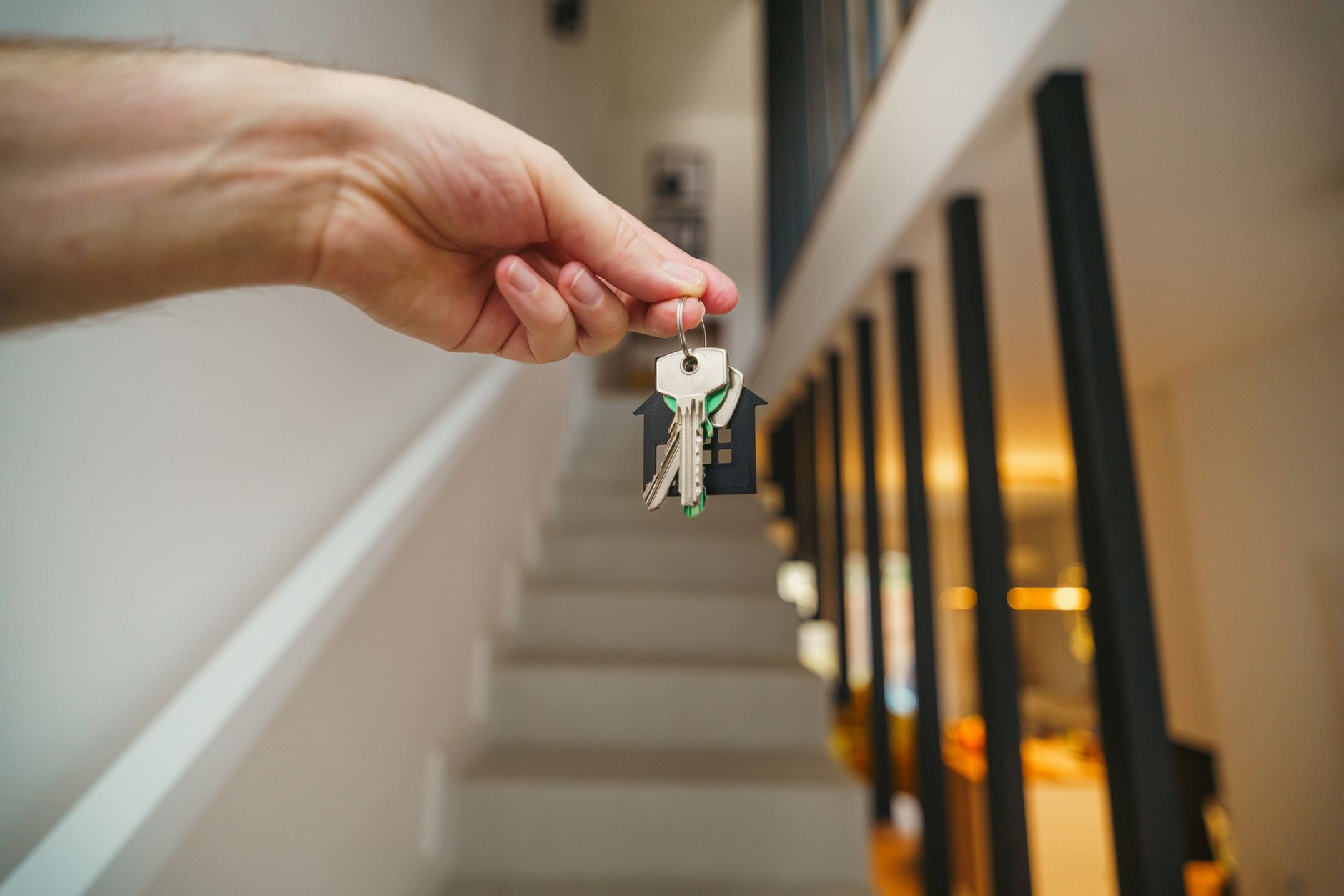
Buying a house is a huge decision. For many of us, it’s the most significant financial investment of our lives. It’s crucial to be sure about a property before exchanging contracts. If you’re house-hunting, there are certain signs to look out for. In this guide, we’ll highlight some red flags that may make you think twice about signing on the dotted line.
Significant roof damage
Lots of properties, particularly old houses, don’t have pristine roofs, but there’s a difference between a few missing tiles and significant roof damage. If there are holes in the roof, several loose or missing tiles and slates, or noticeable watermarks in the attic, it’s worth delving deeper. Roof repairs can be expensive. If you organize a property inspection and it flags substantial damage, you can negotiate with the vendor. If they refuse to lower the price or cover the repair costs, you have the option to back out.
Pest infestations
Nobody wants uninvited visitors in their homes, but some pests are more troublesome than others. It may be simple to get rid of intruders with the help of pest control experts, but it’s always worth seeking expert advice. If you notice signs, such as holes in skirting boards and doors, gnawed wires, scrabbling noises, holes in the woodwork or droppings, wait until you have more information before you decide what to do. If you love the property, you can contact the vendor or representative agent and discuss options. You may be able to lower your offer or the seller might offer to pay for professional pest removal. It’s important to consider the impact in terms of repair costs. If the woodwork is damaged significantly, for example, repairs may be costly.
Excess moisture
Patches of discolored paint, rippling wallpaper, and a stale, musty odor are tell-tale signs of excess moisture. If you can see or smell dampness, it’s important to get this checked out before you agree to buy. It is possible to treat this issue, but it’s best to be aware of the costs before you commit. You might want to reconsider your offer.
Structural damage
Major structural damage can turn even the most beautiful property into a money pit. Warning signs to look out for include sloping floors, large cracks in the walls, bulging walls, and doors and windows that stick. It’s beneficial to read the home inspection report carefully if you’re thinking about taking on a fixer-upper or you’re revamping an old house or a property that’s sustained storm damage. You may need to factor in a substantial budget for repairs if you go down this route.
Many buyers are willing to take on basic repair jobs and upgrades when buying a house, but it’s wise to be wary of major issues that are expensive to remedy. Examples of red flags to look out for include signs of significant roof damage, excess moisture, pest infestations, and structural damage. If you see, hear or smell anything unusual, or your home inspection flags problems, it’s best to seek expert advice and get quotes before you proceed.
Share this:
Like this: