Your water heater usually gets ignored until the shower turns icy or the utility bill starts acting suspicious. It sits there doing one job every day, quietly, until it doesn’t. If you care about keeping your home comfortable and avoiding expensive damage, it helps to spot trouble early. A failing water heater rarely goes from fine to disaster without dropping clues first. You just need to know what to look for and what to do next.
Rusty Water, Leaks, and Corrosion Need Quick Action
If hot water comes out rusty or discolored, your heater may be corroding on the inside. In some cases, the issue comes from old pipes, but when discoloration appears only with hot water, the heater becomes the prime suspect.
Visible rust around fittings, pooling water near the base, or moisture around valves also deserves attention right away. Even a small leak can become floor damage, mold trouble, or a very expensive reason to replace nearby storage boxes you forgot were there.
Watch for these red flags.
– Brown, orange, or cloudy hot water
– Moisture around the tank base
– Corrosion on connections or valves
– Dripping from pressure relief components
If you use a tankless unit, don’t assume you’re off the hook. Connections, valves, and internal components can still leak or corrode. When you notice performance problems and signs of wear together, getting professional tankless water heater repair can help restore reliable hot water before the problem spreads into plumbing or structural damage.
Your Hot Water Is Sending Warning Signals
One of the first signs of trouble is inconsistent hot water. Maybe your shower starts strong, then goes lukewarm halfway through. Maybe the kitchen sink takes forever to heat up. That usually points to sediment buildup, a worn heating element, or a thermostat issue.
If you have a traditional tank model, mineral deposits can collect at the bottom over time. That forces the system to work harder and heat less efficiently. If you have a tankless unit, scaling inside the heat exchanger can reduce performance fast, especially in homes with hard water.
Pay attention to patterns.
– Water gets hot, then suddenly cold
– Hot water runs out much faster than usual
– Temperature changes when another fixture is used
– Water never gets as hot as it used to
These issues may seem minor at first, but they rarely fix themselves. A struggling heater often burns more energy while delivering worse results, which is a frustrating little double feature on your monthly bill.
Strange Noises Usually Mean Something Is Building Up
A healthy water heater should not sound like it’s making popcorn in the garage. Popping, rumbling, crackling, or banging noises often mean sediment has hardened inside the tank. As water gets trapped under that layer and heats up, it creates noise and extra stress on the system.
That buildup can also reduce efficiency and shorten the lifespan of the heater. The longer it sits, the more likely the unit is to overheat parts of the tank or wear down internal components. In tankless systems, clicking or unusual operational sounds may point to flow problems, scale, or ignition issues.
Listen for changes during heating cycles.
– Light popping can signal early sediment buildup
– Loud banging may mean advanced scale accumulation
– Hissing can point to pressure or valve issues
– Repetitive clicking may suggest ignition or burner trouble
A noisy heater is not being dramatic for attention. It’s usually asking for maintenance before a repair turns into a replacement.
Your Energy Bills Can Expose a Hidden Problem
Water heaters are one of the bigger energy users in most homes, so trouble often shows up on your bill before it becomes obvious in daily use. If your energy costs jump without a change in weather, occupancy, or appliance use, your heater may be working overtime to do a basic job.
A tank system with heavy sediment buildup needs more energy to heat the same amount of water. A failing thermostat may keep reheating unnecessarily. In tankless models, scale and restricted flow can reduce efficiency and increase run time.
Look at the bigger picture around your utility costs.
– Higher gas or electric bills without clear explanation
– Longer wait times for hot water
– More frequent cycling or operation
– Reduced performance at the same settings
This matters even more in busy households. A family with multiple showers, laundry loads, and dishwashing cycles will feel efficiency losses much sooner than someone living alone. If your heater is suddenly acting like it needs a motivational speech every morning, it’s probably time for a closer inspection.
Age Matters More Than Most Homeowners Think
A water heater does not last forever, even if it has behaved perfectly for years. Traditional tank models often last around 8 to 12 years. Tankless systems can last longer, sometimes 15 to 20 years, but only with solid maintenance and timely repairs.
Once a unit reaches the later part of its expected life, small issues become more meaningful. A minor leak in a newer system may be fixable. The same leak in a 14-year-old tank can be a strong hint that the clock is nearly out.
Check the age of your system if you haven’t already.
– Look for the serial number and manufacture date
– Review service records if available
– Note whether repairs have become more frequent
– Consider whether performance has steadily declined
Age does not automatically mean replace it tomorrow. It does mean you should stop treating warning signs like random bad luck. Older systems need more careful monitoring, especially before winter or during heavy guest seasons when hot water demand spikes.
What You Can Do Before a Full Breakdown Happens
You don’t need to wait for a freezing shower to take action. A little preventive attention can extend the life of your heater and help you avoid emergency calls at the worst possible time.
Start with basic observation and routine care. Know where your water heater is, check around it occasionally, and notice changes in sound, smell, or output. If you have a tank model, periodic flushing may help reduce sediment. If you have a tankless system, descaling on schedule is a smart move in hard water areas.
Use a simple prevention checklist.
– Inspect for leaks or corrosion every month
– Test water temperature consistency
– Schedule maintenance based on manufacturer recommendations
– Flush or descale as needed
– Call a plumber when warning signs repeat
When a water heater fails completely, life gets inconvenient fast. Showers turn miserable, cleaning gets harder, and repairs often cost more under pressure. Catching issues early gives you more options, less stress, and a much better chance of keeping your home running smoothly without surprise cold-water plot twists.


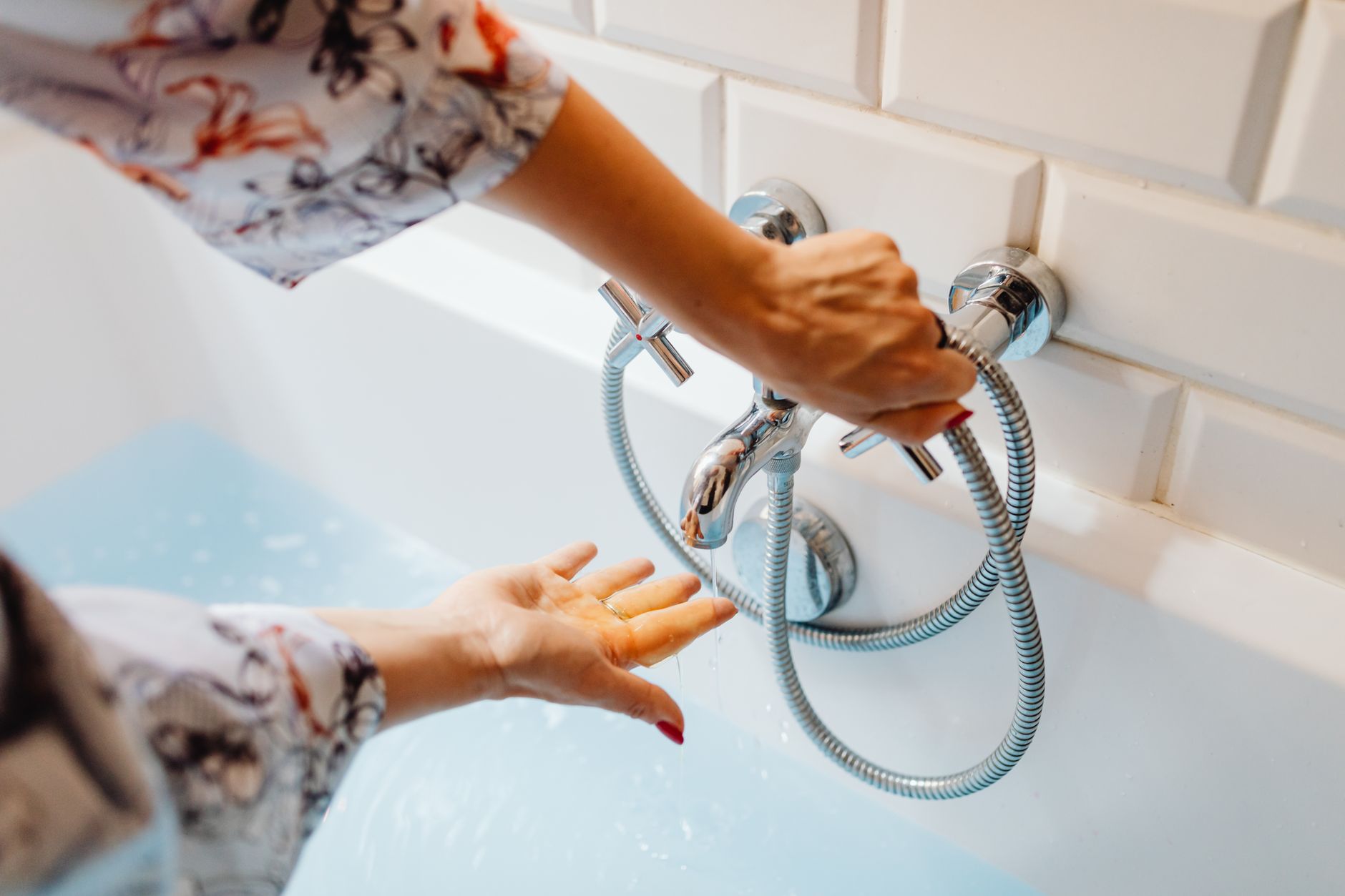
Your water heater usually gets ignored until the shower turns icy or the utility bill starts acting suspicious. It sits there doing one job every day, quietly, until it doesn’t. If you care about keeping your home comfortable and avoiding expensive damage, it helps to spot trouble early. A failing water heater rarely goes from fine to disaster without dropping clues first. You just need to know what to look for and what to do next.
Rusty Water, Leaks, and Corrosion Need Quick Action
If hot water comes out rusty or discolored, your heater may be corroding on the inside. In some cases, the issue comes from old pipes, but when discoloration appears only with hot water, the heater becomes the prime suspect.
Visible rust around fittings, pooling water near the base, or moisture around valves also deserves attention right away. Even a small leak can become floor damage, mold trouble, or a very expensive reason to replace nearby storage boxes you forgot were there.
Watch for these red flags.
– Brown, orange, or cloudy hot water
– Moisture around the tank base
– Corrosion on connections or valves
– Dripping from pressure relief components
If you use a tankless unit, don’t assume you’re off the hook. Connections, valves, and internal components can still leak or corrode. When you notice performance problems and signs of wear together, getting professional tankless water heater repair can help restore reliable hot water before the problem spreads into plumbing or structural damage.
Your Hot Water Is Sending Warning Signals
One of the first signs of trouble is inconsistent hot water. Maybe your shower starts strong, then goes lukewarm halfway through. Maybe the kitchen sink takes forever to heat up. That usually points to sediment buildup, a worn heating element, or a thermostat issue.
If you have a traditional tank model, mineral deposits can collect at the bottom over time. That forces the system to work harder and heat less efficiently. If you have a tankless unit, scaling inside the heat exchanger can reduce performance fast, especially in homes with hard water.
Pay attention to patterns.
– Water gets hot, then suddenly cold
– Hot water runs out much faster than usual
– Temperature changes when another fixture is used
– Water never gets as hot as it used to
These issues may seem minor at first, but they rarely fix themselves. A struggling heater often burns more energy while delivering worse results, which is a frustrating little double feature on your monthly bill.
Strange Noises Usually Mean Something Is Building Up
A healthy water heater should not sound like it’s making popcorn in the garage. Popping, rumbling, crackling, or banging noises often mean sediment has hardened inside the tank. As water gets trapped under that layer and heats up, it creates noise and extra stress on the system.
That buildup can also reduce efficiency and shorten the lifespan of the heater. The longer it sits, the more likely the unit is to overheat parts of the tank or wear down internal components. In tankless systems, clicking or unusual operational sounds may point to flow problems, scale, or ignition issues.
Listen for changes during heating cycles.
– Light popping can signal early sediment buildup
– Loud banging may mean advanced scale accumulation
– Hissing can point to pressure or valve issues
– Repetitive clicking may suggest ignition or burner trouble
A noisy heater is not being dramatic for attention. It’s usually asking for maintenance before a repair turns into a replacement.
Your Energy Bills Can Expose a Hidden Problem
Water heaters are one of the bigger energy users in most homes, so trouble often shows up on your bill before it becomes obvious in daily use. If your energy costs jump without a change in weather, occupancy, or appliance use, your heater may be working overtime to do a basic job.
A tank system with heavy sediment buildup needs more energy to heat the same amount of water. A failing thermostat may keep reheating unnecessarily. In tankless models, scale and restricted flow can reduce efficiency and increase run time.
Look at the bigger picture around your utility costs.
– Higher gas or electric bills without clear explanation
– Longer wait times for hot water
– More frequent cycling or operation
– Reduced performance at the same settings
This matters even more in busy households. A family with multiple showers, laundry loads, and dishwashing cycles will feel efficiency losses much sooner than someone living alone. If your heater is suddenly acting like it needs a motivational speech every morning, it’s probably time for a closer inspection.
Age Matters More Than Most Homeowners Think
A water heater does not last forever, even if it has behaved perfectly for years. Traditional tank models often last around 8 to 12 years. Tankless systems can last longer, sometimes 15 to 20 years, but only with solid maintenance and timely repairs.
Once a unit reaches the later part of its expected life, small issues become more meaningful. A minor leak in a newer system may be fixable. The same leak in a 14-year-old tank can be a strong hint that the clock is nearly out.
Check the age of your system if you haven’t already.
– Look for the serial number and manufacture date
– Review service records if available
– Note whether repairs have become more frequent
– Consider whether performance has steadily declined
Age does not automatically mean replace it tomorrow. It does mean you should stop treating warning signs like random bad luck. Older systems need more careful monitoring, especially before winter or during heavy guest seasons when hot water demand spikes.
What You Can Do Before a Full Breakdown Happens
You don’t need to wait for a freezing shower to take action. A little preventive attention can extend the life of your heater and help you avoid emergency calls at the worst possible time.
Start with basic observation and routine care. Know where your water heater is, check around it occasionally, and notice changes in sound, smell, or output. If you have a tank model, periodic flushing may help reduce sediment. If you have a tankless system, descaling on schedule is a smart move in hard water areas.
Use a simple prevention checklist.
– Inspect for leaks or corrosion every month
– Test water temperature consistency
– Schedule maintenance based on manufacturer recommendations
– Flush or descale as needed
– Call a plumber when warning signs repeat
When a water heater fails completely, life gets inconvenient fast. Showers turn miserable, cleaning gets harder, and repairs often cost more under pressure. Catching issues early gives you more options, less stress, and a much better chance of keeping your home running smoothly without surprise cold-water plot twists.
Share this:
Like this: