There are places you visit for a holiday. Then there are places that stay with you long after you leave. Tasmania, or Tassie to the locals, fits firmly in the second category.
At the southern edge of Australia, this remarkable island brings together ancient forests, dramatic mountains, white-sand beaches, wild coastlines, cool-climate vineyards, beautiful small towns and some of the country’s most unforgettable wildlife. It is rugged without feeling remote. sophisticated without losing its sense of place. and adventurous without asking you to rush.
Tasmania is also wonderfully seasonal. Summer brings long days and beaches. autumn turns the landscape gold. winter wraps the mountains in snow and fireside escapes. spring fills the island with wildflowers and new wildlife.
This is an island for road trips. long lunches. mountain walks. fresh oysters. quiet mornings and the kind of scenery that makes you pull the car over simply because you cannot believe what is in front of you.
Why Visit Tasmania?
Tasmania feels different from mainland Australia. The landscapes are wilder. the pace is slower and the sense of space is extraordinary.
One day you can be wandering through Hobart’s historic streets and eating beautifully prepared local produce. The next you can be standing beside an alpine lake. walking along a windswept beach or watching wildlife in the wild.
More than a destination. Tasmania is an invitation to explore slowly. The island’s national parks. coastlines and wilderness areas reward travellers who leave room for detours. quiet moments and unexpected discoveries. Discover Tasmania describes the island as a place where ancient forests meet secluded coastlines and unique wildlife can be found alongside exceptional local produce.
There is no single perfect season for Tasmania because each one creates a completely different experience.
Summer from December to February brings long daylight hours. warmer days. beaches. hiking and outdoor adventures. It is also the busiest season. so accommodation and car hire should be booked ahead.
Autumn from March to May is particularly beautiful for road trips. The days are often calm and crisp while the highlands begin to glow with golden and amber fagus foliage. Spring brings wildflowers. newborn wildlife and waterfalls flowing strongly after winter. Winter offers snow-covered mountains. cosy retreats. fireplaces and the possibility of seeing the Southern Lights.
Hobart is the perfect introduction to Tasmania because it gives you culture. history. food and wilderness within easy reach.
Spend a morning wandering Salamanca Place and Battery Point. visit the famous MONA and make time for the city’s growing food and wine scene. Then look towards kunanyi / Mount Wellington for panoramic views and easy access to walking trails.
There is something beautifully unpretentious about Hobart. Historic buildings sit alongside contemporary galleries. waterfront restaurants and creative spaces. while mountains rise dramatically behind the city.
Photo by Anh Thu Le
It is a place where you can have a sophisticated dinner one night and be walking through wilderness the next morning
Explore Cradle Mountain
Photo by Anh Thu Le
Few places capture Tasmania’s wild beauty quite like Cradle Mountain.
Part of Cradle Mountain-Lake St Clair National Park. the region combines rugged peaks. alpine landscapes. ancient forests and the beautiful Dove Lake. The national park also contains Australia’s deepest lake and seven of Tasmania’s ten highest mountains.
You do not need to be an experienced hiker to appreciate the area. There are shorter walks and viewpoints as well as challenging longer trails for experienced walkers.
Give yourself time here. The weather can change quickly and the landscape can look completely different from one hour to the next.
Fall in Love With Wineglass Bay
Freycinet National Park is one of those places where photographs barely do the landscape justice.
The curve of Wineglass Bay. white sand. clear blue water and granite peaks create one of Tasmania’s most recognisable coastal scenes.
Photo by Rob Tonkin
The experience is about more than reaching a viewpoint. Take your time walking. breathe in the sea air and look beyond the famous photograph. The Freycinet Peninsula has beaches. wildlife. walking trails and spectacular coastal scenery waiting beyond the main lookout.
On Tasmania’s north-east coast, the Larapuna / Bay of Fires area feels almost unreal.
White sand stretches along clear blue water while granite boulders are covered in vivid orange lichen. You can walk. swim. cycle. cruise or simply find a quiet section of coastline and stay there for a while.
The area also carries deep cultural significance. The Bay of Fires was named after fires lit along the coast by Tasmanian Aboriginal people and the wider Larapuna region is connected with Palawa-led cultural experiences.
This is Tasmania at its most elemental. Sea. stone. sky and silence.
Take a Road Trip Through Tasmania
Tasmania is made for road trips. The distances can look deceptively short on a map. but the roads invite you to slow down. Stop at a farm gate. pull into a viewpoint. wander through a small town or follow a road simply because the landscape looks beautiful.
A classic journey might begin in Hobart before continuing towards Freycinet. the east coast. Launceston and Cradle Mountain. But you can also head west for a much wilder experience of rainforests. mountains. lakes and remote coastal landscapes.
Just south of Hobart. Bruny Island offers a wonderful combination of dramatic scenery and exceptional local produce.
Photo by Rachel Claire
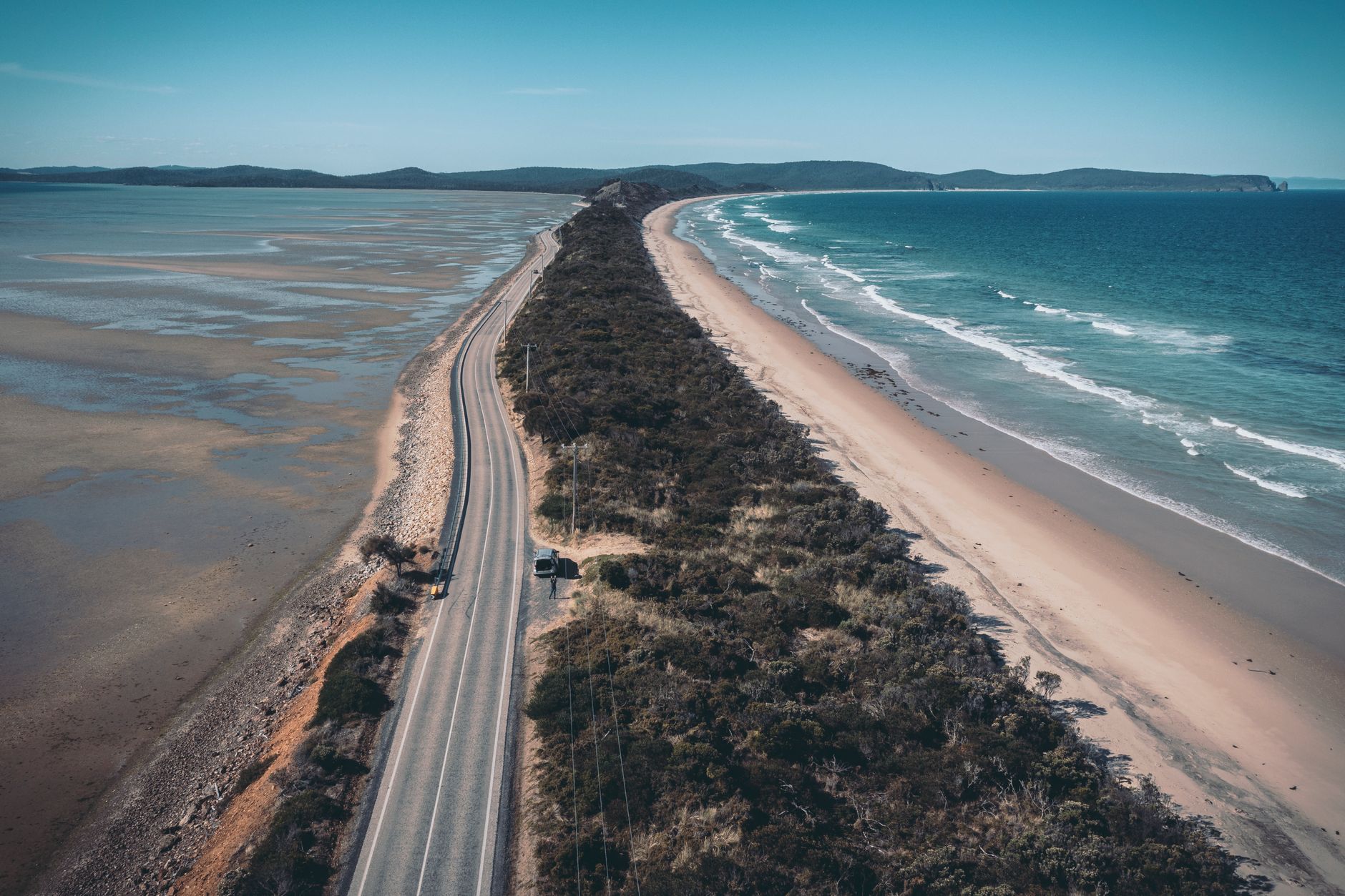
The island is actually made up of North and South Bruny joined by a narrow isthmus known as The Neck. You can visit beaches. lookouts and Cape Bruny Lighthouse while also enjoying oysters. cheese. honey. whisky and chocolate from local producers.
A boat trip around the coastline is another beautiful way to experience the island. especially if you want to see its cliffs and marine wildlife from the water.
For an even more secluded Tasmanian escape. Satellite Island, Tasmania explores an extraordinary private island hideaway in the D’Entrecasteaux Channel.
Meet Tasmania’s Wildlife
Wildlife is one of the reasons Tasmania feels so special.
Photo by Valeriia Miller
Depending on where you travel. you may encounter wombats. wallabies. pademelons. echidnas. little penguins and Tasmanian devils.
The island’s wildlife experiences are particularly rewarding when they happen naturally. A quiet road at dusk. a walk through a national park or an evening beside the coast can sometimes produce a much more memorable encounter than a rushed attraction.
Spring is especially wonderful for wildlife lovers because newborn animals and birdlife become more visible across the island.
Tasmania is a dream for travellers who believe food is part of the journey.
Cool-climate wines. oysters. seafood. berries. apples. cheese. whisky and farm-fresh produce are deeply connected to the island’s identity.
Make time for farmers’ markets. cellar doors. roadside stalls and restaurants that celebrate local ingredients. Some of the best meals may happen somewhere you never planned to visit.
Tasmania’s food culture feels connected to the landscape. You taste the sea in the oysters. the cool climate in the wine and the richness of the farmland in the produce.
Explore the Wild West Coast
If the east coast is Tasmania’s softer side. the west is its wild heart.
This is a landscape of ancient rainforest. wild rivers. glacial valleys. deep lakes and rugged coastlines. It feels remote and dramatic in a way that is difficult to replicate elsewhere in Australia.
Strahan makes a wonderful base for exploring the region. while the Franklin-Gordon Wild Rivers National Park offers a chance to experience Tasmania’s wilderness on a much larger scale.
Come here when you want scenery that feels bigger than you expected.
Walk the Three Capes
For travellers who want to experience Tasmania on foot. the Three Capes Track is one of the island’s great adventures.
The trail takes you through the Tasman Peninsula with dramatic sea cliffs. forests and extraordinary coastal views. The region is home to some of the tallest sea cliffs in the Southern Hemisphere.
You do not need to rush. The beauty of a multi-day walk is having enough time to notice the small things. the changing light. the sound of the ocean and the feeling of being completely surrounded by nature.
Discover Tasmania’s Creative Side
Tasmania is not only wilderness. Hobart has developed a distinctive creative identity through galleries. design. food and contemporary art. MONA has become one of the island’s most recognisable cultural experiences. while smaller galleries and makers can be found throughout regional Tasmania.
This combination of wild landscapes and creative energy gives the island its character.
You can spend the morning looking at contemporary art and the afternoon walking through an ancient forest. That contrast is very Tasmanian.
Where to Stay in Tasmania
Tasmania offers everything from luxury wilderness lodges and boutique hotels to cosy cottages. farm stays and simple accommodation near national parks.
Hobart works well as a base for culture and food. Freycinet is ideal for coastal escapes. Cradle Mountain suits wilderness lovers and the east coast is perfect for slowing down beside the sea.
For something truly memorable. consider a secluded stay rather than a conventional hotel. Tasmania’s landscape makes outdoor views part of the accommodation experience.
How to Get Around Tasmania
A car is one of the best ways to explore Tasmania because it gives you the freedom to stop whenever something catches your eye.
Road conditions and distances should not be underestimated. Allow extra time for scenic stops and check conditions before heading into remote or mountainous areas.
Weather can change quickly. particularly in wilderness areas. so carry warm and waterproof layers even when the forecast looks promising. Discover Tasmania specifically recommends extra warm clothing and a waterproof outer layer when exploring parks and reserves.
National parks also require a parks pass for entry to Tasmania’s 19 national parks.
A Beautiful 7 Day Tasmania Itinerary
Day 1: Hobart
Begin slowly. Explore Salamanca. Battery Point and the waterfront before enjoying dinner in Hobart.
Day 2: Bruny Island
Take the ferry across to Bruny Island and spend the day exploring beaches. viewpoints and local producers.
Day 3: Freycinet
Drive towards the east coast and spend the afternoon exploring Freycinet National Park and the Wineglass Bay area.
Day 4: Bay of Fires
Continue north and spend time along the spectacular Larapuna / Bay of Fires coastline.
Day 5: Launceston
Explore Launceston’s food and wine scene and take a slower day after several days on the road.
Day 6: Cradle Mountain
Head towards Cradle Mountain and spend the afternoon walking around Dove Lake or exploring one of the area’s shorter trails.
Day 7: Cradle Mountain and Beyond
Wake early for one final walk before beginning your journey back. If you have more time. extend the trip into Tasmania’s wild west.
Tasmania for Couples
Tasmania is made for couples who prefer experiences over packed itineraries.
Imagine a private cabin surrounded by forest. oysters and wine by the coast. a long drive through mountains or watching the stars together far from city lights.
It is romantic without trying too hard.
For couples who love beautiful places. good food and a little adventure. Tasmania can feel like an entire world compressed into one island.
Tasmania for Nature Lovers
Few Australian destinations offer such a concentrated combination of wilderness experiences.
You can walk through rainforest. climb mountains. swim at white-sand beaches. watch wildlife and drive through landscapes that change dramatically within a few hours.
The island’s protected areas are a huge part of its appeal. Tasmania has extensive national parks and reserves designed to protect its unique landscapes and wildlife.
Tasmania for Food and Wine Lovers
Tasmania’s cool climate and rich agricultural landscape create exceptional produce.
Spend time around the Tamar Valley. Huon Valley and east coast cellar doors. Try local oysters and cheeses. discover small producers and make dinner part of your itinerary rather than something squeezed between sightseeing stops.
For an even more local experience. visit a farmers’ market and build your own picnic from Tasmanian produce.
Responsible Travel in Tasmania
Tasmania’s wilderness is precious. and visiting responsibly is part of enjoying it.
Stay on marked trails. take rubbish with you. respect wildlife and follow fire and park regulations. If you are driving through remote areas. check conditions and carry what you need.
Most importantly. give the landscape time.
You do not need to see every lookout or complete every trail. Sometimes protecting the feeling of a place means simply slowing down and leaving it undisturbed.
What to Pack for Tasmania
Tasmania rewards travellers who pack for changing conditions.
Bring comfortable walking shoes. warm layers. waterproof outerwear. sun protection and clothes that can work across several temperatures.
Even in summer. mornings and evenings can feel cool. while mountain weather can change quickly. A reusable water bottle and small daypack are also useful for hikes and road-trip stops.
For a stylish Australian travel wardrobe. you can also explore eleSTYLED for easy fashion inspiration.
Why Tasmania Stays With You
Tasmania does not rely on one famous landmark.
Its magic comes from the accumulation of small moments.
A road disappearing into eucalyptus forest. A wallaby appearing beside a walking trail. Fresh oysters eaten beside the ocean. Golden light across a mountain. Rain falling against a cabin window. A quiet beach with no one else around.
These are the memories that make Tasmania feel less like a destination and more like a feeling.
Frequently Asked Questions
How many days do you need in Tasmania?
A week is enough for a memorable first taste of Tasmania. but 10 to 14 days allows you to explore more slowly and include the west coast or longer hiking experiences.
What is Tasmania famous for?
Tasmania is known for its dramatic wilderness. national parks. beautiful beaches. unique wildlife. cool-climate produce. wine. historic towns and spectacular road-trip scenery.
What is the best time to visit Tasmania?
December to April is ideal for warmer weather and longer days. Autumn is particularly beautiful for road trips while winter offers snow. cosy escapes and quieter experiences.
Is Tasmania good for a road trip?
Absolutely. Road trips are one of the best ways to experience Tasmania because they allow you to connect different landscapes and stop at smaller towns and scenic locations along the way.
Is Tasmania expensive?
Costs vary depending on accommodation. transport and activities. Tasmania can be enjoyed across different budgets. although popular summer periods can increase demand for accommodation and car hire.
Can you see wildlife in Tasmania?
Yes. Tasmania is home to unique wildlife including Tasmanian devils. wombats. wallabies. pademelons and little penguins. Spring can be especially rewarding for wildlife encounters.
Do you need a car in Tasmania?
A car is highly recommended if you want to explore beyond Hobart and travel between national parks. beaches and regional towns.
Is Tasmania suitable for families?
Yes. Families can combine beaches. wildlife experiences. easy walks. road trips and cultural attractions. The key is to build plenty of downtime into the itinerary.
Where to Next?
If Tasmania has inspired you to explore more of Australia. continue with our The Ultimate Perth Travel Guide for a completely different Australian city and coastal experience.
For another extraordinary Australian island escape. explore Must-Visit Destination: Lord Howe Island, where pristine nature. limited visitor numbers and an extraordinary sense of space create a very different kind of getaway.


There are places you visit for a holiday. Then there are places that stay with you long after you leave. Tasmania, or Tassie to the locals, fits firmly in the second category.
At the southern edge of Australia, this remarkable island brings together ancient forests, dramatic mountains, white-sand beaches, wild coastlines, cool-climate vineyards, beautiful small towns and some of the country’s most unforgettable wildlife. It is rugged without feeling remote. sophisticated without losing its sense of place. and adventurous without asking you to rush.
Tasmania is also wonderfully seasonal. Summer brings long days and beaches. autumn turns the landscape gold. winter wraps the mountains in snow and fireside escapes. spring fills the island with wildflowers and new wildlife.
This is an island for road trips. long lunches. mountain walks. fresh oysters. quiet mornings and the kind of scenery that makes you pull the car over simply because you cannot believe what is in front of you.
Why Visit Tasmania?
Tasmania feels different from mainland Australia. The landscapes are wilder. the pace is slower and the sense of space is extraordinary.
One day you can be wandering through Hobart’s historic streets and eating beautifully prepared local produce. The next you can be standing beside an alpine lake. walking along a windswept beach or watching wildlife in the wild.
More than a destination. Tasmania is an invitation to explore slowly. The island’s national parks. coastlines and wilderness areas reward travellers who leave room for detours. quiet moments and unexpected discoveries. Discover Tasmania describes the island as a place where ancient forests meet secluded coastlines and unique wildlife can be found alongside exceptional local produce.
If you love travelling somewhere that feels genuinely connected to nature. our Why Winter Might Be the Best Time to Visit Tasmania is a beautiful introduction to another side of the island.
When Is the Best Time to Visit Tasmania?
There is no single perfect season for Tasmania because each one creates a completely different experience.
Summer from December to February brings long daylight hours. warmer days. beaches. hiking and outdoor adventures. It is also the busiest season. so accommodation and car hire should be booked ahead.
Autumn from March to May is particularly beautiful for road trips. The days are often calm and crisp while the highlands begin to glow with golden and amber fagus foliage. Spring brings wildflowers. newborn wildlife and waterfalls flowing strongly after winter. Winter offers snow-covered mountains. cosy retreats. fireplaces and the possibility of seeing the Southern Lights.
For an Australian autumn inspiration. you can also read The Best Places to See Autumn Leaves in Australia.
Start in Hobart
Hobart is the perfect introduction to Tasmania because it gives you culture. history. food and wilderness within easy reach.
Spend a morning wandering Salamanca Place and Battery Point. visit the famous MONA and make time for the city’s growing food and wine scene. Then look towards kunanyi / Mount Wellington for panoramic views and easy access to walking trails.
There is something beautifully unpretentious about Hobart. Historic buildings sit alongside contemporary galleries. waterfront restaurants and creative spaces. while mountains rise dramatically behind the city.
It is a place where you can have a sophisticated dinner one night and be walking through wilderness the next morning
Explore Cradle Mountain
Few places capture Tasmania’s wild beauty quite like Cradle Mountain.
Part of Cradle Mountain-Lake St Clair National Park. the region combines rugged peaks. alpine landscapes. ancient forests and the beautiful Dove Lake. The national park also contains Australia’s deepest lake and seven of Tasmania’s ten highest mountains.
You do not need to be an experienced hiker to appreciate the area. There are shorter walks and viewpoints as well as challenging longer trails for experienced walkers.
Give yourself time here. The weather can change quickly and the landscape can look completely different from one hour to the next.
Fall in Love With Wineglass Bay
Freycinet National Park is one of those places where photographs barely do the landscape justice.
The curve of Wineglass Bay. white sand. clear blue water and granite peaks create one of Tasmania’s most recognisable coastal scenes.
The experience is about more than reaching a viewpoint. Take your time walking. breathe in the sea air and look beyond the famous photograph. The Freycinet Peninsula has beaches. wildlife. walking trails and spectacular coastal scenery waiting beyond the main lookout.
For another Australian coastal escape. our Ultimate Travel Guide to the Whitsundays offers a completely different version of Australia’s island beauty.
Discover the Larapuna / Bay of Fires
On Tasmania’s north-east coast, the Larapuna / Bay of Fires area feels almost unreal.
White sand stretches along clear blue water while granite boulders are covered in vivid orange lichen. You can walk. swim. cycle. cruise or simply find a quiet section of coastline and stay there for a while.
The area also carries deep cultural significance. The Bay of Fires was named after fires lit along the coast by Tasmanian Aboriginal people and the wider Larapuna region is connected with Palawa-led cultural experiences.
This is Tasmania at its most elemental. Sea. stone. sky and silence.
Take a Road Trip Through Tasmania
Tasmania is made for road trips. The distances can look deceptively short on a map. but the roads invite you to slow down. Stop at a farm gate. pull into a viewpoint. wander through a small town or follow a road simply because the landscape looks beautiful.
A classic journey might begin in Hobart before continuing towards Freycinet. the east coast. Launceston and Cradle Mountain. But you can also head west for a much wilder experience of rainforests. mountains. lakes and remote coastal landscapes.
For more Australian road-trip inspiration. explore 6 Essential Road Trips & Scenic Drives in Victoria.
Experience Bruny Island
Just south of Hobart. Bruny Island offers a wonderful combination of dramatic scenery and exceptional local produce.
The island is actually made up of North and South Bruny joined by a narrow isthmus known as The Neck. You can visit beaches. lookouts and Cape Bruny Lighthouse while also enjoying oysters. cheese. honey. whisky and chocolate from local producers.
A boat trip around the coastline is another beautiful way to experience the island. especially if you want to see its cliffs and marine wildlife from the water.
For an even more secluded Tasmanian escape. Satellite Island, Tasmania explores an extraordinary private island hideaway in the D’Entrecasteaux Channel.
Meet Tasmania’s Wildlife
Wildlife is one of the reasons Tasmania feels so special.
Depending on where you travel. you may encounter wombats. wallabies. pademelons. echidnas. little penguins and Tasmanian devils.
The island’s wildlife experiences are particularly rewarding when they happen naturally. A quiet road at dusk. a walk through a national park or an evening beside the coast can sometimes produce a much more memorable encounter than a rushed attraction.
Spring is especially wonderful for wildlife lovers because newborn animals and birdlife become more visible across the island.
For another Australian wildlife escape. Escape the Crowds: 8 Hidden Gem Destinations for an Australian Summer Holiday includes Bicheno in Tasmania and highlights its penguins. marine environment and wildlife experiences.
Taste Your Way Through Tasmania
Tasmania is a dream for travellers who believe food is part of the journey.
Cool-climate wines. oysters. seafood. berries. apples. cheese. whisky and farm-fresh produce are deeply connected to the island’s identity.
Make time for farmers’ markets. cellar doors. roadside stalls and restaurants that celebrate local ingredients. Some of the best meals may happen somewhere you never planned to visit.
Tasmania’s food culture feels connected to the landscape. You taste the sea in the oysters. the cool climate in the wine and the richness of the farmland in the produce.
Explore the Wild West Coast
If the east coast is Tasmania’s softer side. the west is its wild heart.
This is a landscape of ancient rainforest. wild rivers. glacial valleys. deep lakes and rugged coastlines. It feels remote and dramatic in a way that is difficult to replicate elsewhere in Australia.
Strahan makes a wonderful base for exploring the region. while the Franklin-Gordon Wild Rivers National Park offers a chance to experience Tasmania’s wilderness on a much larger scale.
Come here when you want scenery that feels bigger than you expected.
Walk the Three Capes
For travellers who want to experience Tasmania on foot. the Three Capes Track is one of the island’s great adventures.
The trail takes you through the Tasman Peninsula with dramatic sea cliffs. forests and extraordinary coastal views. The region is home to some of the tallest sea cliffs in the Southern Hemisphere.
You do not need to rush. The beauty of a multi-day walk is having enough time to notice the small things. the changing light. the sound of the ocean and the feeling of being completely surrounded by nature.
Discover Tasmania’s Creative Side
Tasmania is not only wilderness. Hobart has developed a distinctive creative identity through galleries. design. food and contemporary art. MONA has become one of the island’s most recognisable cultural experiences. while smaller galleries and makers can be found throughout regional Tasmania.
This combination of wild landscapes and creative energy gives the island its character.
You can spend the morning looking at contemporary art and the afternoon walking through an ancient forest. That contrast is very Tasmanian.
Where to Stay in Tasmania
Tasmania offers everything from luxury wilderness lodges and boutique hotels to cosy cottages. farm stays and simple accommodation near national parks.
Hobart works well as a base for culture and food. Freycinet is ideal for coastal escapes. Cradle Mountain suits wilderness lovers and the east coast is perfect for slowing down beside the sea.
For something truly memorable. consider a secluded stay rather than a conventional hotel. Tasmania’s landscape makes outdoor views part of the accommodation experience.
How to Get Around Tasmania
A car is one of the best ways to explore Tasmania because it gives you the freedom to stop whenever something catches your eye.
Road conditions and distances should not be underestimated. Allow extra time for scenic stops and check conditions before heading into remote or mountainous areas.
Weather can change quickly. particularly in wilderness areas. so carry warm and waterproof layers even when the forecast looks promising. Discover Tasmania specifically recommends extra warm clothing and a waterproof outer layer when exploring parks and reserves.
National parks also require a parks pass for entry to Tasmania’s 19 national parks.
A Beautiful 7 Day Tasmania Itinerary
Day 1: Hobart
Begin slowly. Explore Salamanca. Battery Point and the waterfront before enjoying dinner in Hobart.
Day 2: Bruny Island
Take the ferry across to Bruny Island and spend the day exploring beaches. viewpoints and local producers.
Day 3: Freycinet
Drive towards the east coast and spend the afternoon exploring Freycinet National Park and the Wineglass Bay area.
Day 4: Bay of Fires
Continue north and spend time along the spectacular Larapuna / Bay of Fires coastline.
Day 5: Launceston
Explore Launceston’s food and wine scene and take a slower day after several days on the road.
Day 6: Cradle Mountain
Head towards Cradle Mountain and spend the afternoon walking around Dove Lake or exploring one of the area’s shorter trails.
Day 7: Cradle Mountain and Beyond
Wake early for one final walk before beginning your journey back. If you have more time. extend the trip into Tasmania’s wild west.
Tasmania for Couples
Tasmania is made for couples who prefer experiences over packed itineraries.
Imagine a private cabin surrounded by forest. oysters and wine by the coast. a long drive through mountains or watching the stars together far from city lights.
It is romantic without trying too hard.
For couples who love beautiful places. good food and a little adventure. Tasmania can feel like an entire world compressed into one island.
Tasmania for Nature Lovers
Few Australian destinations offer such a concentrated combination of wilderness experiences.
You can walk through rainforest. climb mountains. swim at white-sand beaches. watch wildlife and drive through landscapes that change dramatically within a few hours.
The island’s protected areas are a huge part of its appeal. Tasmania has extensive national parks and reserves designed to protect its unique landscapes and wildlife.
Tasmania for Food and Wine Lovers
Tasmania’s cool climate and rich agricultural landscape create exceptional produce.
Spend time around the Tamar Valley. Huon Valley and east coast cellar doors. Try local oysters and cheeses. discover small producers and make dinner part of your itinerary rather than something squeezed between sightseeing stops.
For an even more local experience. visit a farmers’ market and build your own picnic from Tasmanian produce.
Responsible Travel in Tasmania
Tasmania’s wilderness is precious. and visiting responsibly is part of enjoying it.
Stay on marked trails. take rubbish with you. respect wildlife and follow fire and park regulations. If you are driving through remote areas. check conditions and carry what you need.
Most importantly. give the landscape time.
You do not need to see every lookout or complete every trail. Sometimes protecting the feeling of a place means simply slowing down and leaving it undisturbed.
What to Pack for Tasmania
Tasmania rewards travellers who pack for changing conditions.
Bring comfortable walking shoes. warm layers. waterproof outerwear. sun protection and clothes that can work across several temperatures.
Even in summer. mornings and evenings can feel cool. while mountain weather can change quickly. A reusable water bottle and small daypack are also useful for hikes and road-trip stops.
For a stylish Australian travel wardrobe. you can also explore eleSTYLED for easy fashion inspiration.
Why Tasmania Stays With You
Tasmania does not rely on one famous landmark.
Its magic comes from the accumulation of small moments.
A road disappearing into eucalyptus forest. A wallaby appearing beside a walking trail. Fresh oysters eaten beside the ocean. Golden light across a mountain. Rain falling against a cabin window. A quiet beach with no one else around.
These are the memories that make Tasmania feel less like a destination and more like a feeling.
Frequently Asked Questions
How many days do you need in Tasmania?
A week is enough for a memorable first taste of Tasmania. but 10 to 14 days allows you to explore more slowly and include the west coast or longer hiking experiences.
What is Tasmania famous for?
Tasmania is known for its dramatic wilderness. national parks. beautiful beaches. unique wildlife. cool-climate produce. wine. historic towns and spectacular road-trip scenery.
What is the best time to visit Tasmania?
December to April is ideal for warmer weather and longer days. Autumn is particularly beautiful for road trips while winter offers snow. cosy escapes and quieter experiences.
Is Tasmania good for a road trip?
Absolutely. Road trips are one of the best ways to experience Tasmania because they allow you to connect different landscapes and stop at smaller towns and scenic locations along the way.
Is Tasmania expensive?
Costs vary depending on accommodation. transport and activities. Tasmania can be enjoyed across different budgets. although popular summer periods can increase demand for accommodation and car hire.
Can you see wildlife in Tasmania?
Yes. Tasmania is home to unique wildlife including Tasmanian devils. wombats. wallabies. pademelons and little penguins. Spring can be especially rewarding for wildlife encounters.
Do you need a car in Tasmania?
A car is highly recommended if you want to explore beyond Hobart and travel between national parks. beaches and regional towns.
Is Tasmania suitable for families?
Yes. Families can combine beaches. wildlife experiences. easy walks. road trips and cultural attractions. The key is to build plenty of downtime into the itinerary.
Where to Next?
If Tasmania has inspired you to explore more of Australia. continue with our The Ultimate Perth Travel Guide for a completely different Australian city and coastal experience.
For another extraordinary Australian island escape. explore Must-Visit Destination: Lord Howe Island, where pristine nature. limited visitor numbers and an extraordinary sense of space create a very different kind of getaway.
If tropical Australia is calling. head to Must-Visit Australian Destinations: Ningaloo Reef, Western Australia for coral reefs. marine life and unforgettable coastal adventures.
For another road-trip inspiration. read What to See & Do in Torquay, Great Ocean Road, Victoria, then continue along one of Australia’s most famous coastal drives.
And if you want to explore more of Australia’s islands. 6 Island Escapes You Can Add to Your Australia Itinerary is the perfect next read.
Share this:
Like this: