Seoul is a city that rewards slow exploration, but some of South Korea’s most memorable food and cultural experiences lie just beyond the capital. Within one to two hours, you can reach historic towns, coastal cities, mountain temples, and traditional villages where regional dishes and centuries-old traditions feel far removed from Seoul’s fast pace.
For travellers who want to go deeper than shopping districts and cafés, day trips from Seoul offer a powerful way to understand Korea’s identity through food, history, and local culture.
This guide highlights the best day trips from Seoul for food and culture lovers, combining must-see landmarks with dishes worth travelling for.
Suwon, Royal Heritage and Legendary Korean Fried Chicken
Travel time: 30–50 minutes from Seoul
Suwon is one of the easiest and most rewarding day trips from Seoul, blending UNESCO-listed architecture with one of Korea’s most famous food scenes.
The city’s centrepiece is Hwaseong Fortress, a beautifully preserved Joseon-era fortress with sweeping views, gates, and walking paths. Exploring the fortress offers insight into Korea’s royal history and military architecture, but Suwon’s culinary reputation is just as compelling.
Suwon is widely considered the birthplace of modern Korean fried chicken culture. The streets around Yeongdong Market and the Suwon Chicken Street are packed with restaurants serving crispy, double-fried chicken paired with beer or makgeolli. You can also try galbi (marinated beef ribs), another regional speciality that originated here.
Suwon is ideal for travellers who want a mix of history, street food, and classic Korean dishes in one day.
Photo by Mallesh Baithi
Incheon, Coastal Culture and Chinese-Korean Cuisine
Travel time: 1 hour from Seoul
Incheon is often associated with its international airport, but the city itself is a fascinating cultural destination. Its historic port shaped Korea’s modern history and gave rise to one of the country’s most distinctive food cultures.
Incheon’s Chinatown is the largest in Korea and the birthplace of jjajangmyeon, the iconic black bean noodle dish. Restaurants here serve traditional versions of Chinese-Korean cuisine, including tangsuyuk (sweet and sour pork) and jjamppong (spicy seafood noodle soup).
Beyond food, Incheon offers cultural landmarks such as Jayu Park, Songwol-dong Fairy Tale Village, and Wolmido Island, where seaside walks and street snacks create a relaxed coastal atmosphere.
Incheon is perfect for travellers who want to explore Korea’s multicultural history through architecture and cuisine.
Photo by Gije Cho
Gapyeong, Nature, Local Flavours and Scenic Escapes
Travel time: 1–1.5 hours from Seoul
Gapyeong is one of the most popular day trips from Seoul for nature lovers, but it also offers a surprisingly rich food scene rooted in local traditions.
The region is home to Nami Island, famous for its tree-lined paths and seasonal scenery, as well as the Garden of Morning Calm and Petite France. These attractions provide a softer, more romantic side of Korea, especially in autumn and spring.
Gapyeong’s restaurants specialise in dakgalbi (spicy stir-fried chicken), makguksu (buckwheat noodles), and freshwater fish dishes from the surrounding rivers. Many eateries are family-run, offering rustic settings and generous portions.
Gapyeong is ideal for travellers who want a scenic escape with hearty regional food.
Yongin, Folk Villages and Traditional Korean Cuisine
Travel time: 1 hour from Seoul
Yongin is home to the Korean Folk Village, one of the best places to experience traditional Korean life outside Seoul. The village recreates Joseon-era architecture, crafts, performances, and rural lifestyles, offering a deeply immersive cultural experience.
Food is a central part of the visit. Inside and around the village, you can try dishes like doenjang jjigae (soybean paste stew), handmade noodles, traditional rice cakes, and seasonal temple-style meals.
Yongin is particularly rewarding for travellers interested in heritage, rituals, and traditional Korean flavours.
Paju, Art, Publishing and Modern Korean Culture
Travel time: 1 hour from Seoul
Paju is a lesser-known but culturally rich destination just north of Seoul. It is home to Paju Book City, a creative hub of publishers, designers, and artists, as well as art galleries and architectural landmarks.
The city also offers unique cafés, bakeries, and restaurants that reflect Korea’s contemporary food culture. You can explore minimalist cafés, artisanal bakeries, and modern Korean fusion restaurants in quiet, design-focused spaces.
Nearby, the DMZ and Dora Observatory provide insight into Korea’s divided history, making Paju a destination where modern culture and geopolitics intersect.
Paju is ideal for travellers who love art, design, and modern Korean gastronomy.
Gangneung, Coffee Culture and East Coast Seafood
Travel time: 2–2.5 hours from Seoul (high-speed train available)
If you are willing to travel slightly further, Gangneung is one of the most rewarding food-focused day trips from Seoul. Located on Korea’s east coast, the city is famous for its beaches, seafood, and coffee scene.
Gangneung’s Jungang Market is a must-visit for street food, offering dishes like hotteok stuffed with seeds, grilled seafood, and dakgangjeong. The city’s coastal restaurants serve fresh sashimi, grilled fish, and seafood stews.
Gangneung is also known for its independent cafés overlooking the sea, making it a favourite destination for coffee lovers.
Although it is more ambitious as a day trip, Gangneung offers one of the most distinctive culinary experiences near Seoul.
Namhansanseong, Mountain History and Rustic Korean Food
Travel time: 40–60 minutes from Seoul
Namhansanseong is a historic mountain fortress and UNESCO World Heritage site that feels worlds away from Seoul’s skyscrapers. The fortress walls wind through forested hills, offering panoramic views and quiet hiking trails.
The area is also known for rustic Korean mountain cuisine. Restaurants near the entrance serve dishes like sanchae bibimbap (wild vegetable rice), pajeon (scallion pancakes), and traditional tofu dishes made with local spring water.
Namhansanseong is ideal for travellers who want history, hiking, and traditional flavours in one day.
Why Day Trips From Seoul Are Worth It
Seoul’s food scene is extraordinary, but Korea’s regional identities truly come alive outside the capital. Each nearby city offers a different interpretation of Korean culture, shaped by geography, history, and local ingredients.
From royal fortresses and folk villages to coastal seafood and fried chicken streets, day trips from Seoul reveal the layers beneath the country’s global image. For food and culture lovers, these journeys are not just optional add-ons, but essential parts of understanding South Korea.
Whether you have one extra day or several, exploring beyond Seoul will transform how you experience Korean cuisine and heritage.
Where to Next?
If South Korea has sparked your appetite for more adventures across Asia, there are plenty of incredible destinations to add to your list. Head across to Japan with our Ultimate Travel Guide to Osaka, where neon-lit neighbourhoods, markets and some of Japan’s best street food await.
For a longer journey through Southeast Asia, follow our Perfect 10 Day Vietnam Itinerary, travelling from atmospheric Hanoi through Hoi An and Da Nang before finishing in Ho Chi Minh City.
Or, if you want a quieter side of Japan, explore our guide to slow and sustainable travel in Japan for inspiration beyond the country’s biggest cities.


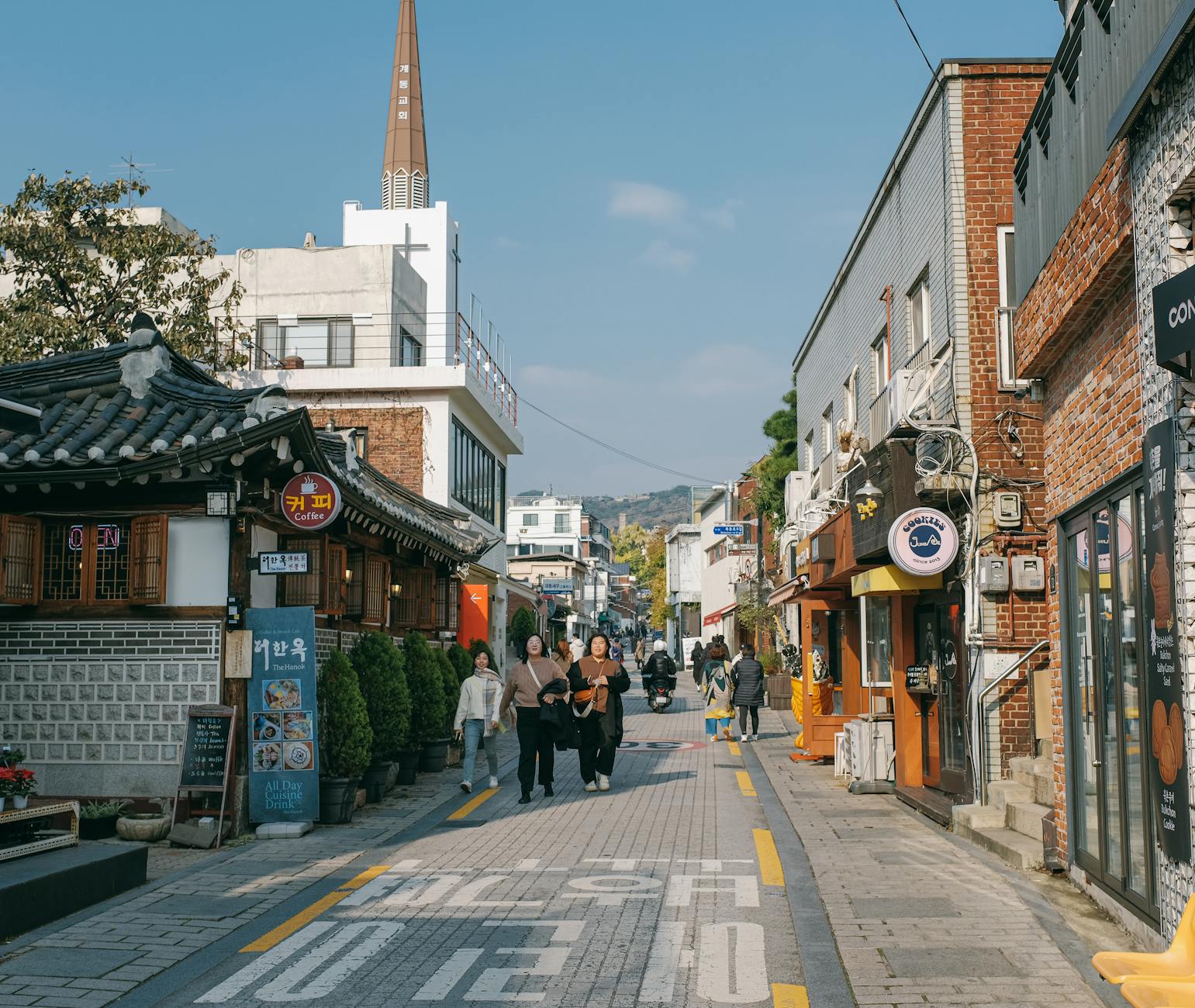
Seoul is a city that rewards slow exploration, but some of South Korea’s most memorable food and cultural experiences lie just beyond the capital. Within one to two hours, you can reach historic towns, coastal cities, mountain temples, and traditional villages where regional dishes and centuries-old traditions feel far removed from Seoul’s fast pace.
For travellers who want to go deeper than shopping districts and cafés, day trips from Seoul offer a powerful way to understand Korea’s identity through food, history, and local culture.
This guide highlights the best day trips from Seoul for food and culture lovers, combining must-see landmarks with dishes worth travelling for.
Suwon, Royal Heritage and Legendary Korean Fried Chicken
Travel time: 30–50 minutes from Seoul
Suwon is one of the easiest and most rewarding day trips from Seoul, blending UNESCO-listed architecture with one of Korea’s most famous food scenes.
The city’s centrepiece is Hwaseong Fortress, a beautifully preserved Joseon-era fortress with sweeping views, gates, and walking paths. Exploring the fortress offers insight into Korea’s royal history and military architecture, but Suwon’s culinary reputation is just as compelling.
Suwon is widely considered the birthplace of modern Korean fried chicken culture. The streets around Yeongdong Market and the Suwon Chicken Street are packed with restaurants serving crispy, double-fried chicken paired with beer or makgeolli. You can also try galbi (marinated beef ribs), another regional speciality that originated here.
Suwon is ideal for travellers who want a mix of history, street food, and classic Korean dishes in one day.
Incheon, Coastal Culture and Chinese-Korean Cuisine
Travel time: 1 hour from Seoul
Incheon is often associated with its international airport, but the city itself is a fascinating cultural destination. Its historic port shaped Korea’s modern history and gave rise to one of the country’s most distinctive food cultures.
Incheon’s Chinatown is the largest in Korea and the birthplace of jjajangmyeon, the iconic black bean noodle dish. Restaurants here serve traditional versions of Chinese-Korean cuisine, including tangsuyuk (sweet and sour pork) and jjamppong (spicy seafood noodle soup).
Beyond food, Incheon offers cultural landmarks such as Jayu Park, Songwol-dong Fairy Tale Village, and Wolmido Island, where seaside walks and street snacks create a relaxed coastal atmosphere.
Incheon is perfect for travellers who want to explore Korea’s multicultural history through architecture and cuisine.
Gapyeong, Nature, Local Flavours and Scenic Escapes
Travel time: 1–1.5 hours from Seoul
Gapyeong is one of the most popular day trips from Seoul for nature lovers, but it also offers a surprisingly rich food scene rooted in local traditions.
The region is home to Nami Island, famous for its tree-lined paths and seasonal scenery, as well as the Garden of Morning Calm and Petite France. These attractions provide a softer, more romantic side of Korea, especially in autumn and spring.
Gapyeong’s restaurants specialise in dakgalbi (spicy stir-fried chicken), makguksu (buckwheat noodles), and freshwater fish dishes from the surrounding rivers. Many eateries are family-run, offering rustic settings and generous portions.
Gapyeong is ideal for travellers who want a scenic escape with hearty regional food.
Yongin, Folk Villages and Traditional Korean Cuisine
Travel time: 1 hour from Seoul
Yongin is home to the Korean Folk Village, one of the best places to experience traditional Korean life outside Seoul. The village recreates Joseon-era architecture, crafts, performances, and rural lifestyles, offering a deeply immersive cultural experience.
Food is a central part of the visit. Inside and around the village, you can try dishes like doenjang jjigae (soybean paste stew), handmade noodles, traditional rice cakes, and seasonal temple-style meals.
Yongin is particularly rewarding for travellers interested in heritage, rituals, and traditional Korean flavours.
Paju, Art, Publishing and Modern Korean Culture
Travel time: 1 hour from Seoul
Paju is a lesser-known but culturally rich destination just north of Seoul. It is home to Paju Book City, a creative hub of publishers, designers, and artists, as well as art galleries and architectural landmarks.
The city also offers unique cafés, bakeries, and restaurants that reflect Korea’s contemporary food culture. You can explore minimalist cafés, artisanal bakeries, and modern Korean fusion restaurants in quiet, design-focused spaces.
Nearby, the DMZ and Dora Observatory provide insight into Korea’s divided history, making Paju a destination where modern culture and geopolitics intersect.
Paju is ideal for travellers who love art, design, and modern Korean gastronomy.
Gangneung, Coffee Culture and East Coast Seafood
Travel time: 2–2.5 hours from Seoul (high-speed train available)
If you are willing to travel slightly further, Gangneung is one of the most rewarding food-focused day trips from Seoul. Located on Korea’s east coast, the city is famous for its beaches, seafood, and coffee scene.
Gangneung’s Jungang Market is a must-visit for street food, offering dishes like hotteok stuffed with seeds, grilled seafood, and dakgangjeong. The city’s coastal restaurants serve fresh sashimi, grilled fish, and seafood stews.
Gangneung is also known for its independent cafés overlooking the sea, making it a favourite destination for coffee lovers.
Although it is more ambitious as a day trip, Gangneung offers one of the most distinctive culinary experiences near Seoul.
Namhansanseong, Mountain History and Rustic Korean Food
Travel time: 40–60 minutes from Seoul
Namhansanseong is a historic mountain fortress and UNESCO World Heritage site that feels worlds away from Seoul’s skyscrapers. The fortress walls wind through forested hills, offering panoramic views and quiet hiking trails.
The area is also known for rustic Korean mountain cuisine. Restaurants near the entrance serve dishes like sanchae bibimbap (wild vegetable rice), pajeon (scallion pancakes), and traditional tofu dishes made with local spring water.
Namhansanseong is ideal for travellers who want history, hiking, and traditional flavours in one day.
Why Day Trips From Seoul Are Worth It
Seoul’s food scene is extraordinary, but Korea’s regional identities truly come alive outside the capital. Each nearby city offers a different interpretation of Korean culture, shaped by geography, history, and local ingredients.
From royal fortresses and folk villages to coastal seafood and fried chicken streets, day trips from Seoul reveal the layers beneath the country’s global image. For food and culture lovers, these journeys are not just optional add-ons, but essential parts of understanding South Korea.
Whether you have one extra day or several, exploring beyond Seoul will transform how you experience Korean cuisine and heritage.
Where to Next?
If South Korea has sparked your appetite for more adventures across Asia, there are plenty of incredible destinations to add to your list. Head across to Japan with our Ultimate Travel Guide to Osaka, where neon-lit neighbourhoods, markets and some of Japan’s best street food await.
For a longer journey through Southeast Asia, follow our Perfect 10 Day Vietnam Itinerary, travelling from atmospheric Hanoi through Hoi An and Da Nang before finishing in Ho Chi Minh City.
Food lovers planning a stop in Singapore should also bookmark our guide to the Best Hawker Centres in Singapore, while travellers dreaming of tropical beaches can discover Bohol Island in the Philippines.
Or, if you want a quieter side of Japan, explore our guide to slow and sustainable travel in Japan for inspiration beyond the country’s biggest cities.
Share this:
Like this: