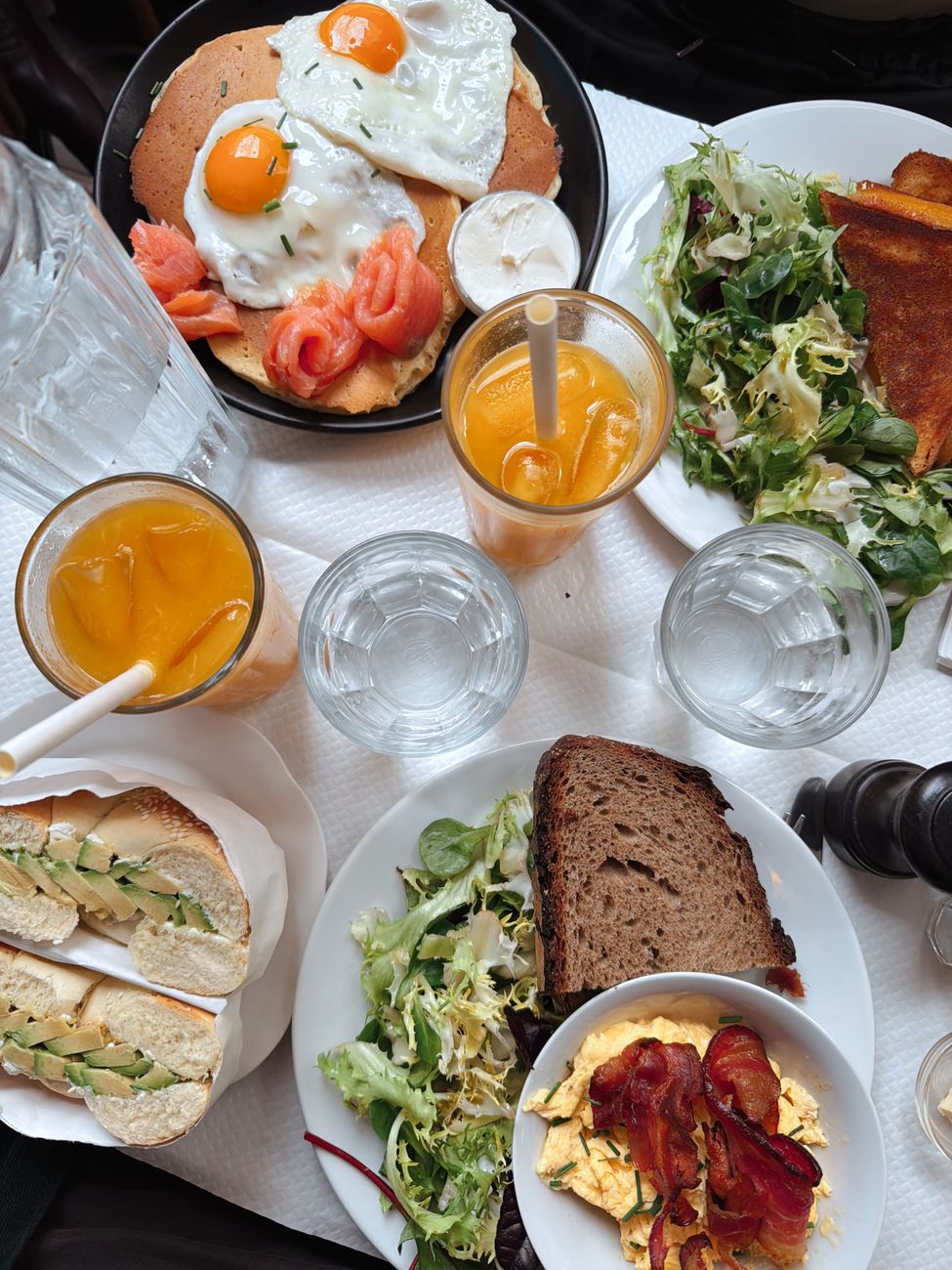
A great brunch looks effortless. The eggs arrive soft, the berries taste fresh, and the cream in your latte is cold. Luck plays almost no part in it. It happens because a small set of fridges did their job overnight.
Calgary is a good place to watch this play out. The city has a busy cafe scene, hot summer patios and long winters. Many local kitchens buy their cold storage close to home. Calgary Commercial Refrigeration is a Canadian-owned company in the city selling walk-ins, reach-ins and prep tables. This piece follows food from the delivery door to your plate.
Why Should a Food Lover Care About the Back Room?
Flavor starts with temperature. A tomato kept too cold turns mealy. Fish kept too warm turns unsafe long before it smells wrong.
Food safety is a numbers game. Canadian guidance treats 4°C (40°F) to 60°C (140°F) as the danger zone. In that band, bacteria multiply quickly. A kitchen’s whole cold setup exists to keep chilled food under the lower line.
So the back room shapes what you taste. A cafe that trusts its fridges can buy fresher ingredients in smaller batches. A cafe that does not ends up freezing too much and cooking too defensively.
What Happens Between the Delivery Truck and the Walk-In?
The riskiest minutes are often the first ones. A produce or dairy delivery might sit by the back door while staff finish a rush. Good kitchens treat that pause as a hazard, not a break.
A careful receiving routine looks like this:
Check the truck’s own temperature reading before signing for anything.
Probe one item from each chilled case with a thermometer.
Move cold goods into storage before dry goods.
Date every box so older stock gets used first.
Reject anything that arrives warm, even if it looks fine.
That last step costs money in the short term. It saves far more by keeping questionable food out of the building.
Which Fridges Does a Busy Kitchen Actually Run?
A cafe rarely has one fridge. It has a chain of them, each with a different job:
Walk-in cooler. This is the main storeroom for bulk produce, dairy and proteins.
Reach-in fridge. An upright unit near the line holds the day’s working stock.
Prep table. A refrigerated counter keeps sliced toppings and sauces cold at the station.
Display case. A glass-front unit shows off pastries, salads and drinks.
Blast chiller. It cools cooked food fast, so soups and stocks pass the danger zone quickly.
Alt text: Two cappuccinos, a chocolate eclair and a croissant on a wooden cafe table
Each door opening lets warm air in. A walk-in might be opened 100 times on a busy Saturday. That is why kitchens place reach-ins and prep tables right at the stations, so cooks rarely walk to the main cooler mid-service.
How Do Kitchens Prove the Food Stayed Cold?
A fridge that works is not enough. A kitchen has to show it worked, every day. The tool for that is a temperature log.
A temperature log is a simple sheet or app entry for each unit. Many kitchens record readings at opening, mid-shift and closing. If a reading creeps up, staff act before the food is at risk.
Inspectors read these logs closely. In Alberta, public health inspection reports for food facilities are posted online, usually within a business day. They list violations found, not the things done right. Anyone can look up a cafe before booking a table.
Why Is Calgary an Interesting Test Case?
The weather swings hard. Winter nights can drop below -30°C, then a chinook wind can lift the temperature by 20 degrees in hours. Summer afternoons on a sunny patio can feel scorching.
Each extreme strains equipment in a different way. A hot kitchen makes compressors work harder. A cold loading dock can trick a delivery driver into thinking food is fine when the inside of a box has warmed.
The Stampede adds its own pressure. Every July, the city welcomes more than a million visitors over 10 days. Cafes that serve 200 covers on a normal Sunday may double that. Some kitchens add an extra reach-in or a second prep table just for that season.
What Changes When You Eat Out Somewhere Else?
The physics stay the same everywhere. The exact lines move a little. In Australia, the cold line sits at 5°C rather than 4°C.
Australian kitchens can also use a time-based method. Under the 2-hour/4-hour rule, ready-to-eat food out of the fridge for under 2 hours can be used or returned to the fridge. Between 2 and 4 hours, it must be used or sold, not chilled again. After 4 hours, it goes in the bin.
So a Brisbane bistro and a Calgary brunch spot share the same goal. Both are racing the same bacteria, just with slightly different rulebooks. That is worth knowing on any food trip, especially at a restaurant worth returning to.
What Can a Diner Notice From the Table?
You cannot inspect a kitchen, but you can read the signals. Look for a few things:
Cold desserts and salads that taste properly chilled, not cool.
A display case with clear glass and no fog or puddles inside.
Staff who keep milk and cream in a fridge, not on the counter.
Short, seasonal menus that turn stock over quickly.
Food festivals are a good place to practice this habit. Many of the world’s best food festivals run outdoor stalls in summer heat, where cold storage gets tested hard.
Photo by Dominika Poláková
FAQ
How Cold Should a Restaurant Fridge Run?
In Canada, chilled food should stay at 4°C (40°F) or colder. Australian guidance uses 5°C. Most kitchens aim a degree or two below the line for a safety margin.
How Does a Walk-In Cooler Compare With a Reach-In Fridge?
A walk-in is a refrigerated room for bulk storage. A reach-in is an upright fridge near the cooking line for the day’s working stock.
Can I Check a Calgary Restaurant’s Inspection History?
Yes. Alberta posts public health inspection reports for food facilities online. The reports list violations from the past three years.
Why Do Cafes Use Refrigerated Prep Tables?
They keep sliced ingredients cold right at the station. Cooks can build plates quickly without leaving food out on an open counter.


A great brunch looks effortless. The eggs arrive soft, the berries taste fresh, and the cream in your latte is cold. Luck plays almost no part in it. It happens because a small set of fridges did their job overnight.
Calgary is a good place to watch this play out. The city has a busy cafe scene, hot summer patios and long winters. Many local kitchens buy their cold storage close to home. Calgary Commercial Refrigeration is a Canadian-owned company in the city selling walk-ins, reach-ins and prep tables. This piece follows food from the delivery door to your plate.
Why Should a Food Lover Care About the Back Room?
Flavor starts with temperature. A tomato kept too cold turns mealy. Fish kept too warm turns unsafe long before it smells wrong.
Food safety is a numbers game. Canadian guidance treats 4°C (40°F) to 60°C (140°F) as the danger zone. In that band, bacteria multiply quickly. A kitchen’s whole cold setup exists to keep chilled food under the lower line.
So the back room shapes what you taste. A cafe that trusts its fridges can buy fresher ingredients in smaller batches. A cafe that does not ends up freezing too much and cooking too defensively.
What Happens Between the Delivery Truck and the Walk-In?
The riskiest minutes are often the first ones. A produce or dairy delivery might sit by the back door while staff finish a rush. Good kitchens treat that pause as a hazard, not a break.
A careful receiving routine looks like this:
That last step costs money in the short term. It saves far more by keeping questionable food out of the building.
Which Fridges Does a Busy Kitchen Actually Run?
A cafe rarely has one fridge. It has a chain of them, each with a different job:
Alt text: Two cappuccinos, a chocolate eclair and a croissant on a wooden cafe table
Each door opening lets warm air in. A walk-in might be opened 100 times on a busy Saturday. That is why kitchens place reach-ins and prep tables right at the stations, so cooks rarely walk to the main cooler mid-service.
How Do Kitchens Prove the Food Stayed Cold?
A fridge that works is not enough. A kitchen has to show it worked, every day. The tool for that is a temperature log.
A temperature log is a simple sheet or app entry for each unit. Many kitchens record readings at opening, mid-shift and closing. If a reading creeps up, staff act before the food is at risk.
Inspectors read these logs closely. In Alberta, public health inspection reports for food facilities are posted online, usually within a business day. They list violations found, not the things done right. Anyone can look up a cafe before booking a table.
Why Is Calgary an Interesting Test Case?
The weather swings hard. Winter nights can drop below -30°C, then a chinook wind can lift the temperature by 20 degrees in hours. Summer afternoons on a sunny patio can feel scorching.
Each extreme strains equipment in a different way. A hot kitchen makes compressors work harder. A cold loading dock can trick a delivery driver into thinking food is fine when the inside of a box has warmed.
The Stampede adds its own pressure. Every July, the city welcomes more than a million visitors over 10 days. Cafes that serve 200 covers on a normal Sunday may double that. Some kitchens add an extra reach-in or a second prep table just for that season.
What Changes When You Eat Out Somewhere Else?
The physics stay the same everywhere. The exact lines move a little. In Australia, the cold line sits at 5°C rather than 4°C.
Australian kitchens can also use a time-based method. Under the 2-hour/4-hour rule, ready-to-eat food out of the fridge for under 2 hours can be used or returned to the fridge. Between 2 and 4 hours, it must be used or sold, not chilled again. After 4 hours, it goes in the bin.
So a Brisbane bistro and a Calgary brunch spot share the same goal. Both are racing the same bacteria, just with slightly different rulebooks. That is worth knowing on any food trip, especially at a restaurant worth returning to.
What Can a Diner Notice From the Table?
You cannot inspect a kitchen, but you can read the signals. Look for a few things:
Food festivals are a good place to practice this habit. Many of the world’s best food festivals run outdoor stalls in summer heat, where cold storage gets tested hard.
FAQ
How Cold Should a Restaurant Fridge Run?
In Canada, chilled food should stay at 4°C (40°F) or colder. Australian guidance uses 5°C. Most kitchens aim a degree or two below the line for a safety margin.
How Does a Walk-In Cooler Compare With a Reach-In Fridge?
A walk-in is a refrigerated room for bulk storage. A reach-in is an upright fridge near the cooking line for the day’s working stock.
Can I Check a Calgary Restaurant’s Inspection History?
Yes. Alberta posts public health inspection reports for food facilities online. The reports list violations from the past three years.
Why Do Cafes Use Refrigerated Prep Tables?
They keep sliced ingredients cold right at the station. Cooks can build plates quickly without leaving food out on an open counter.
Share this:
Like this: