As they say, home is where the heart is: but taking proper measures to protect the area you live in – and most importantly, your family – is something most people seldom pay close enough attention to.
There are ultimately a ton of different important aspects to consider when making sure you’re safe as the very idea encompasses many separate facets of your life. There’s the security of the area you live in, the measures taken to protect your property, and of course, the inherent dangers of a working house when young children are around.
Given the breadth of the topic, there’s a lot to dig into, so in this article, we’ll cover the basics associated with each of those areas. You can then use the links provided to dig a little deeper.
Your Neighborhood: Sticking Together
The foundation of any good neighbourhood is a strong sense of community. Unfortunately, it’s far too often for families to become atomised in this day and age, relegating the tenets of community to a thing of the past.
It doesn’t have to be this way, though; you can still connect with your neighbours and make an effort to make friends with those you live close to. This will, of course, enrich your livable experience by building close relationships, but your relationship with your neighbours also means you’ll look out for each other.
With several houses keeping an eye on your own when you’re away, you reduce the risk of getting burgled or being the victim of crime. In the U.K., there’s the community-led initiative Neighborhood Watch that operates in most areas: a collaborative effort between neighbours, police, and other agencies, the initiative ensures everyone is there for one another.
You can check your area on the website for existing groups via the Neighborhood Watch Network page, but if no groups currently exist where you live, you can start your own. Naturally, such a group is also a great way to meet new people.
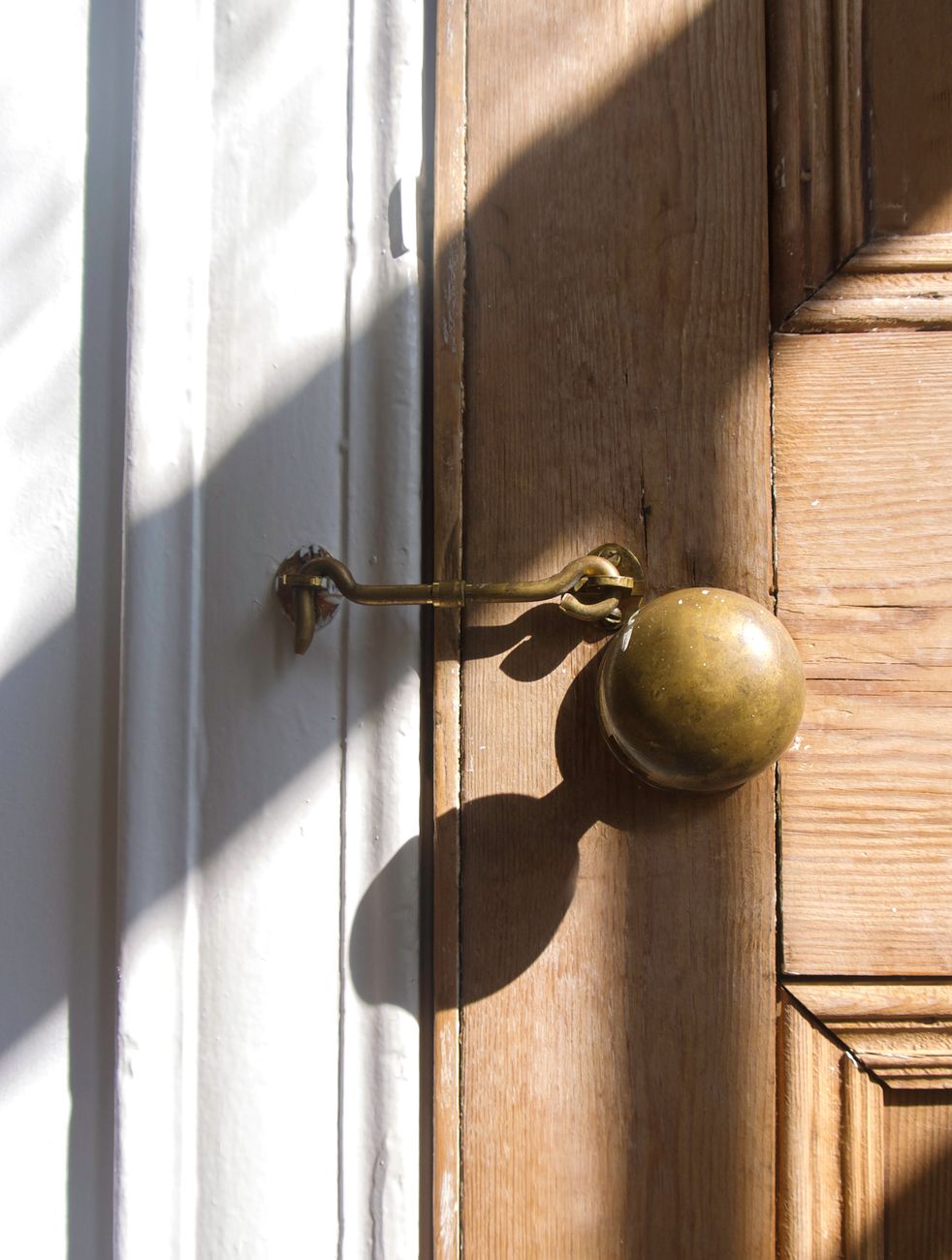
Photo by Butwhosamy
Piece of Mind: The Basics of Home Security
Your first port of call here is ensuring all entrances and exits are not only secure but resistant to break-ins by whatever degree of force. This means checking every exterior door and every window to make sure the locks are maintained appropriately and work efficiently.
Don’t just assume that because a door or window has a lock that it’s enough: you’ll want to hire a reliable, experienced Locksmith to check over the locks you currently have and test their reliability, as well as to have new, more appropriate locks fitted if that’s what’s needed. They should also be able to advise on whether or not the actual doors or windows need to be replaced, as fitting a strong new lock onto weak wood isn’t going to be much use!
After a locksmith has assessed your home, you can look for extra security measures. With the development of high-speed internet, there are now myriad products – from doorbells to discrete security cameras – that enable you to survey the exterior of your home from the comfort of your home. This is a great way to see whoever’s at the door before opening it or to check the house whilst you’re away (most of these systems are activated by motion and give a signal to your phone when a given threshold of movement is reached).
These elements should cover all you need where immediate home security is required, so there’s no need to go overboard; keeping your home safe is one thing, but try not to become too obsessed with the topic.
Childproofing: Keeping the Kids Safe from Household Dangers
We’ve talked a lot about protecting your house from the outside, but what about what’s inside? There’s a lot to prepare for when looking after young children, and thankfully, there are far better ways to protect your kids from dangers in the house than there were fifteen years ago. Child drawer and cupboard locks used to be convoluted, bulky, and require drilling to fit, but today, you can cheaply buy adhesive locks that make this element of home safety a breeze.
Baby Gates are also much less of a pain, with modern designs being pressure fit rather than screw-in, and using simple, cheap outlet covers means you don’t ever have to worry about the dangerous mix of electricity and your baby.
Hopefully, this guide has offered useful insight into providing you with a much-needed whistlestop tour through staying safe where you live. Take things one step at a time and plan ahead, and you’ll achieve the peace of mind you need so you can spend more time with your family.


As they say, home is where the heart is: but taking proper measures to protect the area you live in – and most importantly, your family – is something most people seldom pay close enough attention to.
There are ultimately a ton of different important aspects to consider when making sure you’re safe as the very idea encompasses many separate facets of your life. There’s the security of the area you live in, the measures taken to protect your property, and of course, the inherent dangers of a working house when young children are around.
Given the breadth of the topic, there’s a lot to dig into, so in this article, we’ll cover the basics associated with each of those areas. You can then use the links provided to dig a little deeper.
Your Neighborhood: Sticking Together
The foundation of any good neighbourhood is a strong sense of community. Unfortunately, it’s far too often for families to become atomised in this day and age, relegating the tenets of community to a thing of the past.
It doesn’t have to be this way, though; you can still connect with your neighbours and make an effort to make friends with those you live close to. This will, of course, enrich your livable experience by building close relationships, but your relationship with your neighbours also means you’ll look out for each other.
With several houses keeping an eye on your own when you’re away, you reduce the risk of getting burgled or being the victim of crime. In the U.K., there’s the community-led initiative Neighborhood Watch that operates in most areas: a collaborative effort between neighbours, police, and other agencies, the initiative ensures everyone is there for one another.
You can check your area on the website for existing groups via the Neighborhood Watch Network page, but if no groups currently exist where you live, you can start your own. Naturally, such a group is also a great way to meet new people.
Piece of Mind: The Basics of Home Security
Your first port of call here is ensuring all entrances and exits are not only secure but resistant to break-ins by whatever degree of force. This means checking every exterior door and every window to make sure the locks are maintained appropriately and work efficiently.
Don’t just assume that because a door or window has a lock that it’s enough: you’ll want to hire a reliable, experienced Locksmith to check over the locks you currently have and test their reliability, as well as to have new, more appropriate locks fitted if that’s what’s needed. They should also be able to advise on whether or not the actual doors or windows need to be replaced, as fitting a strong new lock onto weak wood isn’t going to be much use!
After a locksmith has assessed your home, you can look for extra security measures. With the development of high-speed internet, there are now myriad products – from doorbells to discrete security cameras – that enable you to survey the exterior of your home from the comfort of your home. This is a great way to see whoever’s at the door before opening it or to check the house whilst you’re away (most of these systems are activated by motion and give a signal to your phone when a given threshold of movement is reached).
These elements should cover all you need where immediate home security is required, so there’s no need to go overboard; keeping your home safe is one thing, but try not to become too obsessed with the topic.
Childproofing: Keeping the Kids Safe from Household Dangers
We’ve talked a lot about protecting your house from the outside, but what about what’s inside? There’s a lot to prepare for when looking after young children, and thankfully, there are far better ways to protect your kids from dangers in the house than there were fifteen years ago. Child drawer and cupboard locks used to be convoluted, bulky, and require drilling to fit, but today, you can cheaply buy adhesive locks that make this element of home safety a breeze.
Baby Gates are also much less of a pain, with modern designs being pressure fit rather than screw-in, and using simple, cheap outlet covers means you don’t ever have to worry about the dangerous mix of electricity and your baby.
Hopefully, this guide has offered useful insight into providing you with a much-needed whistlestop tour through staying safe where you live. Take things one step at a time and plan ahead, and you’ll achieve the peace of mind you need so you can spend more time with your family.
Share this:
Like this: