Mediterranean summers are often sold as effortless dreams of sun and sand, but the reality involves navigation, timing, and knowing exactly where to look. It isn’t just about finding a beach; it’s about the food, the history, and the logistics of movement. The region varies wildly, offering distinct experiences depending on whether travellers want rugged coastlines or quiet hill towns. Choosing the right base is crucial for the overall quality of the trip. This guide breaks down five specific locations that deliver consistent quality, offering practical advice on what to see and how to effectively manage the crowds during the peak season.
Istria, Croatia
Istria sits apart from the southern Dalmatian coast, largely due to a greener interior and a history that leans heavily on Italian influence. Pula usually serves as the entry point, where the Roman amphitheatre dominates the town centre and still hosts concerts today. Heading inland is smart; Motovun, a hilltop town famous for truffles, offers konobas serving heavy, pasta-based dishes that differ vastly from typical seaside fare. Back on the coast, Rovinj’s steep cobbled streets lead up to the Church of St. Euphemia, providing great views.
Accommodation has shifted recently, with many travellers choosing stunning villas in Istria over hotels. These renovated stone properties in the countryside offer better privacy and easier parking. The coastline here is rocky, so reef shoes are necessary for swimming at Cape Kamenjak, but the trade-off is exceptional water visibility for snorkelling.
Photo by Rachel Claire
Crete, Greece
Crete is large enough to feel like a country on its own, so trying to see the whole island in one week is a stretch. Focusing on the west, specifically the Chania region, yields the best mix of beaches and culture. The Old Venetian Harbour in Chania is busy, yet the backstreets retain a lived-in atmosphere with workshops and local bakeries. Driving south through the White Mountains is challenging due to winding roads, but it leads to Elafonisi beach.
While famous for pink sand, Elafonisi gets incredibly crowded by midday. Arriving before 9 am changes the experience entirely. For archaeology, Knossos near Heraklion is the main draw, though it offers very little shade, making early morning visits necessary. The food in Crete relies heavily on local produce; ordering dakos, a rusk salad with tomatoes and mizithra cheese, is a reliable choice in almost any village tavern.
Photo by Maria Marselle
Sardinia, Italy
Exploring Sardinia effectively means looking beyond the immediate resort areas to find the island’s true character. While the Costa Smeralda gets the headlines for luxury, the Gulf of Orosei offers much more dramatic scenery with cliffs accessible only by boat or long hikes. Moving northwest, Alghero displays a fascinating Catalan heritage, visible in street signs and audible in the local dialect. The city walls there are perfect for an evening walk when the heat finally breaks.
For those taking family vacations to Italy, the island is often more manageable than the chaotic mainland cities. The shallow waters at La Pelosa are safe for children, though reserving a slot online is mandatory now. History enthusiasts should stop at Su Nuraxi di Barumini to see the ancient stone towers. It’s a dry, hot island, so packing plenty of water for any excursion is essential.
Mallorca, Spain
Mallorca often suffers from a reputation for cheap package holidays, yet the Tramuntana mountain range on the west coast feels worlds apart from the party resorts. Driving the Ma-10 road offers incredible views, though it demands concentration. The town of Sóller, reachable by a vintage wooden train from Palma, sits in a bowl of orange groves and serves as a great base for hikers. Port de Sóller nearby provides a sheltered bay for swimming without the heavy swell found elsewhere.
Capital Palma is a sophisticated city. The Cathedral of Santa Maria dominates the waterfront and is worth entering for the light effects through the stained glass. In the evenings, the Santa Catalina district is where locals go for tapas and vermouth. Avoiding the peak weeks of August makes finding a table significantly easier. It’s a functional, working island that just happens to have exceptional coves like Caló des Moro.
Photo by Attila Marosi
Valletta, Malta
Valletta packs an immense amount of history into a tiny peninsula. The grid layout makes navigation straightforward, though the steep hills can be rather tiring in the summer heat. St. John’s Co-Cathedral looks minimalist from the outside, but houses distinctively ornate Baroque interiors and genuine Caravaggio paintings. Taking the ferry across the Grand Harbour to the Three Cities offers the best vantage point for photographing Valletta’s fortifications. It’s a quick trip and costs very little.
When the urban heat becomes too much, heading to the smaller island of Gozo is the standard move. It is quieter, greener, and the pace slows down considerably. The ferry departs from Cirkewwa, and the crossing takes about 25 minutes. Dwejra Bay remains a popular swimming spot despite the collapse of the Azure Window. The sea temperature in Malta stays warm well into October, extending the viable travel window significantly.
Are you ready to embrace the Mediterranean pace?
Planning a trip to the Mediterranean requires balancing ambition with the reality of high temperatures and crowds. These five destinations offer distinct experiences, from the green hills of Istria to the dry heat of southern Malta. Success really lies in the logistics: renting the right car, booking entries for major sites like Knossos or La Pelosa in advance, and adjusting schedules to avoid the scorching midday sun. It isn’t about ticking every box but exploring a specific region thoroughly. The Mediterranean rewards those who take the time to understand the local rhythm rather than rushing through a checklist of sites.


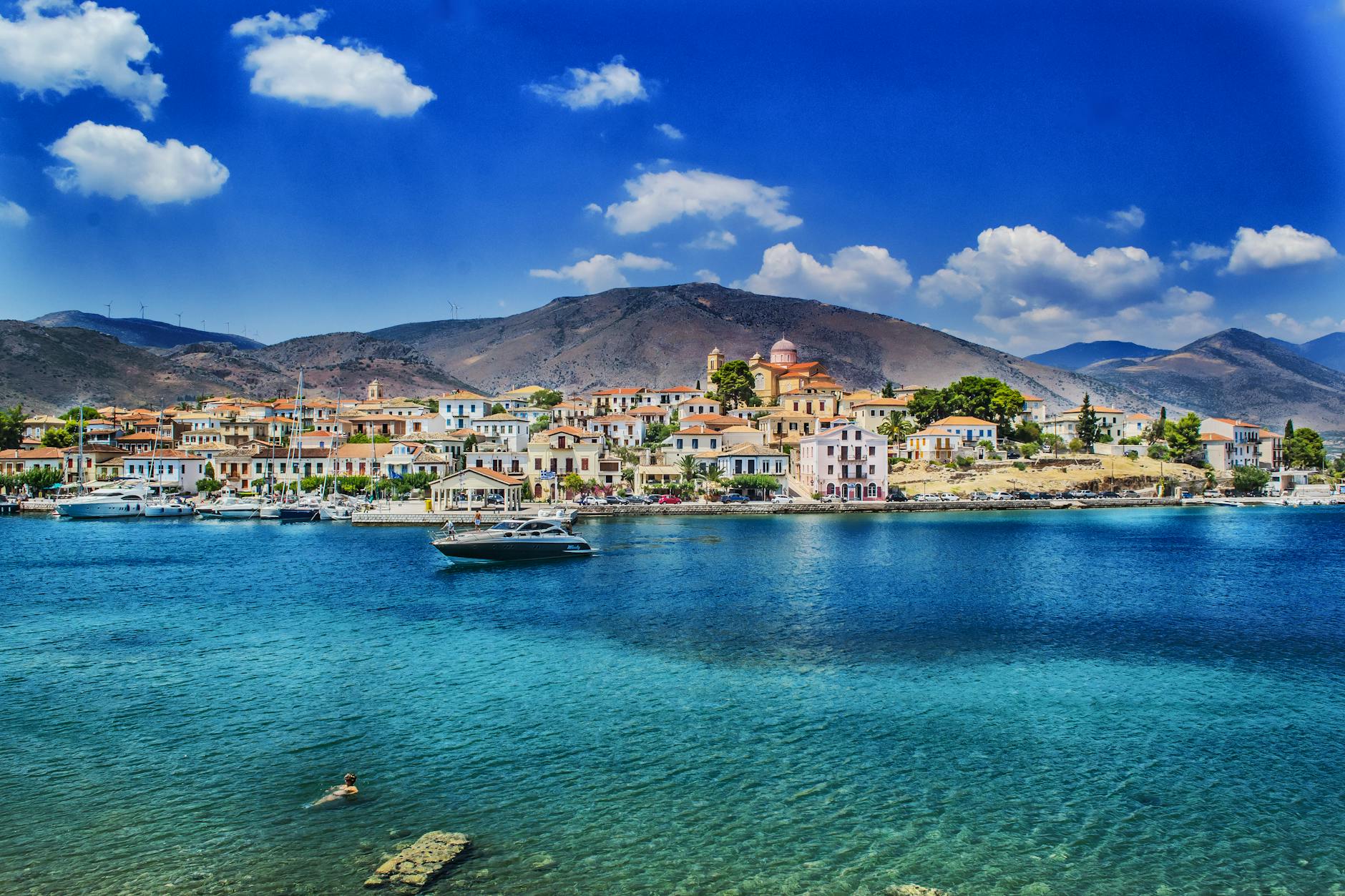
Mediterranean summers are often sold as effortless dreams of sun and sand, but the reality involves navigation, timing, and knowing exactly where to look. It isn’t just about finding a beach; it’s about the food, the history, and the logistics of movement. The region varies wildly, offering distinct experiences depending on whether travellers want rugged coastlines or quiet hill towns. Choosing the right base is crucial for the overall quality of the trip. This guide breaks down five specific locations that deliver consistent quality, offering practical advice on what to see and how to effectively manage the crowds during the peak season.
Istria, Croatia
Istria sits apart from the southern Dalmatian coast, largely due to a greener interior and a history that leans heavily on Italian influence. Pula usually serves as the entry point, where the Roman amphitheatre dominates the town centre and still hosts concerts today. Heading inland is smart; Motovun, a hilltop town famous for truffles, offers konobas serving heavy, pasta-based dishes that differ vastly from typical seaside fare. Back on the coast, Rovinj’s steep cobbled streets lead up to the Church of St. Euphemia, providing great views.
Accommodation has shifted recently, with many travellers choosing stunning villas in Istria over hotels. These renovated stone properties in the countryside offer better privacy and easier parking. The coastline here is rocky, so reef shoes are necessary for swimming at Cape Kamenjak, but the trade-off is exceptional water visibility for snorkelling.
Crete, Greece
Crete is large enough to feel like a country on its own, so trying to see the whole island in one week is a stretch. Focusing on the west, specifically the Chania region, yields the best mix of beaches and culture. The Old Venetian Harbour in Chania is busy, yet the backstreets retain a lived-in atmosphere with workshops and local bakeries. Driving south through the White Mountains is challenging due to winding roads, but it leads to Elafonisi beach.
While famous for pink sand, Elafonisi gets incredibly crowded by midday. Arriving before 9 am changes the experience entirely. For archaeology, Knossos near Heraklion is the main draw, though it offers very little shade, making early morning visits necessary. The food in Crete relies heavily on local produce; ordering dakos, a rusk salad with tomatoes and mizithra cheese, is a reliable choice in almost any village tavern.
Sardinia, Italy
Exploring Sardinia effectively means looking beyond the immediate resort areas to find the island’s true character. While the Costa Smeralda gets the headlines for luxury, the Gulf of Orosei offers much more dramatic scenery with cliffs accessible only by boat or long hikes. Moving northwest, Alghero displays a fascinating Catalan heritage, visible in street signs and audible in the local dialect. The city walls there are perfect for an evening walk when the heat finally breaks.
For those taking family vacations to Italy, the island is often more manageable than the chaotic mainland cities. The shallow waters at La Pelosa are safe for children, though reserving a slot online is mandatory now. History enthusiasts should stop at Su Nuraxi di Barumini to see the ancient stone towers. It’s a dry, hot island, so packing plenty of water for any excursion is essential.
Mallorca, Spain
Mallorca often suffers from a reputation for cheap package holidays, yet the Tramuntana mountain range on the west coast feels worlds apart from the party resorts. Driving the Ma-10 road offers incredible views, though it demands concentration. The town of Sóller, reachable by a vintage wooden train from Palma, sits in a bowl of orange groves and serves as a great base for hikers. Port de Sóller nearby provides a sheltered bay for swimming without the heavy swell found elsewhere.
Capital Palma is a sophisticated city. The Cathedral of Santa Maria dominates the waterfront and is worth entering for the light effects through the stained glass. In the evenings, the Santa Catalina district is where locals go for tapas and vermouth. Avoiding the peak weeks of August makes finding a table significantly easier. It’s a functional, working island that just happens to have exceptional coves like Caló des Moro.
Valletta, Malta
Valletta packs an immense amount of history into a tiny peninsula. The grid layout makes navigation straightforward, though the steep hills can be rather tiring in the summer heat. St. John’s Co-Cathedral looks minimalist from the outside, but houses distinctively ornate Baroque interiors and genuine Caravaggio paintings. Taking the ferry across the Grand Harbour to the Three Cities offers the best vantage point for photographing Valletta’s fortifications. It’s a quick trip and costs very little.
When the urban heat becomes too much, heading to the smaller island of Gozo is the standard move. It is quieter, greener, and the pace slows down considerably. The ferry departs from Cirkewwa, and the crossing takes about 25 minutes. Dwejra Bay remains a popular swimming spot despite the collapse of the Azure Window. The sea temperature in Malta stays warm well into October, extending the viable travel window significantly.
Are you ready to embrace the Mediterranean pace?
Planning a trip to the Mediterranean requires balancing ambition with the reality of high temperatures and crowds. These five destinations offer distinct experiences, from the green hills of Istria to the dry heat of southern Malta. Success really lies in the logistics: renting the right car, booking entries for major sites like Knossos or La Pelosa in advance, and adjusting schedules to avoid the scorching midday sun. It isn’t about ticking every box but exploring a specific region thoroughly. The Mediterranean rewards those who take the time to understand the local rhythm rather than rushing through a checklist of sites.
Share this:
Like this: