Mexico City is a destination that surprises visitors at every turn. From fascinating ancient ruins and world-class museums to colourful neighbourhoods, bustling markets and one of the world’s most exciting food scenes, Mexico’s vibrant capital offers something for every type of traveller. Whether you’re planning your first visit or returning to discover more, you’ll quickly find that every corner of the city has its own unique character.
This Mexico City travel guide covers everything you need to plan an unforgettable trip, including the best time to visit, where to stay, the top attractions, local food, transport tips and practical advice to help you explore with confidence.
Why Visit Mexico City?
Mexico City is one of the most exciting and culturally rich capitals in the world. Built on the foundations of the ancient Aztec city of Tenochtitlan, it blends centuries of history with modern neighbourhoods, world-renowned museums, thriving markets and one of the finest food scenes in Latin America. From grand colonial architecture and archaeological landmarks to leafy parks, colourful streets and contemporary art galleries, the city offers something for every type of traveller.
The city is especially appealing for travellers interested in:
Historic landmarks and UNESCO World Heritage Sites
World class museums and art galleries
Authentic Mexican cuisine and vibrant street food
Colourful neighbourhoods and local markets
Parks, castles and green spaces
Day trips to ancient pyramids and cultural attractions
Boutique hotels and luxury accommodation
A lively nightlife, cafés and cultural events
Despite its size, Mexico City is surprisingly easy to explore by combining its efficient Metro system, buses, taxis and ride-sharing services. Each neighbourhood has its own distinct character, from the historic streets of Centro Histórico and the canals of Xochimilco to the artistic atmosphere of Coyoacán and the fashionable cafés of Roma and Condesa.
Whether you’re planning your first visit or returning to discover more, Mexico City rewards travellers with unforgettable history, outstanding food and an incredible variety of experiences. Readers looking to explore more of Mexico can also discover our guide to the Oaxaca Highlands.
Readers looking for more unforgettable travel experiences can also explore our guides to other exciting destinations across North America and beyond.
The Best Places to Visit in Mexico City
Mexico City may be one of the world’s largest capitals, but it is surprisingly diverse and easy to explore by neighbourhood. The Zócalo, Chapultepec Park, Coyoacán, Xochimilco, Roma, Condesa and the city’s remarkable museums each reveal a different side of Mexico’s vibrant capital.
Zócalo (Plaza de la Constitución)
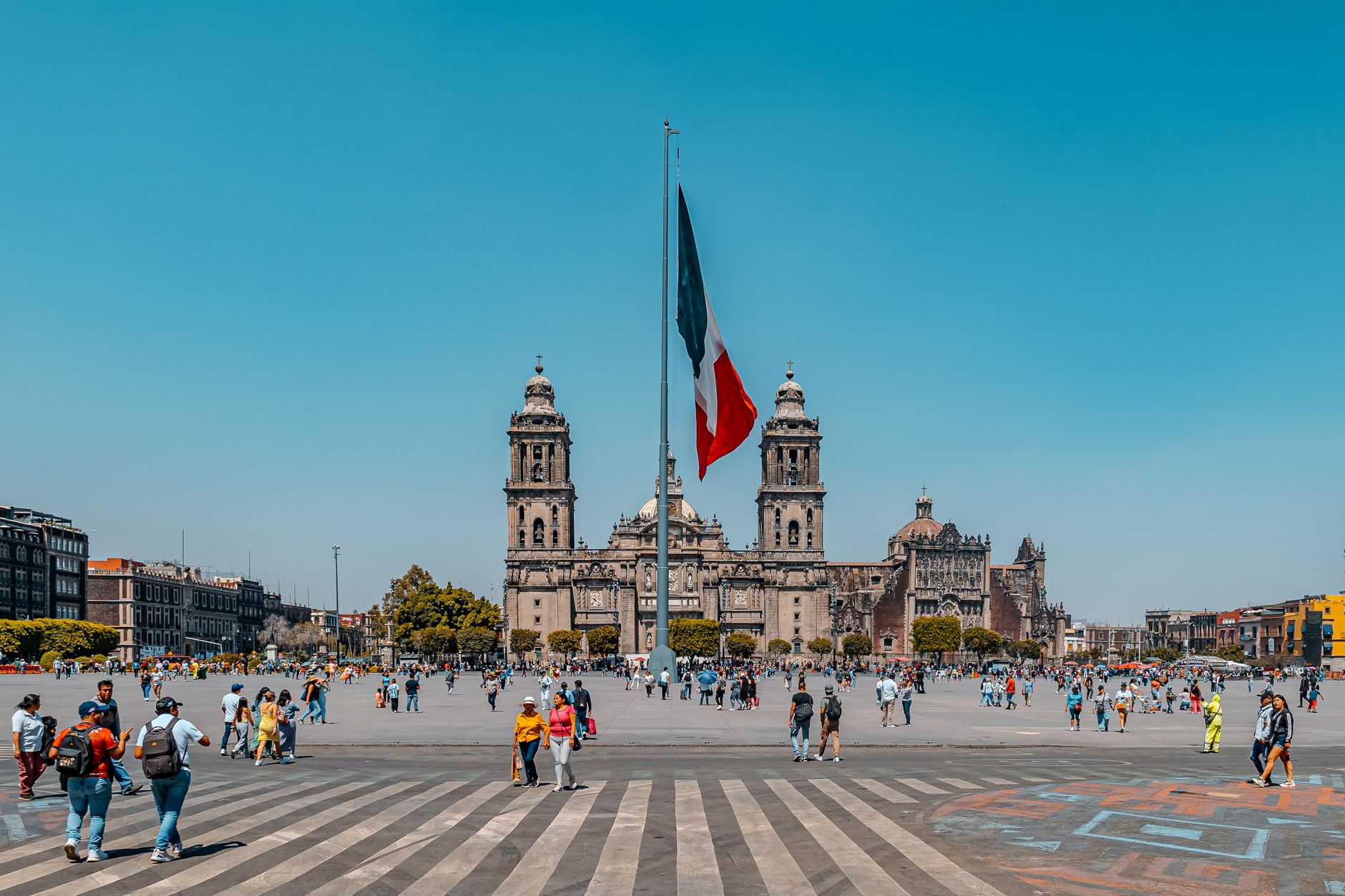
The Zócalo, officially known as Plaza de la Constitución, is the historic and cultural heart of Mexico City. One of the largest public squares in the world, it has been the city’s main gathering place since Aztec times and remains surrounded by some of Mexico’s most important landmarks.
The square is bordered by the Metropolitan Cathedral, the National Palace and the archaeological site of Templo Mayor, making it an ideal place to begin exploring the city’s rich history. Throughout the year, the Zócalo also hosts cultural festivals, concerts, exhibitions and national celebrations, giving visitors a chance to experience Mexico City’s vibrant atmosphere.
Spend some time wandering through the square before exploring the surrounding streets, where you’ll find historic buildings, museums, cafés and traditional restaurants. Arriving early in the morning offers a quieter experience, while evenings bring the plaza to life with locals, street performers and beautiful illuminated buildings.
Metropolitan Cathedral
The Metropolitan Cathedral stands on the northern side of the Zócalo and is one of the most important religious landmarks in Latin America. Built over several centuries, it combines Renaissance, Baroque and Neoclassical architectural styles, reflecting the city’s long and fascinating history.
Step inside to admire its grand altars, impressive chapels and beautifully detailed interior. Even if you are not particularly interested in religious sites, the cathedral is worth visiting for its remarkable architecture and peaceful atmosphere, which contrasts with the busy square outside.
Take time to walk around the exterior before continuing to nearby attractions such as Templo Mayor and the National Palace. Visiting in the morning usually means smaller crowds and better opportunities to appreciate the cathedral’s historic details and impressive scale.
Templo Mayor
Templo Mayor is one of Mexico City’s most significant archaeological sites, offering a glimpse into the ancient Aztec capital of Tenochtitlan. Located just beside the Zócalo, its excavated ruins reveal the city’s rich pre Hispanic history.
Visit the adjacent museum to see remarkable artefacts discovered during excavations, then explore the ruins to better understand the foundations of modern Mexico City. It is an essential stop for anyone interested in the city’s fascinating past.
Palacio de Bellas Artes
Palacio de Bellas Artes is one of Mexico City’s most recognisable landmarks and a masterpiece of Art Nouveau and Art Deco architecture. The striking white marble building hosts concerts, ballet performances, exhibitions and cultural events throughout the year.
Step inside to admire its beautiful murals created by some of Mexico’s most celebrated artists, including Diego Rivera. Even if you do not attend a performance, the building is well worth visiting for its impressive architecture and cultural significance.
Chapultepec Park
Chapultepec Park is one of the largest urban parks in the world and a favourite escape from the busy streets of Mexico City. Spanning more than 1,600 acres, it is home to museums, lakes, gardens, a zoo and the historic Chapultepec Castle.
Visitors can easily spend an entire day exploring its walking trails, relaxing in green spaces or visiting world class attractions such as the National Museum of Anthropology. Whether you are interested in history, culture or simply enjoying nature, Chapultepec Park is one of the city’s most rewarding places to visit.
How long to spend in Mexico City
Allow at least three to four days to experience Mexico City’s highlights without feeling rushed. This gives you enough time to explore historic landmarks, visit world class museums, wander colourful neighbourhoods and enjoy the city’s renowned food scene.
Mexico City also makes an excellent base for day trips to destinations such as Teotihuacán, Xochimilco and Puebla. Travellers with more time can combine the capital with other Mexican destinations to experience the country’s diverse culture, history and landscapes.
Readers looking to explore more incredible destinations can also discover our travel guides to other cities and regions across North America and beyond.
Palacio de Bellas Artes
Photo by Bhargava Marripati
Palacio de Bellas Artes is one of Mexico City’s most iconic landmarks and a masterpiece of Art Nouveau and Art Deco architecture. Its striking white marble exterior and colourful domed roof make it one of the city’s most photographed buildings, while the interior hosts world class exhibitions, concerts, ballet performances and cultural events throughout the year.
Step inside to admire impressive murals by celebrated Mexican artists, including Diego Rivera, or simply appreciate the building’s remarkable architecture from the surrounding plaza. Whether you are interested in art, history or photography, Palacio de Bellas Artes is an essential stop on any Mexico City itinerary.
Visit Palacio de Bellas Artes
Palacio de Bellas Artes is one of Mexico City’s most iconic landmarks and a highlight of the city’s cultural scene. Admire its striking white marble façade before stepping inside to explore impressive murals, art exhibitions and beautifully designed performance spaces.
Even if you do not attend a concert or ballet, the building is well worth visiting for its remarkable architecture and artistic heritage. Take time to walk around the surrounding Alameda Central, where you can enjoy excellent views of the palace and capture some of the city’s best photographs.
Where to Stay in Mexico City
Whether you are visiting for a weekend city break or a longer cultural holiday, choosing the right neighbourhood can make a big difference to your experience. Mexico City offers everything from luxury hotels and boutique stays to budget friendly accommodation, with each area providing its own atmosphere and attractions.
Roma Norte
Roma Norte is one of the city’s trendiest neighbourhoods, known for its leafy streets, stylish cafés, boutique hotels and lively nightlife. It is an excellent base for first time visitors who want easy access to restaurants, galleries and cultural attractions.
Condesa
Condesa offers a relaxed atmosphere with beautiful parks, tree lined avenues and plenty of cafés and restaurants. It is perfect for travellers looking for a quieter stay while remaining close to the city’s main attractions.
Centro Histórico
Staying in the Historic Centre puts you within walking distance of landmarks such as the Zócalo, Metropolitan Cathedral and Palacio de Bellas Artes. It is ideal for visitors interested in history, architecture and museums.
What to Eat in Mexico City
Mexico City is one of the world’s great food destinations, offering everything from traditional street food to award winning restaurants. Sampling local dishes is an essential part of any visit.
Tacos al Pastor
One of the city’s signature dishes, tacos al pastor are made with marinated pork cooked on a vertical spit and served with pineapple, onion and coriander. If you love Mexican flavours, try our crispy chicken tacos with pineapple and lime salsafor another easy Mexican-inspired dish at home.
Churros
Freshly made churros dusted with sugar and served with hot chocolate are a popular snack, especially at historic cafés and bakeries.
Tamales
Tamales are a traditional Mexican comfort food made from corn dough filled with meat, cheese or vegetables, wrapped in corn husks and steamed.
Elote
Elote is grilled corn on the cob topped with mayonnaise, cheese, chilli powder and lime, making it one of the city’s favourite street food snacks. For another Mexican-inspired way to enjoy corn, try ourMexican pizza with roasted sweet corn, red pepper and avocado.
Mole
Mole is a rich traditional sauce made from chillies, spices, chocolate and other ingredients, commonly served with chicken or turkey. For another taste of Mexican cooking, try our Mexican Tzirita dip, a pumpkin seed and chile dip served with corn chips.
The Best Time to Visit Mexico City
Mexico City can be visited throughout the year thanks to its mild climate and high elevation. The best time to visit depends on your interests, whether you want pleasant weather, cultural festivals or fewer crowds.
Spring: March to May
Spring is widely considered one of the best times to visit Mexico City. Warm days, blooming parks and comfortable temperatures make it ideal for sightseeing, walking through historic neighbourhoods and exploring the city’s outdoor attractions.
This is also a great season to visit Chapultepec Park, stroll around Coyoacán and enjoy rooftop restaurants and cafés.
Summer: June to August
Summer brings warmer temperatures and the rainy season, with showers usually arriving in the late afternoon or evening. Mornings are often sunny, giving visitors plenty of time to explore museums, markets and historic landmarks.
Although occasional rain is expected, summer remains a lively time with festivals, cultural events and fewer international visitors than many European destinations.
Autumn: September to November
Autumn offers pleasant weather, smaller crowds and excellent conditions for exploring the city. Parks and public squares remain vibrant, while cooler evenings make walking through neighbourhoods such as Roma Norte and Condesa especially enjoyable.
This season is also a wonderful time to experience local food markets and cultural celebrations.
Winter: December to February
Winter is generally mild, with cool mornings and evenings but comfortable daytime temperatures. December is especially festive, with Christmas decorations, seasonal markets and holiday events throughout the city.
It is an excellent time for museum visits, food tours and exploring the Historic Centre without the summer heat.
How Many Days Do You Need in Mexico City?
Mexico City is one of the world’s largest capitals, and there is far more to see than most first time visitors expect. While it is possible to experience the highlights in a few days, staying longer allows you to explore different neighbourhoods, museums and local food without rushing.
Three Days
Three days is enough to see the city’s most famous attractions:
One day exploring the Historic Centre, including the Zócalo, Metropolitan Cathedral and Palacio de Bellas Artes
One day visiting Chapultepec Park, Chapultepec Castle and the National Museum of Anthropology
One day discovering Coyoacán, the Frida Kahlo Museum and local markets
Five Days
Five days provides a more relaxed introduction to the city:
Two days exploring the Historic Centre and nearby museums
One full day in Chapultepec Park
One day in Coyoacán and Xochimilco
One day exploring Roma Norte, Condesa and the city’s food scene
Seven Days
A full week gives you time to experience Mexico City at a slower pace while adding cultural attractions and day trips.
Explore the city’s major museums and galleries
Visit local markets and neighbourhood cafés
Take a boat ride through the canals of Xochimilco
Enjoy day trips to nearby destinations such as Teotihuacán or Puebla
More Than a Week
Visitors with more than a week can combine Mexico City with nearby colonial towns, archaeological sites and mountain destinations, creating a broader journey through central Mexico while still allowing plenty of time to enjoy the capital’s world class food, history and culture.
A Suggested 5 Day Mexico City Itinerary
Day 1: Historic Centre
Start your trip in the Historic Centre by exploring the Zócalo, Metropolitan Cathedral, Templo Mayor and Palacio Nacional. Finish the day with a visit to Palacio de Bellas Artes before enjoying dinner at a traditional Mexican restaurant.
Day 2: Chapultepec Park
Spend the day exploring Chapultepec Park, including Chapultepec Castle and the National Museum of Anthropology. Relax beside the lake or enjoy a leisurely walk through one of the world’s largest urban parks.
Day 3: Coyoacán
Discover the colourful streets of Coyoacán, visit the Frida Kahlo Museum and browse local markets filled with handmade crafts and authentic Mexican food. End the afternoon with coffee in one of the neighbourhood’s charming cafés.
Day 4: Xochimilco
Take a traditional trajinera boat ride through the canals of Xochimilco before exploring nearby gardens, markets and local restaurants. This is one of the most unique experiences in Mexico City.
Day 5: Roma Norte and Condesa
Spend your final day wandering through Roma Norte and Condesa. Explore boutique shops, art galleries and stylish cafés before enjoying one last Mexican dinner.
Getting to Mexico City
Mexico City International Airport is the country’s busiest airport and welcomes flights from destinations across North America, Europe, Asia and Latin America. The airport is located close to the city centre, making it easy to continue your journey by taxi, airport transfer, Metro or ride sharing services.
Travellers arriving from other parts of Mexico can also reach the capital by domestic flights or long distance buses, with connections available from most major cities.
Getting Around Mexico City
By Metro
The Mexico City Metro is one of the largest and most affordable public transport systems in the world. It provides easy access to many of the city’s major attractions and is a convenient option for travellers exploring on a budget.
By Metrobus
Metrobus services operate across several major routes and are a reliable way to travel between different neighbourhoods while avoiding heavy traffic.
By Taxi or Ride Sharing
Ride sharing services such as Uber are widely available and often provide a convenient way to travel between attractions, particularly during the evening or when carrying luggage.
By Walking
Many of the city’s most popular neighbourhoods, including Roma Norte, Condesa, Coyoacán and the Historic Centre, are best explored on foot. Walking allows you to discover local cafés, colourful streets, public squares and hidden cultural attractions that are easy to miss by car.
By Organised Tour
Organised tours are a great option for travellers who want to visit places such as Teotihuacán, Puebla or Xochimilco without arranging transport independently. Many tours include hotel transfers and knowledgeable local guides, making day trips simple and stress free.
Practical Tips for Visiting Mexico City
Stay in a central neighbourhood
Choosing accommodation in areas such as Roma Norte, Condesa or the Historic Centre makes it much easier to reach the city’s main attractions, restaurants and museums without spending too much time in traffic.
Allow extra travel time
Mexico City is one of the world’s largest cities, and traffic can be unpredictable. Even short journeys may take longer than expected, especially during morning and evening rush hours.
Carry comfortable walking shoes
Many of the city’s best attractions are explored on foot. Comfortable shoes will make it easier to walk through historic streets, parks, museums and neighbourhoods.
Keep an eye on your belongings
Mexico City is generally welcoming for visitors, but it is always sensible to keep valuables secure, particularly in busy markets, public transport and popular tourist areas.
Drink bottled water
It is recommended to drink bottled or filtered water during your stay. Most hotels, restaurants and cafés provide safe drinking water for visitors.
Carry both cards and some cash
Credit and debit cards are widely accepted across the city, although smaller food stalls, local markets and independent shops may prefer cash.
Learn a few Spanish phrases
English is spoken in many hotels and tourist attractions, but learning a few simple Spanish expressions can make your visit more enjoyable.
Mexico City’s high altitude means mornings and evenings can feel cool, even when afternoons are warm. Wearing light layers will help you stay comfortable throughout the day.
Frequently Asked Questions About Mexico City
Is Mexico City worth visiting?
Yes. Mexico City is one of Latin America’s most exciting destinations, combining centuries of history with world class museums, colourful neighbourhoods and an outstanding food scene.
Whether you are interested in architecture, local culture, shopping or authentic Mexican cuisine, the city offers experiences that appeal to almost every type of traveller. It is also an excellent starting point for exploring other parts of central Mexico.
What is Mexico City best known for?
Mexico City is best known for the Zócalo, Chapultepec Park, the National Museum of Anthropology, Palacio de Bellas Artes, Coyoacán and the Frida Kahlo Museum.
The city is equally famous for its vibrant street food, lively markets, historic architecture and the ancient ruins of Templo Mayor, making it one of the world’s richest cultural destinations.
How many days should you spend in Mexico City?
Allow at least three to five days for your first visit. This gives you enough time to explore the Historic Centre, visit major museums, discover neighbourhoods such as Roma Norte and Condesa and experience the city’s outstanding food culture.
If you also plan to visit Teotihuacán, Xochimilco or nearby cities such as Puebla, a full week provides a much more relaxed itinerary.
Is Mexico City safe for tourists?
Mexico City is generally considered safe for visitors who follow normal travel precautions. Like any major city, it is important to stay aware of your surroundings, keep valuables secure and use trusted transportation, particularly after dark.
Most popular tourist neighbourhoods are well visited throughout the day and are considered comfortable places to explore.
What is the best month to visit Mexico City?
March, April, October and November are among the best months to visit. These months usually offer pleasant temperatures, comfortable sightseeing conditions and fewer rainy days.
December is also popular thanks to festive decorations and holiday celebrations, while summer brings greener parks along with afternoon showers.
Is Mexico City expensive?
Mexico City offers accommodation, dining and activities to suit a wide range of budgets. Visitors can enjoy excellent street food, affordable public transport and reasonably priced attractions while also finding luxury hotels and fine dining experiences.
Planning ahead and staying outside the busiest tourist periods can help reduce travel costs.
Can you visit Mexico City without a car?
Yes. Most of Mexico City’s major attractions are easily reached by Metro, Metrobus, taxis or ride sharing services. Many popular neighbourhoods, including the Historic Centre, Roma Norte, Condesa and Coyoacán, are also pleasant to explore on foot.
Hiring a car is generally unnecessary unless you plan to take road trips beyond the city.
Can you drink tap water in Mexico City?
It is generally recommended that visitors drink bottled or filtered water during their stay. Most hotels, restaurants and cafés provide safe drinking water, making it easy to stay hydrated while exploring the city.
What food should you try in Mexico City?
Mexico City is one of the world’s great food capitals, so sampling local dishes is an essential part of any visit.
Do not miss tacos al pastor, tamales, chilaquiles, pozole, mole, fresh churros and elote. Food markets and neighbourhood taquerias are excellent places to experience authentic Mexican flavours.
Is Mexico City family friendly?
Yes. Mexico City offers plenty of attractions suitable for families, including Chapultepec Park, Chapultepec Zoo, interactive museums, boat rides in Xochimilco and wide open public spaces.
Many museums also have activities designed specifically for children, making the city an enjoyable destination for visitors of all ages.
Do I need to speak Spanish in Mexico City?
No. English is spoken in many hotels, museums and popular tourist attractions. However, learning a few basic Spanish phrases can make your experience more enjoyable and is always appreciated by local people.
Can you take a day trip from Mexico City?
Yes. Mexico City is an excellent base for exploring central Mexico. Popular day trips include the ancient pyramids of Teotihuacán, the colourful city of Puebla and the canals of Xochimilco, all of which offer a different perspective on the country’s history and culture.
Where to Next?
Mexico City is an incredible starting point for exploring more of Mexico and beyond. Continue south into Oaxaca and discover the Oaxaca Highlands, where indigenous culture, mountain villages, traditional weaving and mezcal offer a slower and more immersive side of Mexico.
For a change of pace, head towards the Caribbean coast and explore Tulum, where ancient Mayan ruins, beautiful beaches and turquoise cenotes create a very different Mexican escape.
If you are dreaming of a longer island holiday, continue your journey to the South Pacific with our guide to Tahiti and the Islands of French Polynesia, from lush volcanic mountains and turquoise lagoons to laid-back island stays.
For another Mediterranean escape, discover our ultimate Sardinia travel guide, with beautiful beaches, coastal towns and plenty of regional food to explore.
For another tropical adventure, explore Hawaii’s Big Island, where volcanic landscapes, ocean views, wellness experiences and a slower pace make for a memorable escape.
The Final Word
Mexico City is a destination that rewards curious travellers. Beyond its famous landmarks, you’ll discover colourful neighbourhoods, fascinating museums, beautiful parks and one of the world’s most exciting food scenes. Every district offers something different, making it a city that invites you to slow down and explore beyond the obvious.
Visit the historic Zócalo, wander through the streets of Coyoacán, admire the beauty of Palacio de Bellas Artes and spend time relaxing in Chapultepec Park. Taste authentic street food, explore local markets and allow yourself time to experience the city’s vibrant culture beyond the major attractions.
Mexico City is far more than a gateway to the rest of Mexico. It is a destination worthy of several days on its own, offering an unforgettable combination of history, art, culture and cuisine that continues to surprise visitors long after they leave.


Mexico City is a destination that surprises visitors at every turn. From fascinating ancient ruins and world-class museums to colourful neighbourhoods, bustling markets and one of the world’s most exciting food scenes, Mexico’s vibrant capital offers something for every type of traveller. Whether you’re planning your first visit or returning to discover more, you’ll quickly find that every corner of the city has its own unique character.
This Mexico City travel guide covers everything you need to plan an unforgettable trip, including the best time to visit, where to stay, the top attractions, local food, transport tips and practical advice to help you explore with confidence.
Why Visit Mexico City?
Mexico City is one of the most exciting and culturally rich capitals in the world. Built on the foundations of the ancient Aztec city of Tenochtitlan, it blends centuries of history with modern neighbourhoods, world-renowned museums, thriving markets and one of the finest food scenes in Latin America. From grand colonial architecture and archaeological landmarks to leafy parks, colourful streets and contemporary art galleries, the city offers something for every type of traveller.
The city is especially appealing for travellers interested in:
Despite its size, Mexico City is surprisingly easy to explore by combining its efficient Metro system, buses, taxis and ride-sharing services. Each neighbourhood has its own distinct character, from the historic streets of Centro Histórico and the canals of Xochimilco to the artistic atmosphere of Coyoacán and the fashionable cafés of Roma and Condesa.
Whether you’re planning your first visit or returning to discover more, Mexico City rewards travellers with unforgettable history, outstanding food and an incredible variety of experiences. Readers looking to explore more of Mexico can also discover our guide to the Oaxaca Highlands.
Readers looking for more unforgettable travel experiences can also explore our guides to other exciting destinations across North America and beyond.
The Best Places to Visit in Mexico City
Mexico City may be one of the world’s largest capitals, but it is surprisingly diverse and easy to explore by neighbourhood. The Zócalo, Chapultepec Park, Coyoacán, Xochimilco, Roma, Condesa and the city’s remarkable museums each reveal a different side of Mexico’s vibrant capital.
Zócalo (Plaza de la Constitución)
The Zócalo, officially known as Plaza de la Constitución, is the historic and cultural heart of Mexico City. One of the largest public squares in the world, it has been the city’s main gathering place since Aztec times and remains surrounded by some of Mexico’s most important landmarks.
The square is bordered by the Metropolitan Cathedral, the National Palace and the archaeological site of Templo Mayor, making it an ideal place to begin exploring the city’s rich history. Throughout the year, the Zócalo also hosts cultural festivals, concerts, exhibitions and national celebrations, giving visitors a chance to experience Mexico City’s vibrant atmosphere.
Spend some time wandering through the square before exploring the surrounding streets, where you’ll find historic buildings, museums, cafés and traditional restaurants. Arriving early in the morning offers a quieter experience, while evenings bring the plaza to life with locals, street performers and beautiful illuminated buildings.
Metropolitan Cathedral
The Metropolitan Cathedral stands on the northern side of the Zócalo and is one of the most important religious landmarks in Latin America. Built over several centuries, it combines Renaissance, Baroque and Neoclassical architectural styles, reflecting the city’s long and fascinating history.
Step inside to admire its grand altars, impressive chapels and beautifully detailed interior. Even if you are not particularly interested in religious sites, the cathedral is worth visiting for its remarkable architecture and peaceful atmosphere, which contrasts with the busy square outside.
Take time to walk around the exterior before continuing to nearby attractions such as Templo Mayor and the National Palace. Visiting in the morning usually means smaller crowds and better opportunities to appreciate the cathedral’s historic details and impressive scale.
Templo Mayor
Templo Mayor is one of Mexico City’s most significant archaeological sites, offering a glimpse into the ancient Aztec capital of Tenochtitlan. Located just beside the Zócalo, its excavated ruins reveal the city’s rich pre Hispanic history.
Visit the adjacent museum to see remarkable artefacts discovered during excavations, then explore the ruins to better understand the foundations of modern Mexico City. It is an essential stop for anyone interested in the city’s fascinating past.
Palacio de Bellas Artes
Palacio de Bellas Artes is one of Mexico City’s most recognisable landmarks and a masterpiece of Art Nouveau and Art Deco architecture. The striking white marble building hosts concerts, ballet performances, exhibitions and cultural events throughout the year.
Step inside to admire its beautiful murals created by some of Mexico’s most celebrated artists, including Diego Rivera. Even if you do not attend a performance, the building is well worth visiting for its impressive architecture and cultural significance.
Chapultepec Park
Chapultepec Park is one of the largest urban parks in the world and a favourite escape from the busy streets of Mexico City. Spanning more than 1,600 acres, it is home to museums, lakes, gardens, a zoo and the historic Chapultepec Castle.
Visitors can easily spend an entire day exploring its walking trails, relaxing in green spaces or visiting world class attractions such as the National Museum of Anthropology. Whether you are interested in history, culture or simply enjoying nature, Chapultepec Park is one of the city’s most rewarding places to visit.
How long to spend in Mexico City
Allow at least three to four days to experience Mexico City’s highlights without feeling rushed. This gives you enough time to explore historic landmarks, visit world class museums, wander colourful neighbourhoods and enjoy the city’s renowned food scene.
Mexico City also makes an excellent base for day trips to destinations such as Teotihuacán, Xochimilco and Puebla. Travellers with more time can combine the capital with other Mexican destinations to experience the country’s diverse culture, history and landscapes.
Readers looking to explore more incredible destinations can also discover our travel guides to other cities and regions across North America and beyond.
Palacio de Bellas Artes
Palacio de Bellas Artes is one of Mexico City’s most iconic landmarks and a masterpiece of Art Nouveau and Art Deco architecture. Its striking white marble exterior and colourful domed roof make it one of the city’s most photographed buildings, while the interior hosts world class exhibitions, concerts, ballet performances and cultural events throughout the year.
Step inside to admire impressive murals by celebrated Mexican artists, including Diego Rivera, or simply appreciate the building’s remarkable architecture from the surrounding plaza. Whether you are interested in art, history or photography, Palacio de Bellas Artes is an essential stop on any Mexico City itinerary.
Visit Palacio de Bellas Artes
Palacio de Bellas Artes is one of Mexico City’s most iconic landmarks and a highlight of the city’s cultural scene. Admire its striking white marble façade before stepping inside to explore impressive murals, art exhibitions and beautifully designed performance spaces.
Even if you do not attend a concert or ballet, the building is well worth visiting for its remarkable architecture and artistic heritage. Take time to walk around the surrounding Alameda Central, where you can enjoy excellent views of the palace and capture some of the city’s best photographs.
Where to Stay in Mexico City
Whether you are visiting for a weekend city break or a longer cultural holiday, choosing the right neighbourhood can make a big difference to your experience. Mexico City offers everything from luxury hotels and boutique stays to budget friendly accommodation, with each area providing its own atmosphere and attractions.
Roma Norte
Roma Norte is one of the city’s trendiest neighbourhoods, known for its leafy streets, stylish cafés, boutique hotels and lively nightlife. It is an excellent base for first time visitors who want easy access to restaurants, galleries and cultural attractions.
Condesa
Condesa offers a relaxed atmosphere with beautiful parks, tree lined avenues and plenty of cafés and restaurants. It is perfect for travellers looking for a quieter stay while remaining close to the city’s main attractions.
Centro Histórico
Staying in the Historic Centre puts you within walking distance of landmarks such as the Zócalo, Metropolitan Cathedral and Palacio de Bellas Artes. It is ideal for visitors interested in history, architecture and museums.
What to Eat in Mexico City
Mexico City is one of the world’s great food destinations, offering everything from traditional street food to award winning restaurants. Sampling local dishes is an essential part of any visit.
Tacos al Pastor
One of the city’s signature dishes, tacos al pastor are made with marinated pork cooked on a vertical spit and served with pineapple, onion and coriander.
If you love Mexican flavours, try our crispy chicken tacos with pineapple and lime salsa for another easy Mexican-inspired dish at home.
Churros
Freshly made churros dusted with sugar and served with hot chocolate are a popular snack, especially at historic cafés and bakeries.
Tamales
Tamales are a traditional Mexican comfort food made from corn dough filled with meat, cheese or vegetables, wrapped in corn husks and steamed.
Elote
Elote is grilled corn on the cob topped with mayonnaise, cheese, chilli powder and lime, making it one of the city’s favourite street food snacks. For another Mexican-inspired way to enjoy corn, try our Mexican pizza with roasted sweet corn, red pepper and avocado.
Mole
Mole is a rich traditional sauce made from chillies, spices, chocolate and other ingredients, commonly served with chicken or turkey. For another taste of Mexican cooking, try our Mexican Tzirita dip, a pumpkin seed and chile dip served with corn chips.
The Best Time to Visit Mexico City
Mexico City can be visited throughout the year thanks to its mild climate and high elevation. The best time to visit depends on your interests, whether you want pleasant weather, cultural festivals or fewer crowds.
Spring: March to May
Spring is widely considered one of the best times to visit Mexico City. Warm days, blooming parks and comfortable temperatures make it ideal for sightseeing, walking through historic neighbourhoods and exploring the city’s outdoor attractions.
This is also a great season to visit Chapultepec Park, stroll around Coyoacán and enjoy rooftop restaurants and cafés.
Summer: June to August
Summer brings warmer temperatures and the rainy season, with showers usually arriving in the late afternoon or evening. Mornings are often sunny, giving visitors plenty of time to explore museums, markets and historic landmarks.
Although occasional rain is expected, summer remains a lively time with festivals, cultural events and fewer international visitors than many European destinations.
Autumn: September to November
Autumn offers pleasant weather, smaller crowds and excellent conditions for exploring the city. Parks and public squares remain vibrant, while cooler evenings make walking through neighbourhoods such as Roma Norte and Condesa especially enjoyable.
This season is also a wonderful time to experience local food markets and cultural celebrations.
Winter: December to February
Winter is generally mild, with cool mornings and evenings but comfortable daytime temperatures. December is especially festive, with Christmas decorations, seasonal markets and holiday events throughout the city.
It is an excellent time for museum visits, food tours and exploring the Historic Centre without the summer heat.
How Many Days Do You Need in Mexico City?
Mexico City is one of the world’s largest capitals, and there is far more to see than most first time visitors expect. While it is possible to experience the highlights in a few days, staying longer allows you to explore different neighbourhoods, museums and local food without rushing.
Three Days
Three days is enough to see the city’s most famous attractions:
Five Days
Five days provides a more relaxed introduction to the city:
Seven Days
A full week gives you time to experience Mexico City at a slower pace while adding cultural attractions and day trips.
More Than a Week
Visitors with more than a week can combine Mexico City with nearby colonial towns, archaeological sites and mountain destinations, creating a broader journey through central Mexico while still allowing plenty of time to enjoy the capital’s world class food, history and culture.
A Suggested 5 Day Mexico City Itinerary
Day 1: Historic Centre
Start your trip in the Historic Centre by exploring the Zócalo, Metropolitan Cathedral, Templo Mayor and Palacio Nacional. Finish the day with a visit to Palacio de Bellas Artes before enjoying dinner at a traditional Mexican restaurant.
Day 2: Chapultepec Park
Spend the day exploring Chapultepec Park, including Chapultepec Castle and the National Museum of Anthropology. Relax beside the lake or enjoy a leisurely walk through one of the world’s largest urban parks.
Day 3: Coyoacán
Discover the colourful streets of Coyoacán, visit the Frida Kahlo Museum and browse local markets filled with handmade crafts and authentic Mexican food. End the afternoon with coffee in one of the neighbourhood’s charming cafés.
Day 4: Xochimilco
Take a traditional trajinera boat ride through the canals of Xochimilco before exploring nearby gardens, markets and local restaurants. This is one of the most unique experiences in Mexico City.
Day 5: Roma Norte and Condesa
Spend your final day wandering through Roma Norte and Condesa. Explore boutique shops, art galleries and stylish cafés before enjoying one last Mexican dinner.
Getting to Mexico City
Mexico City International Airport is the country’s busiest airport and welcomes flights from destinations across North America, Europe, Asia and Latin America. The airport is located close to the city centre, making it easy to continue your journey by taxi, airport transfer, Metro or ride sharing services.
Travellers arriving from other parts of Mexico can also reach the capital by domestic flights or long distance buses, with connections available from most major cities.
Getting Around Mexico City
By Metro
The Mexico City Metro is one of the largest and most affordable public transport systems in the world. It provides easy access to many of the city’s major attractions and is a convenient option for travellers exploring on a budget.
By Metrobus
Metrobus services operate across several major routes and are a reliable way to travel between different neighbourhoods while avoiding heavy traffic.
By Taxi or Ride Sharing
Ride sharing services such as Uber are widely available and often provide a convenient way to travel between attractions, particularly during the evening or when carrying luggage.
By Walking
Many of the city’s most popular neighbourhoods, including Roma Norte, Condesa, Coyoacán and the Historic Centre, are best explored on foot. Walking allows you to discover local cafés, colourful streets, public squares and hidden cultural attractions that are easy to miss by car.
By Organised Tour
Organised tours are a great option for travellers who want to visit places such as Teotihuacán, Puebla or Xochimilco without arranging transport independently. Many tours include hotel transfers and knowledgeable local guides, making day trips simple and stress free.
Practical Tips for Visiting Mexico City
Stay in a central neighbourhood
Choosing accommodation in areas such as Roma Norte, Condesa or the Historic Centre makes it much easier to reach the city’s main attractions, restaurants and museums without spending too much time in traffic.
Allow extra travel time
Mexico City is one of the world’s largest cities, and traffic can be unpredictable. Even short journeys may take longer than expected, especially during morning and evening rush hours.
Carry comfortable walking shoes
Many of the city’s best attractions are explored on foot. Comfortable shoes will make it easier to walk through historic streets, parks, museums and neighbourhoods.
Keep an eye on your belongings
Mexico City is generally welcoming for visitors, but it is always sensible to keep valuables secure, particularly in busy markets, public transport and popular tourist areas.
Drink bottled water
It is recommended to drink bottled or filtered water during your stay. Most hotels, restaurants and cafés provide safe drinking water for visitors.
Carry both cards and some cash
Credit and debit cards are widely accepted across the city, although smaller food stalls, local markets and independent shops may prefer cash.
Learn a few Spanish phrases
English is spoken in many hotels and tourist attractions, but learning a few simple Spanish expressions can make your visit more enjoyable.
Useful phrases include:
Dress for changing temperatures
Planning what to take with you? Our guide on how to pack properly for your next trip has practical tips for building a flexible travel wardrobe.
Mexico City’s high altitude means mornings and evenings can feel cool, even when afternoons are warm. Wearing light layers will help you stay comfortable throughout the day.
Frequently Asked Questions About Mexico City
Is Mexico City worth visiting?
Yes. Mexico City is one of Latin America’s most exciting destinations, combining centuries of history with world class museums, colourful neighbourhoods and an outstanding food scene.
Whether you are interested in architecture, local culture, shopping or authentic Mexican cuisine, the city offers experiences that appeal to almost every type of traveller. It is also an excellent starting point for exploring other parts of central Mexico.
What is Mexico City best known for?
Mexico City is best known for the Zócalo, Chapultepec Park, the National Museum of Anthropology, Palacio de Bellas Artes, Coyoacán and the Frida Kahlo Museum.
The city is equally famous for its vibrant street food, lively markets, historic architecture and the ancient ruins of Templo Mayor, making it one of the world’s richest cultural destinations.
How many days should you spend in Mexico City?
Allow at least three to five days for your first visit. This gives you enough time to explore the Historic Centre, visit major museums, discover neighbourhoods such as Roma Norte and Condesa and experience the city’s outstanding food culture.
If you also plan to visit Teotihuacán, Xochimilco or nearby cities such as Puebla, a full week provides a much more relaxed itinerary.
Is Mexico City safe for tourists?
Mexico City is generally considered safe for visitors who follow normal travel precautions. Like any major city, it is important to stay aware of your surroundings, keep valuables secure and use trusted transportation, particularly after dark.
Most popular tourist neighbourhoods are well visited throughout the day and are considered comfortable places to explore.
What is the best month to visit Mexico City?
March, April, October and November are among the best months to visit. These months usually offer pleasant temperatures, comfortable sightseeing conditions and fewer rainy days.
December is also popular thanks to festive decorations and holiday celebrations, while summer brings greener parks along with afternoon showers.
Is Mexico City expensive?
Mexico City offers accommodation, dining and activities to suit a wide range of budgets. Visitors can enjoy excellent street food, affordable public transport and reasonably priced attractions while also finding luxury hotels and fine dining experiences.
Planning ahead and staying outside the busiest tourist periods can help reduce travel costs.
Can you visit Mexico City without a car?
Yes. Most of Mexico City’s major attractions are easily reached by Metro, Metrobus, taxis or ride sharing services. Many popular neighbourhoods, including the Historic Centre, Roma Norte, Condesa and Coyoacán, are also pleasant to explore on foot.
Hiring a car is generally unnecessary unless you plan to take road trips beyond the city.
Can you drink tap water in Mexico City?
It is generally recommended that visitors drink bottled or filtered water during their stay. Most hotels, restaurants and cafés provide safe drinking water, making it easy to stay hydrated while exploring the city.
What food should you try in Mexico City?
Mexico City is one of the world’s great food capitals, so sampling local dishes is an essential part of any visit.
Do not miss tacos al pastor, tamales, chilaquiles, pozole, mole, fresh churros and elote. Food markets and neighbourhood taquerias are excellent places to experience authentic Mexican flavours.
Is Mexico City family friendly?
Yes. Mexico City offers plenty of attractions suitable for families, including Chapultepec Park, Chapultepec Zoo, interactive museums, boat rides in Xochimilco and wide open public spaces.
Many museums also have activities designed specifically for children, making the city an enjoyable destination for visitors of all ages.
Do I need to speak Spanish in Mexico City?
No. English is spoken in many hotels, museums and popular tourist attractions. However, learning a few basic Spanish phrases can make your experience more enjoyable and is always appreciated by local people.
Can you take a day trip from Mexico City?
Yes. Mexico City is an excellent base for exploring central Mexico. Popular day trips include the ancient pyramids of Teotihuacán, the colourful city of Puebla and the canals of Xochimilco, all of which offer a different perspective on the country’s history and culture.
Where to Next?
Mexico City is an incredible starting point for exploring more of Mexico and beyond. Continue south into Oaxaca and discover the Oaxaca Highlands, where indigenous culture, mountain villages, traditional weaving and mezcal offer a slower and more immersive side of Mexico.
For a change of pace, head towards the Caribbean coast and explore Tulum, where ancient Mayan ruins, beautiful beaches and turquoise cenotes create a very different Mexican escape.
If you are dreaming of a longer island holiday, continue your journey to the South Pacific with our guide to Tahiti and the Islands of French Polynesia, from lush volcanic mountains and turquoise lagoons to laid-back island stays.
For another Mediterranean escape, discover our ultimate Sardinia travel guide, with beautiful beaches, coastal towns and plenty of regional food to explore.
For another tropical adventure, explore Hawaii’s Big Island, where volcanic landscapes, ocean views, wellness experiences and a slower pace make for a memorable escape.
The Final Word
Mexico City is a destination that rewards curious travellers. Beyond its famous landmarks, you’ll discover colourful neighbourhoods, fascinating museums, beautiful parks and one of the world’s most exciting food scenes. Every district offers something different, making it a city that invites you to slow down and explore beyond the obvious.
Visit the historic Zócalo, wander through the streets of Coyoacán, admire the beauty of Palacio de Bellas Artes and spend time relaxing in Chapultepec Park. Taste authentic street food, explore local markets and allow yourself time to experience the city’s vibrant culture beyond the major attractions.
Mexico City is far more than a gateway to the rest of Mexico. It is a destination worthy of several days on its own, offering an unforgettable combination of history, art, culture and cuisine that continues to surprise visitors long after they leave.
Share this:
Like this: