The fear that keeps many people from booking an eyelid surgery consultation isn’t the procedure itself; it’s the worry that they’ll end up looking obviously ‘done.’ The tight, startled, wide-eyed look that used to be associated with eyelid surgery has become the exact outcome modern patients are trying to avoid. The good news is that this look is no longer the standard; it’s actually a sign of outdated technique.
The shift toward subtlety is well documented. According to the International Society of Aesthetic Plastic Surgery (ISAPS), more than 2.1 million blepharoplasty procedures were performed globally in 2024 a 13.4% increase over the prior year that made it the single most-performed cosmetic surgical procedure in the world. For patients in Chicago exploring this option, understanding exactly what separates a natural result from a surgical-looking one is essential before choosing a surgeon.
1. Conservative, Precisely Measured Skin Removal
The single biggest driver of an obviously surgical eyelid result is over-resection, removing too much skin during the procedure. When a surgeon takes away more tissue than the eyelid can spare, the eye loses its natural softness and fullness, creating a hollow or permanently tight appearance that doesn’t relax even at rest.
Conservative, millimeter-precise skin removal preserves enough tissue for the eyelid to fold and move naturally, which is exactly what distinguishes a refreshed, natural-looking result from an overcorrected one. This calculation isn’t guesswork; it requires the surgeon to measure exactly how much excess skin exists and remove only that amount, resisting the temptation to take more in pursuit of a more dramatic transformation.
2. Selective Fat Preservation Rather Than Removal
Older blepharoplasty techniques often treated upper eyelid fat as something to be removed entirely, based on the assumption that less fat meant a more youthful appearance. Modern understanding of eyelid anatomy has shifted this significantly, recognizing that some upper lid fullness is exactly what keeps the eye looking soft rather than hollow and skeletal.
Selective fat preservation or even repositioning rather than removing fat altogether has become a defining feature of natural-looking blepharoplasty outcomes. This is one of the clearest markers separating experienced, modern surgeons from those still applying older, more aggressive standards to every patient regardless of their specific anatomy.
3. Careful Incision Placement Along the Natural Crease
Hiding the incision precisely within the eyelid’s natural crease line, not above or below it, is what makes the resulting scar essentially undetectable once fully healed. Incisions placed even slightly off the crease can create a visible line that doesn’t disappear the way a well-placed one does, no matter how well the rest of the surgery goes.
Surgeons who take extra time mapping this crease individually for each patient, rather than relying on a standardized measurement, consistently produce less visible scarring. This attention to incision placement matters as much for scar concealment as it does for how the eyelid moves and folds after healing.
4. Balancing the Brows for a More Refreshed Appearance
A drooping or heavy brow can mimic the appearance of upper eyelid hooding, and treating this as purely an eyelid problem without addressing brow position often leads to overcorrection of the lid itself.
When brow descent is contributing significantly to the appearance of hooding, addressing it, whether through a separate procedure or as part of the surgical plan, prevents the eyelid itself from being over-treated for a problem that actually originates elsewhere on the face. Patients considering upper blepharoplasty in Chicago with Dr. Sahar Nadimi benefit from a surgeon who evaluates brow position as part of the overall assessment, rather than treating the eyelid in isolation from the rest of the upper face.
5. Healing Plays a Key Role in the Final Result
What happens in the weeks after surgery shapes the final outcome just as much as the procedure itself. Understanding the recovery timeline in advance, knowing roughly what to expect at one week, one month, and several months out, prevents unnecessary worry during a process that unfolds gradually rather than all at once. Managing swelling and bruising properly in those early days, through simple measures like elevation and cold compresses, supports smoother healing and helps the eyelids settle into their final shape more predictably.
Following post-operative instructions closely, even the ones that feel minor, protects the surgical outcome during the period when tissue is most vulnerable to disruption. And perhaps most importantly, allowing results to develop gradually rather than judging the outcome too early is what keeps expectations realistic; the true result of eyelid surgery often takes several months to fully reveal itself, well after the initial swelling has resolved. Patience during this window is, in many respects, as important to the final result as the surgery itself.
Maintaining Long-Lasting, Natural-Looking Results
The surgical outcome sets the foundation, but what happens afterward plays a real role in how long that natural appearance actually holds.
Protecting the skin from sun damage: UV exposure accelerates skin aging and can affect the delicate eyelid tissue disproportionately, making sunglasses and diligent SPF use a genuine long-term investment in the result
Following a healthy skincare routine: supporting the skin’s elasticity and overall quality around the treated area helps results age gracefully rather than being undermined by unrelated skin changes
Maintaining overall health: proper hydration, adequate sleep, and avoiding smoking all influence skin quality broadly, not just in the treated area
Attending follow-up appointments : even well after the initial recovery period, this allows the surgeon to monitor healing, catch any concerns early, and confirm the result is developing as expected
None of these steps require significant effort, but together they meaningfully extend how long a natural, refreshed appearance actually lasts.
Conclusion
What makes upper blepharoplasty results look natural rather than surgical comes down to conservative tissue removal, thoughtful fat preservation, precise incision placement, attention to brow position, and a surgeon who treats each patient’s eyelid anatomy as genuinely individual. The tight, hollow, surprised look that people fear is a technique problem, not an inevitable consequence of the procedure itself.
For anyone considering eyelid surgery, the most important step is finding a surgeon who can speak specifically and confidently about how they preserve softness and natural movement in the eyelid because that conversation predicts how the final result will actually look.


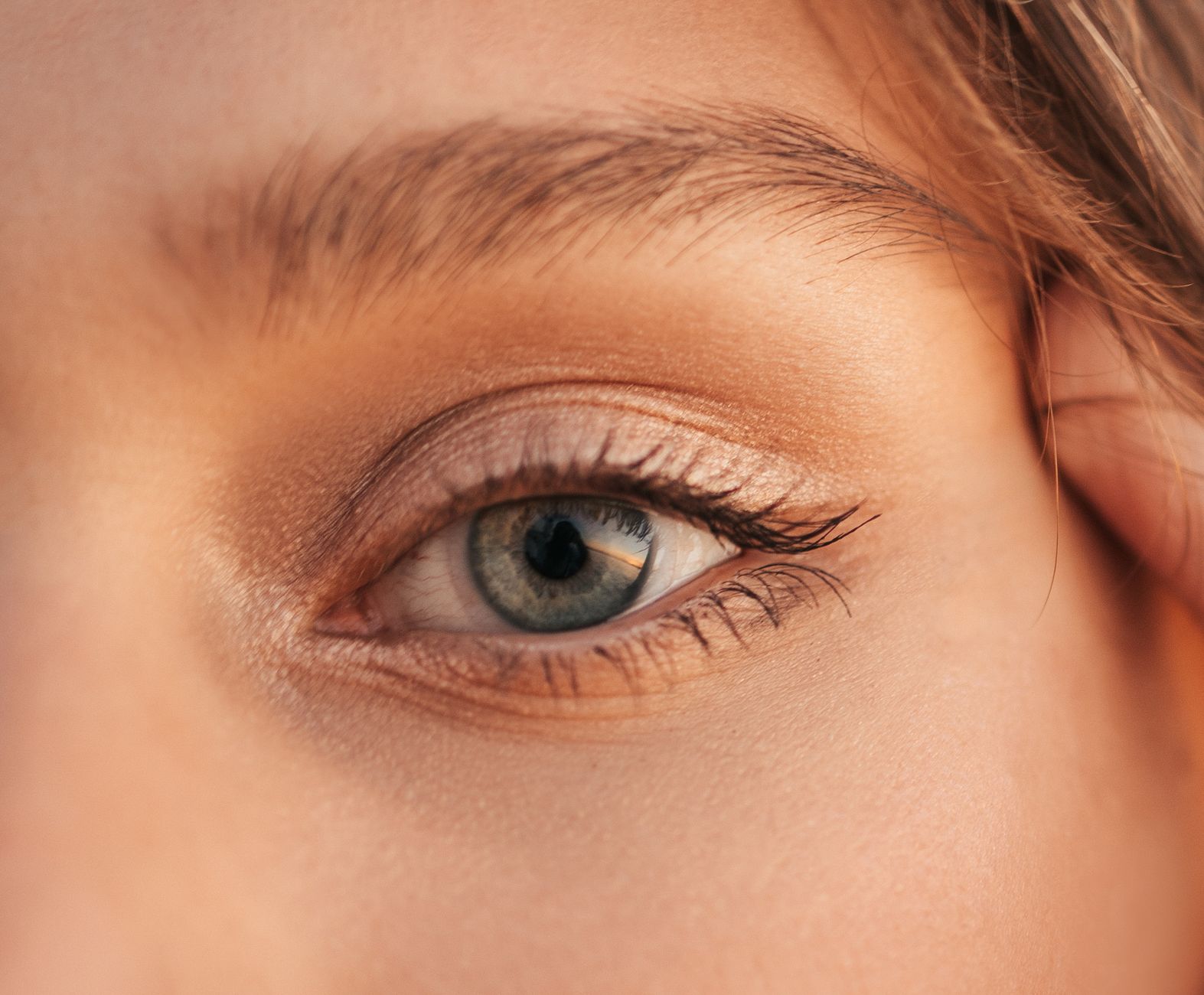
The fear that keeps many people from booking an eyelid surgery consultation isn’t the procedure itself; it’s the worry that they’ll end up looking obviously ‘done.’ The tight, startled, wide-eyed look that used to be associated with eyelid surgery has become the exact outcome modern patients are trying to avoid. The good news is that this look is no longer the standard; it’s actually a sign of outdated technique.
The shift toward subtlety is well documented. According to the International Society of Aesthetic Plastic Surgery (ISAPS), more than 2.1 million blepharoplasty procedures were performed globally in 2024 a 13.4% increase over the prior year that made it the single most-performed cosmetic surgical procedure in the world. For patients in Chicago exploring this option, understanding exactly what separates a natural result from a surgical-looking one is essential before choosing a surgeon.
1. Conservative, Precisely Measured Skin Removal
The single biggest driver of an obviously surgical eyelid result is over-resection, removing too much skin during the procedure. When a surgeon takes away more tissue than the eyelid can spare, the eye loses its natural softness and fullness, creating a hollow or permanently tight appearance that doesn’t relax even at rest.
Conservative, millimeter-precise skin removal preserves enough tissue for the eyelid to fold and move naturally, which is exactly what distinguishes a refreshed, natural-looking result from an overcorrected one. This calculation isn’t guesswork; it requires the surgeon to measure exactly how much excess skin exists and remove only that amount, resisting the temptation to take more in pursuit of a more dramatic transformation.
2. Selective Fat Preservation Rather Than Removal
Older blepharoplasty techniques often treated upper eyelid fat as something to be removed entirely, based on the assumption that less fat meant a more youthful appearance. Modern understanding of eyelid anatomy has shifted this significantly, recognizing that some upper lid fullness is exactly what keeps the eye looking soft rather than hollow and skeletal.
Selective fat preservation or even repositioning rather than removing fat altogether has become a defining feature of natural-looking blepharoplasty outcomes. This is one of the clearest markers separating experienced, modern surgeons from those still applying older, more aggressive standards to every patient regardless of their specific anatomy.
3. Careful Incision Placement Along the Natural Crease
Hiding the incision precisely within the eyelid’s natural crease line, not above or below it, is what makes the resulting scar essentially undetectable once fully healed. Incisions placed even slightly off the crease can create a visible line that doesn’t disappear the way a well-placed one does, no matter how well the rest of the surgery goes.
Surgeons who take extra time mapping this crease individually for each patient, rather than relying on a standardized measurement, consistently produce less visible scarring. This attention to incision placement matters as much for scar concealment as it does for how the eyelid moves and folds after healing.
4. Balancing the Brows for a More Refreshed Appearance
A drooping or heavy brow can mimic the appearance of upper eyelid hooding, and treating this as purely an eyelid problem without addressing brow position often leads to overcorrection of the lid itself.
When brow descent is contributing significantly to the appearance of hooding, addressing it, whether through a separate procedure or as part of the surgical plan, prevents the eyelid itself from being over-treated for a problem that actually originates elsewhere on the face. Patients considering upper blepharoplasty in Chicago with Dr. Sahar Nadimi benefit from a surgeon who evaluates brow position as part of the overall assessment, rather than treating the eyelid in isolation from the rest of the upper face.
5. Healing Plays a Key Role in the Final Result
What happens in the weeks after surgery shapes the final outcome just as much as the procedure itself. Understanding the recovery timeline in advance, knowing roughly what to expect at one week, one month, and several months out, prevents unnecessary worry during a process that unfolds gradually rather than all at once. Managing swelling and bruising properly in those early days, through simple measures like elevation and cold compresses, supports smoother healing and helps the eyelids settle into their final shape more predictably.
Following post-operative instructions closely, even the ones that feel minor, protects the surgical outcome during the period when tissue is most vulnerable to disruption. And perhaps most importantly, allowing results to develop gradually rather than judging the outcome too early is what keeps expectations realistic; the true result of eyelid surgery often takes several months to fully reveal itself, well after the initial swelling has resolved. Patience during this window is, in many respects, as important to the final result as the surgery itself.
Maintaining Long-Lasting, Natural-Looking Results
The surgical outcome sets the foundation, but what happens afterward plays a real role in how long that natural appearance actually holds.
None of these steps require significant effort, but together they meaningfully extend how long a natural, refreshed appearance actually lasts.
Conclusion
What makes upper blepharoplasty results look natural rather than surgical comes down to conservative tissue removal, thoughtful fat preservation, precise incision placement, attention to brow position, and a surgeon who treats each patient’s eyelid anatomy as genuinely individual. The tight, hollow, surprised look that people fear is a technique problem, not an inevitable consequence of the procedure itself.
For anyone considering eyelid surgery, the most important step is finding a surgeon who can speak specifically and confidently about how they preserve softness and natural movement in the eyelid because that conversation predicts how the final result will actually look.
Share this:
Like this: