We live in an era obsessed with quick fixes. Serums that promise miracles overnight, injectable treatments you can squeeze in during a lunch break, and filters that shave a decade off your face with one tap. And yet, year after year, the facelift stubbornly holds its ground at the top of the most-requested cosmetic procedures list. That’s not a coincidence.
The truth is, no amount of filler or laser treatment can quite replicate what a well-performed facelift achieves. The results are longer-lasting, more natural-looking than ever before, and increasingly accessible to a wider age range of patients. If you’ve been curious about what the procedure actually involves and why so many people are choosing it, this guide covers everything worth knowing.
1. The Numbers Don’t Lie
Facelifts have remained consistently popular for decades, and recent data backs that up. According to the American Society of Plastic Surgeons, rhytidectomy (the clinical term for a facelift) consistently ranks among the top five cosmetic surgical procedures performed every year in the United States. That’s tens of thousands of procedures annually, and the trend shows no sign of slowing down.
What’s changed in recent years isn’t the demand – it’s the patient profile. People are coming in younger, better informed, and with more realistic expectations than ever before. The era of the overly tight, windswept look has largely given way to something far more refined.
2. Modern Techniques Have Changed Everything
One of the biggest reasons facelifts remain so popular is that the surgical approach has evolved dramatically. The old technique of simply pulling skin tight has been replaced by a much more nuanced method that works with the deeper structural layers of the face, known as the SMAS (superficial musculoaponeurotic system). This means results that move naturally, age gracefully, and don’t shout “surgery” to everyone in the room.
Recovery times have also improved. Depending on the extent of the procedure, most patients are back to their normal routine within two to three weeks. Incisions are carefully placed along the hairline and natural facial contours, making scarring minimal and easy to conceal.
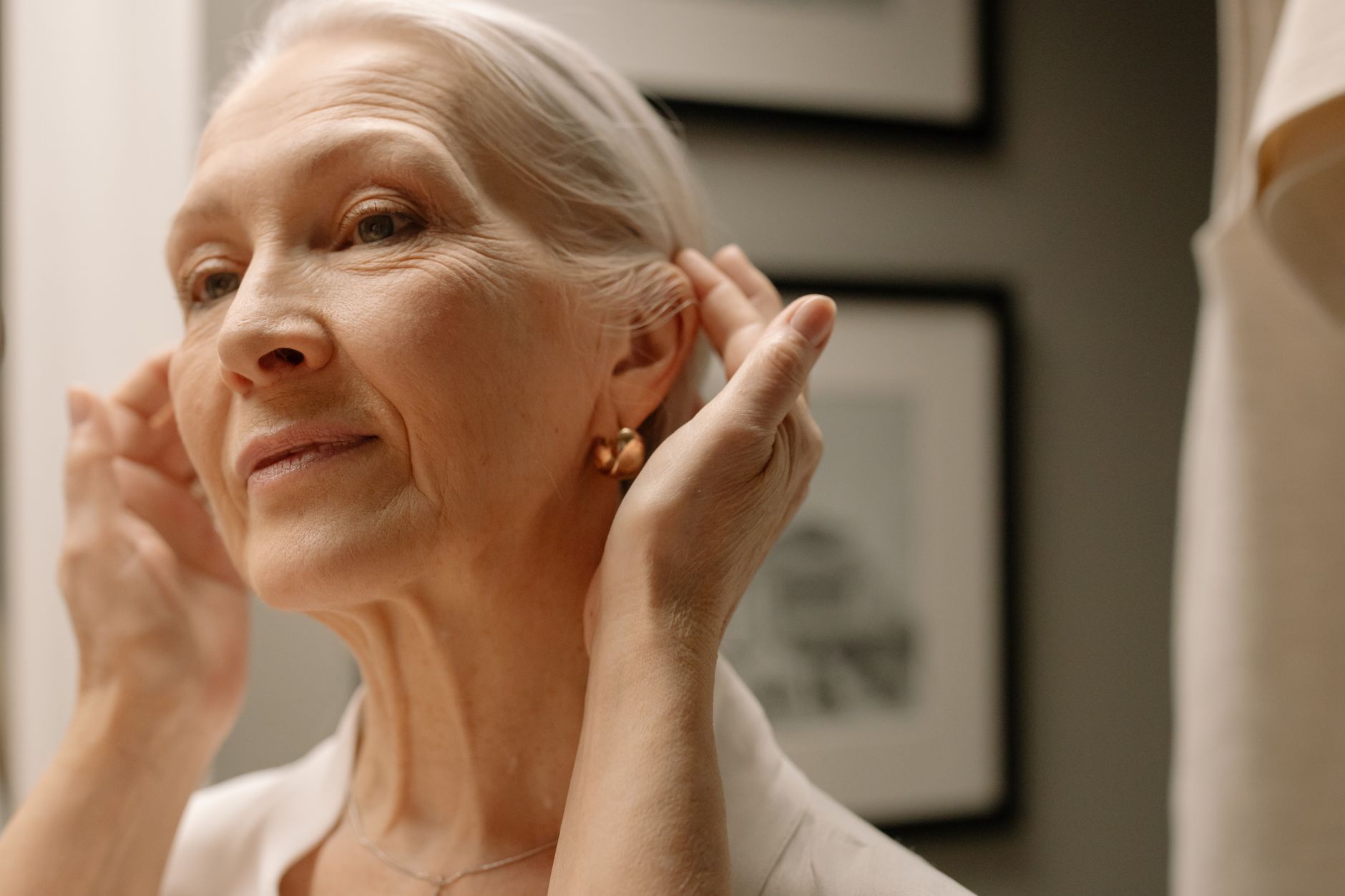
Photo by Alexander Krivitskiy
3. Why So Many People Are Turning to Miami for Their Procedure
Miami has become one of the most sought-after destinations in the country for cosmetic surgery, and it’s easy to see why. The city attracts some of the most experienced board-certified plastic surgeons in the US, draws patients from across Latin America and Europe, and has cultivated a culture that takes aesthetic care seriously without stigma.
For anyone considering a facelift in Miami, the quality of expertise available is genuinely impressive. Practices like Lampert MD Plastic Surgery bring a high level of surgical skill and patient-centred care to the process, which is exactly what you want when you’re making a decision this significant. The consultation alone can be eye-opening — a good surgeon won’t just tell you what’s possible, they’ll tell you honestly what’s right for your face.
4. Who Is Actually a Good Candidate?
Facelifts aren’t just for people in their 60s and 70s anymore. Surgeons regularly see patients in their mid-40s and 50s who want to address early jowling, loose skin along the neck, or deep nasolabial folds that no topical product is going to touch. Good candidates generally share a few things in common:
• Skin that still has some elasticity and hasn’t lost all of its natural tone
• Good overall health and no underlying conditions that could complicate surgery or healing
• Realistic expectations – a facelift improves, it doesn’t transform
• A clear motivation that comes from personal desire, not external pressure
Non-smokers tend to heal better and have fewer complications, which is something worth factoring in well before any procedure date.
5. Combining a Facelift With Other Treatments
One thing that often surprises first-time patients is how commonly facelifts are combined with complementary procedures. A neck lift is perhaps the most natural pairing – the two areas are closely connected, and addressing them together produces a more cohesive, balanced result.
Eyelid surgery (blepharoplasty) is another popular addition, particularly for patients whose upper face shows more ageing around the eyes. Fat grafting to restore lost volume is also becoming increasingly common, since a facelift tightens and repositions but doesn’t add volume back to areas like the temples or cheeks.
The key is having an honest conversation with your surgeon about what will actually address your concerns, rather than ticking boxes on a treatment list.
Final Thoughts
If you’re weighing up whether a facelift is the right move for you, the most important thing is to separate the procedure from the outdated version of it that still lingers in people’s minds. Today’s facelifts are subtle, skilled, and designed to make you look refreshed rather than redone.
The procedure doesn’t stop the clock entirely, but it does set it back in a way that nothing else quite manages. For patients who are ready, well-informed, and in the hands of the right surgeon, the results speak for themselves, often for a decade or more.
Start with a consultation, ask the hard questions, and take your time. There’s no rush — and the best outcomes always come to those who approach it that way.


We live in an era obsessed with quick fixes. Serums that promise miracles overnight, injectable treatments you can squeeze in during a lunch break, and filters that shave a decade off your face with one tap. And yet, year after year, the facelift stubbornly holds its ground at the top of the most-requested cosmetic procedures list. That’s not a coincidence.
The truth is, no amount of filler or laser treatment can quite replicate what a well-performed facelift achieves. The results are longer-lasting, more natural-looking than ever before, and increasingly accessible to a wider age range of patients. If you’ve been curious about what the procedure actually involves and why so many people are choosing it, this guide covers everything worth knowing.
1. The Numbers Don’t Lie
Facelifts have remained consistently popular for decades, and recent data backs that up. According to the American Society of Plastic Surgeons, rhytidectomy (the clinical term for a facelift) consistently ranks among the top five cosmetic surgical procedures performed every year in the United States. That’s tens of thousands of procedures annually, and the trend shows no sign of slowing down.
What’s changed in recent years isn’t the demand – it’s the patient profile. People are coming in younger, better informed, and with more realistic expectations than ever before. The era of the overly tight, windswept look has largely given way to something far more refined.
2. Modern Techniques Have Changed Everything
One of the biggest reasons facelifts remain so popular is that the surgical approach has evolved dramatically. The old technique of simply pulling skin tight has been replaced by a much more nuanced method that works with the deeper structural layers of the face, known as the SMAS (superficial musculoaponeurotic system). This means results that move naturally, age gracefully, and don’t shout “surgery” to everyone in the room.
Recovery times have also improved. Depending on the extent of the procedure, most patients are back to their normal routine within two to three weeks. Incisions are carefully placed along the hairline and natural facial contours, making scarring minimal and easy to conceal.
3. Why So Many People Are Turning to Miami for Their Procedure
Miami has become one of the most sought-after destinations in the country for cosmetic surgery, and it’s easy to see why. The city attracts some of the most experienced board-certified plastic surgeons in the US, draws patients from across Latin America and Europe, and has cultivated a culture that takes aesthetic care seriously without stigma.
For anyone considering a facelift in Miami, the quality of expertise available is genuinely impressive. Practices like Lampert MD Plastic Surgery bring a high level of surgical skill and patient-centred care to the process, which is exactly what you want when you’re making a decision this significant. The consultation alone can be eye-opening — a good surgeon won’t just tell you what’s possible, they’ll tell you honestly what’s right for your face.
4. Who Is Actually a Good Candidate?
Facelifts aren’t just for people in their 60s and 70s anymore. Surgeons regularly see patients in their mid-40s and 50s who want to address early jowling, loose skin along the neck, or deep nasolabial folds that no topical product is going to touch. Good candidates generally share a few things in common:
• Skin that still has some elasticity and hasn’t lost all of its natural tone
• Good overall health and no underlying conditions that could complicate surgery or healing
• Realistic expectations – a facelift improves, it doesn’t transform
• A clear motivation that comes from personal desire, not external pressure
Non-smokers tend to heal better and have fewer complications, which is something worth factoring in well before any procedure date.
5. Combining a Facelift With Other Treatments
One thing that often surprises first-time patients is how commonly facelifts are combined with complementary procedures. A neck lift is perhaps the most natural pairing – the two areas are closely connected, and addressing them together produces a more cohesive, balanced result.
Eyelid surgery (blepharoplasty) is another popular addition, particularly for patients whose upper face shows more ageing around the eyes. Fat grafting to restore lost volume is also becoming increasingly common, since a facelift tightens and repositions but doesn’t add volume back to areas like the temples or cheeks.
The key is having an honest conversation with your surgeon about what will actually address your concerns, rather than ticking boxes on a treatment list.
Final Thoughts
If you’re weighing up whether a facelift is the right move for you, the most important thing is to separate the procedure from the outdated version of it that still lingers in people’s minds. Today’s facelifts are subtle, skilled, and designed to make you look refreshed rather than redone.
The procedure doesn’t stop the clock entirely, but it does set it back in a way that nothing else quite manages. For patients who are ready, well-informed, and in the hands of the right surgeon, the results speak for themselves, often for a decade or more.
Start with a consultation, ask the hard questions, and take your time. There’s no rush — and the best outcomes always come to those who approach it that way.
Share this:
Like this: