Travelling with your dog can turn a weekend away into a shared experience. However, a trip starts before your dog jumps into the car.
Packing one dog travel bag keeps items together and reduces searching. Before leaving home, use a simple packing checklist too.
Vehicle safety deserves close attention before any packing starts. UK Highway Code guidance says animals should be restrained inside vehicles. In 2026, an AAA Florida survey found 70% of dog owners reported distraction from their dog while driving.
Here are ten items worth packing for your next trip.
1. Pack Enough Dog Food
Changing meals during holidays can upset your dog’s stomach. Pack enough dog food for the trip, plus one additional day.
Measure each meal carefully at home before you leave. Labelled portions make feeding easier during long driving days.
Maintain meals close to your normal home feeding schedule. Dogs already have enough new surroundings to process while travelling.
2. Bring Natural Dog Treats
Rewards can help during rest stops and training sessions. Choose natural dog treats your pet already eats at home.
Avoid testing unfamiliar chews during any long car journey. New ingredients may cause stomach problems at inconvenient times.
Floppy Ear offers chews that pack neatly for trips. Familiar snacks can also occupy your dog during breaks.
3. Use a Collapsible Water Bowl
Space disappears quickly when you pack for two travelers. A collapsible water bowl takes little room inside your kit.
Select one with a wide base for roadside stops. Narrow bowls can tip when your dog drinks quickly.
Wash the bowl properly each evening during longer trips. Road dust can collect inside reusable bowls surprisingly fast.
4. Pack a Dog Towel
Rainy walks can turn car interiors muddy within minutes. A dog towel gives you a cleanup option before boarding.
Store it near the door rather than underneath luggage. You may need it quickly before reaching your accommodation.
Microfiber versions can also dry faster between daily outings. This helps when your route includes beaches or wet trails.
5. Bring a Familiar Dog Bed
New accommodation can confuse dogs during the first night. Their normal dog bed gives them a familiar sleeping place.
Review your hotel or rental space before packing bedding. Smaller travel mats can work better inside tight rooms.
Place the bedding away from very busy doorways overnight. Rest comes easier without people stepping around your dog.
Photo by Roksolana Ganitkevych
6. Choose a Few Dog Toys
Do not pack every toy from your dog’s basket. Two familiar dog toys can provide entertainment during most trips.
Pick items your dog already uses safely without supervision. Discard damaged toys with any loose parts before departure.
One chew item can help during indoor downtime periods. Another interactive option works well during planned hotel breaks.
7. Keep Fresh Water Available
Dogs need regular drinking opportunities during long road journeys. Bring fresh water from a safe source whenever possible.
The CDC advises travelers to pack enough water for pets. It also warns against letting pets drink discolored or stagnant outdoor water.
Offer your dog drinks during every planned rest break. Warm weather may require more frequent stops for your dog.
8. Check the Dog ID Tag
Travel introduces many unfamiliar roads and different outdoor spaces. An updated dog ID tag gives someone immediate contact information after separation.
Confirm the phone number carefully before every major trip. Replace worn engraving if any digits have become difficult to read.
CDC guidance also recommends microchipping pets before any planned travel. Contact details linked to the microchip should remain current.
9. Pack a Reliable Dog Lead
A secure dog lead is essential around service stations. Busy places can trigger sudden interest in wildlife or passing animals.
Examine clips and stitching carefully before leaving your home. Minor signs of damage are easier to fix beforehand.
UK Highway Code guidance advises keeping dogs controlled near roads. Use a short lead beside traffic and shared paths.
10. Add Travel Documents and Safety Gear
International trips may require veterinary certificates or vaccination records. USDA guidance says preparation can take several weeks or even months.
Save digital copies safely alongside your original travel paperwork. Airline requirements can also differ from destination-country entry rules.
For car travel, use a suitable harness or secured crate. CDC guidance advises against letting pets roam freely inside vehicles.
A Better Trip Starts With Smart Packing
An enormous packing list is unnecessary for most dogs. You need practical items that solve likely problems during your route.
Verify all your supplies carefully the evening before departure. Review food portions, identification details, accommodation rules, and local veterinary contacts.
Good preparation gives you more time for walking together. Next adventures can focus on exploring rather than replacing forgotten supplies.
Thoughtful preparation can make travel easier for your dog.


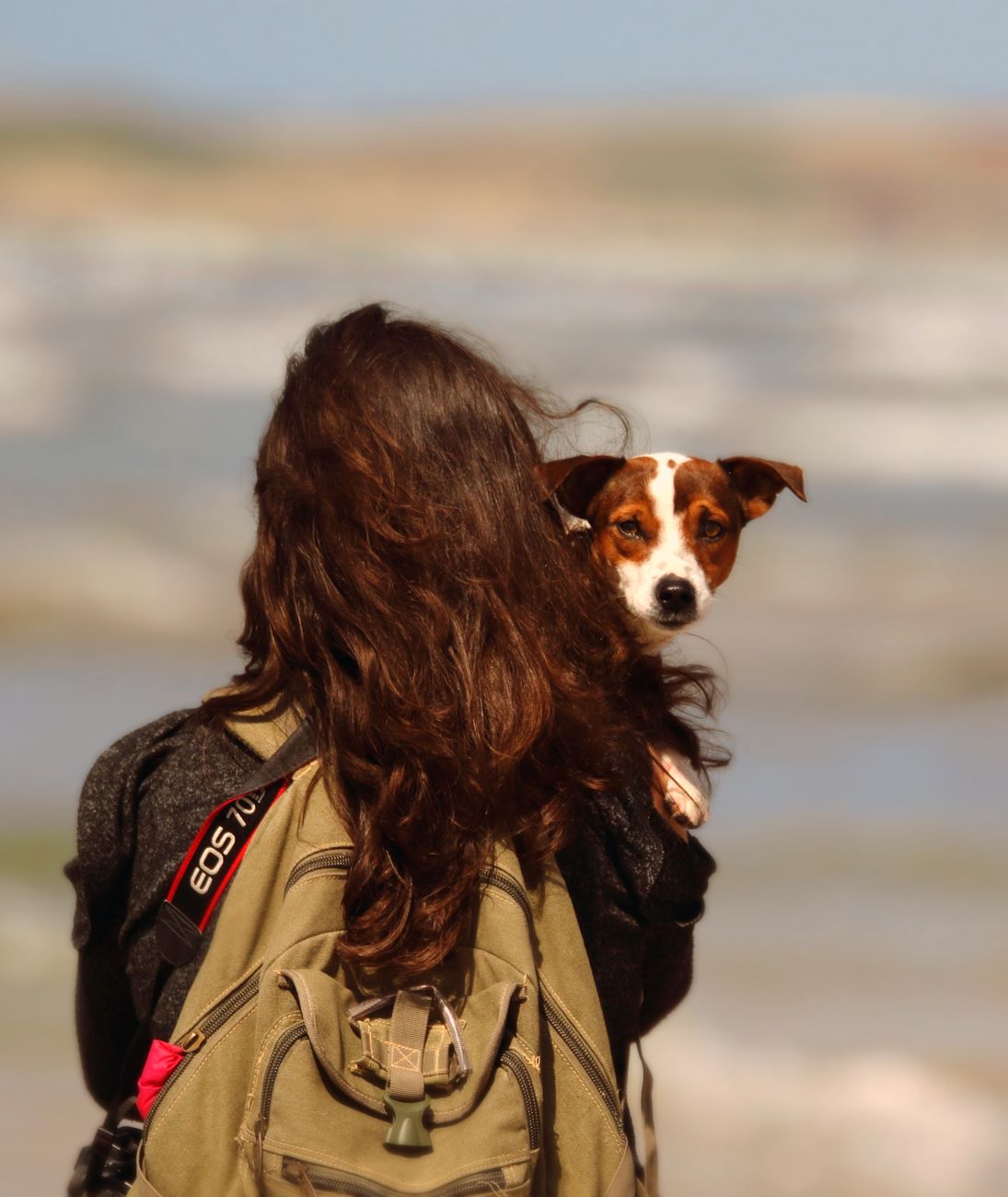
Travelling with your dog can turn a weekend away into a shared experience. However, a trip starts before your dog jumps into the car.
Packing one dog travel bag keeps items together and reduces searching. Before leaving home, use a simple packing checklist too.
Vehicle safety deserves close attention before any packing starts. UK Highway Code guidance says animals should be restrained inside vehicles. In 2026, an AAA Florida survey found 70% of dog owners reported distraction from their dog while driving.
Here are ten items worth packing for your next trip.
1. Pack Enough Dog Food
Changing meals during holidays can upset your dog’s stomach. Pack enough dog food for the trip, plus one additional day.
Measure each meal carefully at home before you leave. Labelled portions make feeding easier during long driving days.
Maintain meals close to your normal home feeding schedule. Dogs already have enough new surroundings to process while travelling.
2. Bring Natural Dog Treats
Rewards can help during rest stops and training sessions. Choose natural dog treats your pet already eats at home.
Avoid testing unfamiliar chews during any long car journey. New ingredients may cause stomach problems at inconvenient times.
Floppy Ear offers chews that pack neatly for trips. Familiar snacks can also occupy your dog during breaks.
3. Use a Collapsible Water Bowl
Space disappears quickly when you pack for two travelers. A collapsible water bowl takes little room inside your kit.
Select one with a wide base for roadside stops. Narrow bowls can tip when your dog drinks quickly.
Wash the bowl properly each evening during longer trips. Road dust can collect inside reusable bowls surprisingly fast.
4. Pack a Dog Towel
Rainy walks can turn car interiors muddy within minutes. A dog towel gives you a cleanup option before boarding.
Store it near the door rather than underneath luggage. You may need it quickly before reaching your accommodation.
Microfiber versions can also dry faster between daily outings. This helps when your route includes beaches or wet trails.
5. Bring a Familiar Dog Bed
New accommodation can confuse dogs during the first night. Their normal dog bed gives them a familiar sleeping place.
Review your hotel or rental space before packing bedding. Smaller travel mats can work better inside tight rooms.
Place the bedding away from very busy doorways overnight. Rest comes easier without people stepping around your dog.
6. Choose a Few Dog Toys
Do not pack every toy from your dog’s basket. Two familiar dog toys can provide entertainment during most trips.
Pick items your dog already uses safely without supervision. Discard damaged toys with any loose parts before departure.
One chew item can help during indoor downtime periods. Another interactive option works well during planned hotel breaks.
7. Keep Fresh Water Available
Dogs need regular drinking opportunities during long road journeys. Bring fresh water from a safe source whenever possible.
The CDC advises travelers to pack enough water for pets. It also warns against letting pets drink discolored or stagnant outdoor water.
Offer your dog drinks during every planned rest break. Warm weather may require more frequent stops for your dog.
8. Check the Dog ID Tag
Travel introduces many unfamiliar roads and different outdoor spaces. An updated dog ID tag gives someone immediate contact information after separation.
Confirm the phone number carefully before every major trip. Replace worn engraving if any digits have become difficult to read.
CDC guidance also recommends microchipping pets before any planned travel. Contact details linked to the microchip should remain current.
9. Pack a Reliable Dog Lead
A secure dog lead is essential around service stations. Busy places can trigger sudden interest in wildlife or passing animals.
Examine clips and stitching carefully before leaving your home. Minor signs of damage are easier to fix beforehand.
UK Highway Code guidance advises keeping dogs controlled near roads. Use a short lead beside traffic and shared paths.
10. Add Travel Documents and Safety Gear
International trips may require veterinary certificates or vaccination records. USDA guidance says preparation can take several weeks or even months.
Save digital copies safely alongside your original travel paperwork. Airline requirements can also differ from destination-country entry rules.
For car travel, use a suitable harness or secured crate. CDC guidance advises against letting pets roam freely inside vehicles.
A Better Trip Starts With Smart Packing
An enormous packing list is unnecessary for most dogs. You need practical items that solve likely problems during your route.
Verify all your supplies carefully the evening before departure. Review food portions, identification details, accommodation rules, and local veterinary contacts.
Good preparation gives you more time for walking together. Next adventures can focus on exploring rather than replacing forgotten supplies.
Thoughtful preparation can make travel easier for your dog.
Share this:
Like this: