Sports travel has moved far beyond simply watching a match or attending a race weekend. Many enthusiasts now plan entire holidays around major sporting events, iconic stadiums, famous courses, and destinations closely tied to sporting history. Some follow the Formula 1 calendar from Monaco to Silverstone and Monza, others head into the French Alps during ski season, while tennis fans build summer trips around Wimbledon.
The destinations below are ideal for travellers who genuinely enjoy the atmosphere, tradition, and culture that surround sports themselves
High-Speed Spectacle at World-Class Formula 1 Circuits
Monaco, Monza, Silverstone, and Singapore each attract very different crowds during the Formula 1 season, though every circuit transforms the surrounding city throughout race week. Around Silverstone, villages like Towcester and Stowe fill with fans several days before the Grand Prix begins. In Monza, Via Vittorio Emanuele becomes lined with Ferrari merchandise stalls while supporters gather around Piazza Trento e Trieste well into the evening.
At Marina Bay in Singapore, seats near Turn 1 and the Padang section place spectators close to some of the busiest parts of the circuit, particularly after sunset when city lights reflect across the barriers. In Spa-Francorchamps, many experienced fans choose grandstands overlooking Eau Rouge because the elevation changes appear far steeper in person than on television.
Away from race weekends, several circuits remain worth visiting throughout the year. Silverstone’s museum explores decades of British motorsport history, while Monza’s old banking track still sits hidden among the trees inside Parco di Monza. For those searching for the best F1 tickets, it is often worth considering packages that include grandstand seating near overtaking zones, pit lane access, or accommodation within easy reach of the circuit.
Photo by Jonathan Borba
Championship Fairways and Iconic Greens in St Andrews
Golf has shaped St Andrews for centuries, and nearly every street near the Old Course still reflects that connection. Early mornings along The Links often begin with players queuing outside the starter’s hut, hoping for a last-minute tee time. By midday, spectators gather beside the Swilcan Bridge, taking photographs while groups finish the 18th hole directly beside North Street.
The town itself feels surprisingly compact considering its reputation. Market Street and South Street remain busy with golf shops, old stone buildings, and university students crossing between lecture halls throughout the day. West Sands Beach stretches for nearly two miles beside the course, and walkers regularly follow the path towards the St Andrews Castle ruins after tournaments finish in the afternoon.
Many visitors also spend time beyond the Old Course. Kingsbarns Golf Links is a short drive south along the coast and offers sea views across the North Sea from several fairways. Crail Golfing Society, established in 1786, still feels quieter and less polished than some of Scotland’s larger golf clubs. Around the harbour near Shoregate, fishing boats continue unloading catches while golfers wander back into town carrying clubs over their shoulders.
Photo by Narsimha Rao Mangu
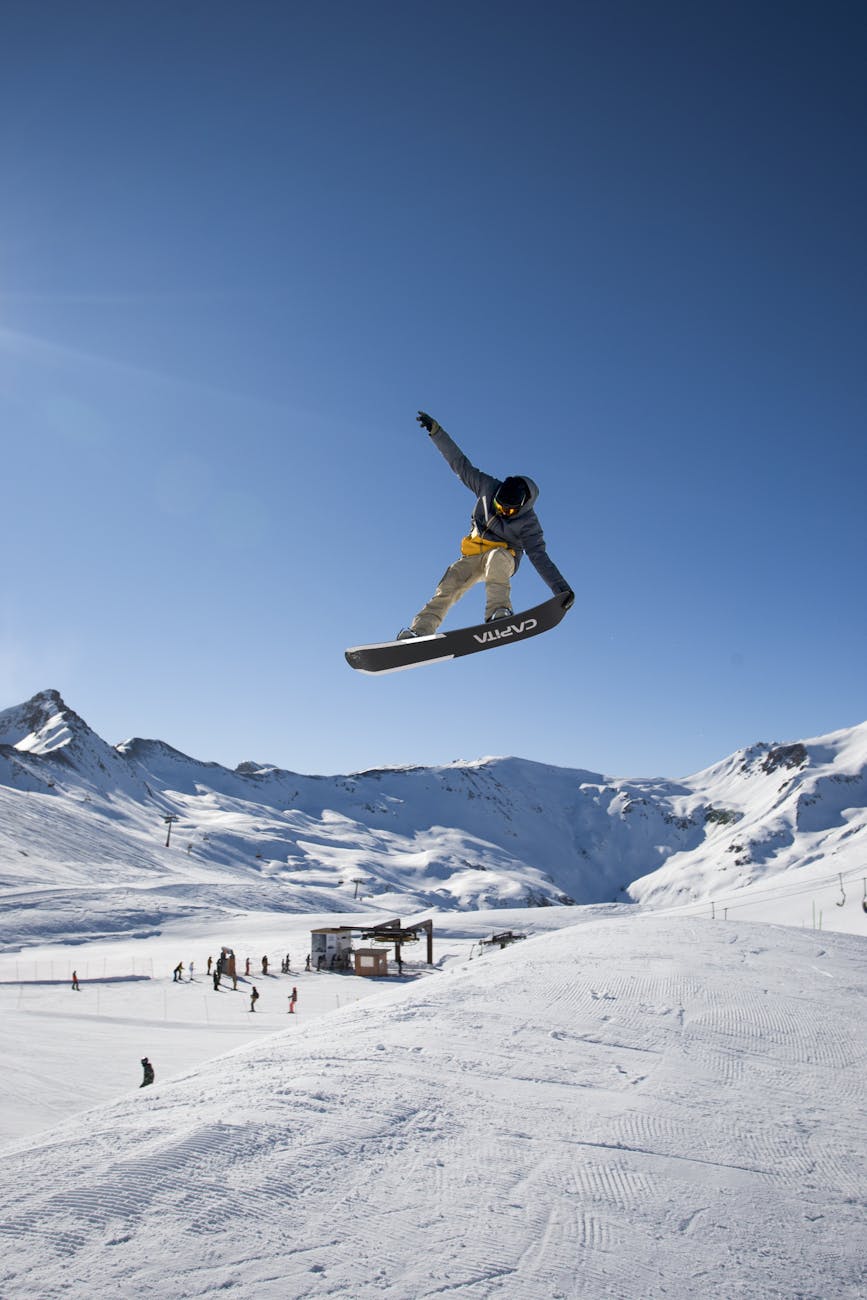
Pristine Slopes and Glacial Runs in the French Alps
Winter sports towns across the French Alps each have their own character, particularly between Chamonix, Courchevel, Val d’Isère, and Les Deux Alpes. In Chamonix, skiers gather around Place Balmat early in the morning, waiting for weather updates before heading towards the Aiguille du Midi cable car. During heavy snowfall, Rue du Docteur Paccard becomes crowded with people carrying skis through the town while equipment shops remain open late into the evening.
Beyond the ski slopes, the French Alps still hold onto older village traditions. In Megève, narrow lanes near Place de l’Église remain lined with old timber chalets and small winter markets selling regional cheeses and cured meats. Chamonix’s Saturday market near Place du Mont Blanc draws locals and visiting skiers, particularly during colder months when the stalls fill with mountain produce and heavy wool clothing.
If you are heading into alpine ski regions, it is important to plan your winter sports travel insurance carefully, particularly if your itinerary includes off-piste skiing, snowboarding, glacier crossings, or activities such as ice climbing and snowmobiling. Resorts around Val Thorens and Tignes often receive heavy snowfall well into the season, and rapidly changing mountain conditions can affect lift operations, visibility, and transport between high-altitude areas.
Grand Slam Drama and Historic Courts in Wimbledon
Wimbledon changes noticeably during The Championships. Queueing begins before sunrise along Wimbledon Park Road. By mid-morning, thousands of spectators move slowly through the gates carrying strawberries, umbrellas, and picnic bags towards Centre Court and No.1 Court. The surrounding streets around Church Road and Somerset Road stay busy throughout the tournament, particularly when major matches run into late evening.
Outside tournament season, the All England Club still attracts tennis fans visiting the Wimbledon Lawn Tennis Museum and tour areas overlooking the grass courts. The museum covers everything from early wooden racquets to modern championship memorabilia, and several exhibits focus heavily on famous finals played across different eras. The hill beside Court No.1 also feels much steeper in person than it appears on television broadcasts.
Wimbledon Village itself adds another layer to the area. The High Street remains lined with old brick buildings, small boutiques, and bakeries that become packed during summer tournaments. A short walk away, Wimbledon Common opens into large green spaces with ponds, horse trails, and wooded paths that locals use year-round. During finals weekend, it’s common to see crowds sitting outside nearby pubs watching matches through open windows facing the street.
Photo by Marian Florinel Condruz
Coastal Regattas and Yachting Tradition in Monaco
Monaco’s connection to motorsport often overshadows its long sailing history, though regattas remain a major part of the principality’s sporting calendar. Around Port Hercules, crews prepare yachts throughout the year while spectators gather along Quai Antoine Ier during events like the Monaco Yacht Show and the Classic Week regatta. During race weekends, many balconies and harbour decks overlooking the marina become temporary hospitality suites filled from morning onwards.
The old quarter above the harbour still feels surprisingly residential once visitors climb beyond Avenue de la Porte Neuve. Around Place du Palais, narrow streets curve past apartment shutters, small grocery shops, and viewpoints overlooking Monte Carlo’s marina. The Oceanographic Museum sits directly on the cliff edge nearby and remains one of the best places to watch boats entering the harbour below.
Larvotto Beach becomes especially busy during summer sailing events, particularly when support boats and smaller racing yachts anchor close to shore. In the evenings, crowds often drift back towards Casino Square, where luxury cars continue circling the same roads used during the Monaco Grand Prix.
Photo by Raouf Meftah
Which arena will you visit next?
Sports travel often leaves people remembering the atmosphere surrounding an event just as much as the competition itself. The sound of Formula 1 cars echoing through Monaco’s harbour tunnels, skiers gathering beneath the mountains in Chamonix, or the crowds outside Wimbledon at sunrise all stay memorable long after the trip ends. These destinations also offer much more than stadiums, circuits, or slopes. Visitors still find old town centres, coastal walks, local markets, and neighbourhoods that continue operating around the sporting calendar. For travellers who enjoy following major events across different countries, these places easily turn a match, race, or tournament into a much bigger trip.


Sports travel has moved far beyond simply watching a match or attending a race weekend. Many enthusiasts now plan entire holidays around major sporting events, iconic stadiums, famous courses, and destinations closely tied to sporting history. Some follow the Formula 1 calendar from Monaco to Silverstone and Monza, others head into the French Alps during ski season, while tennis fans build summer trips around Wimbledon.
The destinations below are ideal for travellers who genuinely enjoy the atmosphere, tradition, and culture that surround sports themselves
High-Speed Spectacle at World-Class Formula 1 Circuits
Monaco, Monza, Silverstone, and Singapore each attract very different crowds during the Formula 1 season, though every circuit transforms the surrounding city throughout race week. Around Silverstone, villages like Towcester and Stowe fill with fans several days before the Grand Prix begins. In Monza, Via Vittorio Emanuele becomes lined with Ferrari merchandise stalls while supporters gather around Piazza Trento e Trieste well into the evening.
At Marina Bay in Singapore, seats near Turn 1 and the Padang section place spectators close to some of the busiest parts of the circuit, particularly after sunset when city lights reflect across the barriers. In Spa-Francorchamps, many experienced fans choose grandstands overlooking Eau Rouge because the elevation changes appear far steeper in person than on television.
Away from race weekends, several circuits remain worth visiting throughout the year. Silverstone’s museum explores decades of British motorsport history, while Monza’s old banking track still sits hidden among the trees inside Parco di Monza. For those searching for the best F1 tickets, it is often worth considering packages that include grandstand seating near overtaking zones, pit lane access, or accommodation within easy reach of the circuit.
Championship Fairways and Iconic Greens in St Andrews
Golf has shaped St Andrews for centuries, and nearly every street near the Old Course still reflects that connection. Early mornings along The Links often begin with players queuing outside the starter’s hut, hoping for a last-minute tee time. By midday, spectators gather beside the Swilcan Bridge, taking photographs while groups finish the 18th hole directly beside North Street.
The town itself feels surprisingly compact considering its reputation. Market Street and South Street remain busy with golf shops, old stone buildings, and university students crossing between lecture halls throughout the day. West Sands Beach stretches for nearly two miles beside the course, and walkers regularly follow the path towards the St Andrews Castle ruins after tournaments finish in the afternoon.
Many visitors also spend time beyond the Old Course. Kingsbarns Golf Links is a short drive south along the coast and offers sea views across the North Sea from several fairways. Crail Golfing Society, established in 1786, still feels quieter and less polished than some of Scotland’s larger golf clubs. Around the harbour near Shoregate, fishing boats continue unloading catches while golfers wander back into town carrying clubs over their shoulders.
Pristine Slopes and Glacial Runs in the French Alps
Winter sports towns across the French Alps each have their own character, particularly between Chamonix, Courchevel, Val d’Isère, and Les Deux Alpes. In Chamonix, skiers gather around Place Balmat early in the morning, waiting for weather updates before heading towards the Aiguille du Midi cable car. During heavy snowfall, Rue du Docteur Paccard becomes crowded with people carrying skis through the town while equipment shops remain open late into the evening.
Beyond the ski slopes, the French Alps still hold onto older village traditions. In Megève, narrow lanes near Place de l’Église remain lined with old timber chalets and small winter markets selling regional cheeses and cured meats. Chamonix’s Saturday market near Place du Mont Blanc draws locals and visiting skiers, particularly during colder months when the stalls fill with mountain produce and heavy wool clothing.
If you are heading into alpine ski regions, it is important to plan your winter sports travel insurance carefully, particularly if your itinerary includes off-piste skiing, snowboarding, glacier crossings, or activities such as ice climbing and snowmobiling. Resorts around Val Thorens and Tignes often receive heavy snowfall well into the season, and rapidly changing mountain conditions can affect lift operations, visibility, and transport between high-altitude areas.
Grand Slam Drama and Historic Courts in Wimbledon
Wimbledon changes noticeably during The Championships. Queueing begins before sunrise along Wimbledon Park Road. By mid-morning, thousands of spectators move slowly through the gates carrying strawberries, umbrellas, and picnic bags towards Centre Court and No.1 Court. The surrounding streets around Church Road and Somerset Road stay busy throughout the tournament, particularly when major matches run into late evening.
Outside tournament season, the All England Club still attracts tennis fans visiting the Wimbledon Lawn Tennis Museum and tour areas overlooking the grass courts. The museum covers everything from early wooden racquets to modern championship memorabilia, and several exhibits focus heavily on famous finals played across different eras. The hill beside Court No.1 also feels much steeper in person than it appears on television broadcasts.
Wimbledon Village itself adds another layer to the area. The High Street remains lined with old brick buildings, small boutiques, and bakeries that become packed during summer tournaments. A short walk away, Wimbledon Common opens into large green spaces with ponds, horse trails, and wooded paths that locals use year-round. During finals weekend, it’s common to see crowds sitting outside nearby pubs watching matches through open windows facing the street.
Coastal Regattas and Yachting Tradition in Monaco
Monaco’s connection to motorsport often overshadows its long sailing history, though regattas remain a major part of the principality’s sporting calendar. Around Port Hercules, crews prepare yachts throughout the year while spectators gather along Quai Antoine Ier during events like the Monaco Yacht Show and the Classic Week regatta. During race weekends, many balconies and harbour decks overlooking the marina become temporary hospitality suites filled from morning onwards.
The old quarter above the harbour still feels surprisingly residential once visitors climb beyond Avenue de la Porte Neuve. Around Place du Palais, narrow streets curve past apartment shutters, small grocery shops, and viewpoints overlooking Monte Carlo’s marina. The Oceanographic Museum sits directly on the cliff edge nearby and remains one of the best places to watch boats entering the harbour below.
Larvotto Beach becomes especially busy during summer sailing events, particularly when support boats and smaller racing yachts anchor close to shore. In the evenings, crowds often drift back towards Casino Square, where luxury cars continue circling the same roads used during the Monaco Grand Prix.
Which arena will you visit next?
Sports travel often leaves people remembering the atmosphere surrounding an event just as much as the competition itself. The sound of Formula 1 cars echoing through Monaco’s harbour tunnels, skiers gathering beneath the mountains in Chamonix, or the crowds outside Wimbledon at sunrise all stay memorable long after the trip ends. These destinations also offer much more than stadiums, circuits, or slopes. Visitors still find old town centres, coastal walks, local markets, and neighbourhoods that continue operating around the sporting calendar. For travellers who enjoy following major events across different countries, these places easily turn a match, race, or tournament into a much bigger trip.
Share this:
Like this: