A cabin the size of a hotel bathroom, three kids under 10, and seven days at sea sounds like a recipe for disaster unless you plan ahead. Cruise lines have gotten smarter about accommodating families, but the parents who have the smoothest trips are usually the ones who did their homework before booking anything. Here’s what actually matters when you’re organizing a trip for the whole crew.
Pick the Right Ship, Not Just the Right Destination
The itinerary matters, but the ship itself will shape your daily experience more than any port stop. Newer mega-ships often have dedicated kids’ zones, splash pads, and teen lounges that keep different age groups happily occupied. Older or smaller ships tend to have a quieter, more relaxed atmosphere, which works better if your children are toddlers or if you’re traveling with grandparents who want less noise and fewer crowds. Before booking, look up the ship’s deck plan and youth program details rather than assuming every vessel in a cruise line’s fleet offers the same amenities.
Book Connecting or Adjoining Cabins Early
Family-friendly cabin configurations sell out fast, sometimes six to nine months before departure for peak season sailings. If you need two rooms with a connecting door, or a suite with a pull-out sofa for older kids, start looking as soon as you settle on dates. Waiting until a few weeks before the cruise usually means you’ll get stuck with cabins on opposite ends of the ship, which makes bedtime and quiet hours a logistical headache.
Understand the Kids’ Club Age Cutoffs
Most cruise lines split youth programs into age brackets like 3-5, 6-8, 9-11, and 12-14, and the cutoffs can make a bigger difference than you’d expect. A child who just turned 9 might be bored being lumped in with 11-year-olds, or a mature 7-year-old might chafe at activities designed for preschoolers. Call the cruise line or check the youth program page directly instead of relying on general marketing copy, since exact age ranges and hours of operation vary by ship and sailing date.
The advertised per-person rate almost never reflects what you’ll actually spend. Gratuities, specialty dining, Wi-Fi packages, shore excursions, and kids’ club add-ons for late-night sessions can add several hundred dollars per person by the end of the trip. A useful way to plan is to research package deals built specifically around traveling with children, since sites offering family cruises often bundle perks like free kids’ fares or onboard credit that offset some of these extra costs. Set a total trip budget that includes at least 20% above the base fare for incidentals.
Pack a Day Bag for Embarkation Day
The first day of a cruise involves hours of waiting around before cabins are ready and luggage arrives, sometimes four to six hours depending on the port. Pack swimsuits, sunscreen, snacks, a change of clothes, and any medication in a carry-on bag rather than checking it with the rest of your luggage. This lets kids jump straight into the pool or splash zone while checked bags slowly make their way to staterooms throughout the afternoon.
Research Shore Excursions With Age Limits in Mind
Not every excursion works for every age group, and cruise lines don’t always make restrictions obvious until you’re already reading the fine print. Ziplining, scuba certification trips, and some historical walking tours often have minimum age requirements or physical demands that rule out younger children. Look specifically for excursions labeled as family-friendly, and consider booking two separate outings on port days so older kids can do something more adventurous while younger ones stick to a beach day or a shorter tour.
Build in Downtime, Not Just Activities
It’s tempting to schedule something for every hour, especially on a trip that costs this much, but overtired kids ruin more vacations than boredom ever does. Plan at least one sea day or slower afternoon per week with no set agenda, where the only plan is swimming, napping, or watching a movie in the cabin. Ships have enough built-in entertainment that unstructured time rarely feels wasted, and everyone tends to enjoy dinner more when nobody’s running on fumes.
Making It Work Once You’re Onboard
The details above matter most in the planning stages, but the real test comes once you’re actually sailing. Keep a simple daily rhythm: a loose morning plan, lunch together as a family, and flexibility in the afternoon based on how everyone’s holding up. The families who report the best trips aren’t the ones who planned every minute — they’re the ones who picked the right ship and cabin setup from the start, then let the week unfold with room to breathe.


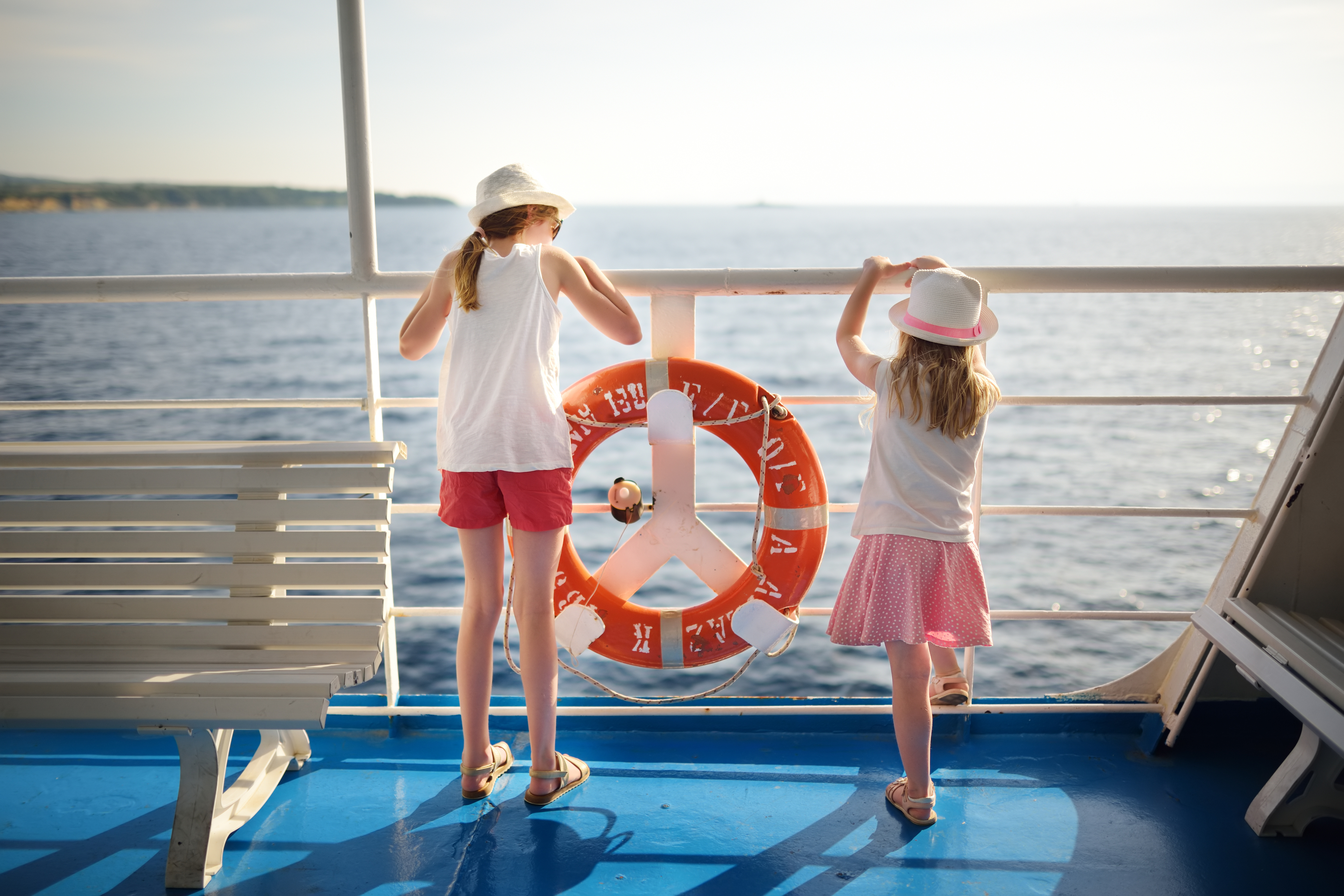
A cabin the size of a hotel bathroom, three kids under 10, and seven days at sea sounds like a recipe for disaster unless you plan ahead. Cruise lines have gotten smarter about accommodating families, but the parents who have the smoothest trips are usually the ones who did their homework before booking anything. Here’s what actually matters when you’re organizing a trip for the whole crew.
Pick the Right Ship, Not Just the Right Destination
The itinerary matters, but the ship itself will shape your daily experience more than any port stop. Newer mega-ships often have dedicated kids’ zones, splash pads, and teen lounges that keep different age groups happily occupied. Older or smaller ships tend to have a quieter, more relaxed atmosphere, which works better if your children are toddlers or if you’re traveling with grandparents who want less noise and fewer crowds. Before booking, look up the ship’s deck plan and youth program details rather than assuming every vessel in a cruise line’s fleet offers the same amenities.
Book Connecting or Adjoining Cabins Early
Family-friendly cabin configurations sell out fast, sometimes six to nine months before departure for peak season sailings. If you need two rooms with a connecting door, or a suite with a pull-out sofa for older kids, start looking as soon as you settle on dates. Waiting until a few weeks before the cruise usually means you’ll get stuck with cabins on opposite ends of the ship, which makes bedtime and quiet hours a logistical headache.
Understand the Kids’ Club Age Cutoffs
Most cruise lines split youth programs into age brackets like 3-5, 6-8, 9-11, and 12-14, and the cutoffs can make a bigger difference than you’d expect. A child who just turned 9 might be bored being lumped in with 11-year-olds, or a mature 7-year-old might chafe at activities designed for preschoolers. Call the cruise line or check the youth program page directly instead of relying on general marketing copy, since exact age ranges and hours of operation vary by ship and sailing date.
Budget for More Than the Base Fare
The advertised per-person rate almost never reflects what you’ll actually spend. Gratuities, specialty dining, Wi-Fi packages, shore excursions, and kids’ club add-ons for late-night sessions can add several hundred dollars per person by the end of the trip. A useful way to plan is to research package deals built specifically around traveling with children, since sites offering family cruises often bundle perks like free kids’ fares or onboard credit that offset some of these extra costs. Set a total trip budget that includes at least 20% above the base fare for incidentals.
Pack a Day Bag for Embarkation Day
The first day of a cruise involves hours of waiting around before cabins are ready and luggage arrives, sometimes four to six hours depending on the port. Pack swimsuits, sunscreen, snacks, a change of clothes, and any medication in a carry-on bag rather than checking it with the rest of your luggage. This lets kids jump straight into the pool or splash zone while checked bags slowly make their way to staterooms throughout the afternoon.
Research Shore Excursions With Age Limits in Mind
Not every excursion works for every age group, and cruise lines don’t always make restrictions obvious until you’re already reading the fine print. Ziplining, scuba certification trips, and some historical walking tours often have minimum age requirements or physical demands that rule out younger children. Look specifically for excursions labeled as family-friendly, and consider booking two separate outings on port days so older kids can do something more adventurous while younger ones stick to a beach day or a shorter tour.
Build in Downtime, Not Just Activities
It’s tempting to schedule something for every hour, especially on a trip that costs this much, but overtired kids ruin more vacations than boredom ever does. Plan at least one sea day or slower afternoon per week with no set agenda, where the only plan is swimming, napping, or watching a movie in the cabin. Ships have enough built-in entertainment that unstructured time rarely feels wasted, and everyone tends to enjoy dinner more when nobody’s running on fumes.
Making It Work Once You’re Onboard
The details above matter most in the planning stages, but the real test comes once you’re actually sailing. Keep a simple daily rhythm: a loose morning plan, lunch together as a family, and flexibility in the afternoon based on how everyone’s holding up. The families who report the best trips aren’t the ones who planned every minute — they’re the ones who picked the right ship and cabin setup from the start, then let the week unfold with room to breathe.
Share this:
Like this: