The alarm on a farm does not go off at seven. At around five-thirty in the morning, either the rooster, the cow, or even the farmer walking around barefoot on the porch will wake you up. This is the first lesson you should learn before you decide to go for a weekend at the family farm: you have to be ready to wake up early, follow the animals and the weather pattern, and enjoy it more than expected.
Irrespective of whether you learned about this place from an online booking platform, an agri-tourism directory in the region, or a friend, the process of preparation will be similar.
What to Pack
Footwear comes first. Boots that can get muddy and sturdy tennis shoes are the most important things in your pack, and having a spare pair of socks for each day keeps you happy. No sandal or white sneaker makes it out alive in a barnyard environment.
Clothing matters just as much. Temperatures can be chilly in the early morning and considerably warmer by lunchtime, so pack layers that are easy to add or remove. Long pants help protect against brambles, burrs, and ticks. The CDC’s tick prevention guidelines recommend using EPA-registered insect repellents and taking precautions with clothing when spending time in grassy or wooded areas.
Skin protection is necessary throughout the day when one is outside. As per the recommendation of the American Academy of Dermatology, people need to use a sunscreen lotion with an SPF of 30 or above and also a hat with a wider brim rather than a baseball cap. You need to bring a water bottle, a first aid kit, some bandages and antihistamines, and a headlight, as the nights in the countryside are completely dark.
If the kids are along, bring another set of clothes for each day, as someone will always locate the one puddle at the property. Another set of shoes for the return trip is also necessary.
What to Do
All hosts work their own version of the same beat, depending on the time of year. A June weekend involves strawberry picking and weeding. In October, it is about apple pressing and pumpkin patches. In spring, it is lambing and planting, and in late summer, it is hay. Find out what the hosts are doing at your arrival time since the schedule is dictated by the farm, not by the guests.
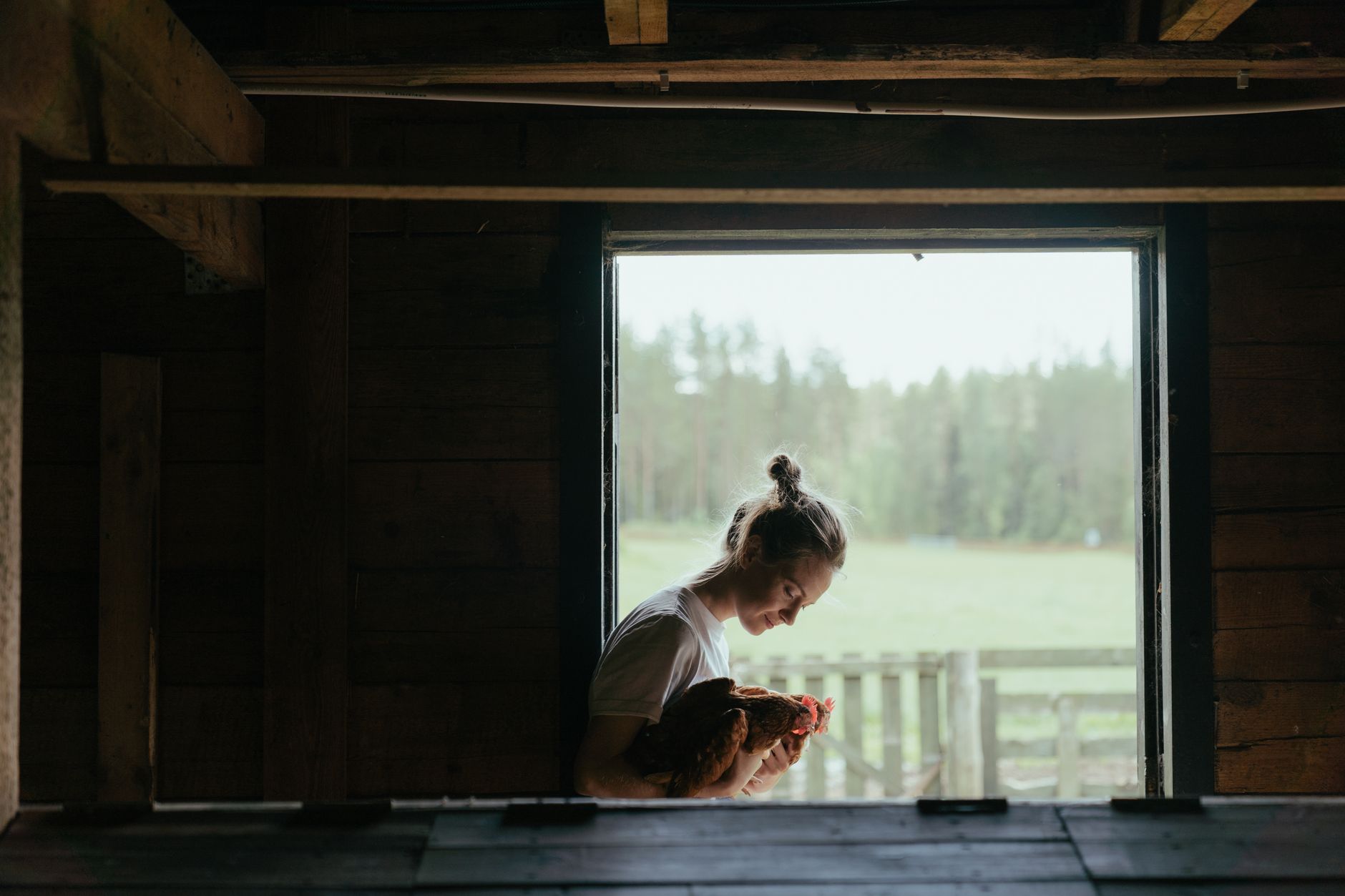
Days are typically spent helping out with chores, which you will be glad to help out with: collecting eggs, feeding chickens or goats, watering the vegetable beds. The afternoon is perfect for picking and stacking, or just strolling around the fence line in order to learn the layout of the property. Evenings are quiet, with a late supper, porch, and lots of stars that city people rarely see.
While exploring the farm, you will likely see how much work gets done in open fields under the midday sun. Watching farmers work from tractors equipped with a simple tractor canopy offers a clear reminder of how closely farm life is tied to the weather. If you take a hayride or ride along on equipment, taking note of these practical adaptations gives you a better appreciation for the daily routines and care involved in keeping the farm running.
Ask questions as you go. Most farm hosts enjoy explaining why a field is rotated, why a fence is built a certain way, or how a pig differs from a goat in character. Guests who listen tend to get invited into more of the work, and that is where the weekend gets memorable.
What to Expect
There will be some surprises along the way. Accommodation can include a sparsely furnished room in a farmhouse, a renovated barn, or a tiny cabin that may have thin walls, squeaky floors, and no TV. You won’t get good mobile phone coverage everywhere, so load up with maps and your bookings before you go. For some guests, the first hour might be stressful and the rest of the visit peaceful.
The countryside experience can also differ from what people imagine when they picture rural living. The quiet surroundings and slower pace can be appealing, but everyday country life involves practical responsibilities, changing weather, and occasional inconveniences.
Animals live by their own clock. The stubborn cow and the unwilling hen are just part of what happens during the weekend getaway, and not a reason to consider the experience a failure. It is best to respect the space of the animals, to wash your hands after dealing with them, and to do as instructed with the gates and corrals.
Meals depend on what the farm produces that week, so tell your host about allergies or dietary restrictions before you arrive rather than at the table. Most hosts can adjust, but the menu is built around what came out of the ground or the coop that morning, and a plain meal tastes different when the eggs were laid a few hours earlier.
On the last day, strip the bed, rinse your boots if there is a hose, and ask whether anything needs closing or returning before you leave. A short review or a thank-you note helps a small operation that depends on word of mouth, and most visitors drive home with a box of eggs or a jar of honey and a slightly different sense of how food reaches the table.


The alarm on a farm does not go off at seven. At around five-thirty in the morning, either the rooster, the cow, or even the farmer walking around barefoot on the porch will wake you up. This is the first lesson you should learn before you decide to go for a weekend at the family farm: you have to be ready to wake up early, follow the animals and the weather pattern, and enjoy it more than expected.
Irrespective of whether you learned about this place from an online booking platform, an agri-tourism directory in the region, or a friend, the process of preparation will be similar.
What to Pack
Footwear comes first. Boots that can get muddy and sturdy tennis shoes are the most important things in your pack, and having a spare pair of socks for each day keeps you happy. No sandal or white sneaker makes it out alive in a barnyard environment.
Clothing matters just as much. Temperatures can be chilly in the early morning and considerably warmer by lunchtime, so pack layers that are easy to add or remove. Long pants help protect against brambles, burrs, and ticks. The CDC’s tick prevention guidelines recommend using EPA-registered insect repellents and taking precautions with clothing when spending time in grassy or wooded areas.
Skin protection is necessary throughout the day when one is outside. As per the recommendation of the American Academy of Dermatology, people need to use a sunscreen lotion with an SPF of 30 or above and also a hat with a wider brim rather than a baseball cap. You need to bring a water bottle, a first aid kit, some bandages and antihistamines, and a headlight, as the nights in the countryside are completely dark.
If the kids are along, bring another set of clothes for each day, as someone will always locate the one puddle at the property. Another set of shoes for the return trip is also necessary.
What to Do
All hosts work their own version of the same beat, depending on the time of year. A June weekend involves strawberry picking and weeding. In October, it is about apple pressing and pumpkin patches. In spring, it is lambing and planting, and in late summer, it is hay. Find out what the hosts are doing at your arrival time since the schedule is dictated by the farm, not by the guests.
Days are typically spent helping out with chores, which you will be glad to help out with: collecting eggs, feeding chickens or goats, watering the vegetable beds. The afternoon is perfect for picking and stacking, or just strolling around the fence line in order to learn the layout of the property. Evenings are quiet, with a late supper, porch, and lots of stars that city people rarely see.
While exploring the farm, you will likely see how much work gets done in open fields under the midday sun. Watching farmers work from tractors equipped with a simple tractor canopy offers a clear reminder of how closely farm life is tied to the weather. If you take a hayride or ride along on equipment, taking note of these practical adaptations gives you a better appreciation for the daily routines and care involved in keeping the farm running.
Ask questions as you go. Most farm hosts enjoy explaining why a field is rotated, why a fence is built a certain way, or how a pig differs from a goat in character. Guests who listen tend to get invited into more of the work, and that is where the weekend gets memorable.
What to Expect
There will be some surprises along the way. Accommodation can include a sparsely furnished room in a farmhouse, a renovated barn, or a tiny cabin that may have thin walls, squeaky floors, and no TV. You won’t get good mobile phone coverage everywhere, so load up with maps and your bookings before you go. For some guests, the first hour might be stressful and the rest of the visit peaceful.
The countryside experience can also differ from what people imagine when they picture rural living. The quiet surroundings and slower pace can be appealing, but everyday country life involves practical responsibilities, changing weather, and occasional inconveniences.
Animals live by their own clock. The stubborn cow and the unwilling hen are just part of what happens during the weekend getaway, and not a reason to consider the experience a failure. It is best to respect the space of the animals, to wash your hands after dealing with them, and to do as instructed with the gates and corrals.
Meals depend on what the farm produces that week, so tell your host about allergies or dietary restrictions before you arrive rather than at the table. Most hosts can adjust, but the menu is built around what came out of the ground or the coop that morning, and a plain meal tastes different when the eggs were laid a few hours earlier.
On the last day, strip the bed, rinse your boots if there is a hose, and ask whether anything needs closing or returning before you leave. A short review or a thank-you note helps a small operation that depends on word of mouth, and most visitors drive home with a box of eggs or a jar of honey and a slightly different sense of how food reaches the table.
Share this:
Like this: