There are places that make you feel as though you have stepped into another world, and Alaska is one of them. Here, mountains rise dramatically from deep blue fjords, immense glaciers descend towards the sea, and forests stretch across landscapes that seem to continue far beyond the horizon. Bald eagles circle above quiet waterways, whales surface in icy coastal passages, and the midnight sun can keep the wilderness glowing long after you would normally expect the day to end.
Alaska is not simply a destination to visit. It is a place to experience on a grand scale. Days can be spent watching glaciers calve into the ocean, travelling through mountain passes, exploring remote coastal towns or following trails that lead into some of North America’s most extraordinary wilderness. Even its quieter moments feel remarkable, whether you are sipping coffee beside a misty harbour, watching the light move across a mountain range or listening to the soft crackle of a glacier in the distance.
Known as the Last Frontier, Alaska occupies a special place in the imagination of travellers. Its immense size, dramatic seasonal changes and remarkable wildlife offer a sense of freedom that is increasingly difficult to find elsewhere. Yet Alaska is not only about remote landscapes and rugged adventures. Its coastal communities, Indigenous cultures, historic towns, local food and welcoming small cities give the state a depth that makes a journey here about much more than scenery.
For some travellers, Alaska means the chance to see bears fishing for salmon or whales moving through glacial waters. For others, it means travelling beneath towering peaks, discovering gold-rush history, exploring colourful waterfront towns or experiencing the extraordinary light of the far north. Whatever draws you here, Alaska has a way of making the world feel both bigger and more beautiful.
This ultimate Alaska travel guide explores the best places to visit, unforgettable experiences, wildlife encounters, scenic journeys, seasonal highlights and practical advice to help you plan an adventure that stays with you long after you return home.
Why Visit Alaska?
Alaska offers a kind of wilderness that feels almost impossible to comprehend until you see it for yourself. It is the largest state in the United States, with vast stretches of mountain ranges, tundra, boreal forest, glaciers and coastline. The distances between destinations can be enormous, and that scale is part of what makes travelling here so extraordinary. A journey through Alaska is not simply about ticking off attractions. It is about experiencing the changing landscapes along the way.
One morning might begin beside a calm harbour, where fishing boats move through the mist and seabirds circle overhead. By afternoon, you could be travelling beneath snow-covered peaks or standing in front of a glacier that has been slowly shaping the landscape for centuries. The scenery changes constantly, creating a journey that feels alive with possibility.
Alaska is also one of the most rewarding destinations for wildlife enthusiasts. Depending on where and when you travel, you may encounter moose, caribou, Dall sheep, bald eagles, sea otters, harbour seals, humpback whales and brown or black bears. Wildlife sightings can never be guaranteed, but the opportunity to observe animals in their natural habitats is one of the state’s greatest attractions.
Beyond its landscapes, Alaska has a rich cultural history shaped by Indigenous peoples, Russian settlement, exploration, fishing, mining and the development of remote communities. Learning about these stories adds meaning to the places you visit and helps you understand that Alaska is not an empty wilderness, but a living homeland with diverse communities and deep cultural connections to the land and sea.
If you love destinations that combine outdoor adventure with distinctive local character, Alaska deserves a place on your travel list. It is especially appealing to travellers who enjoy scenic road trips, nature photography, hiking, boat excursions and the feeling of being somewhere truly different.
The Best Places to Visit in Alaska
Anchorage: Your Gateway to the Last Frontier
Anchorage is often the starting point for an Alaska adventure, but it is much more than a place to collect a hire car or catch a connecting flight. Set between the waters of Cook Inlet and the Chugach Mountains, the state’s largest city offers an appealing combination of urban comforts and immediate access to nature. On a clear day, the mountains form a spectacular backdrop to everyday life, reminding visitors how close the wilderness really is.
Begin your visit with a walk or cycle along the Tony Knowles Coastal Trail, a scenic route that follows the shoreline and offers views across Cook Inlet. Keep your eyes open for bald eagles and other wildlife, and enjoy the changing perspective as the trail moves between coastal scenery, green spaces and views of the surrounding mountains. Even a short section can provide a wonderful introduction to Anchorage’s outdoor lifestyle.
The city is also a valuable place to learn about Alaska’s people and history. The Anchorage Museum explores art, culture, history and the northern environment, while the Alaska Native Heritage Center offers opportunities to learn about the state’s Indigenous cultures through storytelling, cultural demonstrations and traditional structures. These experiences provide important context for the landscapes you will encounter beyond the city.
Food is another reason to spend time here. Anchorage has restaurants serving fresh seafood, locally sourced ingredients and contemporary interpretations of Alaskan cooking. Try wild salmon or halibut when available, and look for seasonal menus that reflect the state’s connection to the sea and land.
Allow at least a full day in Anchorage before continuing your journey. It is an excellent place to settle into Alaska’s pace, prepare for outdoor excursions and begin discovering the remarkable contrasts that define the state.
Denali National Park: A Landscape on an Extraordinary Scale
Denali National Park and Preserve is one of Alaska’s defining wilderness destinations. Its vast landscape encompasses tundra, forests, braided rivers, rugged peaks and habitats that support an extraordinary range of wildlife. The park is home to Denali, North America’s highest mountain, whose summit can appear above the clouds on clear days or disappear into changing weather, adding to its sense of mystery.
The experience of visiting Denali is less about rushing between individual sights and more about immersing yourself in the landscape. The open tundra can feel almost endless, while distant mountains create a dramatic backdrop to rivers and winding valleys. Wildlife such as caribou, moose, Dall sheep, wolves and bears may be visible, although sightings depend on season, conditions and luck.
A guided wildlife excursion or park bus journey can be a rewarding way to explore areas beyond the main entrance. Access to the park road can change because of weather, maintenance and other conditions, so check the current official park information before planning your route. Do not assume that the entire road is open to private vehicles or that all areas are accessible during your visit.
Hiking offers another way to appreciate Denali, with options ranging from shorter walks near the entrance to more demanding routes into the surrounding landscape. Conditions can change quickly, and some terrain is challenging, so choose activities suited to your experience and preparation. Travellers should also understand bear safety, carry appropriate equipment and follow park guidance.
For photographers, Denali offers the possibility of extraordinary light. Early mornings and late evenings can create soft colours across the mountains, while clouds and shifting weather transform the scenery throughout the day. Even if the famous peak remains hidden, the park’s vastness and sense of wilderness make the experience worthwhile.
Seward: Where Mountains Meet the Sea
Seward is one of Alaska’s most beautiful coastal towns, set beside Resurrection Bay with mountains rising around the water. Fishing boats, waterfront views and colourful buildings give the town a relaxed maritime atmosphere, while the surrounding landscape offers access to glaciers, hiking trails and wildlife-rich waters.
A boat excursion into Kenai Fjords National Park is one of the most memorable experiences you can have here. The coastline is shaped by dramatic cliffs, islands and tidewater glaciers, and the surrounding waters can support sightings of humpback whales, orcas, sea otters, harbour seals, seabirds and other marine life. Every trip is different, which makes time on the water feel like a genuine adventure rather than a predictable sightseeing tour.
Back on land, explore Seward’s waterfront, visit local galleries or walk along the harbour to watch fishing boats come and go. The town is small enough to explore at a relaxed pace, and its location makes it a wonderful base for travellers who want to combine coastal scenery with outdoor activities.
Seward also provides access to Exit Glacier, one of the more accessible features of Kenai Fjords National Park. The surrounding trails offer opportunities to observe glacial landscapes and learn how ice has shaped the region. Conditions and trail access vary, so check current park guidance before setting out.
If you are planning a road trip through southern Alaska, Seward is well worth including. It brings together the elements that make the state so special: mountains, ocean, wildlife and a strong connection to the natural environment.
Kenai Fjords National Park: Glaciers, Fjords and Marine Wildlife
Kenai Fjords National Park offers some of Alaska’s most dramatic coastal scenery. Deep fjords cut into rugged mountains, glaciers descend towards the sea and icy waters create a habitat for an impressive variety of marine life. For travellers who want to experience Alaska from the water, this region is one of the most rewarding places to explore.
Boat tours are a popular way to see the park’s coastal landscape. Depending on the route and conditions, you may pass towering cliffs, floating ice and remote shorelines where seabirds nest. Marine mammals sometimes appear beside the boat or in the distance, offering brief glimpses of life in these cold waters. A knowledgeable guide can help explain the geology, wildlife and changing environment, making the journey as informative as it is beautiful.
The park also offers opportunities to learn about glaciers and the landscapes they create. Glacial ice can appear in shades of white, blue and grey, changing with the light and the density of the ice. The sounds of shifting ice, distant waterfalls and seabirds can make the experience feel wonderfully remote, even when you are travelling with other visitors.
If you prefer to stay on land, the Exit Glacier area provides a different perspective on the relationship between ice and landscape. Interpretive signs and trails help visitors understand how the glacier has changed over time. For another destination where immense mountains and extraordinary wilderness shape the journey, explore our Patagonia travel guide.
Juneau: Alaska’s Capital City
Juneau is Alaska’s capital, but its setting feels more like a remote coastal wilderness than a conventional state capital. Surrounded by mountains and waterways, the city is reached by air or sea rather than by a continuous road connection to the rest of the North American highway network. That relative isolation contributes to its distinctive character.
One of Juneau’s main attractions is the Mendenhall Glacier, located a short journey from the city. The surrounding area offers trails, viewpoints and opportunities to learn about glacial landscapes. The glacier’s appearance and accessibility can change over time, so check local conditions and visitor guidance before planning your visit. Arriving early can help you enjoy the scenery before the busiest periods.
Juneau is also an excellent place for whale-watching excursions during the relevant season. Humpback whales are frequently associated with the region’s summer waters, although sightings are never guaranteed. Guided tours can provide insight into marine ecosystems and responsible wildlife observation, while giving you the chance to appreciate the surrounding mountains from the water.
In the city itself, explore the historic downtown streets, browse local shops and enjoy the waterfront atmosphere. Juneau’s museums and cultural attractions offer opportunities to learn about Indigenous heritage, the gold-rush era and the history of Alaska’s capital.
Juneau rewards travellers who take their time. It is easy to focus on the glacier and wildlife excursions, but the combination of local history, mountain scenery and coastal life gives the city a character of its own.
Fairbanks: The Land of the Midnight Sun and Northern Lights
Fairbanks offers a very different experience from Alaska’s coastal destinations. Located in the state’s Interior, it is known for dramatic seasonal changes, long summer daylight hours and opportunities to see the aurora borealis during the darker months. The surrounding landscape is shaped by forests, rivers and open northern skies, creating an atmosphere that feels distinct from the coastal fjords and mountain valleys farther south.
In summer, extended daylight makes it possible to enjoy outdoor activities well into the evening. You can explore local museums, visit nearby nature areas, learn about life in the Interior or take scenic excursions through the surrounding landscape. The long days can feel unusual at first, but they also offer extraordinary freedom to explore at a slower pace.
Winter transforms Fairbanks into a destination for travellers hoping to experience Alaska under snow and stars. When conditions are favourable, the northern lights may appear as luminous green or violet ribbons across the night sky. Aurora sightings depend on solar activity, cloud cover, darkness and local conditions, so they can never be guaranteed. Plan several nights if seeing the aurora is a priority, and allow time to rest between late-night outings.
Fairbanks also provides a useful base for learning about Alaska’s northern environment and history. The city has museums and cultural attractions that explore regional life, while excursions outside town can introduce visitors to the scale and quiet of the Interior.
Whether you visit beneath the midnight sun or in search of the aurora, Fairbanks offers a powerful reminder that Alaska changes dramatically with the seasons.
Talkeetna: A Small Town with Big Mountain Views
Talkeetna is a charming small town that offers a more relaxed side of the Alaska experience. Its historic centre has independent shops, cafes, local businesses and a friendly atmosphere that invites visitors to wander rather than hurry. It is also known as a gateway for mountaineering and flightseeing adventures in the surrounding mountain region.
On a clear day, views towards Denali and the Alaska Range can be spectacular, although weather can obscure the mountains for extended periods. If you are interested in seeing the landscape from above, scenic flights may offer a remarkable perspective on the scale of the peaks and glaciers. Choose a reputable operator, understand the weather-dependent nature of the experience and confirm what is included before booking.
Talkeetna is equally appealing if you simply want to slow down. Spend time browsing the shops, enjoying a meal or walking near the rivers. The town provides a welcome contrast to the larger visitor hubs, and its unhurried atmosphere makes it an appealing stop on a road or rail journey through the state.
If you have flexibility in your itinerary, consider allowing an overnight stay rather than treating Talkeetna as a brief stop. A little extra time gives you a better chance of enjoying the town’s atmosphere and adapting to changing weather.
Glacier Bay National Park: A World of Ice and Water
Glacier Bay National Park and Preserve is one of Alaska’s great natural spectacles. Located in the state’s southeastern region, the park contains a remarkable landscape of glaciers, mountains, forests and marine habitats. The relationship between ice and water defines the scenery, creating a destination that feels both immense and constantly changing.
For many visitors, exploring Glacier Bay means travelling by boat, often as part of a cruise itinerary or an organised excursion. From the water, you can appreciate the scale of the surrounding mountains and glaciers, watch for marine wildlife and listen to guides explain how the landscape has evolved. The experience is especially powerful when the water is calm and the ice stands out against the darker mountain slopes.
Glacier Bay is also an important environment for wildlife. Depending on the season and conditions, visitors may encounter humpback whales, sea otters, harbour seals and a variety of seabirds. Responsible wildlife viewing means allowing animals space and following guidance from park staff and tour operators.
Because access and travel options differ from those in road-connected parts of Alaska, planning is particularly important. Research transport connections, seasonal schedules and accommodation well in advance. If Glacier Bay is a priority, build your itinerary around the destination rather than assuming it can be added easily at the last minute.
For travellers drawn to extraordinary natural environments, Glacier Bay offers one of the most memorable ways to experience the relationship between Alaska’s mountains, glaciers and sea.
The Best Time to Visit Alaska
Alaska changes so dramatically throughout the year that choosing when to visit is almost as important as choosing where to go. Summer brings long daylight hours, accessible hiking trails, active wildlife and the widest range of sightseeing excursions. Winter offers a completely different world of snow-covered forests, frozen landscapes, northern lights and activities that are impossible to experience in the warmer months.
For many first-time visitors, June through August is the easiest period to plan around. Days are long, temperatures are generally milder than in winter and many tour operators, lodges and seasonal attractions are operating. This is also a popular time for wildlife viewing and coastal excursions, so booking accommodation and important activities in advance is worthwhile.
Summer in Alaska: Long Days and Wild Adventures
Summer is the season for road trips, mountain views, glacier cruises and hiking. In some parts of Alaska, daylight lasts late into the evening, giving you extra time to explore without feeling that the day has ended. It can be wonderfully disorienting to finish dinner and discover that the landscape is still bathed in sunlight.
This is also an excellent time to explore Denali, travel the Seward Highway, visit coastal towns and join wildlife excursions. The landscape becomes greener, rivers flow through mountain valleys and wildflowers brighten open meadows. Mosquitoes can be plentiful in some inland areas, so insect repellent and suitable clothing are worth packing.
The trade-off is that summer is the busiest season. Popular accommodation can book out, cruise ports become lively and some excursions have limited capacity. If you have your heart set on a particular lodge, scenic flight or glacier tour, reserve it before travelling.
Autumn in Alaska: Golden Tundra and Quiet Landscapes
Autumn can be a beautiful time to experience Alaska, especially if you enjoy quieter destinations and changing colours. In the Interior and northern regions, tundra and trees can turn shades of gold, rust and red before winter arrives. The season is relatively brief in many areas, but the landscapes can be extraordinary.
September can offer a different atmosphere from the peak summer months, with fewer visitors in some destinations and shorter days that begin to make the night sky more interesting. However, seasonal services may start to close, and weather can become less predictable. Check local opening dates carefully if you are planning to visit remote areas or rely on a particular tour.
For travellers who prefer a little more solitude, autumn can be rewarding. The experience is less about trying to fit every summer attraction into one itinerary and more about enjoying the changing landscape at a slower pace.
Winter in Alaska: Snow, Silence and the Northern Lights
Winter reveals another side of Alaska. Snow softens the forests, frozen rivers reshape the landscape and the northern sky becomes one of the destination’s greatest attractions. Fairbanks is a popular base for travellers hoping to see the aurora borealis, while other parts of the state offer opportunities for dog sledding, snowshoeing, skiing and winter photography.
The northern lights are a natural phenomenon, not a scheduled performance. Clear skies, darkness and solar activity all influence whether you will see them. If the aurora is a priority, plan several nights rather than relying on one evening, and choose accommodation or excursions that allow you to get away from bright city lights.
Winter travel requires more preparation than a summer visit. Temperatures can be extremely cold, daylight is limited and transport or outdoor activities may be affected by weather. With the right clothing, a realistic itinerary and knowledgeable local guides, however, it can be an extraordinary way to experience Alaska.
If snow-covered landscapes and colder destinations appeal to you, our ultimate guide to cold-climate adventures offers more inspiration for journeys shaped by snow, ice and dramatic natural environments.
The Best Wildlife Experiences in Alaska
Wildlife is one of the biggest reasons people travel to Alaska, but the most rewarding encounters happen when you approach them with patience and respect. Animals move according to food, weather, migration and instinct, not a visitor’s schedule. A guide may know where sightings are more likely, but there is never a guarantee.
Watch for Bears in Their Natural Habitat
Bears are among Alaska’s most iconic animals. Brown bears and black bears inhabit different parts of the state, and some regions offer particularly memorable viewing opportunities during the salmon season. Katmai National Park is famous for brown bears gathering around Brooks Falls to catch salmon, while other remote destinations provide opportunities to observe bears through guided excursions.
Bear viewing should always be conducted responsibly. Use designated viewing areas, follow the instructions of park rangers and guides, and never approach, feed or attempt to attract a bear. If you are hiking independently, learn the relevant safety guidance before setting out and carry appropriate equipment for the environment.
For many visitors, the most memorable moment is not a dramatic encounter but the chance to watch an animal behaving naturally at a safe distance. Seeing a bear move through a river or forage along a shoreline offers a glimpse into the wilderness that feels far more meaningful than getting close for a photograph.
Look for Whales Along the Coast
Alaska’s coastal waters offer wonderful opportunities to see marine wildlife. Humpback whales are frequently encountered on summer excursions in parts of southeastern Alaska and the waters around the Kenai Peninsula. Depending on the destination and season, visitors may also see orcas, sea otters, harbour seals and porpoises.
A whale-watching trip is about more than spotting a fin on the horizon. The surrounding landscape is often spectacular, with forested islands, steep mountains and distant glaciers creating a remarkable setting. A knowledgeable guide can help identify marine animals and explain their behaviour, making the experience more rewarding.
Choose a responsible operator that follows local wildlife-viewing guidelines and gives animals space. Bring warm layers even if the weather looks pleasant at the harbour, because conditions on the water can be much colder and windier.
Search the Landscape for Moose, Caribou and Eagles
You do not need to join a specialist expedition to appreciate Alaska’s wildlife. Moose may appear near roadsides, lakes and wooded areas, while caribou can be found in suitable habitats across parts of the state. Bald eagles are also a familiar sight in many coastal communities, often perched in trees or soaring above waterways.
Keep binoculars close at hand and take time to observe the landscape rather than concentrating only on the road ahead. If you are driving, pull over in a safe, designated place before stopping to watch wildlife. Never approach an animal for a closer view, particularly if it has young or appears agitated.
Wildlife photography is most rewarding when the animal’s comfort comes first. A long lens, patience and a little distance can produce beautiful images without disturbing the scene.
Experience Alaska’s Glaciers Up Close
Glaciers are among Alaska’s defining natural features. These immense bodies of ice have shaped valleys, carved coastlines and continue to influence the landscape. Their surfaces may appear smooth from a distance, but closer views reveal deep crevasses, fractured ice and subtle shades of blue that change with the light.
One of the easiest ways to experience a glacier is through a designated viewpoint or guided excursion. In places such as Exit Glacier near Seward, trails and interpretive displays help visitors understand the movement of ice and the changes that have occurred over time. Boat tours in coastal regions offer another perspective, allowing you to see glaciers meeting the sea or surrounded by towering mountains.
For a more adventurous experience, some destinations offer guided kayaking, glacier trekking or flightseeing. These activities require careful planning, suitable conditions and professional operators. Never walk onto glacier ice or approach unstable ice fronts independently. Ice can move, crack or collapse without warning, and the water around a glacier can contain hidden hazards.
The most beautiful part of a glacier visit may be the moment you stop trying to photograph everything. Watch the light move across the ice, listen to the distant sounds of water and ice, and take in the scale of a landscape that has been shaped over a much longer timescale than our own lives.
Scenic Drives and Unforgettable Journeys
Alaska is a wonderful destination for road trips, although its distances and road network require careful planning. Not every community is connected by road, and some of the state’s most famous wilderness areas can only be reached by boat, plane or organised transport. A successful itinerary balances scenic driving with enough time to enjoy each destination.
Drive the Seward Highway
The Seward Highway connects Anchorage with the Kenai Peninsula and is one of the state’s most rewarding scenic drives. The route passes mountains, waterways and dramatic coastal scenery, with opportunities to stop at viewpoints and explore communities along the way.
Rather than treating the journey as a transfer between Anchorage and Seward, allow time for detours and short walks. The landscape changes as the road follows the coastline and enters mountain terrain, and wildlife may occasionally appear in the surrounding environment. Always stop in safe designated areas, and check road and weather conditions before travelling.
Arriving in Seward after a leisurely drive makes the destination feel like part of a wider adventure. If you are planning a glacier cruise or other timed excursion, however, allow a generous buffer for travel delays and stops.
Explore the Parks and Wilderness Beyond the Main Routes
Alaska has several national parks and protected landscapes, each offering a different kind of experience. Denali is known for its mountain scenery and wildlife, Kenai Fjords for glaciers and marine environments, and Glacier Bay for its remarkable coastal wilderness. Wrangell-St. Elias offers an immense landscape of mountains, glaciers and historic mining sites.
These places should not be treated as interchangeable stops on a map. Some are relatively straightforward to reach from established visitor hubs, while others require flights, boats, specialised transport or several days of planning. Research access, seasonal services and accommodation before choosing your route.
If you enjoy journeys where the road itself becomes part of the experience, you may also love our guide to the Faroe Islands, where dramatic coastlines, remote villages and sweeping Atlantic scenery create another unforgettable wilderness escape.
What to Eat in Alaska
Alaska’s food scene is closely connected to its geography, with seafood, local traditions and seasonal ingredients playing an important role. What you find on the menu will vary by region, but fresh fish is a natural highlight, particularly in coastal communities. Dining can range from simple harbour restaurants and casual cafes to refined restaurants that showcase local ingredients in contemporary ways.
Taste Wild Alaskan Salmon
Salmon is one of Alaska’s most recognisable foods. Depending on the species and season, you may find it grilled, roasted, smoked or incorporated into a range of local dishes. Its flavour and texture vary by species, and restaurants often build their menus around what is available.
A simple preparation can be particularly satisfying after a day outdoors. Look for salmon served with seasonal vegetables, potatoes or other local accompaniments, and ask about the origin of the fish if sustainability and sourcing are important to you.
Try Fresh Halibut and Other Seafood
Halibut is another popular choice, particularly in coastal towns such as Seward and Juneau. Its mild flavour and firm texture make it suitable for a variety of preparations, from grilled fillets to fish tacos and hearty seafood meals.
You may also find cod, rockfish, crab and other seafood depending on the location and season. Choose restaurants that can explain their sourcing, and remember that availability changes throughout the year.
Warm Up with Local Comfort Food
Alaska’s food culture is not all seafood. Cafes and restaurants serve soups, stews, baked goods and hearty meals that feel particularly welcome after a day in the cold or rain. In smaller towns, independent bakeries and coffee shops can become memorable stops in their own right.
Make time for a relaxed breakfast before setting off on a long drive, or find a local cafe after a hike. These small experiences help balance the big adventures and give you a glimpse of everyday life in Alaska’s communities.
Learn About Indigenous Food Traditions
Alaska’s Indigenous communities have long-standing relationships with the land and water, and traditional foods remain important in many communities. Food practices differ between regions and peoples, reflecting local environments, cultural knowledge and seasonal cycles.
Where opportunities are available, choose Indigenous-led cultural experiences or locally run businesses that share their traditions on their own terms. Approach these experiences with curiosity and respect, recognising that food is connected to community, identity and history rather than simply being another tourist attraction.
Where to Stay in Alaska
Alaska’s accommodation ranges from comfortable city hotels and small waterfront inns to wilderness lodges, cabins and remote stays surrounded by extraordinary scenery. The best choice depends on the type of trip you are planning, the transport available and how much time you want to spend in each region.
Anchorage is a practical base at the beginning or end of a journey, with a broad range of accommodation, dining and transport connections. Seward works well for travellers focusing on coastal excursions and Kenai Fjords, while Fairbanks is a useful base for exploring the Interior and planning northern-lights experiences in winter.
For Denali, staying close to the park entrance can make early starts and organised excursions easier. However, availability can be limited during the summer season, so booking ahead is particularly important. In remote areas, confirm exactly how you will reach your accommodation and whether meals, transfers or excursions are included.
A wilderness lodge can be a memorable part of an Alaska holiday, especially if you want to wake up surrounded by mountains or forests. Before booking, consider the practical details as carefully as the photographs. Check cancellation policies, seasonal access, transport arrangements and what happens if weather affects your plans.
Travel can also inspire the atmosphere you want to create at home. If you love interiors that capture the character of beautiful destinations, explore this Amalfi Coast-inspired interiors guide from ele HOME for ideas on bringing a relaxed, destination-inspired feeling into your own space.
Getting Around Alaska
Alaska’s immense size makes transport one of the most important parts of planning your trip. Although some major destinations are connected by road, many communities and national parks are not accessible by car alone. Domestic flights, ferries, trains, boats and guided excursions can all play a role depending on your route.
Travelling by Car
Hiring a car offers flexibility for exploring road-connected areas, especially around Anchorage, the Kenai Peninsula and parts of the Interior. It allows you to stop at scenic viewpoints, explore small towns and adjust your pace when the landscape invites you to linger.
Before setting off, check driving distances, fuel availability, road conditions and any restrictions that apply to your rental vehicle. Some routes are remote, and mobile coverage may be limited. Avoid planning long drives immediately before important excursions, and allow extra time for weather or unexpected stops.
Taking the Train
Rail travel can be a beautiful way to experience parts of Alaska’s landscape without concentrating on driving. The Alaska Railroad connects several major destinations and offers routes through mountains, forests and river valleys. Seasonal schedules and services vary, so check the current timetable before building your itinerary around a train journey.
For travellers who want to enjoy the scenery without navigating unfamiliar roads, the train can become a highlight in its own right. It is also a good way to build variety into a trip that might otherwise involve several long drives.
Flying to Remote Destinations
Small aircraft and regional flights are essential to travel in many parts of Alaska. Some remote parks, lodges and communities can only be reached by air or a combination of air and boat transport. These journeys can offer extraordinary views, but they are also weather-dependent.
If your itinerary includes a remote excursion, avoid scheduling it too tightly around an international departure or another non-refundable activity. A little flexibility can make the difference between a relaxed trip and a stressful one if conditions change.
A Suggested 10-Day Alaska Itinerary
Ten days is a useful starting point for a first trip, allowing you to combine city experiences, mountain landscapes, coastal scenery and wildlife excursions. Alaska is too large to explore comprehensively in a single visit, so the aim is to choose a coherent route rather than trying to cover the entire state.
Days 1 and 2: Anchorage
Arrive in Anchorage and give yourself time to adjust. Explore the waterfront, visit the Anchorage Museum or Alaska Native Heritage Center, and enjoy a meal featuring local seafood. If the weather is clear, spend part of the day walking or cycling along the Tony Knowles Coastal Trail.
Use your second day to enjoy the city at a relaxed pace and prepare for the next stage of the journey. If you are hiring a car, collect it with enough time to become comfortable with the route and local driving conditions.
Days 3 and 4: Denali and Talkeetna
Travel north towards Talkeetna, allowing time for scenic stops along the way. Explore the small town, enjoy the mountain views if the weather cooperates and consider a scenic flight if conditions and your budget allow.
Continue towards Denali and spend time exploring the park’s visitor areas, trails and available excursions. The exact activities will depend on seasonal access and the park’s current operating arrangements, so check official information before travelling.
Days 5 and 6: Return South Towards Seward
Make your way back towards Anchorage and continue to Seward, breaking the journey where practical. The drive offers beautiful mountain and coastal scenery, so resist the temptation to rush through it.
Spend your first evening in Seward exploring the harbour and enjoying a relaxed meal. On the following day, join a boat excursion into Kenai Fjords National Park or explore the Exit Glacier area if it is accessible during your visit.
Days 7 and 8: Explore the Kenai Peninsula
Give yourself time to enjoy the Kenai Peninsula rather than immediately moving on. Depending on your interests, you could explore more of Seward, discover nearby coastal communities or choose an outdoor activity suited to the season.
If you prefer a slower holiday, use these days to revisit a favourite landscape, take a guided excursion or simply enjoy the town’s waterfront atmosphere. Alaska is often at its best when you leave room for the unexpected.
Days 9 and 10: Return to Anchorage
Return to Anchorage with enough time to manage your onward journey comfortably. If your departure schedule allows, enjoy a final meal, visit a museum or take one last walk beside the water.
This itinerary is best suited to a summer visit and assumes road travel between the main destinations. It does not include Fairbanks, Glacier Bay or remote parks that require additional flights or boat connections. If the northern lights are your priority, build a separate itinerary around Fairbanks and the winter season rather than trying to combine every experience into ten days.
Alaska Travel Tips: What to Know Before You Go
An Alaska trip becomes much more enjoyable when you prepare for the practical details as carefully as the exciting experiences. Distances are large, weather can change quickly and some of the most extraordinary destinations require advance planning. A little preparation allows you to spend less time worrying about logistics and more time enjoying the landscape.
What to Pack for Alaska
Packing for Alaska is about versatility rather than taking the heaviest clothing you own. Even in summer, temperatures can drop, particularly on boats, in the mountains and during early mornings. A waterproof jacket, warm mid-layer, comfortable walking shoes and breathable base layers will serve you well on most summer itineraries.
Bring a warm hat and gloves if you are planning glacier excursions or spending time on the water. Sunglasses and sunscreen are also important, as sunlight can be intense when reflected by water, snow or ice. Insect repellent is useful for some summer destinations, particularly around wetlands and inland trails.
For hiking, choose footwear suited to the terrain and carry enough water, food and navigation equipment for your planned route. If you are travelling in winter, specialised cold-weather clothing becomes essential. Check the expected conditions for each region rather than assuming the weather will be the same everywhere.
Plan Ahead for Remote Destinations
Some of Alaska’s most memorable places are also among its most difficult to reach. Accommodation, guided excursions, scenic flights and wildlife tours can have limited capacity, especially during summer. Book important experiences in advance and confirm how you will reach your accommodation before finalising the rest of your itinerary.
Build flexibility into your plans. Flights, boats and outdoor activities can be affected by weather, and a remote destination may have fewer alternatives if something is cancelled. Avoid scheduling a once-in-a-lifetime excursion immediately before an international flight home.
Respect Wildlife and the Wilderness
Alaska’s wilderness is beautiful, but it should never be underestimated. Follow marked trails, observe park rules, keep a safe distance from animals and carry out everything you bring into natural areas. If you are entering bear country, learn the relevant safety guidance and understand how to store food and manage encounters.
Choose reputable operators for glacier excursions, wildlife viewing and remote adventures. Responsible travel protects both visitors and the environments that make Alaska so special.
Understand the Distances
Alaska can look deceptively compact on a map of the United States, but its scale is enormous. Two destinations that seem close may require a long drive, a flight or a combination of transport methods. Some communities have no road connection at all.
Choose a few regions that fit your interests and give yourself enough time to experience them. A well-planned journey through Southcentral Alaska and the Kenai Peninsula can be far more rewarding than trying to squeeze Anchorage, Denali, Fairbanks, Juneau and remote national parks into one rushed trip.
Allow Time for the Unexpected
One of the best things about travelling in Alaska is that nature does not always follow a schedule. Clouds may hide a mountain, rain may change your hiking plans or a wildlife sighting may tempt you to stay at a viewpoint longer than expected.
Leave a little room for those moments. Sometimes the best memory will be the place you had not planned to stop, the extra hour spent watching a glacier or the quiet drive back to your accommodation beneath an enormous northern sky.
If you enjoy travel that gives you room to change plans and follow the landscape, our guide to exploring Iceland the flexible way offers more inspiration for embracing a destination without trying to control every detail.
Alaska for Different Types of Travellers
Alaska for Couples
Alaska can be an extraordinary destination for couples, especially if you love dramatic scenery and experiences that feel a little removed from everyday life. Imagine staying in a wilderness lodge, watching whales from a boat, enjoying a scenic train journey or spending an evening beneath a sky filled with stars.
You do not need to plan a demanding adventure every day. A relaxed itinerary that combines a few memorable excursions with time to enjoy the scenery can be just as rewarding. Choose accommodation with a beautiful setting and leave room for quiet moments between the big experiences.
Alaska for Families
Families can enjoy Alaska through wildlife excursions, scenic rail journeys, museums, easy nature walks and boat trips. Anchorage provides convenient facilities and educational attractions, while destinations such as Seward offer opportunities to experience the coast and learn about marine environments.
Choose activities according to the ages and interests of your group. Long drives, cold boat trips and challenging hikes may require more preparation with younger children. A comfortable base and a flexible daily schedule can make the experience easier for everyone.
Alaska for Solo Travellers
Solo travellers may appreciate Alaska’s guided excursions, established visitor hubs and opportunities to meet other travellers along the way. Small-group tours can be particularly useful for wildlife viewing, glacier experiences and remote destinations that are difficult to reach independently.
If you are travelling alone, plan transport and accommodation carefully, especially outside the main summer season. Tell someone your hiking plans when heading into remote areas, check local conditions and avoid taking unnecessary risks simply to reach a particular viewpoint.
Alaska for Adventure Lovers
For adventure travellers, Alaska offers hiking, kayaking, fishing, rafting, dog sledding, glacier experiences and opportunities to explore remote wilderness. The variety is remarkable, but activities should be chosen according to your experience, fitness and the conditions at the time of travel.
Consider using experienced local guides for activities involving glaciers, remote terrain or wildlife. They can provide essential equipment, knowledge and safety guidance while helping you appreciate the environment more deeply.
Alaska for Photographers
Alaska is a dream destination for landscape and wildlife photography. The combination of mountains, glaciers, dramatic coastlines and changing light creates endless opportunities, while the long summer days allow for extended time outdoors.
Bring a versatile lens, extra batteries and protection for your camera against rain and cold. If wildlife photography is a priority, binoculars and a longer lens can help you observe animals without approaching them. Most importantly, allow time to watch the light change rather than moving constantly between locations.
Where to Next?
If Alaska leaves you dreaming of more extraordinary landscapes, remote escapes and journeys that bring you closer to nature, these Eat Live Escape travel guides offer inspiration for your next adventure.
Patagonia Travel Guide: Into the Wild Heart of the World If the mountains, glaciers and immense wilderness of Alaska appeal to you, Patagonia should be high on your travel wish list. Stretching across Argentina and Chile, this extraordinary region is filled with dramatic peaks, turquoise lakes, enormous glaciers and remote landscapes that reward travellers who love hiking, scenic drives and time in the great outdoors.
The Ultimate Guide to Cold-Climate Adventures For travellers drawn to snow-covered landscapes, icy wilderness and the magic of colder destinations, this guide offers more inspiration for adventures beyond the usual beach holiday. It is a wonderful next read if Alaska’s winter scenery and northern lights have captured your imagination.
Where to Stay, What to Do and When to Visit Reykjavík, Iceland Iceland offers another unforgettable combination of volcanic landscapes, glaciers, waterfalls and northern skies. Begin in Reykjavík before exploring the natural wonders beyond the capital, with opportunities for scenic road trips, geothermal experiences and dramatic coastal scenery.
Koh Samui, Thailand: The Island Escape That Makes You Want to Slow Down After Alaska’s mountains and icy waters, Koh Samui offers a completely different kind of escape. Think turquoise seas, palm-fringed beaches, golden temples and fresh Thai flavours. It is an ideal choice if your next holiday calls for sunshine, warm water and a slower pace.
Broome, Australia: Where Red Earth Meets the Turquoise Sea For another destination defined by dramatic natural contrasts, Broome brings together red Kimberley landscapes, brilliant turquoise water, vast beaches and unforgettable sunsets. Explore the coastline, discover the region’s cultural history and experience a very different kind of wilderness adventure.


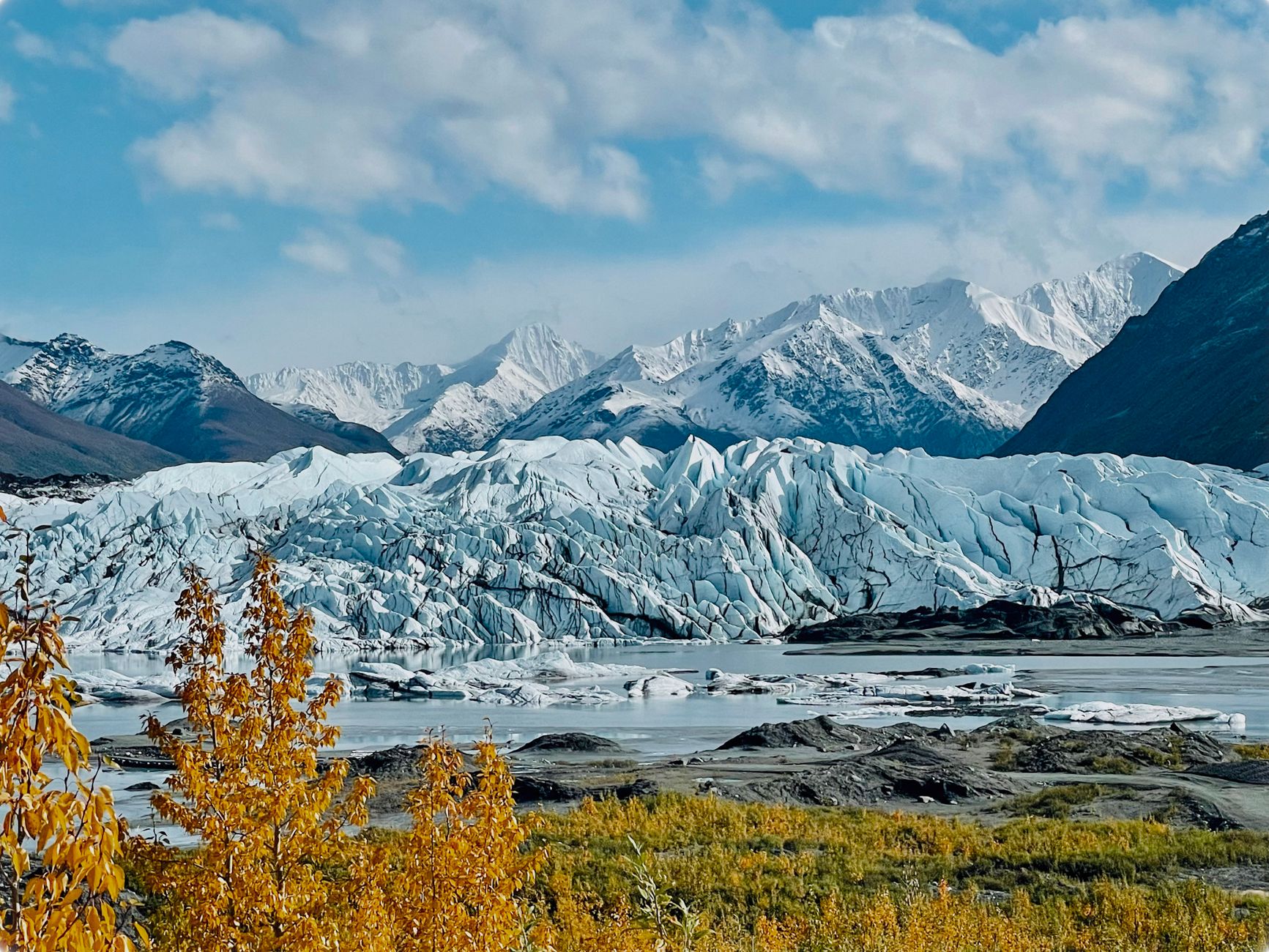
There are places that make you feel as though you have stepped into another world, and Alaska is one of them. Here, mountains rise dramatically from deep blue fjords, immense glaciers descend towards the sea, and forests stretch across landscapes that seem to continue far beyond the horizon. Bald eagles circle above quiet waterways, whales surface in icy coastal passages, and the midnight sun can keep the wilderness glowing long after you would normally expect the day to end.
Alaska is not simply a destination to visit. It is a place to experience on a grand scale. Days can be spent watching glaciers calve into the ocean, travelling through mountain passes, exploring remote coastal towns or following trails that lead into some of North America’s most extraordinary wilderness. Even its quieter moments feel remarkable, whether you are sipping coffee beside a misty harbour, watching the light move across a mountain range or listening to the soft crackle of a glacier in the distance.
Known as the Last Frontier, Alaska occupies a special place in the imagination of travellers. Its immense size, dramatic seasonal changes and remarkable wildlife offer a sense of freedom that is increasingly difficult to find elsewhere. Yet Alaska is not only about remote landscapes and rugged adventures. Its coastal communities, Indigenous cultures, historic towns, local food and welcoming small cities give the state a depth that makes a journey here about much more than scenery.
For some travellers, Alaska means the chance to see bears fishing for salmon or whales moving through glacial waters. For others, it means travelling beneath towering peaks, discovering gold-rush history, exploring colourful waterfront towns or experiencing the extraordinary light of the far north. Whatever draws you here, Alaska has a way of making the world feel both bigger and more beautiful.
This ultimate Alaska travel guide explores the best places to visit, unforgettable experiences, wildlife encounters, scenic journeys, seasonal highlights and practical advice to help you plan an adventure that stays with you long after you return home.
Why Visit Alaska?
Alaska offers a kind of wilderness that feels almost impossible to comprehend until you see it for yourself. It is the largest state in the United States, with vast stretches of mountain ranges, tundra, boreal forest, glaciers and coastline. The distances between destinations can be enormous, and that scale is part of what makes travelling here so extraordinary. A journey through Alaska is not simply about ticking off attractions. It is about experiencing the changing landscapes along the way.
One morning might begin beside a calm harbour, where fishing boats move through the mist and seabirds circle overhead. By afternoon, you could be travelling beneath snow-covered peaks or standing in front of a glacier that has been slowly shaping the landscape for centuries. The scenery changes constantly, creating a journey that feels alive with possibility.
Alaska is also one of the most rewarding destinations for wildlife enthusiasts. Depending on where and when you travel, you may encounter moose, caribou, Dall sheep, bald eagles, sea otters, harbour seals, humpback whales and brown or black bears. Wildlife sightings can never be guaranteed, but the opportunity to observe animals in their natural habitats is one of the state’s greatest attractions.
Beyond its landscapes, Alaska has a rich cultural history shaped by Indigenous peoples, Russian settlement, exploration, fishing, mining and the development of remote communities. Learning about these stories adds meaning to the places you visit and helps you understand that Alaska is not an empty wilderness, but a living homeland with diverse communities and deep cultural connections to the land and sea.
If you love destinations that combine outdoor adventure with distinctive local character, Alaska deserves a place on your travel list. It is especially appealing to travellers who enjoy scenic road trips, nature photography, hiking, boat excursions and the feeling of being somewhere truly different.
The Best Places to Visit in Alaska
Anchorage: Your Gateway to the Last Frontier
Anchorage is often the starting point for an Alaska adventure, but it is much more than a place to collect a hire car or catch a connecting flight. Set between the waters of Cook Inlet and the Chugach Mountains, the state’s largest city offers an appealing combination of urban comforts and immediate access to nature. On a clear day, the mountains form a spectacular backdrop to everyday life, reminding visitors how close the wilderness really is.
Begin your visit with a walk or cycle along the Tony Knowles Coastal Trail, a scenic route that follows the shoreline and offers views across Cook Inlet. Keep your eyes open for bald eagles and other wildlife, and enjoy the changing perspective as the trail moves between coastal scenery, green spaces and views of the surrounding mountains. Even a short section can provide a wonderful introduction to Anchorage’s outdoor lifestyle.
The city is also a valuable place to learn about Alaska’s people and history. The Anchorage Museum explores art, culture, history and the northern environment, while the Alaska Native Heritage Center offers opportunities to learn about the state’s Indigenous cultures through storytelling, cultural demonstrations and traditional structures. These experiences provide important context for the landscapes you will encounter beyond the city.
Food is another reason to spend time here. Anchorage has restaurants serving fresh seafood, locally sourced ingredients and contemporary interpretations of Alaskan cooking. Try wild salmon or halibut when available, and look for seasonal menus that reflect the state’s connection to the sea and land.
Allow at least a full day in Anchorage before continuing your journey. It is an excellent place to settle into Alaska’s pace, prepare for outdoor excursions and begin discovering the remarkable contrasts that define the state.
Denali National Park: A Landscape on an Extraordinary Scale
Denali National Park and Preserve is one of Alaska’s defining wilderness destinations. Its vast landscape encompasses tundra, forests, braided rivers, rugged peaks and habitats that support an extraordinary range of wildlife. The park is home to Denali, North America’s highest mountain, whose summit can appear above the clouds on clear days or disappear into changing weather, adding to its sense of mystery.
The experience of visiting Denali is less about rushing between individual sights and more about immersing yourself in the landscape. The open tundra can feel almost endless, while distant mountains create a dramatic backdrop to rivers and winding valleys. Wildlife such as caribou, moose, Dall sheep, wolves and bears may be visible, although sightings depend on season, conditions and luck.
A guided wildlife excursion or park bus journey can be a rewarding way to explore areas beyond the main entrance. Access to the park road can change because of weather, maintenance and other conditions, so check the current official park information before planning your route. Do not assume that the entire road is open to private vehicles or that all areas are accessible during your visit.
Hiking offers another way to appreciate Denali, with options ranging from shorter walks near the entrance to more demanding routes into the surrounding landscape. Conditions can change quickly, and some terrain is challenging, so choose activities suited to your experience and preparation. Travellers should also understand bear safety, carry appropriate equipment and follow park guidance.
For photographers, Denali offers the possibility of extraordinary light. Early mornings and late evenings can create soft colours across the mountains, while clouds and shifting weather transform the scenery throughout the day. Even if the famous peak remains hidden, the park’s vastness and sense of wilderness make the experience worthwhile.
Seward: Where Mountains Meet the Sea
Seward is one of Alaska’s most beautiful coastal towns, set beside Resurrection Bay with mountains rising around the water. Fishing boats, waterfront views and colourful buildings give the town a relaxed maritime atmosphere, while the surrounding landscape offers access to glaciers, hiking trails and wildlife-rich waters.
A boat excursion into Kenai Fjords National Park is one of the most memorable experiences you can have here. The coastline is shaped by dramatic cliffs, islands and tidewater glaciers, and the surrounding waters can support sightings of humpback whales, orcas, sea otters, harbour seals, seabirds and other marine life. Every trip is different, which makes time on the water feel like a genuine adventure rather than a predictable sightseeing tour.
Back on land, explore Seward’s waterfront, visit local galleries or walk along the harbour to watch fishing boats come and go. The town is small enough to explore at a relaxed pace, and its location makes it a wonderful base for travellers who want to combine coastal scenery with outdoor activities.
Seward also provides access to Exit Glacier, one of the more accessible features of Kenai Fjords National Park. The surrounding trails offer opportunities to observe glacial landscapes and learn how ice has shaped the region. Conditions and trail access vary, so check current park guidance before setting out.
If you are planning a road trip through southern Alaska, Seward is well worth including. It brings together the elements that make the state so special: mountains, ocean, wildlife and a strong connection to the natural environment.
Kenai Fjords National Park: Glaciers, Fjords and Marine Wildlife
Kenai Fjords National Park offers some of Alaska’s most dramatic coastal scenery. Deep fjords cut into rugged mountains, glaciers descend towards the sea and icy waters create a habitat for an impressive variety of marine life. For travellers who want to experience Alaska from the water, this region is one of the most rewarding places to explore.
Boat tours are a popular way to see the park’s coastal landscape. Depending on the route and conditions, you may pass towering cliffs, floating ice and remote shorelines where seabirds nest. Marine mammals sometimes appear beside the boat or in the distance, offering brief glimpses of life in these cold waters. A knowledgeable guide can help explain the geology, wildlife and changing environment, making the journey as informative as it is beautiful.
The park also offers opportunities to learn about glaciers and the landscapes they create. Glacial ice can appear in shades of white, blue and grey, changing with the light and the density of the ice. The sounds of shifting ice, distant waterfalls and seabirds can make the experience feel wonderfully remote, even when you are travelling with other visitors.
If you prefer to stay on land, the Exit Glacier area provides a different perspective on the relationship between ice and landscape. Interpretive signs and trails help visitors understand how the glacier has changed over time. For another destination where immense mountains and extraordinary wilderness shape the journey, explore our Patagonia travel guide.
Juneau: Alaska’s Capital City
Juneau is Alaska’s capital, but its setting feels more like a remote coastal wilderness than a conventional state capital. Surrounded by mountains and waterways, the city is reached by air or sea rather than by a continuous road connection to the rest of the North American highway network. That relative isolation contributes to its distinctive character.
One of Juneau’s main attractions is the Mendenhall Glacier, located a short journey from the city. The surrounding area offers trails, viewpoints and opportunities to learn about glacial landscapes. The glacier’s appearance and accessibility can change over time, so check local conditions and visitor guidance before planning your visit. Arriving early can help you enjoy the scenery before the busiest periods.
Juneau is also an excellent place for whale-watching excursions during the relevant season. Humpback whales are frequently associated with the region’s summer waters, although sightings are never guaranteed. Guided tours can provide insight into marine ecosystems and responsible wildlife observation, while giving you the chance to appreciate the surrounding mountains from the water.
In the city itself, explore the historic downtown streets, browse local shops and enjoy the waterfront atmosphere. Juneau’s museums and cultural attractions offer opportunities to learn about Indigenous heritage, the gold-rush era and the history of Alaska’s capital.
Juneau rewards travellers who take their time. It is easy to focus on the glacier and wildlife excursions, but the combination of local history, mountain scenery and coastal life gives the city a character of its own.
Fairbanks: The Land of the Midnight Sun and Northern Lights
Fairbanks offers a very different experience from Alaska’s coastal destinations. Located in the state’s Interior, it is known for dramatic seasonal changes, long summer daylight hours and opportunities to see the aurora borealis during the darker months. The surrounding landscape is shaped by forests, rivers and open northern skies, creating an atmosphere that feels distinct from the coastal fjords and mountain valleys farther south.
In summer, extended daylight makes it possible to enjoy outdoor activities well into the evening. You can explore local museums, visit nearby nature areas, learn about life in the Interior or take scenic excursions through the surrounding landscape. The long days can feel unusual at first, but they also offer extraordinary freedom to explore at a slower pace.
Winter transforms Fairbanks into a destination for travellers hoping to experience Alaska under snow and stars. When conditions are favourable, the northern lights may appear as luminous green or violet ribbons across the night sky. Aurora sightings depend on solar activity, cloud cover, darkness and local conditions, so they can never be guaranteed. Plan several nights if seeing the aurora is a priority, and allow time to rest between late-night outings.
Fairbanks also provides a useful base for learning about Alaska’s northern environment and history. The city has museums and cultural attractions that explore regional life, while excursions outside town can introduce visitors to the scale and quiet of the Interior.
Whether you visit beneath the midnight sun or in search of the aurora, Fairbanks offers a powerful reminder that Alaska changes dramatically with the seasons.
Talkeetna: A Small Town with Big Mountain Views
Talkeetna is a charming small town that offers a more relaxed side of the Alaska experience. Its historic centre has independent shops, cafes, local businesses and a friendly atmosphere that invites visitors to wander rather than hurry. It is also known as a gateway for mountaineering and flightseeing adventures in the surrounding mountain region.
On a clear day, views towards Denali and the Alaska Range can be spectacular, although weather can obscure the mountains for extended periods. If you are interested in seeing the landscape from above, scenic flights may offer a remarkable perspective on the scale of the peaks and glaciers. Choose a reputable operator, understand the weather-dependent nature of the experience and confirm what is included before booking.
Talkeetna is equally appealing if you simply want to slow down. Spend time browsing the shops, enjoying a meal or walking near the rivers. The town provides a welcome contrast to the larger visitor hubs, and its unhurried atmosphere makes it an appealing stop on a road or rail journey through the state.
If you have flexibility in your itinerary, consider allowing an overnight stay rather than treating Talkeetna as a brief stop. A little extra time gives you a better chance of enjoying the town’s atmosphere and adapting to changing weather.
Glacier Bay National Park: A World of Ice and Water
Glacier Bay National Park and Preserve is one of Alaska’s great natural spectacles. Located in the state’s southeastern region, the park contains a remarkable landscape of glaciers, mountains, forests and marine habitats. The relationship between ice and water defines the scenery, creating a destination that feels both immense and constantly changing.
For many visitors, exploring Glacier Bay means travelling by boat, often as part of a cruise itinerary or an organised excursion. From the water, you can appreciate the scale of the surrounding mountains and glaciers, watch for marine wildlife and listen to guides explain how the landscape has evolved. The experience is especially powerful when the water is calm and the ice stands out against the darker mountain slopes.
Glacier Bay is also an important environment for wildlife. Depending on the season and conditions, visitors may encounter humpback whales, sea otters, harbour seals and a variety of seabirds. Responsible wildlife viewing means allowing animals space and following guidance from park staff and tour operators.
Because access and travel options differ from those in road-connected parts of Alaska, planning is particularly important. Research transport connections, seasonal schedules and accommodation well in advance. If Glacier Bay is a priority, build your itinerary around the destination rather than assuming it can be added easily at the last minute.
For travellers drawn to extraordinary natural environments, Glacier Bay offers one of the most memorable ways to experience the relationship between Alaska’s mountains, glaciers and sea.
The Best Time to Visit Alaska
Alaska changes so dramatically throughout the year that choosing when to visit is almost as important as choosing where to go. Summer brings long daylight hours, accessible hiking trails, active wildlife and the widest range of sightseeing excursions. Winter offers a completely different world of snow-covered forests, frozen landscapes, northern lights and activities that are impossible to experience in the warmer months.
For many first-time visitors, June through August is the easiest period to plan around. Days are long, temperatures are generally milder than in winter and many tour operators, lodges and seasonal attractions are operating. This is also a popular time for wildlife viewing and coastal excursions, so booking accommodation and important activities in advance is worthwhile.
Summer in Alaska: Long Days and Wild Adventures
Summer is the season for road trips, mountain views, glacier cruises and hiking. In some parts of Alaska, daylight lasts late into the evening, giving you extra time to explore without feeling that the day has ended. It can be wonderfully disorienting to finish dinner and discover that the landscape is still bathed in sunlight.
This is also an excellent time to explore Denali, travel the Seward Highway, visit coastal towns and join wildlife excursions. The landscape becomes greener, rivers flow through mountain valleys and wildflowers brighten open meadows. Mosquitoes can be plentiful in some inland areas, so insect repellent and suitable clothing are worth packing.
The trade-off is that summer is the busiest season. Popular accommodation can book out, cruise ports become lively and some excursions have limited capacity. If you have your heart set on a particular lodge, scenic flight or glacier tour, reserve it before travelling.
Autumn in Alaska: Golden Tundra and Quiet Landscapes
Autumn can be a beautiful time to experience Alaska, especially if you enjoy quieter destinations and changing colours. In the Interior and northern regions, tundra and trees can turn shades of gold, rust and red before winter arrives. The season is relatively brief in many areas, but the landscapes can be extraordinary.
September can offer a different atmosphere from the peak summer months, with fewer visitors in some destinations and shorter days that begin to make the night sky more interesting. However, seasonal services may start to close, and weather can become less predictable. Check local opening dates carefully if you are planning to visit remote areas or rely on a particular tour.
For travellers who prefer a little more solitude, autumn can be rewarding. The experience is less about trying to fit every summer attraction into one itinerary and more about enjoying the changing landscape at a slower pace.
Winter in Alaska: Snow, Silence and the Northern Lights
Winter reveals another side of Alaska. Snow softens the forests, frozen rivers reshape the landscape and the northern sky becomes one of the destination’s greatest attractions. Fairbanks is a popular base for travellers hoping to see the aurora borealis, while other parts of the state offer opportunities for dog sledding, snowshoeing, skiing and winter photography.
The northern lights are a natural phenomenon, not a scheduled performance. Clear skies, darkness and solar activity all influence whether you will see them. If the aurora is a priority, plan several nights rather than relying on one evening, and choose accommodation or excursions that allow you to get away from bright city lights.
Winter travel requires more preparation than a summer visit. Temperatures can be extremely cold, daylight is limited and transport or outdoor activities may be affected by weather. With the right clothing, a realistic itinerary and knowledgeable local guides, however, it can be an extraordinary way to experience Alaska.
If snow-covered landscapes and colder destinations appeal to you, our ultimate guide to cold-climate adventures offers more inspiration for journeys shaped by snow, ice and dramatic natural environments.
The Best Wildlife Experiences in Alaska
Wildlife is one of the biggest reasons people travel to Alaska, but the most rewarding encounters happen when you approach them with patience and respect. Animals move according to food, weather, migration and instinct, not a visitor’s schedule. A guide may know where sightings are more likely, but there is never a guarantee.
Watch for Bears in Their Natural Habitat
Bears are among Alaska’s most iconic animals. Brown bears and black bears inhabit different parts of the state, and some regions offer particularly memorable viewing opportunities during the salmon season. Katmai National Park is famous for brown bears gathering around Brooks Falls to catch salmon, while other remote destinations provide opportunities to observe bears through guided excursions.
Bear viewing should always be conducted responsibly. Use designated viewing areas, follow the instructions of park rangers and guides, and never approach, feed or attempt to attract a bear. If you are hiking independently, learn the relevant safety guidance before setting out and carry appropriate equipment for the environment.
For many visitors, the most memorable moment is not a dramatic encounter but the chance to watch an animal behaving naturally at a safe distance. Seeing a bear move through a river or forage along a shoreline offers a glimpse into the wilderness that feels far more meaningful than getting close for a photograph.
Look for Whales Along the Coast
Alaska’s coastal waters offer wonderful opportunities to see marine wildlife. Humpback whales are frequently encountered on summer excursions in parts of southeastern Alaska and the waters around the Kenai Peninsula. Depending on the destination and season, visitors may also see orcas, sea otters, harbour seals and porpoises.
A whale-watching trip is about more than spotting a fin on the horizon. The surrounding landscape is often spectacular, with forested islands, steep mountains and distant glaciers creating a remarkable setting. A knowledgeable guide can help identify marine animals and explain their behaviour, making the experience more rewarding.
Choose a responsible operator that follows local wildlife-viewing guidelines and gives animals space. Bring warm layers even if the weather looks pleasant at the harbour, because conditions on the water can be much colder and windier.
Search the Landscape for Moose, Caribou and Eagles
You do not need to join a specialist expedition to appreciate Alaska’s wildlife. Moose may appear near roadsides, lakes and wooded areas, while caribou can be found in suitable habitats across parts of the state. Bald eagles are also a familiar sight in many coastal communities, often perched in trees or soaring above waterways.
Keep binoculars close at hand and take time to observe the landscape rather than concentrating only on the road ahead. If you are driving, pull over in a safe, designated place before stopping to watch wildlife. Never approach an animal for a closer view, particularly if it has young or appears agitated.
Wildlife photography is most rewarding when the animal’s comfort comes first. A long lens, patience and a little distance can produce beautiful images without disturbing the scene.
Experience Alaska’s Glaciers Up Close
Glaciers are among Alaska’s defining natural features. These immense bodies of ice have shaped valleys, carved coastlines and continue to influence the landscape. Their surfaces may appear smooth from a distance, but closer views reveal deep crevasses, fractured ice and subtle shades of blue that change with the light.
One of the easiest ways to experience a glacier is through a designated viewpoint or guided excursion. In places such as Exit Glacier near Seward, trails and interpretive displays help visitors understand the movement of ice and the changes that have occurred over time. Boat tours in coastal regions offer another perspective, allowing you to see glaciers meeting the sea or surrounded by towering mountains.
For a more adventurous experience, some destinations offer guided kayaking, glacier trekking or flightseeing. These activities require careful planning, suitable conditions and professional operators. Never walk onto glacier ice or approach unstable ice fronts independently. Ice can move, crack or collapse without warning, and the water around a glacier can contain hidden hazards.
The most beautiful part of a glacier visit may be the moment you stop trying to photograph everything. Watch the light move across the ice, listen to the distant sounds of water and ice, and take in the scale of a landscape that has been shaped over a much longer timescale than our own lives.
Scenic Drives and Unforgettable Journeys
Alaska is a wonderful destination for road trips, although its distances and road network require careful planning. Not every community is connected by road, and some of the state’s most famous wilderness areas can only be reached by boat, plane or organised transport. A successful itinerary balances scenic driving with enough time to enjoy each destination.
Drive the Seward Highway
The Seward Highway connects Anchorage with the Kenai Peninsula and is one of the state’s most rewarding scenic drives. The route passes mountains, waterways and dramatic coastal scenery, with opportunities to stop at viewpoints and explore communities along the way.
Rather than treating the journey as a transfer between Anchorage and Seward, allow time for detours and short walks. The landscape changes as the road follows the coastline and enters mountain terrain, and wildlife may occasionally appear in the surrounding environment. Always stop in safe designated areas, and check road and weather conditions before travelling.
Arriving in Seward after a leisurely drive makes the destination feel like part of a wider adventure. If you are planning a glacier cruise or other timed excursion, however, allow a generous buffer for travel delays and stops.
Explore the Parks and Wilderness Beyond the Main Routes
Alaska has several national parks and protected landscapes, each offering a different kind of experience. Denali is known for its mountain scenery and wildlife, Kenai Fjords for glaciers and marine environments, and Glacier Bay for its remarkable coastal wilderness. Wrangell-St. Elias offers an immense landscape of mountains, glaciers and historic mining sites.
These places should not be treated as interchangeable stops on a map. Some are relatively straightforward to reach from established visitor hubs, while others require flights, boats, specialised transport or several days of planning. Research access, seasonal services and accommodation before choosing your route.
If you enjoy journeys where the road itself becomes part of the experience, you may also love our guide to the Faroe Islands, where dramatic coastlines, remote villages and sweeping Atlantic scenery create another unforgettable wilderness escape.
What to Eat in Alaska
Alaska’s food scene is closely connected to its geography, with seafood, local traditions and seasonal ingredients playing an important role. What you find on the menu will vary by region, but fresh fish is a natural highlight, particularly in coastal communities. Dining can range from simple harbour restaurants and casual cafes to refined restaurants that showcase local ingredients in contemporary ways.
Taste Wild Alaskan Salmon
Salmon is one of Alaska’s most recognisable foods. Depending on the species and season, you may find it grilled, roasted, smoked or incorporated into a range of local dishes. Its flavour and texture vary by species, and restaurants often build their menus around what is available.
A simple preparation can be particularly satisfying after a day outdoors. Look for salmon served with seasonal vegetables, potatoes or other local accompaniments, and ask about the origin of the fish if sustainability and sourcing are important to you.
Try Fresh Halibut and Other Seafood
Halibut is another popular choice, particularly in coastal towns such as Seward and Juneau. Its mild flavour and firm texture make it suitable for a variety of preparations, from grilled fillets to fish tacos and hearty seafood meals.
You may also find cod, rockfish, crab and other seafood depending on the location and season. Choose restaurants that can explain their sourcing, and remember that availability changes throughout the year.
Warm Up with Local Comfort Food
Alaska’s food culture is not all seafood. Cafes and restaurants serve soups, stews, baked goods and hearty meals that feel particularly welcome after a day in the cold or rain. In smaller towns, independent bakeries and coffee shops can become memorable stops in their own right.
Make time for a relaxed breakfast before setting off on a long drive, or find a local cafe after a hike. These small experiences help balance the big adventures and give you a glimpse of everyday life in Alaska’s communities.
Learn About Indigenous Food Traditions
Alaska’s Indigenous communities have long-standing relationships with the land and water, and traditional foods remain important in many communities. Food practices differ between regions and peoples, reflecting local environments, cultural knowledge and seasonal cycles.
Where opportunities are available, choose Indigenous-led cultural experiences or locally run businesses that share their traditions on their own terms. Approach these experiences with curiosity and respect, recognising that food is connected to community, identity and history rather than simply being another tourist attraction.
Where to Stay in Alaska
Alaska’s accommodation ranges from comfortable city hotels and small waterfront inns to wilderness lodges, cabins and remote stays surrounded by extraordinary scenery. The best choice depends on the type of trip you are planning, the transport available and how much time you want to spend in each region.
Anchorage is a practical base at the beginning or end of a journey, with a broad range of accommodation, dining and transport connections. Seward works well for travellers focusing on coastal excursions and Kenai Fjords, while Fairbanks is a useful base for exploring the Interior and planning northern-lights experiences in winter.
For Denali, staying close to the park entrance can make early starts and organised excursions easier. However, availability can be limited during the summer season, so booking ahead is particularly important. In remote areas, confirm exactly how you will reach your accommodation and whether meals, transfers or excursions are included.
A wilderness lodge can be a memorable part of an Alaska holiday, especially if you want to wake up surrounded by mountains or forests. Before booking, consider the practical details as carefully as the photographs. Check cancellation policies, seasonal access, transport arrangements and what happens if weather affects your plans.
Travel can also inspire the atmosphere you want to create at home. If you love interiors that capture the character of beautiful destinations, explore this Amalfi Coast-inspired interiors guide from ele HOME for ideas on bringing a relaxed, destination-inspired feeling into your own space.
Getting Around Alaska
Alaska’s immense size makes transport one of the most important parts of planning your trip. Although some major destinations are connected by road, many communities and national parks are not accessible by car alone. Domestic flights, ferries, trains, boats and guided excursions can all play a role depending on your route.
Travelling by Car
Hiring a car offers flexibility for exploring road-connected areas, especially around Anchorage, the Kenai Peninsula and parts of the Interior. It allows you to stop at scenic viewpoints, explore small towns and adjust your pace when the landscape invites you to linger.
Before setting off, check driving distances, fuel availability, road conditions and any restrictions that apply to your rental vehicle. Some routes are remote, and mobile coverage may be limited. Avoid planning long drives immediately before important excursions, and allow extra time for weather or unexpected stops.
Taking the Train
Rail travel can be a beautiful way to experience parts of Alaska’s landscape without concentrating on driving. The Alaska Railroad connects several major destinations and offers routes through mountains, forests and river valleys. Seasonal schedules and services vary, so check the current timetable before building your itinerary around a train journey.
For travellers who want to enjoy the scenery without navigating unfamiliar roads, the train can become a highlight in its own right. It is also a good way to build variety into a trip that might otherwise involve several long drives.
Flying to Remote Destinations
Small aircraft and regional flights are essential to travel in many parts of Alaska. Some remote parks, lodges and communities can only be reached by air or a combination of air and boat transport. These journeys can offer extraordinary views, but they are also weather-dependent.
If your itinerary includes a remote excursion, avoid scheduling it too tightly around an international departure or another non-refundable activity. A little flexibility can make the difference between a relaxed trip and a stressful one if conditions change.
A Suggested 10-Day Alaska Itinerary
Ten days is a useful starting point for a first trip, allowing you to combine city experiences, mountain landscapes, coastal scenery and wildlife excursions. Alaska is too large to explore comprehensively in a single visit, so the aim is to choose a coherent route rather than trying to cover the entire state.
Days 1 and 2: Anchorage
Arrive in Anchorage and give yourself time to adjust. Explore the waterfront, visit the Anchorage Museum or Alaska Native Heritage Center, and enjoy a meal featuring local seafood. If the weather is clear, spend part of the day walking or cycling along the Tony Knowles Coastal Trail.
Use your second day to enjoy the city at a relaxed pace and prepare for the next stage of the journey. If you are hiring a car, collect it with enough time to become comfortable with the route and local driving conditions.
Days 3 and 4: Denali and Talkeetna
Travel north towards Talkeetna, allowing time for scenic stops along the way. Explore the small town, enjoy the mountain views if the weather cooperates and consider a scenic flight if conditions and your budget allow.
Continue towards Denali and spend time exploring the park’s visitor areas, trails and available excursions. The exact activities will depend on seasonal access and the park’s current operating arrangements, so check official information before travelling.
Days 5 and 6: Return South Towards Seward
Make your way back towards Anchorage and continue to Seward, breaking the journey where practical. The drive offers beautiful mountain and coastal scenery, so resist the temptation to rush through it.
Spend your first evening in Seward exploring the harbour and enjoying a relaxed meal. On the following day, join a boat excursion into Kenai Fjords National Park or explore the Exit Glacier area if it is accessible during your visit.
Days 7 and 8: Explore the Kenai Peninsula
Give yourself time to enjoy the Kenai Peninsula rather than immediately moving on. Depending on your interests, you could explore more of Seward, discover nearby coastal communities or choose an outdoor activity suited to the season.
If you prefer a slower holiday, use these days to revisit a favourite landscape, take a guided excursion or simply enjoy the town’s waterfront atmosphere. Alaska is often at its best when you leave room for the unexpected.
Days 9 and 10: Return to Anchorage
Return to Anchorage with enough time to manage your onward journey comfortably. If your departure schedule allows, enjoy a final meal, visit a museum or take one last walk beside the water.
This itinerary is best suited to a summer visit and assumes road travel between the main destinations. It does not include Fairbanks, Glacier Bay or remote parks that require additional flights or boat connections. If the northern lights are your priority, build a separate itinerary around Fairbanks and the winter season rather than trying to combine every experience into ten days.
Alaska Travel Tips: What to Know Before You Go
An Alaska trip becomes much more enjoyable when you prepare for the practical details as carefully as the exciting experiences. Distances are large, weather can change quickly and some of the most extraordinary destinations require advance planning. A little preparation allows you to spend less time worrying about logistics and more time enjoying the landscape.
What to Pack for Alaska
Packing for Alaska is about versatility rather than taking the heaviest clothing you own. Even in summer, temperatures can drop, particularly on boats, in the mountains and during early mornings. A waterproof jacket, warm mid-layer, comfortable walking shoes and breathable base layers will serve you well on most summer itineraries.
Bring a warm hat and gloves if you are planning glacier excursions or spending time on the water. Sunglasses and sunscreen are also important, as sunlight can be intense when reflected by water, snow or ice. Insect repellent is useful for some summer destinations, particularly around wetlands and inland trails.
For hiking, choose footwear suited to the terrain and carry enough water, food and navigation equipment for your planned route. If you are travelling in winter, specialised cold-weather clothing becomes essential. Check the expected conditions for each region rather than assuming the weather will be the same everywhere.
Plan Ahead for Remote Destinations
Some of Alaska’s most memorable places are also among its most difficult to reach. Accommodation, guided excursions, scenic flights and wildlife tours can have limited capacity, especially during summer. Book important experiences in advance and confirm how you will reach your accommodation before finalising the rest of your itinerary.
Build flexibility into your plans. Flights, boats and outdoor activities can be affected by weather, and a remote destination may have fewer alternatives if something is cancelled. Avoid scheduling a once-in-a-lifetime excursion immediately before an international flight home.
Respect Wildlife and the Wilderness
Alaska’s wilderness is beautiful, but it should never be underestimated. Follow marked trails, observe park rules, keep a safe distance from animals and carry out everything you bring into natural areas. If you are entering bear country, learn the relevant safety guidance and understand how to store food and manage encounters.
Choose reputable operators for glacier excursions, wildlife viewing and remote adventures. Responsible travel protects both visitors and the environments that make Alaska so special.
Understand the Distances
Alaska can look deceptively compact on a map of the United States, but its scale is enormous. Two destinations that seem close may require a long drive, a flight or a combination of transport methods. Some communities have no road connection at all.
Choose a few regions that fit your interests and give yourself enough time to experience them. A well-planned journey through Southcentral Alaska and the Kenai Peninsula can be far more rewarding than trying to squeeze Anchorage, Denali, Fairbanks, Juneau and remote national parks into one rushed trip.
Allow Time for the Unexpected
One of the best things about travelling in Alaska is that nature does not always follow a schedule. Clouds may hide a mountain, rain may change your hiking plans or a wildlife sighting may tempt you to stay at a viewpoint longer than expected.
Leave a little room for those moments. Sometimes the best memory will be the place you had not planned to stop, the extra hour spent watching a glacier or the quiet drive back to your accommodation beneath an enormous northern sky.
If you enjoy travel that gives you room to change plans and follow the landscape, our guide to exploring Iceland the flexible way offers more inspiration for embracing a destination without trying to control every detail.
Alaska for Different Types of Travellers
Alaska for Couples
Alaska can be an extraordinary destination for couples, especially if you love dramatic scenery and experiences that feel a little removed from everyday life. Imagine staying in a wilderness lodge, watching whales from a boat, enjoying a scenic train journey or spending an evening beneath a sky filled with stars.
You do not need to plan a demanding adventure every day. A relaxed itinerary that combines a few memorable excursions with time to enjoy the scenery can be just as rewarding. Choose accommodation with a beautiful setting and leave room for quiet moments between the big experiences.
Alaska for Families
Families can enjoy Alaska through wildlife excursions, scenic rail journeys, museums, easy nature walks and boat trips. Anchorage provides convenient facilities and educational attractions, while destinations such as Seward offer opportunities to experience the coast and learn about marine environments.
Choose activities according to the ages and interests of your group. Long drives, cold boat trips and challenging hikes may require more preparation with younger children. A comfortable base and a flexible daily schedule can make the experience easier for everyone.
Alaska for Solo Travellers
Solo travellers may appreciate Alaska’s guided excursions, established visitor hubs and opportunities to meet other travellers along the way. Small-group tours can be particularly useful for wildlife viewing, glacier experiences and remote destinations that are difficult to reach independently.
If you are travelling alone, plan transport and accommodation carefully, especially outside the main summer season. Tell someone your hiking plans when heading into remote areas, check local conditions and avoid taking unnecessary risks simply to reach a particular viewpoint.
Alaska for Adventure Lovers
For adventure travellers, Alaska offers hiking, kayaking, fishing, rafting, dog sledding, glacier experiences and opportunities to explore remote wilderness. The variety is remarkable, but activities should be chosen according to your experience, fitness and the conditions at the time of travel.
Consider using experienced local guides for activities involving glaciers, remote terrain or wildlife. They can provide essential equipment, knowledge and safety guidance while helping you appreciate the environment more deeply.
Alaska for Photographers
Alaska is a dream destination for landscape and wildlife photography. The combination of mountains, glaciers, dramatic coastlines and changing light creates endless opportunities, while the long summer days allow for extended time outdoors.
Bring a versatile lens, extra batteries and protection for your camera against rain and cold. If wildlife photography is a priority, binoculars and a longer lens can help you observe animals without approaching them. Most importantly, allow time to watch the light change rather than moving constantly between locations.
Where to Next?
If Alaska leaves you dreaming of more extraordinary landscapes, remote escapes and journeys that bring you closer to nature, these Eat Live Escape travel guides offer inspiration for your next adventure.
Patagonia Travel Guide: Into the Wild Heart of the World If the mountains, glaciers and immense wilderness of Alaska appeal to you, Patagonia should be high on your travel wish list. Stretching across Argentina and Chile, this extraordinary region is filled with dramatic peaks, turquoise lakes, enormous glaciers and remote landscapes that reward travellers who love hiking, scenic drives and time in the great outdoors.
The Ultimate Guide to Cold-Climate Adventures For travellers drawn to snow-covered landscapes, icy wilderness and the magic of colder destinations, this guide offers more inspiration for adventures beyond the usual beach holiday. It is a wonderful next read if Alaska’s winter scenery and northern lights have captured your imagination.
Where to Stay, What to Do and When to Visit Reykjavík, Iceland Iceland offers another unforgettable combination of volcanic landscapes, glaciers, waterfalls and northern skies. Begin in Reykjavík before exploring the natural wonders beyond the capital, with opportunities for scenic road trips, geothermal experiences and dramatic coastal scenery.
Koh Samui, Thailand: The Island Escape That Makes You Want to Slow Down After Alaska’s mountains and icy waters, Koh Samui offers a completely different kind of escape. Think turquoise seas, palm-fringed beaches, golden temples and fresh Thai flavours. It is an ideal choice if your next holiday calls for sunshine, warm water and a slower pace.
Broome, Australia: Where Red Earth Meets the Turquoise Sea For another destination defined by dramatic natural contrasts, Broome brings together red Kimberley landscapes, brilliant turquoise water, vast beaches and unforgettable sunsets. Explore the coastline, discover the region’s cultural history and experience a very different kind of wilderness adventure.
Share this:
Like this: