Some of the most memorable travel experiences begin at a table overlooking the water. A fishing boat returns to harbor, restaurant kitchens prepare the morning catch, and local markets fill with ingredients that tell the story of a coastline. Yet the pleasures of coastal dining do not have to end when a holiday does. With thoughtful shopping and a few adaptable techniques, home cooks can recreate the relaxed spirit of a seaside meal wherever they live.
Coastal cooking is often less complicated than its reputation suggests. Rather than relying on elaborate sauces or lengthy ingredient lists, many traditions emphasize good seafood, seasonal vegetables, citrus, olive oil, and herbs. These ingredients leave room for natural flavor and make meals feel fresh without requiring professional equipment. The real skill lies in choosing appropriate ingredients, understanding their textures, and treating them carefully from the market to the plate.
Different destinations approach seafood in distinctive ways. Mediterranean kitchens might pair grilled fish with tomatoes and capers, while Japanese cooks often highlight delicate texture through precise slicing and restrained seasoning. In island communities, bright marinades and fresh herbs bring local character to the table. Exploring these differences offers an enjoyable way to remember past journeys or imagine future ones, even on an ordinary evening at home.
For a versatile example, consider tuna. Its firm texture can suit a substantial grilled dinner, while carefully selected cuts also appear in dishes inspired by coastal restaurants. Learning about the different types of tuna helps explain why one variety may taste mild and lean while another feels richer. That knowledge makes shopping more confident and encourages cooks to select seafood according to the dish they want to prepare.
Choose Ingredients With a Sense of Place
A memorable seaside dish begins before cooking. Look for vegetables that are in season, herbs that smell lively, and citrus that adds brightness without overwhelming other flavors. A simple plate of fish, roasted peppers, and lemon can suggest a Mediterranean terrace, while ginger, sesame, and scallions evoke a different culinary landscape. The aim is not to imitate a destination perfectly but to understand the combinations that make its food appealing.
When purchasing seafood, ask about species, handling, and whether a product has been previously frozen. Good frozen options can be practical for busy households, particularly when they have been stored properly. Follow packaging instructions for safe thawing, preferably in the refrigerator, and keep seafood chilled until preparation. Appearance alone cannot confirm freshness, so a trustworthy supplier and appropriate storage matter more than attractive display lighting.
Photo by Valeria Boltneva
Let Texture Guide the Cooking Method
Texture determines how seafood responds to heat. Firm cuts hold together well on a grill or in a hot pan, while delicate fillets may be better suited to baking or gentle poaching. Before cooking, pat the surface dry, prepare accompaniments, and allow the pan to heat evenly. These small steps make the process calmer and help create a satisfying finish without unnecessary handling.
For a simple coastal inspired dinner, coat a firm fish steak lightly with olive oil and season with pepper, herbs, and lemon zest. Sear or grill it according to its thickness, using a food thermometer and appropriate food safety guidance rather than guessing from color. Serve alongside warm potatoes, green beans, and a bright tomato salad. The result feels restaurant worthy while remaining achievable on a weeknight.
Build Flavor Through Small Details
An excellent coastal meal rarely depends on one dramatic ingredient. A spoonful of capers adds saltiness, a little citrus lifts rich flavors, and fresh parsley makes a cooked dish feel lighter. Tomatoes can bring sweetness, while toasted breadcrumbs add welcome contrast. Thinking in terms of acidity, salt, texture, and freshness helps home cooks improvise without constantly consulting a detailed recipe.
The same approach works when preparing a relaxed lunch for friends. Set out grilled vegetables, crusty bread, olives, and a simple seafood centerpiece so guests can create their own plates. Sharing food in this way reflects the unhurried atmosphere of many harbor restaurants. It also reduces pressure on the host, who can complete most preparation before everyone arrives.
Bring Market Curiosity Home
Travelers often remember markets as vividly as famous landmarks. Stalls reveal what people cook regularly, which ingredients are prized locally, and how seasons influence everyday meals. At home, visiting a fishmonger or produce market can offer similar inspiration. Ask practical questions, notice unfamiliar herbs, and consider choosing one new ingredient to experiment with each week.
Keeping a modest pantry makes spontaneous cooking easier. Olive oil, rice, dried pasta, beans, canned tomatoes, and a few favorite spices provide flexibility when fresh ingredients become available. Frozen seafood can also help reduce last minute shopping trips, provided it is stored and thawed safely. Rather than collecting complicated recipes, develop a handful of dependable combinations that can adapt to whatever looks best.
Photo by Vikki Yap
Eat With Awareness and Enjoyment
Enjoying seafood also involves thoughtful decisions about sourcing and frequency. Sustainability varies by species, fishery, and catching method, so broad labels do not always provide the complete picture. Reliable seafood guides and clear supplier information can help shoppers ask better questions. Consumers should also follow current local advice about mercury, especially when preparing meals for children or pregnant people.
Good meals do not need to recreate an expensive holiday. A simple dinner eaten without distraction can capture something equally valuable: the pleasure of sharing ingredients that have been selected and prepared with care. Light a candle, serve a refreshing drink, and take time to enjoy the flavors. These rituals help transform everyday cooking into an experience rather than another household chore.
Ultimately, bringing coastal food traditions home is about curiosity rather than perfection. Explore different preparations, learn why ingredients behave as they do, and build confidence through repetition. Whether inspired by a fishing village, a bustling market, or a memorable waterfront restaurant, each meal offers a chance to reconnect with places and experiences that matter. Good cooking leaves space for personal tastes and local ingredients.


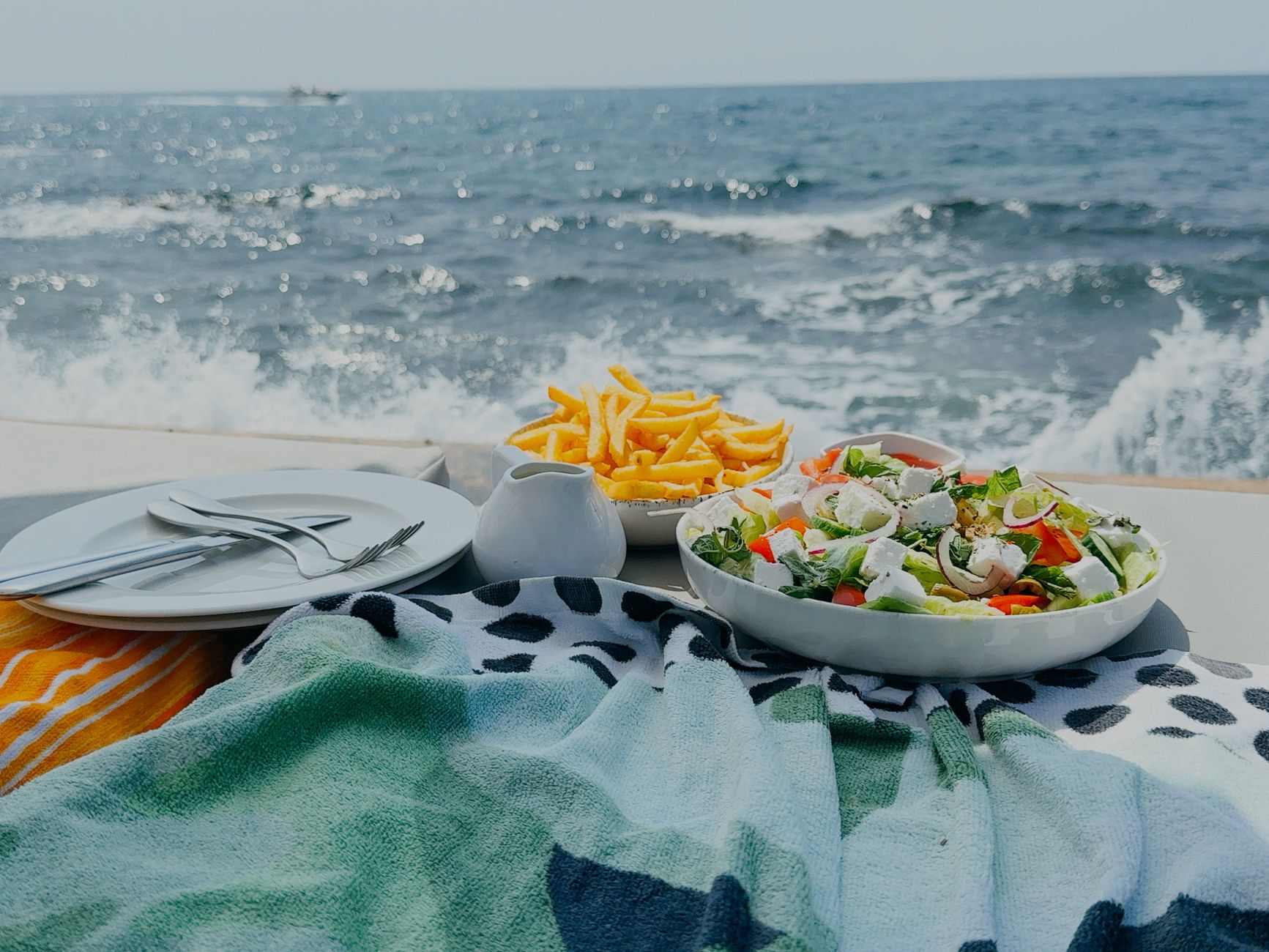
Some of the most memorable travel experiences begin at a table overlooking the water. A fishing boat returns to harbor, restaurant kitchens prepare the morning catch, and local markets fill with ingredients that tell the story of a coastline. Yet the pleasures of coastal dining do not have to end when a holiday does. With thoughtful shopping and a few adaptable techniques, home cooks can recreate the relaxed spirit of a seaside meal wherever they live.
Coastal cooking is often less complicated than its reputation suggests. Rather than relying on elaborate sauces or lengthy ingredient lists, many traditions emphasize good seafood, seasonal vegetables, citrus, olive oil, and herbs. These ingredients leave room for natural flavor and make meals feel fresh without requiring professional equipment. The real skill lies in choosing appropriate ingredients, understanding their textures, and treating them carefully from the market to the plate.
Different destinations approach seafood in distinctive ways. Mediterranean kitchens might pair grilled fish with tomatoes and capers, while Japanese cooks often highlight delicate texture through precise slicing and restrained seasoning. In island communities, bright marinades and fresh herbs bring local character to the table. Exploring these differences offers an enjoyable way to remember past journeys or imagine future ones, even on an ordinary evening at home.
For a versatile example, consider tuna. Its firm texture can suit a substantial grilled dinner, while carefully selected cuts also appear in dishes inspired by coastal restaurants. Learning about the different types of tuna helps explain why one variety may taste mild and lean while another feels richer. That knowledge makes shopping more confident and encourages cooks to select seafood according to the dish they want to prepare.
Choose Ingredients With a Sense of Place
A memorable seaside dish begins before cooking. Look for vegetables that are in season, herbs that smell lively, and citrus that adds brightness without overwhelming other flavors. A simple plate of fish, roasted peppers, and lemon can suggest a Mediterranean terrace, while ginger, sesame, and scallions evoke a different culinary landscape. The aim is not to imitate a destination perfectly but to understand the combinations that make its food appealing.
When purchasing seafood, ask about species, handling, and whether a product has been previously frozen. Good frozen options can be practical for busy households, particularly when they have been stored properly. Follow packaging instructions for safe thawing, preferably in the refrigerator, and keep seafood chilled until preparation. Appearance alone cannot confirm freshness, so a trustworthy supplier and appropriate storage matter more than attractive display lighting.
Let Texture Guide the Cooking Method
Texture determines how seafood responds to heat. Firm cuts hold together well on a grill or in a hot pan, while delicate fillets may be better suited to baking or gentle poaching. Before cooking, pat the surface dry, prepare accompaniments, and allow the pan to heat evenly. These small steps make the process calmer and help create a satisfying finish without unnecessary handling.
For a simple coastal inspired dinner, coat a firm fish steak lightly with olive oil and season with pepper, herbs, and lemon zest. Sear or grill it according to its thickness, using a food thermometer and appropriate food safety guidance rather than guessing from color. Serve alongside warm potatoes, green beans, and a bright tomato salad. The result feels restaurant worthy while remaining achievable on a weeknight.
Build Flavor Through Small Details
An excellent coastal meal rarely depends on one dramatic ingredient. A spoonful of capers adds saltiness, a little citrus lifts rich flavors, and fresh parsley makes a cooked dish feel lighter. Tomatoes can bring sweetness, while toasted breadcrumbs add welcome contrast. Thinking in terms of acidity, salt, texture, and freshness helps home cooks improvise without constantly consulting a detailed recipe.
The same approach works when preparing a relaxed lunch for friends. Set out grilled vegetables, crusty bread, olives, and a simple seafood centerpiece so guests can create their own plates. Sharing food in this way reflects the unhurried atmosphere of many harbor restaurants. It also reduces pressure on the host, who can complete most preparation before everyone arrives.
Bring Market Curiosity Home
Travelers often remember markets as vividly as famous landmarks. Stalls reveal what people cook regularly, which ingredients are prized locally, and how seasons influence everyday meals. At home, visiting a fishmonger or produce market can offer similar inspiration. Ask practical questions, notice unfamiliar herbs, and consider choosing one new ingredient to experiment with each week.
Keeping a modest pantry makes spontaneous cooking easier. Olive oil, rice, dried pasta, beans, canned tomatoes, and a few favorite spices provide flexibility when fresh ingredients become available. Frozen seafood can also help reduce last minute shopping trips, provided it is stored and thawed safely. Rather than collecting complicated recipes, develop a handful of dependable combinations that can adapt to whatever looks best.
Eat With Awareness and Enjoyment
Enjoying seafood also involves thoughtful decisions about sourcing and frequency. Sustainability varies by species, fishery, and catching method, so broad labels do not always provide the complete picture. Reliable seafood guides and clear supplier information can help shoppers ask better questions. Consumers should also follow current local advice about mercury, especially when preparing meals for children or pregnant people.
Good meals do not need to recreate an expensive holiday. A simple dinner eaten without distraction can capture something equally valuable: the pleasure of sharing ingredients that have been selected and prepared with care. Light a candle, serve a refreshing drink, and take time to enjoy the flavors. These rituals help transform everyday cooking into an experience rather than another household chore.
Ultimately, bringing coastal food traditions home is about curiosity rather than perfection. Explore different preparations, learn why ingredients behave as they do, and build confidence through repetition. Whether inspired by a fishing village, a bustling market, or a memorable waterfront restaurant, each meal offers a chance to reconnect with places and experiences that matter. Good cooking leaves space for personal tastes and local ingredients.
Share this:
Like this: