You pull back the corner of a tired carpet in an older house and there it is: real hardwood, dull and scratched and stained in a few places, but unmistakably solid. Or you’ve lived with your own floors for fifteen years and only noticed, when the furniture moved, how grey the traffic lanes have become and how the finish has worn through to bare wood by the back door. Either way, the same question comes up. Is this floor done, or can it come back?
In most cases it can come back, and dramatically. Refinishing is one of the few home improvements that takes something old and makes it look, feel, and photograph like it was installed last week. But “most cases” isn’t “all cases,” and the result depends on what’s under the finish and who does the work. Here’s an honest answer to the question, including when the answer is no.
The Numbers Behind the “Yes”
Refinishing isn’t only about looks; it’s one of the best-returning projects a homeowner can take on. According to the National Association of Realtors’ Remodeling Impact Report, produced with the National Association of the Remodeling Industry, hardwood floor refinishing recovered an estimated 147 percent of its cost at resale, the highest return of any project in the study, and earned a perfect score for homeowner satisfaction.
A project that pays back more than it costs and makes people happiest in their homes is about as close to a sure thing as renovation gets.
What Refinishing Actually Does
Solid hardwood is thick enough to be sanded down several times over its life. Refinishing removes the old finish and a thin layer of wood with it, taking the scratches, stains, grey oxidation, and worn spots along. What’s exposed is fresh wood that has never seen daylight. A new stain, if you want one, and new coats of finish go on top, and the floor is, for all practical purposes, new.
A full refinish typically includes:
Moving furniture and sealing off the room
Sanding with progressively finer grits to remove the old finish and level the surface
Repairing loose boards, filling gaps and nail holes, and replacing badly damaged boards
Optional staining to change or refresh the color
Two or three coats of a durable finish, with light abrasion between coats
Cure time before furniture and rugs return
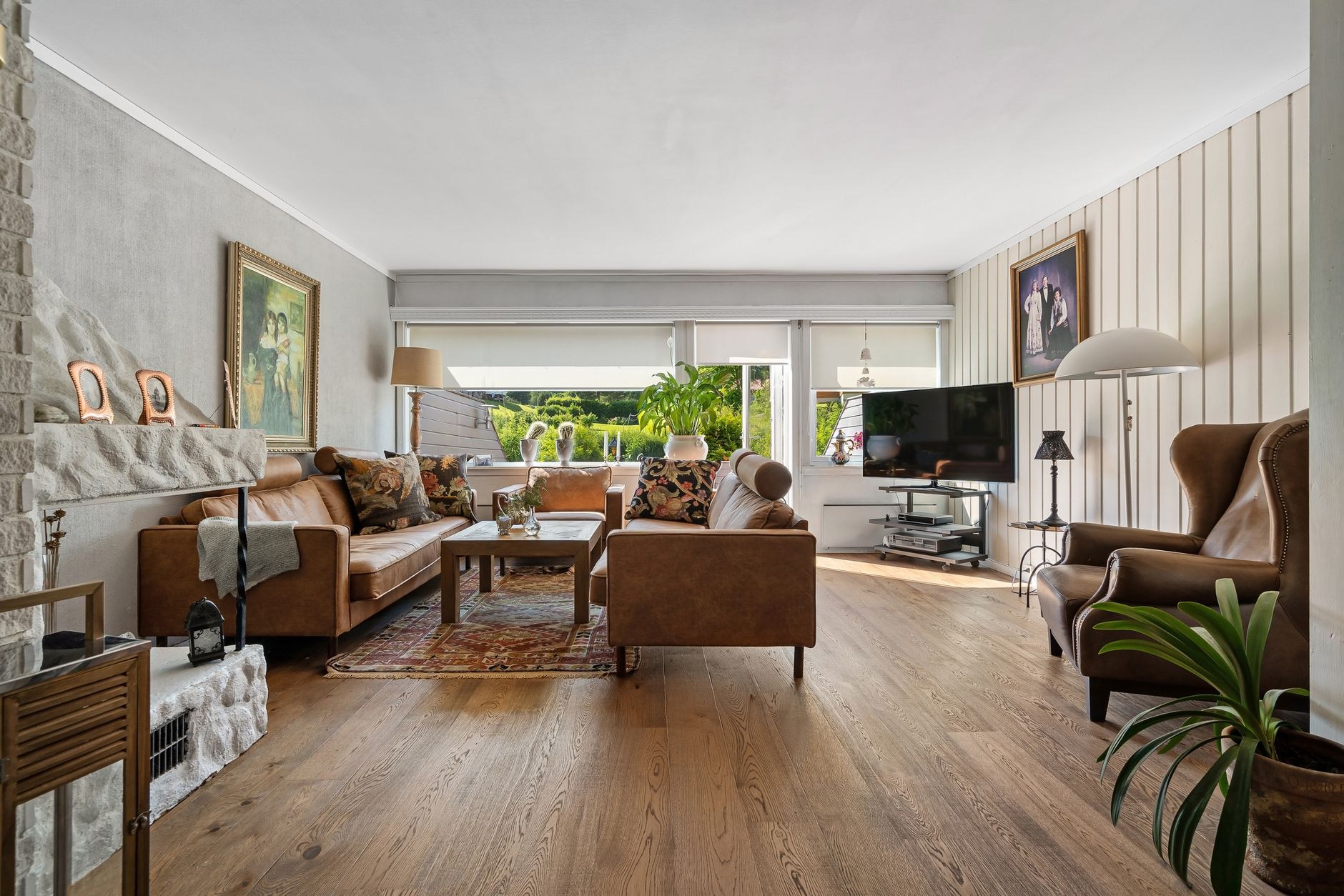
The transformation is usually startling. Floors that looked beyond saving come out looking like a showroom.
What Refinishing Fixes
Hardwood floor refinishing can restore the beauty of worn floors without the cost of replacing them, addressing common surface damage, discoloration, and outdated finishes.
Surface scratches and scuffs from pets, chairs, and grit
Grey or dark traffic lanes where the finish has worn through
Water stains and most pet stains that haven’t soaked deep into the wood
Sun fading and uneven color between covered and uncovered areas
A dated color, since a new stain can take a floor from orange to natural to dark walnut
A dull, cloudy, or peeling finish
Minor gaps and squeaks addressed during repairs
From removing scratches to refreshing the stain and finish, refinishing can give hardwood floors a cleaner, more uniform appearance, provided the underlying wood is still in good condition.
What Refinishing Can’t Fix
Honesty matters here, because some floors are candidates for replacement, not restoration:
Wood that’s too thin. Floors that have been sanded many times, or engineered floors with a thin veneer, may not have enough material left for another full sanding. A professional can measure
Deep pet stains that have soaked through the boards, which sanding won’t reach; the boards need replacing
Water damage that has caused cupping, buckling, or rot
Structural problems in the subfloor
Severe termite or insect damage
A good contractor will tell you which category your floor is in before you spend anything.
Photo by Amar Preciado
Full Sanding or Screen and Recoat?
Not every tired floor needs the full treatment. If the finish is dull and lightly scratched but hasn’t worn through to bare wood, a screen and recoat, which lightly abrades the existing finish and applies a fresh topcoat, can restore the shine in a day for a fraction of the cost.
If the wear goes through the finish into the wood, or you want to change the color, a full sanding is the only route. Knowing the difference saves money in both directions.
Why the Contractor Matters
Sanding a floor well is a skill. Done badly it leaves dips, swirl marks, and uneven stains that no finish can hide; done well it’s invisible. Professional hardwood floor refinishing is worth the cost precisely because the sanding, repairs, and finish application are where amateur jobs go wrong.
Truman Hardwood Refinishing & Cleaning, for example, offers both full sanding and lower-dust approaches along with screen-and-recoat and maintenance services, and uses an instant-cure UV finish that lets homeowners walk on the floor the same day. Whoever you hire, ask to see recent work in person, ask what finish they recommend for your household and why, and confirm what happens if a board turns out to need replacing.
Choosing a Finish
The finish determines how the floor looks and how it wears:
Water-based polyurethane: clear, low odor, fast drying, keeps the wood’s natural color
Oil-based polyurethane: warmer amber tone, very durable, longer cure and stronger smell
UV-cured finishes: cured instantly with light, very hard, ready for use immediately
Sheen matters too: matte and satin hide scratches and dust far better than gloss.
Keeping It Looking New
A refinished floor stays new-looking with simple habits:
Felt pads under every chair and table leg
Mats at exterior doors to catch grit
Regular sweeping or vacuuming with a hard-floor setting
Cleaning with a product made for your finish, never steam or excess water
Trimmed pet nails
A screen and recoat every few years before wear reaches the wood
With that care, the next full refinish may be a decade or two away.
Conclusion
Refinishing old hardwood floors can absolutely make them look new again, because the process removes the worn, scratched, discolored surface and exposes fresh wood underneath, then protects it with a new finish in the color and sheen you choose. It works on most solid hardwood floors, even ones that look hopeless, with the real exceptions being floors that are too thin, deeply stained, water-damaged, or structurally compromised.
Given that the project recovers more than its full cost at resale and ranks first for homeowner satisfaction, the floor under that old carpet is usually worth far more restored than replaced. Have it assessed, choose the right finish, and let the sanding do what it does.


You pull back the corner of a tired carpet in an older house and there it is: real hardwood, dull and scratched and stained in a few places, but unmistakably solid. Or you’ve lived with your own floors for fifteen years and only noticed, when the furniture moved, how grey the traffic lanes have become and how the finish has worn through to bare wood by the back door. Either way, the same question comes up. Is this floor done, or can it come back?
In most cases it can come back, and dramatically. Refinishing is one of the few home improvements that takes something old and makes it look, feel, and photograph like it was installed last week. But “most cases” isn’t “all cases,” and the result depends on what’s under the finish and who does the work. Here’s an honest answer to the question, including when the answer is no.
The Numbers Behind the “Yes”
Refinishing isn’t only about looks; it’s one of the best-returning projects a homeowner can take on. According to the National Association of Realtors’ Remodeling Impact Report, produced with the National Association of the Remodeling Industry, hardwood floor refinishing recovered an estimated 147 percent of its cost at resale, the highest return of any project in the study, and earned a perfect score for homeowner satisfaction.
A project that pays back more than it costs and makes people happiest in their homes is about as close to a sure thing as renovation gets.
What Refinishing Actually Does
Solid hardwood is thick enough to be sanded down several times over its life. Refinishing removes the old finish and a thin layer of wood with it, taking the scratches, stains, grey oxidation, and worn spots along. What’s exposed is fresh wood that has never seen daylight. A new stain, if you want one, and new coats of finish go on top, and the floor is, for all practical purposes, new.
A full refinish typically includes:
The transformation is usually startling. Floors that looked beyond saving come out looking like a showroom.
What Refinishing Fixes
Hardwood floor refinishing can restore the beauty of worn floors without the cost of replacing them, addressing common surface damage, discoloration, and outdated finishes.
From removing scratches to refreshing the stain and finish, refinishing can give hardwood floors a cleaner, more uniform appearance, provided the underlying wood is still in good condition.
What Refinishing Can’t Fix
Honesty matters here, because some floors are candidates for replacement, not restoration:
A good contractor will tell you which category your floor is in before you spend anything.
Full Sanding or Screen and Recoat?
Not every tired floor needs the full treatment. If the finish is dull and lightly scratched but hasn’t worn through to bare wood, a screen and recoat, which lightly abrades the existing finish and applies a fresh topcoat, can restore the shine in a day for a fraction of the cost.
If the wear goes through the finish into the wood, or you want to change the color, a full sanding is the only route. Knowing the difference saves money in both directions.
Why the Contractor Matters
Sanding a floor well is a skill. Done badly it leaves dips, swirl marks, and uneven stains that no finish can hide; done well it’s invisible. Professional hardwood floor refinishing is worth the cost precisely because the sanding, repairs, and finish application are where amateur jobs go wrong.
Truman Hardwood Refinishing & Cleaning, for example, offers both full sanding and lower-dust approaches along with screen-and-recoat and maintenance services, and uses an instant-cure UV finish that lets homeowners walk on the floor the same day. Whoever you hire, ask to see recent work in person, ask what finish they recommend for your household and why, and confirm what happens if a board turns out to need replacing.
Choosing a Finish
The finish determines how the floor looks and how it wears:
Sheen matters too: matte and satin hide scratches and dust far better than gloss.
Keeping It Looking New
A refinished floor stays new-looking with simple habits:
With that care, the next full refinish may be a decade or two away.
Conclusion
Refinishing old hardwood floors can absolutely make them look new again, because the process removes the worn, scratched, discolored surface and exposes fresh wood underneath, then protects it with a new finish in the color and sheen you choose. It works on most solid hardwood floors, even ones that look hopeless, with the real exceptions being floors that are too thin, deeply stained, water-damaged, or structurally compromised.
Given that the project recovers more than its full cost at resale and ranks first for homeowner satisfaction, the floor under that old carpet is usually worth far more restored than replaced. Have it assessed, choose the right finish, and let the sanding do what it does.
Share this:
Like this: