Anyone who has spent a summer in Indianapolis knows how much we ask of our eyes. There is the glare off the pavement at a race weekend, long drives on I-65, and plenty of hours in front of a screen once the heat sends everyone indoors. Most of us do not think about our vision until something starts to feel off.
The good news is that a few simple habits, started early and kept up over time, can make a real difference. Eyes change as we get older, but that does not mean we have to simply accept whatever comes.
In this article, we cover why vision changes with age, the everyday habits that protect your eyes, how food and lifestyle play a part, why regular exams matter, and which warning signs deserve a call to a professional.
Why Your Eyes Change as You Age
Like the rest of the body, the eyes wear down gradually. The lens inside the eye slowly stiffens and clouds, which is why many people reach for reading glasses in their forties and notice more glare and haze later on.
These changes are common, and the stakes go beyond convenience. According to the World Health Organization, at least 2.2 billion people worldwide have a near or distance vision impairment, and for at least 1 billion of them it could have been prevented or has yet to be addressed. Knowing that gives you a reason to plan ahead instead of waiting for a problem to force the conversation.
Everyday Habits That Protect Your Eyes
You do not need a complicated routine to look after your vision. A handful of small habits, repeated daily, do most of the work. Here are the ones worth building in:
Wear sunglasses that block UV rays, and add a brimmed hat on bright days
Use protective eyewear for yard work, home projects, and sports
Give your eyes a break from screens every twenty minutes or so
Skip smoking, which is linked to several serious eye conditions
Eat a balanced diet rich in leafy greens, colorful vegetables, and omega-3 fatty acids to support long-term eye health.
None of these steps takes much time, yet together they shield your eyes from the damage that builds up quietly over the years.
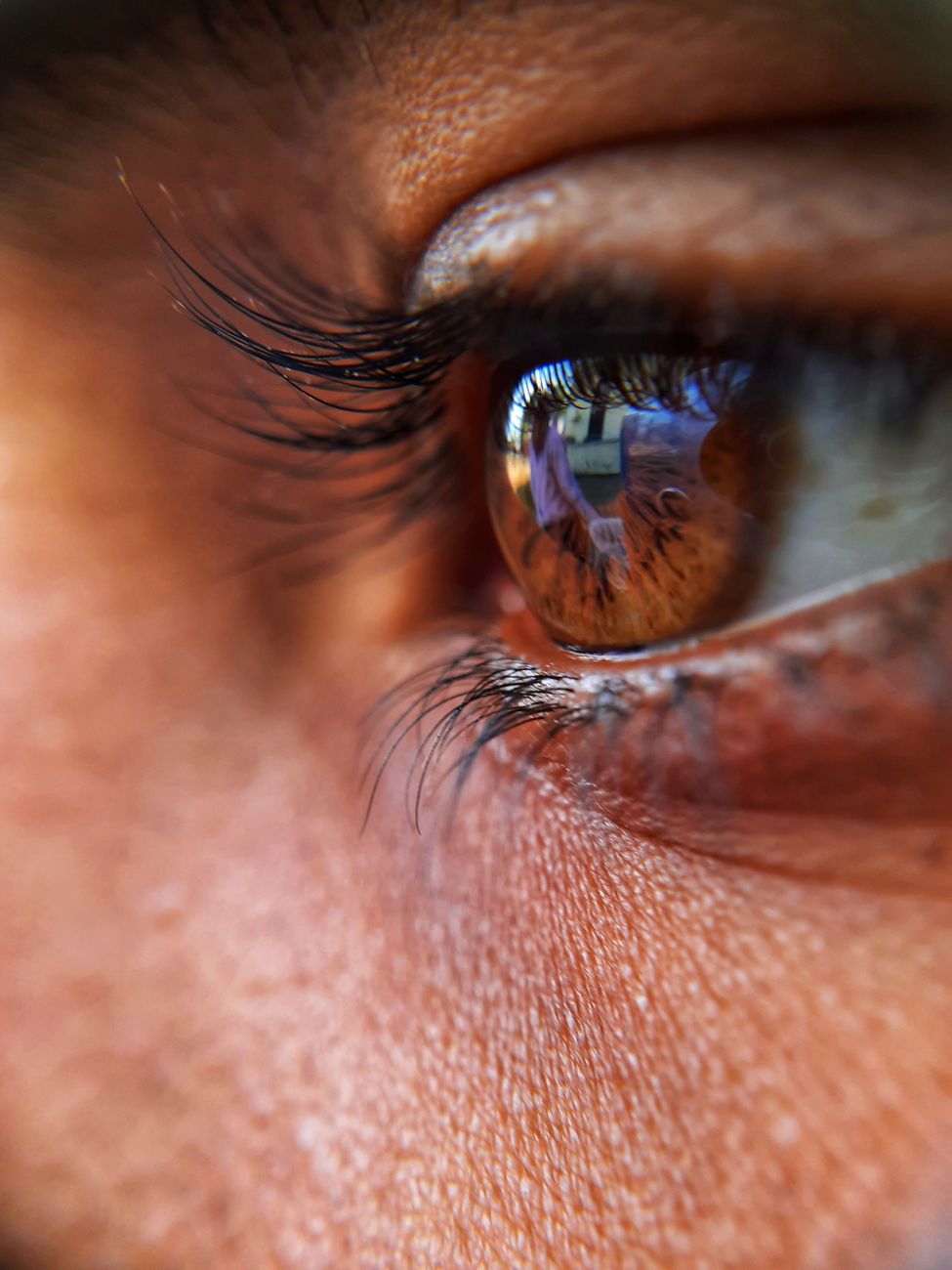
Photo by Alena Darmel
How Food and Lifestyle Support Healthy Vision as You Age
What you eat shows up in your eyes more than most people realize. Leafy greens, colorful vegetables, fruit, nuts, and whole grains all support eye health, and they are good for the rest of you too.
Staying active and keeping blood pressure and blood sugar in a healthy range matters as well, because conditions like diabetes and hypertension can damage the delicate blood vessels in the eye. Think of your eyes as part of your overall health, not a separate project. Even modest changes, like adding a serving of greens to dinner or taking a walk after work, are easier to keep up than a dramatic overhaul.
Protecting Your Eyes From Screens and Sun Over the Years
Two everyday exposures deserve special attention. Long stretches of screen time do not appear to cause lasting damage, but they can leave your eyes dry, tired, and strained, especially when you forget to blink.
Adjust the brightness, keep the screen at a comfortable distance, and look across the room now and then. Sunlight is the other one. Years of unprotected exposure add up, so make sunglasses a habit in every season, not just in summer.
Why Regular Eye Exams Matter for Maintaining Healthy Vision
Many eye conditions develop slowly and without pain, which means you can lose some sight before you ever notice a symptom. A comprehensive exam can catch changes early, when they are usually easiest to manage.
Adults over sixty are generally advised to have a dilated eye exam every one to two years, though your own schedule may differ depending on your health and family history. If you have diabetes or a family history of glaucoma, ask how often you should be seen.
Finding an Ophthalmologist in Indianapolis
If it has been a while since your last exam, the simplest next step is to book with an ophthalmologist in Indianapolis who can look at the whole picture, from routine checkups to surgical options if you ever need them. Many people start with larger practices like Eye Surgeons of Indiana, where exams, cataract care, glaucoma treatment, and retina services sit under one roof, which makes follow up care easier to manage.
Whichever office you choose, look for a team that explains what they find in plain language and welcomes your questions. Bring a list of your medications and any changes you have noticed, so nothing gets missed.
Warning Signs That Should Not Wait
Regular exams are important, but some changes need attention right away rather than at your next scheduled visit. Call a professional promptly if you notice any of the following:
• Sudden loss of vision or a dark curtain over part of your sight
• New flashes of light or a sudden shower of floaters
• Straight lines that suddenly look wavy or distorted
• Eye pain, redness, or double vision that does not go away
When in doubt, it is always better to ask than to wait. A quick call can save you a lot of worry, and in some cases it can protect your sight.
Final Thoughts
Healthy vision is not about perfection. It is about small, steady choices: shielding your eyes from the sun, eating well, taking screen breaks, and showing up for regular exams.
Start with one habit this week, book the appointment you have been putting off, and keep going from there. Your future self will be glad you paid attention to your eyes while the choices were still easy.


Anyone who has spent a summer in Indianapolis knows how much we ask of our eyes. There is the glare off the pavement at a race weekend, long drives on I-65, and plenty of hours in front of a screen once the heat sends everyone indoors. Most of us do not think about our vision until something starts to feel off.
The good news is that a few simple habits, started early and kept up over time, can make a real difference. Eyes change as we get older, but that does not mean we have to simply accept whatever comes.
In this article, we cover why vision changes with age, the everyday habits that protect your eyes, how food and lifestyle play a part, why regular exams matter, and which warning signs deserve a call to a professional.
Why Your Eyes Change as You Age
Like the rest of the body, the eyes wear down gradually. The lens inside the eye slowly stiffens and clouds, which is why many people reach for reading glasses in their forties and notice more glare and haze later on.
These changes are common, and the stakes go beyond convenience. According to the World Health Organization, at least 2.2 billion people worldwide have a near or distance vision impairment, and for at least 1 billion of them it could have been prevented or has yet to be addressed. Knowing that gives you a reason to plan ahead instead of waiting for a problem to force the conversation.
Everyday Habits That Protect Your Eyes
You do not need a complicated routine to look after your vision. A handful of small habits, repeated daily, do most of the work. Here are the ones worth building in:
None of these steps takes much time, yet together they shield your eyes from the damage that builds up quietly over the years.
How Food and Lifestyle Support Healthy Vision as You Age
What you eat shows up in your eyes more than most people realize. Leafy greens, colorful vegetables, fruit, nuts, and whole grains all support eye health, and they are good for the rest of you too.
Staying active and keeping blood pressure and blood sugar in a healthy range matters as well, because conditions like diabetes and hypertension can damage the delicate blood vessels in the eye. Think of your eyes as part of your overall health, not a separate project. Even modest changes, like adding a serving of greens to dinner or taking a walk after work, are easier to keep up than a dramatic overhaul.
Protecting Your Eyes From Screens and Sun Over the Years
Two everyday exposures deserve special attention. Long stretches of screen time do not appear to cause lasting damage, but they can leave your eyes dry, tired, and strained, especially when you forget to blink.
Adjust the brightness, keep the screen at a comfortable distance, and look across the room now and then. Sunlight is the other one. Years of unprotected exposure add up, so make sunglasses a habit in every season, not just in summer.
Why Regular Eye Exams Matter for Maintaining Healthy Vision
Many eye conditions develop slowly and without pain, which means you can lose some sight before you ever notice a symptom. A comprehensive exam can catch changes early, when they are usually easiest to manage.
Adults over sixty are generally advised to have a dilated eye exam every one to two years, though your own schedule may differ depending on your health and family history. If you have diabetes or a family history of glaucoma, ask how often you should be seen.
Finding an Ophthalmologist in Indianapolis
If it has been a while since your last exam, the simplest next step is to book with an ophthalmologist in Indianapolis who can look at the whole picture, from routine checkups to surgical options if you ever need them. Many people start with larger practices like Eye Surgeons of Indiana, where exams, cataract care, glaucoma treatment, and retina services sit under one roof, which makes follow up care easier to manage.
Whichever office you choose, look for a team that explains what they find in plain language and welcomes your questions. Bring a list of your medications and any changes you have noticed, so nothing gets missed.
Warning Signs That Should Not Wait
Regular exams are important, but some changes need attention right away rather than at your next scheduled visit. Call a professional promptly if you notice any of the following:
• Sudden loss of vision or a dark curtain over part of your sight
• New flashes of light or a sudden shower of floaters
• Straight lines that suddenly look wavy or distorted
• Eye pain, redness, or double vision that does not go away
When in doubt, it is always better to ask than to wait. A quick call can save you a lot of worry, and in some cases it can protect your sight.
Final Thoughts
Healthy vision is not about perfection. It is about small, steady choices: shielding your eyes from the sun, eating well, taking screen breaks, and showing up for regular exams.
Start with one habit this week, book the appointment you have been putting off, and keep going from there. Your future self will be glad you paid attention to your eyes while the choices were still easy.
Share this:
Like this: