With honey-coloured stone cottages, rolling green hills, quiet country lanes, flower-filled gardens and cosy village pubs, The Cotswalds in England feels wonderfully removed from the rush of modern life.
Stretching across almost 800 square miles and several English counties, the Cotswolds is a region rather than a single destination. Its landscape is shaped by limestone hills, farmland, dry stone walls and traditional villages, creating the unmistakable scenery that has made this part of England so beloved. The Cotswolds National Landscape is also a living countryside, with the majority of its land used for agriculture.
For travellers who love beautiful villages, countryside walks, historic houses, gardens, local food and slow afternoons in charming pubs, the Cotswolds offers everything needed for an unforgettable English escape. You do not need to fill every hour here. In fact, the less you rush, the more you tend to notice.
Why Visit the Cotswolds?
The magic of the Cotswolds is its atmosphere. Villages are built from warm golden limestone, old churches rise above quiet streets and gently rolling hills stretch into the distance. Much of the landscape has been shaped by centuries of farming and settlement, while the local stone gives the villages their distinctive character.
The region also has an extraordinary history. People have lived and worked in the Cotswolds for thousands of years, while the medieval wool trade helped create many of the impressive churches, manor houses and market towns that visitors can still see today.
Yet history is only part of the appeal. The Cotswolds is also somewhere to enjoy the simple pleasures of travel. You can spend a morning wandering a village, stop for coffee beside a river, enjoy a long country pub lunch and then take the scenic road home simply because the countryside looks beautiful.
The Cotswolds is beautiful throughout the year, and each season creates a different kind of experience. Spring brings fresh green fields, blossom and gardens beginning to bloom, while the countryside feels particularly peaceful before the busiest summer months arrive.
Summer is the classic time to visit, with long days that are perfect for countryside walks, garden visits and outdoor lunches. The villages are lively and the landscape is wonderfully green, although the most popular spots can become busy during the middle of the day.
Autumn is particularly magical for travellers who love changing foliage and atmospheric landscapes. Trees turn shades of gold, orange and red, while the warm colour of the Cotswold stone seems even more beautiful beneath the softer autumn light.
Winter offers something completely different. Frosty fields, quiet lanes, cosy fireplaces and peaceful villages create an intimate countryside atmosphere. It is an especially lovely time for travellers who would rather experience the Cotswolds at a slower pace.
The villages are at the heart of the Cotswolds experience. While some have become famous for their beauty, the region is full of smaller communities where you can simply wander, stop for coffee and enjoy the feeling of being somewhere beautifully unhurried.
Photo by Sulav Loktam
Bourton-on-the-Water is one of the most recognisable villages, with the River Windrush flowing through its centre beneath a series of small stone bridges. Its cafés, shops and traditional buildings make it an easy place to spend a few hours, although arriving earlier or staying later can help you experience it away from the busiest crowds.
Bibury is another iconic stop, particularly famous for Arlington Row, where historic stone cottages sit beside the river. It is easy to understand why the village appears in so many photographs of the Cotswolds, but there is more to enjoy beyond the famous cottages. Walking through the quieter parts of the village and surrounding countryside gives you a chance to appreciate its peaceful atmosphere.
Stow-on-the-Wold has a slightly different character. Perched on a hilltop, the historic market town is filled with old buildings, independent shops, cafés and antique stores. Its central square reflects centuries of trading history and makes an excellent starting point for exploring the surrounding countryside.
Chipping Campden is another essential stop, particularly for travellers interested in history and walking. Its elegant limestone buildings reflect the wealth created by the medieval wool trade, while its position at the northern end of the Cotswold Way makes it a natural base for exploring the landscape on foot.
Castle Combe, towards the southern Cotswolds, feels almost like a storybook village. Traditional stone cottages line quiet streets and the surrounding green countryside creates a beautifully peaceful setting. Rather than rushing through, take time to wander slowly and appreciate the details.
Broadway offers another classic Cotswold experience, with elegant buildings, independent shops and countryside views. The village sits beneath Broadway Tower and makes a lovely base for combining sightseeing with walks through the surrounding landscape.
Walk the Cotswold Way
Walking is one of the best ways to experience the Cotswolds because the landscape is not simply something to look at. It is something to move through slowly.
The Cotswold Way stretches for around 102 miles between Chipping Campden and Bath, following much of the dramatic Cotswold escarpment. Along the route are countryside views, historic sites, villages and landmarks that reveal just how varied the region can be.
You do not need to walk the entire trail to enjoy it. Shorter sections can easily become part of a weekend itinerary, giving you time to wander through meadows, woodland and quiet countryside before finishing the day with a relaxed meal.
There are also countless shorter walks throughout the region, making it possible to choose something that suits your fitness level and interests. The real pleasure is having enough time to stop for photographs, admire old stone walls, watch the changing light and enjoy the landscape rather than treating the walk as something to complete as quickly as possible.
The Cotswolds is home to some wonderful gardens, historic houses and country estates, offering another reason to spend more than just a weekend in the region.
Photo by Ben Prater
Sudeley Castle near Winchcombe combines centuries of history with beautiful gardens and countryside views. It is particularly lovely when the gardens are in bloom, although the surrounding landscape makes the estate appealing throughout much of the year.
Blenheim Palace sits on the eastern edge of the Cotswolds and offers a grander experience, with impressive architecture, landscaped grounds and a fascinating connection to British history.
Westonbirt, The National Arboretum, is another beautiful place to visit, particularly during autumn when its extensive collection of trees creates an extraordinary display of colour.
Batsford Arboretum offers a quieter experience, with woodland paths and seasonal scenery that makes it ideal for a peaceful afternoon.
These places also reveal another side of the Cotswolds. Beyond the pretty cottages and villages is a landscape filled with centuries of architecture, gardening, agriculture and history.
Discover the Market Towns
The Cotswolds is not simply a collection of tiny villages. Market towns such as Cirencester, Tetbury, Stroud, Tewkesbury and Cheltenham offer a different perspective on the region.
Cirencester is often regarded as the capital of the Cotswolds and makes a useful base for exploring the surrounding countryside. Its independent shops, cafés and historic streets make it worth exploring even if you are not using it as your main base.
Stroud has a more creative and alternative atmosphere, with a strong connection to the surrounding Five Valleys and a long industrial and textile history. Cheltenham brings Regency architecture, restaurants, shopping and cultural attractions into the countryside experience.
Spending time in these towns helps you see the Cotswolds as a living region rather than simply a collection of picturesque places preserved for visitors.
Eat Your Way Through the Cotswolds
Food is an important part of the Cotswolds experience, particularly because the surrounding countryside has such a strong agricultural identity.
A perfect day might begin with a slow breakfast, continue with coffee and cake in a village café, move into a long pub lunch and finish with dinner in a cosy country inn. The food does not need to be complicated. Local produce, seasonal vegetables, regional cheeses, fresh bread and traditional British dishes are often enough to make a meal memorable.
Country pubs are particularly important to the experience. After spending hours walking through the countryside, there is something wonderfully comforting about stepping inside an old pub, finding a table near the fireplace and ordering a hearty meal.
Do not rush your meals. One of the pleasures of travelling through the Cotswolds is allowing lunch to become part of the afternoon rather than treating it as something squeezed between sightseeing stops.
Where you stay can shape your entire Cotswolds experience. A traditional country inn can give you the classic English countryside atmosphere, while a boutique hotel offers something more polished and contemporary.
A countryside cottage can be particularly lovely for a longer stay because it allows you to settle into village life. You can shop locally, prepare breakfast slowly and return home after a day of exploring without feeling as though you are constantly moving from one hotel to another.
For a first visit, staying around Bourton-on-the-Water, Stow-on-the-Wold, Chipping Campden or Broadway can make exploring the northern Cotswolds convenient. If you prefer somewhere quieter, look beyond the most famous villages and consider a smaller rural community nearby.
The region has everything from cosy B&Bs and historic inns to country house hotels and countryside cottages, so accommodation can become part of the experience rather than simply somewhere to sleep.
For a little inspiration when putting together an elegant countryside wardrobe, eleSTYLED has plenty of ideas for effortless everyday style.
How to Get Around the Cotswolds
A car is one of the easiest ways to explore the Cotswolds because it gives you the freedom to move between villages and discover quieter parts of the region.
That freedom is particularly valuable when you want to stop somewhere simply because the landscape looks beautiful. You can leave one village after breakfast, take a scenic road towards another and stop whenever you find a view worth enjoying.
However, country roads can be narrow and winding, while popular villages can become busy during peak periods. Driving slowly and patiently is part of the experience.
It is also possible to explore parts of the Cotswolds by public transport, particularly if you stay near larger towns and railway stations. Walking and cycling can be wonderful options once you are based in the right area, allowing you to experience the countryside at a much slower pace.
A Beautiful Three-Day Cotswolds Itinerary
Three days is enough for a memorable first visit if you resist the temptation to see everything.
Begin your first day around Bourton-on-the-Water, Bibury and Stow-on-the-Wold. Give yourself plenty of time to wander rather than trying to visit each place as quickly as possible. Enjoy lunch in a village pub and spend the evening somewhere cosy.
On the second day, explore Chipping Campden and Broadway before taking a countryside walk. You can add a garden or country house if you have enough time, but leave some space for an unplanned stop along the way.
Spend your final day exploring the southern Cotswolds around Castle Combe, Tetbury or Cirencester. Finish with a long lunch or afternoon tea before beginning your journey home.
The most important part of the itinerary is leaving enough empty space. The Cotswolds is one of those places where the moments you did not plan can become the ones you remember most.
A Longer Cotswolds Escape
If you have five to seven days, consider staying in two different parts of the region rather than using one base for the entire trip.
You could spend several nights exploring the northern Cotswolds around Chipping Campden, Broadway and Stow-on-the-Wold before moving south towards Cirencester, Tetbury and the surrounding countryside.
A longer stay gives you time to explore smaller villages, take longer walks, visit gardens and country houses and simply enjoy the rhythm of rural England.
Most importantly, it means you do not have to spend your entire holiday checking the clock.
What to Pack for the Cotswolds
Comfortable walking shoes are essential because even a simple village day can involve cobblestones, uneven paths, grass and countryside trails.
Layers are equally important because English weather can change quickly. A lightweight waterproof jacket is useful throughout much of the year, while warmer layers become important during autumn and winter.
During summer, bring sunglasses, sunscreen and a light layer for cooler evenings. If you plan to spend plenty of time walking, a small day bag can also be useful for carrying water, snacks and an extra layer.
The best approach is to pack for comfort while leaving a little room in your suitcase for something beautiful from a local shop, market or country estate.
Travel Responsibly in the Cotswolds
The Cotswolds is a beautiful but heavily visited landscape, which means responsible travel matters.
Stay on marked paths, respect private land and keep dogs under control around livestock. Take rubbish with you and avoid disturbing wildlife.
When visiting villages, remember that these are people’s homes. Parking responsibly, keeping noise down and supporting independent cafés, pubs, shops and local businesses can make your visit more respectful and meaningful.
Travelling outside the busiest periods can also give you a more peaceful experience while helping spread visitor numbers throughout the year.
The Cotswolds is a living and working landscape. Its beauty exists because people continue to farm, maintain historic buildings, care for gardens and protect the countryside.
Why the Cotswolds Is Made for Slow Travel
There are destinations where you feel as though you need to keep moving from one attraction to the next. The Cotswolds is different.
It invites you to wake up slowly, walk through a village, stop beside a river, enjoy afternoon tea and spend an hour browsing a small shop without worrying about what comes next.
That is part of what makes it so memorable.
You do not need a packed itinerary here. Sometimes the best Cotswolds memory will be the road you took because it looked beautiful, the pub you discovered by accident or the village you almost skipped.
The region rewards curiosity more than schedules.
Frequently Asked Questions
How many days do you need in the Cotswolds?
Three days is enough for a first taste of the Cotswolds, particularly if you focus on one area. Five to seven days is ideal if you want to explore more villages, enjoy longer walks and visit gardens, country houses and smaller towns.
What is the prettiest village in the Cotswolds?
There is no single answer because beauty is everywhere. Bibury, Bourton-on-the-Water, Castle Combe, Broadway and Chipping Campden are among the best-known villages, but smaller and quieter villages can be equally beautiful.
Is the Cotswolds worth visiting without a car?
Yes. A car provides more flexibility, but parts of the region can be explored by train and bus. Walking and cycling are also excellent options when you choose your base carefully.
What is the best season to visit the Cotswolds?
Spring and summer are wonderful for gardens and long countryside days, autumn is beautiful for changing foliage and winter offers quiet villages, cosy pubs and a more intimate atmosphere.
Is the Cotswolds expensive?
It can be expensive in the most popular villages and during peak periods, but there are ways to keep costs manageable. Staying outside the busiest areas, travelling during quieter periods and choosing local cafés, pubs and farm shops can help.
Is the Cotswolds good for couples?
Absolutely. Beautiful country hotels, cosy pubs, quiet countryside walks and romantic villages make the Cotswolds particularly appealing for couples.
Is the Cotswolds suitable for families?
Yes. Families can enjoy countryside walks, gardens, farms, historic houses and outdoor attractions. Choosing accommodation with plenty of space and easy access to the countryside can make the trip more comfortable.
Where to Next?
If the Cotswolds has inspired you to discover more of England’s countryside and coastline, continue with The Best Coastal Towns in Cornwall for a Seaside Escape. Cornwall offers a completely different side of England, with dramatic cliffs, beautiful beaches, fishing villages and scenic coastal roads.
If you want to explore more of Britain, Britain Unbound: Unveiling Hidden Gems takes you beyond the most famous landmarks and into some of the country’s lesser-known places.
For another destination where countryside, charming towns and local food are central to the experience, The Ultimate Travel Guide to Maine offers a beautiful change of scenery with coastal villages, rural landscapes and plenty of opportunities to slow down.
And if you are ready for a completely different European escape, The Ultimate Travel Guide to Sardinia combines beautiful beaches, historic villages, local food and the slower rhythm of island life.
Photo by Merve Orhan
The Final Word
The Cotswolds is beautiful in a way that does not need much explanation.
It is in the golden stone glowing beneath the afternoon sun. It is in the sound of a river moving beneath an old bridge. It is in a country pub after a long walk, in wildflowers beside a footpath and in the quiet of a village street before the day begins.
Perhaps the most beautiful thing about the Cotswolds is that it reminds you that travel does not always have to be about seeing more.
Sometimes it is about noticing more.
Take the longer road. Stop for tea. Stay for sunset. Order dessert. Walk without checking the time. Let the afternoon unfold.
The Cotswolds is not simply somewhere to visit. It is somewhere to slow down, settle in and remember how lovely it can be to have nowhere else you need to be.


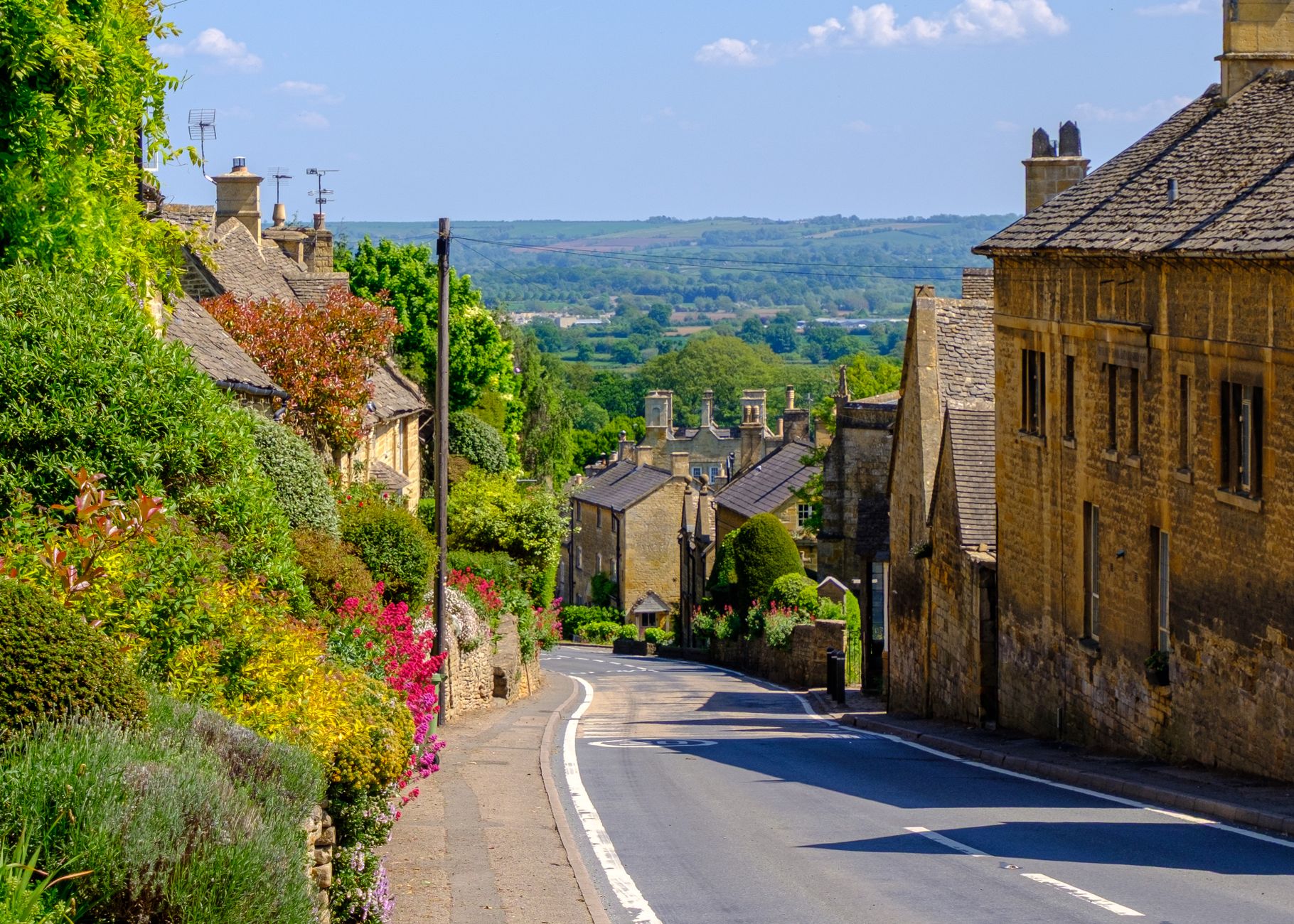
With honey-coloured stone cottages, rolling green hills, quiet country lanes, flower-filled gardens and cosy village pubs, The Cotswalds in England feels wonderfully removed from the rush of modern life.
Stretching across almost 800 square miles and several English counties, the Cotswolds is a region rather than a single destination. Its landscape is shaped by limestone hills, farmland, dry stone walls and traditional villages, creating the unmistakable scenery that has made this part of England so beloved. The Cotswolds National Landscape is also a living countryside, with the majority of its land used for agriculture.
For travellers who love beautiful villages, countryside walks, historic houses, gardens, local food and slow afternoons in charming pubs, the Cotswolds offers everything needed for an unforgettable English escape. You do not need to fill every hour here. In fact, the less you rush, the more you tend to notice.
Why Visit the Cotswolds?
The magic of the Cotswolds is its atmosphere. Villages are built from warm golden limestone, old churches rise above quiet streets and gently rolling hills stretch into the distance. Much of the landscape has been shaped by centuries of farming and settlement, while the local stone gives the villages their distinctive character.
The region also has an extraordinary history. People have lived and worked in the Cotswolds for thousands of years, while the medieval wool trade helped create many of the impressive churches, manor houses and market towns that visitors can still see today.
Yet history is only part of the appeal. The Cotswolds is also somewhere to enjoy the simple pleasures of travel. You can spend a morning wandering a village, stop for coffee beside a river, enjoy a long country pub lunch and then take the scenic road home simply because the countryside looks beautiful.
If you love escaping busy cities and reconnecting with nature, How to Make the Most of a Weekend in Nature is a perfect companion read.
When Is the Best Time to Visit the Cotswolds?
The Cotswolds is beautiful throughout the year, and each season creates a different kind of experience. Spring brings fresh green fields, blossom and gardens beginning to bloom, while the countryside feels particularly peaceful before the busiest summer months arrive.
Summer is the classic time to visit, with long days that are perfect for countryside walks, garden visits and outdoor lunches. The villages are lively and the landscape is wonderfully green, although the most popular spots can become busy during the middle of the day.
Autumn is particularly magical for travellers who love changing foliage and atmospheric landscapes. Trees turn shades of gold, orange and red, while the warm colour of the Cotswold stone seems even more beautiful beneath the softer autumn light.
Winter offers something completely different. Frosty fields, quiet lanes, cosy fireplaces and peaceful villages create an intimate countryside atmosphere. It is an especially lovely time for travellers who would rather experience the Cotswolds at a slower pace.
For more inspiration on enjoying the English countryside during warmer months, Ten of the Best English Summer Experiences is worth adding to your reading list.
Explore the Most Beautiful Cotswold Villages
The villages are at the heart of the Cotswolds experience. While some have become famous for their beauty, the region is full of smaller communities where you can simply wander, stop for coffee and enjoy the feeling of being somewhere beautifully unhurried.
Bourton-on-the-Water is one of the most recognisable villages, with the River Windrush flowing through its centre beneath a series of small stone bridges. Its cafés, shops and traditional buildings make it an easy place to spend a few hours, although arriving earlier or staying later can help you experience it away from the busiest crowds.
Bibury is another iconic stop, particularly famous for Arlington Row, where historic stone cottages sit beside the river. It is easy to understand why the village appears in so many photographs of the Cotswolds, but there is more to enjoy beyond the famous cottages. Walking through the quieter parts of the village and surrounding countryside gives you a chance to appreciate its peaceful atmosphere.
Stow-on-the-Wold has a slightly different character. Perched on a hilltop, the historic market town is filled with old buildings, independent shops, cafés and antique stores. Its central square reflects centuries of trading history and makes an excellent starting point for exploring the surrounding countryside.
Chipping Campden is another essential stop, particularly for travellers interested in history and walking. Its elegant limestone buildings reflect the wealth created by the medieval wool trade, while its position at the northern end of the Cotswold Way makes it a natural base for exploring the landscape on foot.
Castle Combe, towards the southern Cotswolds, feels almost like a storybook village. Traditional stone cottages line quiet streets and the surrounding green countryside creates a beautifully peaceful setting. Rather than rushing through, take time to wander slowly and appreciate the details.
Broadway offers another classic Cotswold experience, with elegant buildings, independent shops and countryside views. The village sits beneath Broadway Tower and makes a lovely base for combining sightseeing with walks through the surrounding landscape.
Walk the Cotswold Way
Walking is one of the best ways to experience the Cotswolds because the landscape is not simply something to look at. It is something to move through slowly.
The Cotswold Way stretches for around 102 miles between Chipping Campden and Bath, following much of the dramatic Cotswold escarpment. Along the route are countryside views, historic sites, villages and landmarks that reveal just how varied the region can be.
You do not need to walk the entire trail to enjoy it. Shorter sections can easily become part of a weekend itinerary, giving you time to wander through meadows, woodland and quiet countryside before finishing the day with a relaxed meal.
There are also countless shorter walks throughout the region, making it possible to choose something that suits your fitness level and interests. The real pleasure is having enough time to stop for photographs, admire old stone walls, watch the changing light and enjoy the landscape rather than treating the walk as something to complete as quickly as possible.
For more inspiration on travelling at a slower pace, How Unhurried Journeys Are Transforming the Way We Travel is a beautiful read before your trip.
Discover Gardens, Country Houses and Castles
The Cotswolds is home to some wonderful gardens, historic houses and country estates, offering another reason to spend more than just a weekend in the region.
Sudeley Castle near Winchcombe combines centuries of history with beautiful gardens and countryside views. It is particularly lovely when the gardens are in bloom, although the surrounding landscape makes the estate appealing throughout much of the year.
Blenheim Palace sits on the eastern edge of the Cotswolds and offers a grander experience, with impressive architecture, landscaped grounds and a fascinating connection to British history.
Westonbirt, The National Arboretum, is another beautiful place to visit, particularly during autumn when its extensive collection of trees creates an extraordinary display of colour.
Batsford Arboretum offers a quieter experience, with woodland paths and seasonal scenery that makes it ideal for a peaceful afternoon.
These places also reveal another side of the Cotswolds. Beyond the pretty cottages and villages is a landscape filled with centuries of architecture, gardening, agriculture and history.
Discover the Market Towns
The Cotswolds is not simply a collection of tiny villages. Market towns such as Cirencester, Tetbury, Stroud, Tewkesbury and Cheltenham offer a different perspective on the region.
Cirencester is often regarded as the capital of the Cotswolds and makes a useful base for exploring the surrounding countryside. Its independent shops, cafés and historic streets make it worth exploring even if you are not using it as your main base.
Stroud has a more creative and alternative atmosphere, with a strong connection to the surrounding Five Valleys and a long industrial and textile history. Cheltenham brings Regency architecture, restaurants, shopping and cultural attractions into the countryside experience.
Spending time in these towns helps you see the Cotswolds as a living region rather than simply a collection of picturesque places preserved for visitors.
Eat Your Way Through the Cotswolds
Food is an important part of the Cotswolds experience, particularly because the surrounding countryside has such a strong agricultural identity.
A perfect day might begin with a slow breakfast, continue with coffee and cake in a village café, move into a long pub lunch and finish with dinner in a cosy country inn. The food does not need to be complicated. Local produce, seasonal vegetables, regional cheeses, fresh bread and traditional British dishes are often enough to make a meal memorable.
Country pubs are particularly important to the experience. After spending hours walking through the countryside, there is something wonderfully comforting about stepping inside an old pub, finding a table near the fireplace and ordering a hearty meal.
Do not rush your meals. One of the pleasures of travelling through the Cotswolds is allowing lunch to become part of the afternoon rather than treating it as something squeezed between sightseeing stops.
If you enjoy slow countryside escapes, Rural Holidays: Why Have They Become So Popular? explores why this style of travel has become so appealing.
Where to Stay in the Cotswolds
Where you stay can shape your entire Cotswolds experience. A traditional country inn can give you the classic English countryside atmosphere, while a boutique hotel offers something more polished and contemporary.
A countryside cottage can be particularly lovely for a longer stay because it allows you to settle into village life. You can shop locally, prepare breakfast slowly and return home after a day of exploring without feeling as though you are constantly moving from one hotel to another.
For a first visit, staying around Bourton-on-the-Water, Stow-on-the-Wold, Chipping Campden or Broadway can make exploring the northern Cotswolds convenient. If you prefer somewhere quieter, look beyond the most famous villages and consider a smaller rural community nearby.
The region has everything from cosy B&Bs and historic inns to country house hotels and countryside cottages, so accommodation can become part of the experience rather than simply somewhere to sleep.
For a little inspiration when putting together an elegant countryside wardrobe, eleSTYLED has plenty of ideas for effortless everyday style.
How to Get Around the Cotswolds
A car is one of the easiest ways to explore the Cotswolds because it gives you the freedom to move between villages and discover quieter parts of the region.
That freedom is particularly valuable when you want to stop somewhere simply because the landscape looks beautiful. You can leave one village after breakfast, take a scenic road towards another and stop whenever you find a view worth enjoying.
However, country roads can be narrow and winding, while popular villages can become busy during peak periods. Driving slowly and patiently is part of the experience.
It is also possible to explore parts of the Cotswolds by public transport, particularly if you stay near larger towns and railway stations. Walking and cycling can be wonderful options once you are based in the right area, allowing you to experience the countryside at a much slower pace.
A Beautiful Three-Day Cotswolds Itinerary
Three days is enough for a memorable first visit if you resist the temptation to see everything.
Begin your first day around Bourton-on-the-Water, Bibury and Stow-on-the-Wold. Give yourself plenty of time to wander rather than trying to visit each place as quickly as possible. Enjoy lunch in a village pub and spend the evening somewhere cosy.
On the second day, explore Chipping Campden and Broadway before taking a countryside walk. You can add a garden or country house if you have enough time, but leave some space for an unplanned stop along the way.
Spend your final day exploring the southern Cotswolds around Castle Combe, Tetbury or Cirencester. Finish with a long lunch or afternoon tea before beginning your journey home.
The most important part of the itinerary is leaving enough empty space. The Cotswolds is one of those places where the moments you did not plan can become the ones you remember most.
A Longer Cotswolds Escape
If you have five to seven days, consider staying in two different parts of the region rather than using one base for the entire trip.
You could spend several nights exploring the northern Cotswolds around Chipping Campden, Broadway and Stow-on-the-Wold before moving south towards Cirencester, Tetbury and the surrounding countryside.
A longer stay gives you time to explore smaller villages, take longer walks, visit gardens and country houses and simply enjoy the rhythm of rural England.
Most importantly, it means you do not have to spend your entire holiday checking the clock.
What to Pack for the Cotswolds
Comfortable walking shoes are essential because even a simple village day can involve cobblestones, uneven paths, grass and countryside trails.
Layers are equally important because English weather can change quickly. A lightweight waterproof jacket is useful throughout much of the year, while warmer layers become important during autumn and winter.
During summer, bring sunglasses, sunscreen and a light layer for cooler evenings. If you plan to spend plenty of time walking, a small day bag can also be useful for carrying water, snacks and an extra layer.
The best approach is to pack for comfort while leaving a little room in your suitcase for something beautiful from a local shop, market or country estate.
Travel Responsibly in the Cotswolds
The Cotswolds is a beautiful but heavily visited landscape, which means responsible travel matters.
Stay on marked paths, respect private land and keep dogs under control around livestock. Take rubbish with you and avoid disturbing wildlife.
When visiting villages, remember that these are people’s homes. Parking responsibly, keeping noise down and supporting independent cafés, pubs, shops and local businesses can make your visit more respectful and meaningful.
Travelling outside the busiest periods can also give you a more peaceful experience while helping spread visitor numbers throughout the year.
The Cotswolds is a living and working landscape. Its beauty exists because people continue to farm, maintain historic buildings, care for gardens and protect the countryside.
Why the Cotswolds Is Made for Slow Travel
There are destinations where you feel as though you need to keep moving from one attraction to the next. The Cotswolds is different.
It invites you to wake up slowly, walk through a village, stop beside a river, enjoy afternoon tea and spend an hour browsing a small shop without worrying about what comes next.
That is part of what makes it so memorable.
You do not need a packed itinerary here. Sometimes the best Cotswolds memory will be the road you took because it looked beautiful, the pub you discovered by accident or the village you almost skipped.
The region rewards curiosity more than schedules.
Frequently Asked Questions
How many days do you need in the Cotswolds?
Three days is enough for a first taste of the Cotswolds, particularly if you focus on one area. Five to seven days is ideal if you want to explore more villages, enjoy longer walks and visit gardens, country houses and smaller towns.
What is the prettiest village in the Cotswolds?
There is no single answer because beauty is everywhere. Bibury, Bourton-on-the-Water, Castle Combe, Broadway and Chipping Campden are among the best-known villages, but smaller and quieter villages can be equally beautiful.
Is the Cotswolds worth visiting without a car?
Yes. A car provides more flexibility, but parts of the region can be explored by train and bus. Walking and cycling are also excellent options when you choose your base carefully.
What is the best season to visit the Cotswolds?
Spring and summer are wonderful for gardens and long countryside days, autumn is beautiful for changing foliage and winter offers quiet villages, cosy pubs and a more intimate atmosphere.
Is the Cotswolds expensive?
It can be expensive in the most popular villages and during peak periods, but there are ways to keep costs manageable. Staying outside the busiest areas, travelling during quieter periods and choosing local cafés, pubs and farm shops can help.
Is the Cotswolds good for couples?
Absolutely. Beautiful country hotels, cosy pubs, quiet countryside walks and romantic villages make the Cotswolds particularly appealing for couples.
Is the Cotswolds suitable for families?
Yes. Families can enjoy countryside walks, gardens, farms, historic houses and outdoor attractions. Choosing accommodation with plenty of space and easy access to the countryside can make the trip more comfortable.
Where to Next?
If the Cotswolds has inspired you to discover more of England’s countryside and coastline, continue with The Best Coastal Towns in Cornwall for a Seaside Escape. Cornwall offers a completely different side of England, with dramatic cliffs, beautiful beaches, fishing villages and scenic coastal roads.
For another fascinating piece of English history, Stonehenge at Golden Hour: Tips, History, and How to Book the Best Tour is a beautiful addition to a southern England itinerary.
If you want to explore more of Britain, Britain Unbound: Unveiling Hidden Gems takes you beyond the most famous landmarks and into some of the country’s lesser-known places.
For another destination where countryside, charming towns and local food are central to the experience, The Ultimate Travel Guide to Maine offers a beautiful change of scenery with coastal villages, rural landscapes and plenty of opportunities to slow down.
And if you are ready for a completely different European escape, The Ultimate Travel Guide to Sardinia combines beautiful beaches, historic villages, local food and the slower rhythm of island life.
The Final Word
The Cotswolds is beautiful in a way that does not need much explanation.
It is in the golden stone glowing beneath the afternoon sun. It is in the sound of a river moving beneath an old bridge. It is in a country pub after a long walk, in wildflowers beside a footpath and in the quiet of a village street before the day begins.
Perhaps the most beautiful thing about the Cotswolds is that it reminds you that travel does not always have to be about seeing more.
Sometimes it is about noticing more.
Take the longer road. Stop for tea. Stay for sunset. Order dessert. Walk without checking the time. Let the afternoon unfold.
The Cotswolds is not simply somewhere to visit. It is somewhere to slow down, settle in and remember how lovely it can be to have nowhere else you need to be.
Share this:
Like this: