Wellness has changed over the years. It still includes things like movement, good sleep, balanced meals, and stress management, but many people now think about wellness in a broader way. They care about energy, confidence, appearance, and routines that help them feel more comfortable in daily life. That shift has created room for conversations that once stayed outside the wellness space entirely. Botox is one of them.
Some people see Botox as cosmetic only. Others see it as one small choice inside a larger routine of self-care. There is no single right answer. The better question is whether it supports the life and habits someone already wants to build.
Here are 4 things to think about before integrating this treatment into your wellness routine.
1. Know What You Actually Want From It
One of the easiest ways to feel disappointed with any wellness decision is to make it without knowing the real goal. People often say they are interested in Botox because they want to look younger, but that answer is usually too broad to be helpful.
After thinking it through, the goal is often more specific. Some want to soften lines that make them look more tired than they feel. Others want to feel more put together without changing how they look. A few simply want to spend less mental energy focusing on certain features every day. In conversations around Botox in NYC, that shift from chasing a bigger idea to defining a smaller, more personal goal often becomes part of the discussion. In practices like StudioMD, individualized treatment planning tends to reflect that same thinking.
A wellness routine works best when each part supports a real need instead of trying to fix every feeling through appearance. If someone expects Botox to completely change confidence or solve deeper stress, the result may feel underwhelming. But if the goal is small and realistic, expectations often feel easier to manage.
2. Think About Whether It Fits the Way You Already Live
One reason Botox keeps appearing in wellness conversations is that people increasingly value habits that fit into real schedules. Long recovery periods do not work for everyone. Many adults are balancing work, social plans, exercise, family responsibilities, and personal time. When adding something new into a routine, convenience often becomes part of the decision. That does not mean easy automatically means better. It means people want routines they can maintain.
When discussions turn toward options like Botox, the conversation is often less about chasing dramatic change and more about whether subtle adjustments can work alongside everyday habits without becoming another major commitment. Treatment planning often focuses on personalization and maintaining natural-looking results rather than creating one standard appearance. That framing makes sense in a wellness context because most people are not trying to look like someone else. They are trying to feel more aligned with how they already see themselves.
Another useful question is whether the treatment becomes part of your wellness routine or starts controlling it. If maintaining results creates stress, pressure, or unrealistic expectations, it may not fit your version of wellness. But if it feels like a manageable addition that supports how you already live, the experience may feel more balanced.
3. Separate Personal Choice From Social Pressure
Modern wellness can sometimes feel crowded. Open any social platform and there is always another routine, product, treatment, or habit people say you should try. That constant stream makes it easy to confuse interest with pressure.
Botox sits in that same environment. Someone may become curious after seeing friends talk about it or seeing creators discuss their routines online. Curiosity is normal. But curiosity and personal motivation are not always the same thing. One helpful question is simple: would you still want this if nobody else knew?
That question removes performance from the decision. People often feel more satisfied with wellness choices when those choices connect to values they already have. Maybe someone values simplicity. Maybe they enjoy routines that reduce effort. Maybe they feel more comfortable when they look rested. Those reasons tend to hold up better over time than decisions driven mostly by comparison. In practice, the strongest wellness habits usually feel quiet. They do not need constant validation to keep making sense.
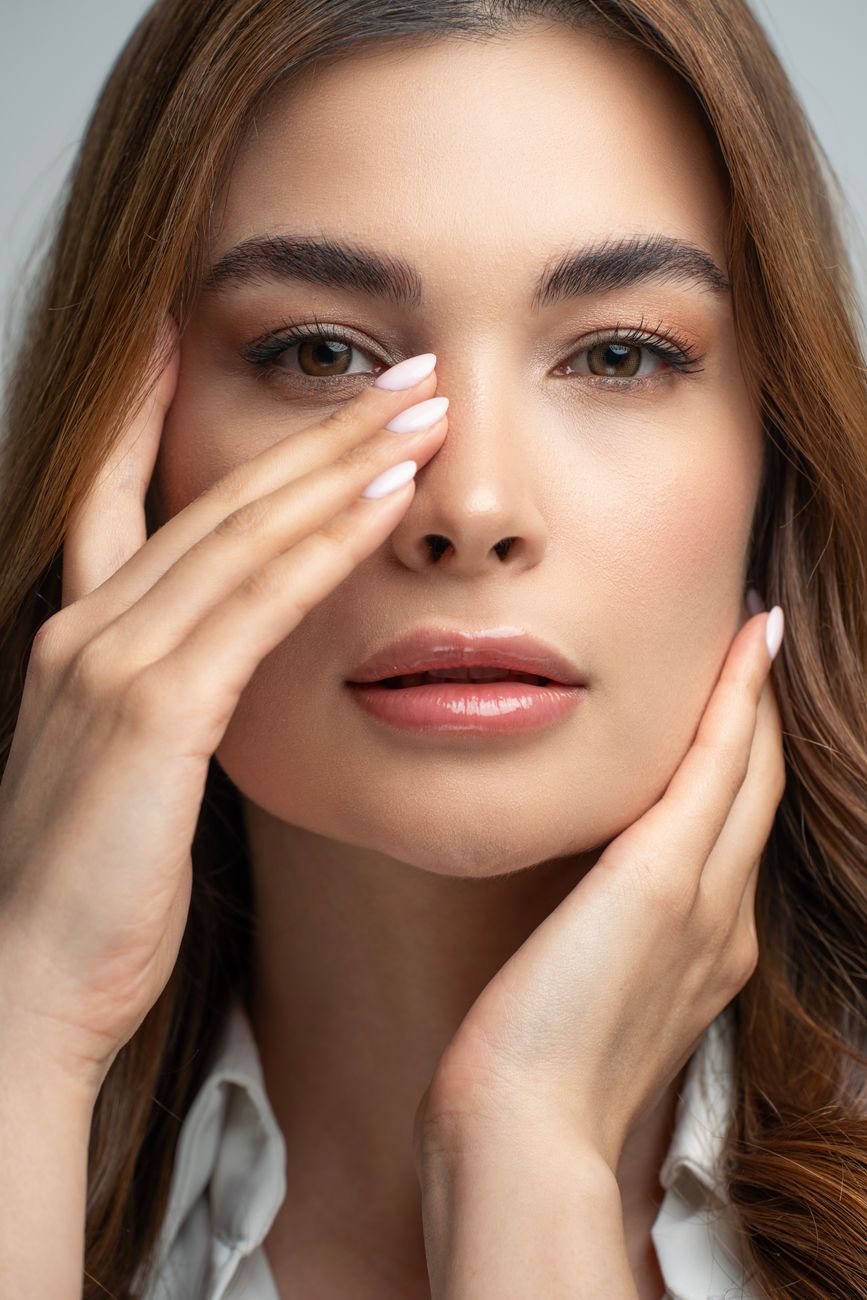
Photo by Anna Shvets
4. Remember That Wellness Is Bigger Than Any One Treatment
It is easy to treat wellness like a checklist. Drink enough water. Move your body. Sleep eight hours. Buy the right products. Add one more treatment. But most people know life does not work that neatly. Wellness is usually built from patterns, not single decisions. Someone can get excellent sleep, stay active, eat well, and choose cosmetic treatments. Someone else may skip those treatments entirely and still feel great. There is no universal formula.
Botox does not replace healthy habits. It does not reduce stress, improve relationships, or create confidence by itself. At the same time, dismissing appearance entirely does not reflect reality either. Feeling comfortable in your appearance can affect how you move through daily life, how much attention you give to certain worries, and how you show up socially.
The key is keeping proportion. When a treatment becomes one piece of a bigger system rather than the center of it, people often feel more grounded in their choices. Wellness tends to last longer when it stays flexible.
Wrapping It Up
Botox does not automatically belong in a modern wellness routine, but it does not automatically sit outside one either. The better question is not whether wellness should include cosmetic treatments. It is whether a choice supports your actual life, values, and habits.
For some people, that answer will be yes. For others, it will not. Either way, wellness works best when decisions feel thoughtful, realistic, and connected to the bigger picture instead of the latest trend.


Wellness has changed over the years. It still includes things like movement, good sleep, balanced meals, and stress management, but many people now think about wellness in a broader way. They care about energy, confidence, appearance, and routines that help them feel more comfortable in daily life. That shift has created room for conversations that once stayed outside the wellness space entirely. Botox is one of them.
Some people see Botox as cosmetic only. Others see it as one small choice inside a larger routine of self-care. There is no single right answer. The better question is whether it supports the life and habits someone already wants to build.
Here are 4 things to think about before integrating this treatment into your wellness routine.
1. Know What You Actually Want From It
One of the easiest ways to feel disappointed with any wellness decision is to make it without knowing the real goal. People often say they are interested in Botox because they want to look younger, but that answer is usually too broad to be helpful.
After thinking it through, the goal is often more specific. Some want to soften lines that make them look more tired than they feel. Others want to feel more put together without changing how they look. A few simply want to spend less mental energy focusing on certain features every day. In conversations around Botox in NYC, that shift from chasing a bigger idea to defining a smaller, more personal goal often becomes part of the discussion. In practices like StudioMD, individualized treatment planning tends to reflect that same thinking.
A wellness routine works best when each part supports a real need instead of trying to fix every feeling through appearance. If someone expects Botox to completely change confidence or solve deeper stress, the result may feel underwhelming. But if the goal is small and realistic, expectations often feel easier to manage.
2. Think About Whether It Fits the Way You Already Live
One reason Botox keeps appearing in wellness conversations is that people increasingly value habits that fit into real schedules. Long recovery periods do not work for everyone. Many adults are balancing work, social plans, exercise, family responsibilities, and personal time. When adding something new into a routine, convenience often becomes part of the decision. That does not mean easy automatically means better. It means people want routines they can maintain.
When discussions turn toward options like Botox, the conversation is often less about chasing dramatic change and more about whether subtle adjustments can work alongside everyday habits without becoming another major commitment. Treatment planning often focuses on personalization and maintaining natural-looking results rather than creating one standard appearance. That framing makes sense in a wellness context because most people are not trying to look like someone else. They are trying to feel more aligned with how they already see themselves.
Another useful question is whether the treatment becomes part of your wellness routine or starts controlling it. If maintaining results creates stress, pressure, or unrealistic expectations, it may not fit your version of wellness. But if it feels like a manageable addition that supports how you already live, the experience may feel more balanced.
3. Separate Personal Choice From Social Pressure
Modern wellness can sometimes feel crowded. Open any social platform and there is always another routine, product, treatment, or habit people say you should try. That constant stream makes it easy to confuse interest with pressure.
Botox sits in that same environment. Someone may become curious after seeing friends talk about it or seeing creators discuss their routines online. Curiosity is normal. But curiosity and personal motivation are not always the same thing. One helpful question is simple: would you still want this if nobody else knew?
That question removes performance from the decision. People often feel more satisfied with wellness choices when those choices connect to values they already have. Maybe someone values simplicity. Maybe they enjoy routines that reduce effort. Maybe they feel more comfortable when they look rested. Those reasons tend to hold up better over time than decisions driven mostly by comparison. In practice, the strongest wellness habits usually feel quiet. They do not need constant validation to keep making sense.
4. Remember That Wellness Is Bigger Than Any One Treatment
It is easy to treat wellness like a checklist. Drink enough water. Move your body. Sleep eight hours. Buy the right products. Add one more treatment. But most people know life does not work that neatly. Wellness is usually built from patterns, not single decisions. Someone can get excellent sleep, stay active, eat well, and choose cosmetic treatments. Someone else may skip those treatments entirely and still feel great. There is no universal formula.
Botox does not replace healthy habits. It does not reduce stress, improve relationships, or create confidence by itself. At the same time, dismissing appearance entirely does not reflect reality either. Feeling comfortable in your appearance can affect how you move through daily life, how much attention you give to certain worries, and how you show up socially.
The key is keeping proportion. When a treatment becomes one piece of a bigger system rather than the center of it, people often feel more grounded in their choices. Wellness tends to last longer when it stays flexible.
Wrapping It Up
Botox does not automatically belong in a modern wellness routine, but it does not automatically sit outside one either. The better question is not whether wellness should include cosmetic treatments. It is whether a choice supports your actual life, values, and habits.
For some people, that answer will be yes. For others, it will not. Either way, wellness works best when decisions feel thoughtful, realistic, and connected to the bigger picture instead of the latest trend.
Share this:
Like this: