Thinking about getting dermal fillers? Maybe you want fuller lips, softer lines around your mouth, or more shape in your cheeks. Whatever your reason, it helps to know what the treatment involves before you book an appointment.
Fillers can make small changes to your appearance without surgery, but there is still some planning involved. If you are considering treatment here in Westchester County, you may have questions about the injections, how long the results last, and what your face will look like afterward.
Knowing what to expect can help you feel more relaxed and make a choice that suits your needs. Here are five things to understand before, during, and after treatment.
1. Start With a Consultation
Your first visit should give you time to talk about what you would like to change. Perhaps your lips have lost some fullness, or your cheeks look less full than they used to. You may also want to soften lines that make you look tired.
The provider should look at your face, ask about your health, and discuss your goals. Be honest about any allergies, past filler treatments, medicines, and health problems. Also mention if you have had a cold sore or skin infection near the area you want treated.
This is a good time to ask which filler will be used and why. Different products are made for different areas. For example, a filler used to add volume to the cheeks may not be the right choice for the lips. During consultations for dermal fillers in Westchester, medical practices such as Impact Health typically review facial shape, medical history, and personal goals before deciding whether fillers are a good fit.
You should also ask about the possible risks, the cost, and how long the results may last. There is no need to feel rushed into making a decision.
2. Know What Happens During Treatment
Dermal fillers are gel-like products placed under the skin to add volume or improve certain facial features. Many are made with hyaluronic acid, a substance that is already found in the body and helps keep skin moist and full.
The treatment usually takes a short time. Your provider will clean the area and may use a numbing cream or another form of pain relief. Then, a small needle or a blunt-tipped tool called a cannula is used to place the filler.
You may feel a little pressure, pinching, or stinging during the injections. The level of discomfort depends on the area being treated and the product used. Lip injections, for example, may feel different from cheek treatments.
The number of injections also depends on your goals. You may need only a small amount of filler, while another person may need more to get the result they want. A careful provider will explain the plan and avoid adding more than is needed.
3. Expect Some Swelling After Treatment
You may notice a change in your appearance soon after the injections, but your face may not look settled right away. Mild swelling, redness, tenderness, and bruising are common. Some areas may also feel a little firm.
These effects often improve within a few days, although some can last longer. Your provider will explain what is normal for the product and area treated.
For the first day or two, you may be asked to:
Avoid hard exercise and heavy activity.
Stay out of strong sunlight and avoid tanning beds.
Avoid rubbing or pressing the treated area.
Follow any instructions about ice packs or skin care.
Do not massage the area unless your provider tells you to. Some treatments need special care, while others do not. Following the advice you receive can help you avoid unwanted pressure on the treated area. The American Academy of Dermatology notes that common side effects, such as swelling, redness, and bruising, often clear within 7 to 14 days.
4. Give Your Face Time to Settle
Some filler results are visible right away, but the first look is not always the final one. Swelling can make your lips or cheeks appear fuller than you expected. As this goes down, the treated area may look softer and more natural.
How long the results last depends on the type of filler, where it was placed, and how your body responds. Impact Health notes that some hyaluronic acid fillers may last between 6 and 18 months. Lip and cheek treatments may also have different timelines.
You may want to schedule a follow-up visit so your provider can check how the filler has settled. If you are unhappy with the result, talk to them before trying to fix it yourself or booking more injections elsewhere.
Remember that fillers do not stop the aging process. Your face will continue to change over time, and you may decide to have another treatment later. There is no need to keep adding filler simply because a certain amount of time has passed.
5. Understand the Risks and When to Get Help
Most people have mild side effects, but fillers can sometimes cause serious problems. These may include infection, lumps, allergic reactions, or filler blocking a blood vessel. In rare cases, blocked blood flow can cause skin damage or loss of vision.
This is why the person giving the injections should have proper medical training and experience. Ask about their qualifications, the products they use, and how they handle complications. The US Food and Drug Administration also advises patients to have fillers injected by a licensed health care provider who knows the treatment and its risks.
Seek medical help right away if you have unusual or severe pain, skin that turns pale or changes color, vision changes, or weakness after treatment. Do not wait for these symptoms to go away on their own.
Final Words
Dermal fillers can help restore volume and soften certain facial lines, but it is important to know what the treatment can and cannot do. Take time to discuss your goals, understand the risks, and follow your provider’s aftercare advice.
A good treatment plan should suit your face and leave you feeling comfortable with your choice, without pressure to change more than you want.


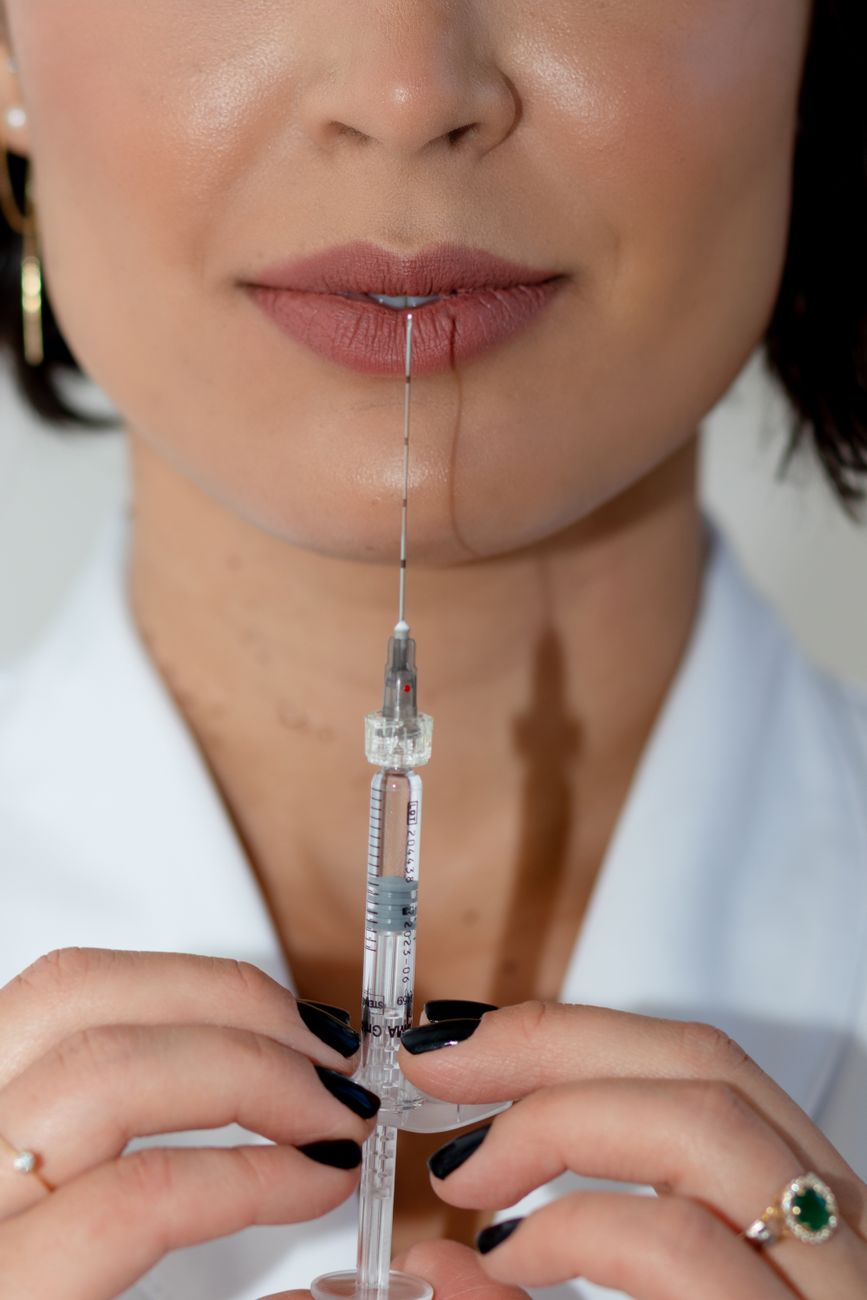
Thinking about getting dermal fillers? Maybe you want fuller lips, softer lines around your mouth, or more shape in your cheeks. Whatever your reason, it helps to know what the treatment involves before you book an appointment.
Fillers can make small changes to your appearance without surgery, but there is still some planning involved. If you are considering treatment here in Westchester County, you may have questions about the injections, how long the results last, and what your face will look like afterward.
Knowing what to expect can help you feel more relaxed and make a choice that suits your needs. Here are five things to understand before, during, and after treatment.
1. Start With a Consultation
Your first visit should give you time to talk about what you would like to change. Perhaps your lips have lost some fullness, or your cheeks look less full than they used to. You may also want to soften lines that make you look tired.
The provider should look at your face, ask about your health, and discuss your goals. Be honest about any allergies, past filler treatments, medicines, and health problems. Also mention if you have had a cold sore or skin infection near the area you want treated.
This is a good time to ask which filler will be used and why. Different products are made for different areas. For example, a filler used to add volume to the cheeks may not be the right choice for the lips. During consultations for dermal fillers in Westchester, medical practices such as Impact Health typically review facial shape, medical history, and personal goals before deciding whether fillers are a good fit.
You should also ask about the possible risks, the cost, and how long the results may last. There is no need to feel rushed into making a decision.
2. Know What Happens During Treatment
Dermal fillers are gel-like products placed under the skin to add volume or improve certain facial features. Many are made with hyaluronic acid, a substance that is already found in the body and helps keep skin moist and full.
The treatment usually takes a short time. Your provider will clean the area and may use a numbing cream or another form of pain relief. Then, a small needle or a blunt-tipped tool called a cannula is used to place the filler.
You may feel a little pressure, pinching, or stinging during the injections. The level of discomfort depends on the area being treated and the product used. Lip injections, for example, may feel different from cheek treatments.
The number of injections also depends on your goals. You may need only a small amount of filler, while another person may need more to get the result they want. A careful provider will explain the plan and avoid adding more than is needed.
3. Expect Some Swelling After Treatment
You may notice a change in your appearance soon after the injections, but your face may not look settled right away. Mild swelling, redness, tenderness, and bruising are common. Some areas may also feel a little firm.
These effects often improve within a few days, although some can last longer. Your provider will explain what is normal for the product and area treated.
For the first day or two, you may be asked to:
Do not massage the area unless your provider tells you to. Some treatments need special care, while others do not. Following the advice you receive can help you avoid unwanted pressure on the treated area. The American Academy of Dermatology notes that common side effects, such as swelling, redness, and bruising, often clear within 7 to 14 days.
4. Give Your Face Time to Settle
Some filler results are visible right away, but the first look is not always the final one. Swelling can make your lips or cheeks appear fuller than you expected. As this goes down, the treated area may look softer and more natural.
How long the results last depends on the type of filler, where it was placed, and how your body responds. Impact Health notes that some hyaluronic acid fillers may last between 6 and 18 months. Lip and cheek treatments may also have different timelines.
You may want to schedule a follow-up visit so your provider can check how the filler has settled. If you are unhappy with the result, talk to them before trying to fix it yourself or booking more injections elsewhere.
Remember that fillers do not stop the aging process. Your face will continue to change over time, and you may decide to have another treatment later. There is no need to keep adding filler simply because a certain amount of time has passed.
5. Understand the Risks and When to Get Help
Most people have mild side effects, but fillers can sometimes cause serious problems. These may include infection, lumps, allergic reactions, or filler blocking a blood vessel. In rare cases, blocked blood flow can cause skin damage or loss of vision.
This is why the person giving the injections should have proper medical training and experience. Ask about their qualifications, the products they use, and how they handle complications. The US Food and Drug Administration also advises patients to have fillers injected by a licensed health care provider who knows the treatment and its risks.
Seek medical help right away if you have unusual or severe pain, skin that turns pale or changes color, vision changes, or weakness after treatment. Do not wait for these symptoms to go away on their own.
Final Words
Dermal fillers can help restore volume and soften certain facial lines, but it is important to know what the treatment can and cannot do. Take time to discuss your goals, understand the risks, and follow your provider’s aftercare advice.
A good treatment plan should suit your face and leave you feeling comfortable with your choice, without pressure to change more than you want.
Share this:
Like this: