A greener remodel starts with decisions about what your home needs, what you can preserve, and which changes will deliver lasting value. You do not need to replace every surface or buy every available upgrade. A focused plan can reduce waste, improve comfort, and lower household consumption without turning a manageable job into a complete rebuild.
How to Make Your Remodel Eco-Friendly
Start by assessing your home’s condition and utility use. Review a full year of bills, identify uncomfortable rooms, and check for moisture problems before selecting finishes. An energy audit can reveal hidden drafts and missing insulation that a visual walkthrough might overlook.
Homeowners working with Bergen County contractors can use these findings to prioritize improvements before starting a renovation.
The best eco-friendly home improvements address a documented problem. Replacing attractive cabinetry will do little for a bedroom that stays cold because the attic lacks insulation. Match each purchase to a clear goal.
Before approving your renovation project:
Identify what needs repair and what can remain.
Rank upgrades by comfort, consumption, and replacement urgency.
Confirm product requirements, installation details, and maintenance needs.
Set a baseline so you can compare performance after the work. Record household occupancy and thermostat settings; changes in either can affect your results.
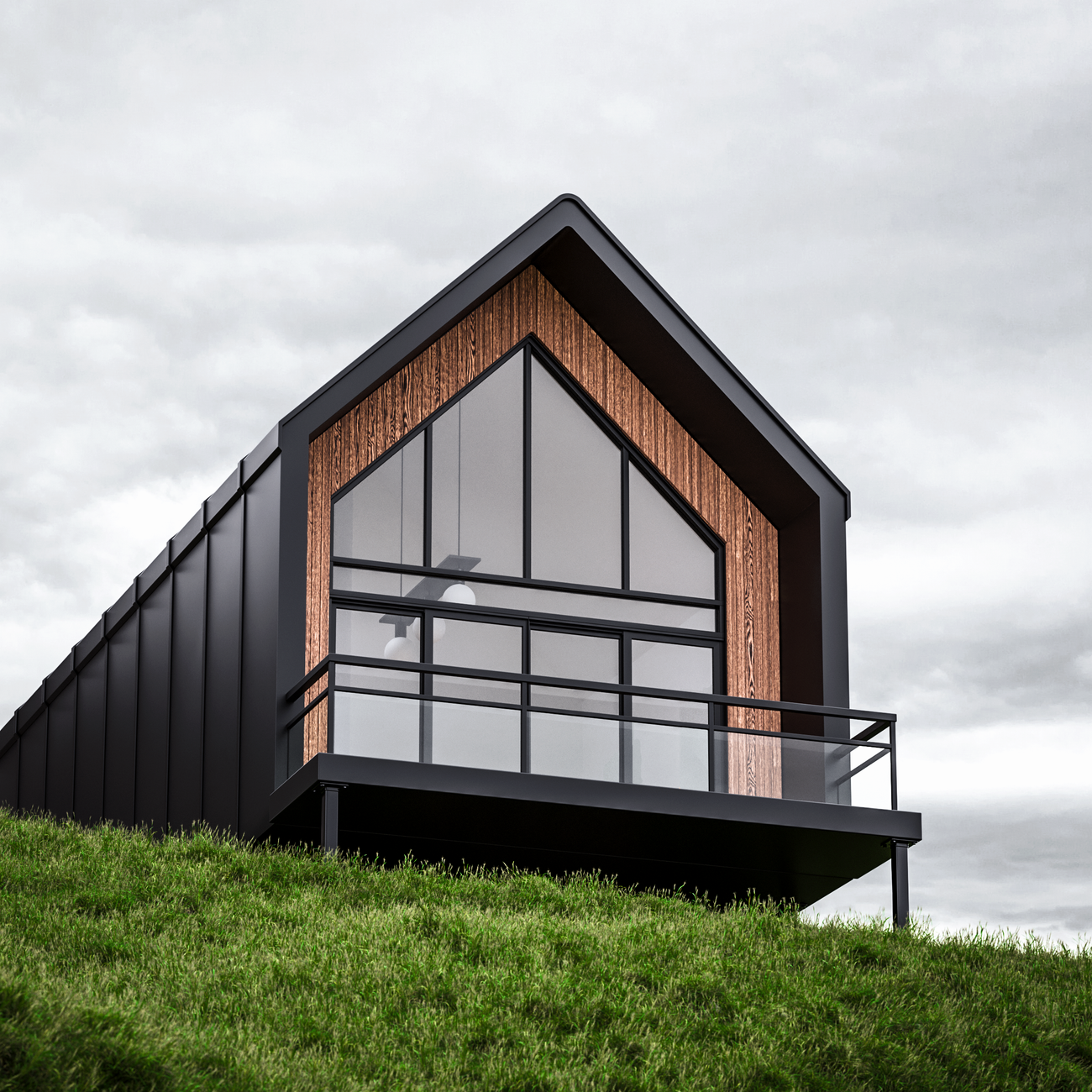
Photo by Viaceslav Kat
Advantages of Eco-Friendly Home Remodeling
The benefits extend beyond buying greener products. A well-planned remodel can reduce drafts, improve temperature consistency, and limit unnecessary replacement. Durable finishes also reduce the disruption of repairing the same area repeatedly.
Lower energy costs are one potential benefit, but savings depend on your starting conditions, local rates, and how you operate the home. You may save money by keeping serviceable cabinet boxes, refinishing flooring, or repairing hardware. Compare these options with replacement using the same expected lifespan and finish quality.
For an eco-conscious homeowner, the strongest plan balances environmental goals with daily needs. A product that requires frequent replacement or difficult upkeep may deliver less value than a durable alternative you can maintain.
Choose Materials You Can Keep and Maintain
Select sustainable materials by examining durability, sourcing, repairability, and suitability for the room. A moisture-sensitive surface may work in a bedroom but become a poor choice near a shower.
Locally sourced reclaimed wood can be a good choice for shelving or flooring when its condition and dimensions meet the design requirements. Inspect salvaged pieces for damage and confirm whether preparation adds substantial labor.
Compare construction materials using product documentation rather than vague green claims. Ask about recycled content, emissions testing, warranty terms, and available replacement parts.
When discussing building materials with A2Z Construction Management, identify which existing items you want to preserve and which substitutions would require your approval.
Choose low VOC paints and compatible adhesives, but include ventilation in the plan. A lower-emission finish does not resolve dampness or remove the need to exhaust cooking fumes and bathroom humidity.
Upgrade the Home Before Adding New Equipment
Begin with the enclosure: the roof, exterior walls, and openings that separate indoors from outdoors. Check windows and doors for damaged seals, poor operation, and drafts before assuming full replacement is necessary.
Repair and weatherstripping may be cost-effective when frames remain sound. Replacement becomes more reasonable when damage, persistent performance problems, or planned wall changes justify the expense.
Coordinate insulation and air sealing with ventilation. Tighter construction changes airflow, so evaluate exhaust systems rather than sealing gaps without considering moisture removal.
Next, choose energy-efficient appliances when existing units reach replacement age. Compare capacity and annual consumption, not just the purchase price. Oversized equipment can add expense without improving service.
For lighting, use LED lighting in frequently occupied rooms and select brightness appropriate to each task. Consider natural light during layout planning, while accounting for glare, privacy, and summer heat.
Conserve Water and Evaluate Renewable Power
Replace leaking fixtures and select reduced-flow models that still perform well. Check water pressure and compatibility before purchasing, especially when several showers or outlets may operate together.
Choose a water heater around actual demand, available space, and the home’s electrical or fuel supply. Tankless models can reduce standby losses, but output still has limits. Compare alternatives using the complete installed scope.
Evaluate solar energy after reviewing consumption and roof condition. Before you install solar panels, confirm usable roof area, shading, electrical requirements, and whether roof replacement is approaching.
Ask for generation estimates and the assumptions behind them. Compare ownership, financing, maintenance, and utility billing terms. Renewable generation should fit the house and budget rather than displace repairs that already need attention.
Compare Upfront Costs and Lasting Value
There is no single price for sustainable home remodeling. Scope, local labor, access, product specifications, and existing damage all affect the total. Compare itemized proposals that describe equivalent work.
Remodeling Choice
What to Compare
Refinish or replace cabinets
Frame condition, preparation labor, hardware, and finish lifespan
Seal or replace openings
Existing damage, comfort gains, installation work, and warranty
Improve insulation or replace HVAC
Audit findings, equipment condition, ventilation, and sizing
Add rooftop generation now or later
Roof lifespan, financing, projected output, and utility terms
Evaluate an energy-saving measure by considering both its upfront cost and realistic annual savings. Divide the additional cost by estimated yearly savings for a simple payback estimate, then consider maintenance and replacement timing.
Treat tax credits as a separate budget item. Confirm current eligibility for the specific equipment and completion date before assuming an incentive will reduce your expense.
Plan the Work and Verify Results
Sequence the work so one upgrade does not undo another. Complete hidden repairs before finishes, and assess heating and air conditioning requirements after planned enclosure improvements. For homeowners planning a Tenafly home improvement project, coordinating these steps with a local contractor can help avoid unnecessary rework.
Include these items in your written scope:
Product specifications and an approval process for substitutions.
Protection, storage, donation, and disposal instructions.
Inspection checkpoints and completion documentation.
Schedule reusable items for removal before demolition. Measure doors and windows before ordering, and clarify who handles discrepancies.
After completion, compare bills across similar seasons and check whether uncomfortable rooms improved. Keep product records and maintenance instructions so your choices continue delivering value. Your remodel succeeds when the finished home meets your goals and remains practical to operate.


A greener remodel starts with decisions about what your home needs, what you can preserve, and which changes will deliver lasting value. You do not need to replace every surface or buy every available upgrade. A focused plan can reduce waste, improve comfort, and lower household consumption without turning a manageable job into a complete rebuild.
How to Make Your Remodel Eco-Friendly
Start by assessing your home’s condition and utility use. Review a full year of bills, identify uncomfortable rooms, and check for moisture problems before selecting finishes. An energy audit can reveal hidden drafts and missing insulation that a visual walkthrough might overlook.
Homeowners working with Bergen County contractors can use these findings to prioritize improvements before starting a renovation.
The best eco-friendly home improvements address a documented problem. Replacing attractive cabinetry will do little for a bedroom that stays cold because the attic lacks insulation. Match each purchase to a clear goal.
Before approving your renovation project:
Set a baseline so you can compare performance after the work. Record household occupancy and thermostat settings; changes in either can affect your results.
Advantages of Eco-Friendly Home Remodeling
The benefits extend beyond buying greener products. A well-planned remodel can reduce drafts, improve temperature consistency, and limit unnecessary replacement. Durable finishes also reduce the disruption of repairing the same area repeatedly.
Lower energy costs are one potential benefit, but savings depend on your starting conditions, local rates, and how you operate the home. You may save money by keeping serviceable cabinet boxes, refinishing flooring, or repairing hardware. Compare these options with replacement using the same expected lifespan and finish quality.
For an eco-conscious homeowner, the strongest plan balances environmental goals with daily needs. A product that requires frequent replacement or difficult upkeep may deliver less value than a durable alternative you can maintain.
Choose Materials You Can Keep and Maintain
Select sustainable materials by examining durability, sourcing, repairability, and suitability for the room. A moisture-sensitive surface may work in a bedroom but become a poor choice near a shower.
Locally sourced reclaimed wood can be a good choice for shelving or flooring when its condition and dimensions meet the design requirements. Inspect salvaged pieces for damage and confirm whether preparation adds substantial labor.
Compare construction materials using product documentation rather than vague green claims. Ask about recycled content, emissions testing, warranty terms, and available replacement parts.
When discussing building materials with A2Z Construction Management, identify which existing items you want to preserve and which substitutions would require your approval.
Choose low VOC paints and compatible adhesives, but include ventilation in the plan. A lower-emission finish does not resolve dampness or remove the need to exhaust cooking fumes and bathroom humidity.
Upgrade the Home Before Adding New Equipment
Begin with the enclosure: the roof, exterior walls, and openings that separate indoors from outdoors. Check windows and doors for damaged seals, poor operation, and drafts before assuming full replacement is necessary.
Repair and weatherstripping may be cost-effective when frames remain sound. Replacement becomes more reasonable when damage, persistent performance problems, or planned wall changes justify the expense.
Coordinate insulation and air sealing with ventilation. Tighter construction changes airflow, so evaluate exhaust systems rather than sealing gaps without considering moisture removal.
Next, choose energy-efficient appliances when existing units reach replacement age. Compare capacity and annual consumption, not just the purchase price. Oversized equipment can add expense without improving service.
For lighting, use LED lighting in frequently occupied rooms and select brightness appropriate to each task. Consider natural light during layout planning, while accounting for glare, privacy, and summer heat.
Conserve Water and Evaluate Renewable Power
Replace leaking fixtures and select reduced-flow models that still perform well. Check water pressure and compatibility before purchasing, especially when several showers or outlets may operate together.
Choose a water heater around actual demand, available space, and the home’s electrical or fuel supply. Tankless models can reduce standby losses, but output still has limits. Compare alternatives using the complete installed scope.
Evaluate solar energy after reviewing consumption and roof condition. Before you install solar panels, confirm usable roof area, shading, electrical requirements, and whether roof replacement is approaching.
Ask for generation estimates and the assumptions behind them. Compare ownership, financing, maintenance, and utility billing terms. Renewable generation should fit the house and budget rather than displace repairs that already need attention.
Compare Upfront Costs and Lasting Value
There is no single price for sustainable home remodeling. Scope, local labor, access, product specifications, and existing damage all affect the total. Compare itemized proposals that describe equivalent work.
Evaluate an energy-saving measure by considering both its upfront cost and realistic annual savings. Divide the additional cost by estimated yearly savings for a simple payback estimate, then consider maintenance and replacement timing.
Treat tax credits as a separate budget item. Confirm current eligibility for the specific equipment and completion date before assuming an incentive will reduce your expense.
Plan the Work and Verify Results
Sequence the work so one upgrade does not undo another. Complete hidden repairs before finishes, and assess heating and air conditioning requirements after planned enclosure improvements. For homeowners planning a Tenafly home improvement project, coordinating these steps with a local contractor can help avoid unnecessary rework.
Include these items in your written scope:
Schedule reusable items for removal before demolition. Measure doors and windows before ordering, and clarify who handles discrepancies.
After completion, compare bills across similar seasons and check whether uncomfortable rooms improved. Keep product records and maintenance instructions so your choices continue delivering value. Your remodel succeeds when the finished home meets your goals and remains practical to operate.
Share this:
Like this: