For many founders, success is measured by momentum: more clients, bigger projects, longer hours, and the ability to keep going, no matter the personal cost, which is often worn as a badge of honour.
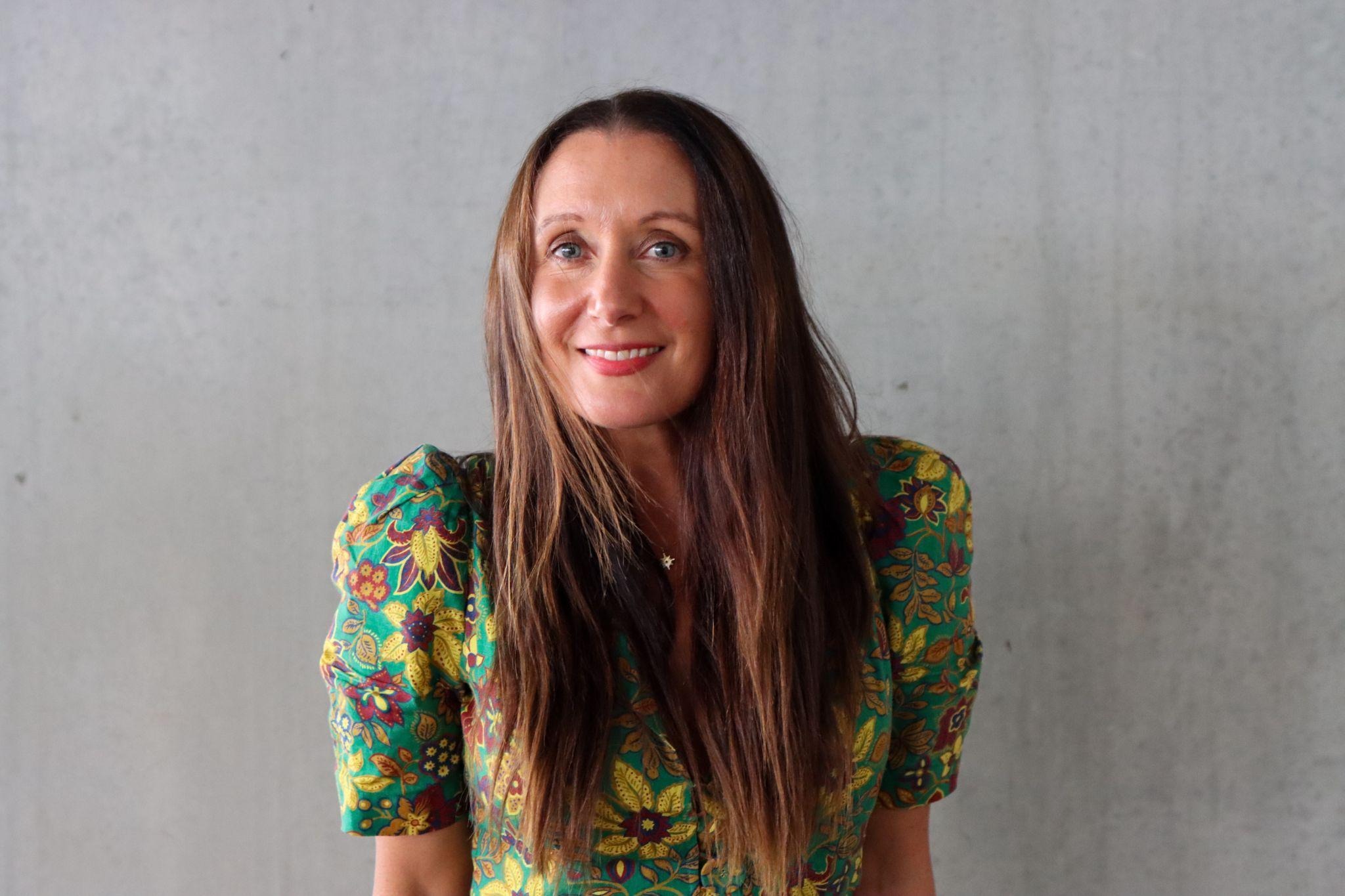
For Jo Ellice-Flint, that mindset shaped much of her entrepreneurial journey until life made continuing impossible.
As the founder of Madam Republic, Jo spent years helping businesses define who they were through thoughtful branding, storytelling and strategy. On the surface, the business was growing. Behind the scenes, however, she was operating in a way that many entrepreneurs know all too well: constantly pushing forward, sacrificing rest and believing that success demanded relentless effort.
Then came the moment that changed everything.
A breast cancer diagnosis brought the pace of life to an abrupt halt, forcing a level of reflection that years of busyness had never allowed. What initially felt like an unwelcome interruption would ultimately reshape not only her personal outlook but also the future direction of her business.
Rather than viewing that chapter solely through the lens of hardship, Jo now describes it as an unexpected turning point that challenged long-held assumptions about achievement, productivity and purpose.
When Success Comes at a Cost
Burnout has become an increasingly familiar conversation within the business community, particularly among founders who often carry the weight of strategy, leadership and growth simultaneously.
For Jo, the signs were there long before her diagnosis.
Like many business owners, she had become accustomed to late nights, constant availability, and placing the needs of clients and the business ahead of her own wellbeing. It was a cycle that felt productive, even necessary, until circumstances made it impossible to continue.
Stepping away was a decision life made on her behalf, and that experience prompted a fundamental question that many entrepreneurs rarely have time to ask: what if building a successful business didn’t have to come at the expense of building a meaningful life?
Building a Business with Greater Alignment
When Jo returned to work, she found herself approaching business through a very different lens.
She’d spent her time away creating more space – attending retreats, studying plant medicine, and treating wellness practice and fitness as non-negotiable rather than a luxury to fit in around everything else. Rather than focusing purely on external growth, she became increasingly interested in how founders and teams make decisions, communicate and operate when they’re genuinely aligned with their strengths.
That curiosity led her to Human Design, a framework that examines individual energy types, Authority (decision-making style), communication preferences and behavioural patterns. While it’s often discussed in personal development circles, Jo saw broader potential in applying its principles to leadership, branding and organisational strategy.
Today, that thinking has become part of Madam Republic’s evolving approach, complementing the agency’s established expertise in brand development and storytelling. Rather than treating branding as purely a creative or marketing exercise, the business is expanding its work to help organisations better understand the people behind their brands – both internally and externally.
The result is an approach that builds stronger businesses by creating greater alignment between purpose, leadership and communication.
Expanding Beyond Traditional Brand Strategy
Over the past 14 years, Madam Republic has grown from a branding agency into a business focused on creating meaningful experiences that bring people together.
Alongside strategy, creative development and storytelling, the company is now expanding into immersive retreats and workshops designed for founders, professionals and leadership teams.
These experiences aim to create space for the conversations that are often pushed aside during day-to-day business: purpose, decision-making, resilience and sustainable leadership.
Rather than positioning personal growth separately from professional success, Jo believes the two are deeply interconnected. It’s a philosophy that reflects her experience that businesses often evolve most powerfully when the people leading them do first.
Redefining What Growth Looks Like
Founder stories often celebrate milestones: funding rounds, expansion, awards and rapid growth. Jo’s journey offers a different perspective.
Her defining chapter wasn’t the launch of a company or a major business win, but the moment everything stopped.
Looking back, she doesn’t minimise the difficulty of burnout or a cancer diagnosis. Instead, she recognises them as experiences that fundamentally changed how she defines success.
Today, growth means creating a business that supports life rather than consumes it. It means building brands with greater intention, leading with authenticity, and helping others find alignment rather than simply chasing achievement.
For Jo Ellice-Flint, the greatest transformation wasn’t rebuilding a business after adversity, but rather discovering that sometimes the greatest opportunities emerge not despite life’s interruptions, but because of them.


For many founders, success is measured by momentum: more clients, bigger projects, longer hours, and the ability to keep going, no matter the personal cost, which is often worn as a badge of honour.
For Jo Ellice-Flint, that mindset shaped much of her entrepreneurial journey until life made continuing impossible.
As the founder of Madam Republic, Jo spent years helping businesses define who they were through thoughtful branding, storytelling and strategy. On the surface, the business was growing. Behind the scenes, however, she was operating in a way that many entrepreneurs know all too well: constantly pushing forward, sacrificing rest and believing that success demanded relentless effort.
Then came the moment that changed everything.
A breast cancer diagnosis brought the pace of life to an abrupt halt, forcing a level of reflection that years of busyness had never allowed. What initially felt like an unwelcome interruption would ultimately reshape not only her personal outlook but also the future direction of her business.
Rather than viewing that chapter solely through the lens of hardship, Jo now describes it as an unexpected turning point that challenged long-held assumptions about achievement, productivity and purpose.
When Success Comes at a Cost
Burnout has become an increasingly familiar conversation within the business community, particularly among founders who often carry the weight of strategy, leadership and growth simultaneously.
For Jo, the signs were there long before her diagnosis.
Like many business owners, she had become accustomed to late nights, constant availability, and placing the needs of clients and the business ahead of her own wellbeing. It was a cycle that felt productive, even necessary, until circumstances made it impossible to continue.
Stepping away was a decision life made on her behalf, and that experience prompted a fundamental question that many entrepreneurs rarely have time to ask: what if building a successful business didn’t have to come at the expense of building a meaningful life?
Building a Business with Greater Alignment
When Jo returned to work, she found herself approaching business through a very different lens.
She’d spent her time away creating more space – attending retreats, studying plant medicine, and treating wellness practice and fitness as non-negotiable rather than a luxury to fit in around everything else. Rather than focusing purely on external growth, she became increasingly interested in how founders and teams make decisions, communicate and operate when they’re genuinely aligned with their strengths.
That curiosity led her to Human Design, a framework that examines individual energy types, Authority (decision-making style), communication preferences and behavioural patterns. While it’s often discussed in personal development circles, Jo saw broader potential in applying its principles to leadership, branding and organisational strategy.
Today, that thinking has become part of Madam Republic’s evolving approach, complementing the agency’s established expertise in brand development and storytelling. Rather than treating branding as purely a creative or marketing exercise, the business is expanding its work to help organisations better understand the people behind their brands – both internally and externally.
The result is an approach that builds stronger businesses by creating greater alignment between purpose, leadership and communication.
Expanding Beyond Traditional Brand Strategy
Over the past 14 years, Madam Republic has grown from a branding agency into a business focused on creating meaningful experiences that bring people together.
Alongside strategy, creative development and storytelling, the company is now expanding into immersive retreats and workshops designed for founders, professionals and leadership teams.
These experiences aim to create space for the conversations that are often pushed aside during day-to-day business: purpose, decision-making, resilience and sustainable leadership.
Rather than positioning personal growth separately from professional success, Jo believes the two are deeply interconnected. It’s a philosophy that reflects her experience that businesses often evolve most powerfully when the people leading them do first.
Redefining What Growth Looks Like
Founder stories often celebrate milestones: funding rounds, expansion, awards and rapid growth. Jo’s journey offers a different perspective.
Her defining chapter wasn’t the launch of a company or a major business win, but the moment everything stopped.
Looking back, she doesn’t minimise the difficulty of burnout or a cancer diagnosis. Instead, she recognises them as experiences that fundamentally changed how she defines success.
Today, growth means creating a business that supports life rather than consumes it. It means building brands with greater intention, leading with authenticity, and helping others find alignment rather than simply chasing achievement.
For Jo Ellice-Flint, the greatest transformation wasn’t rebuilding a business after adversity, but rather discovering that sometimes the greatest opportunities emerge not despite life’s interruptions, but because of them.
Share this:
Like this: