Running a site efficiently usually comes down to a lot more than people just working hard. Really experienced teams can struggle if the actual setup of the site makes everything awkward from the beginning. For example, if tools are difficult to access, equipment’s in the wrong place, or workers are constantly having to stop and rethink how they’re going to approach certain jobs, the entire day can start feeling far more complicated than it should. With that in mind, let’s take a look at how you can be more efficient – keep reading to find out more.
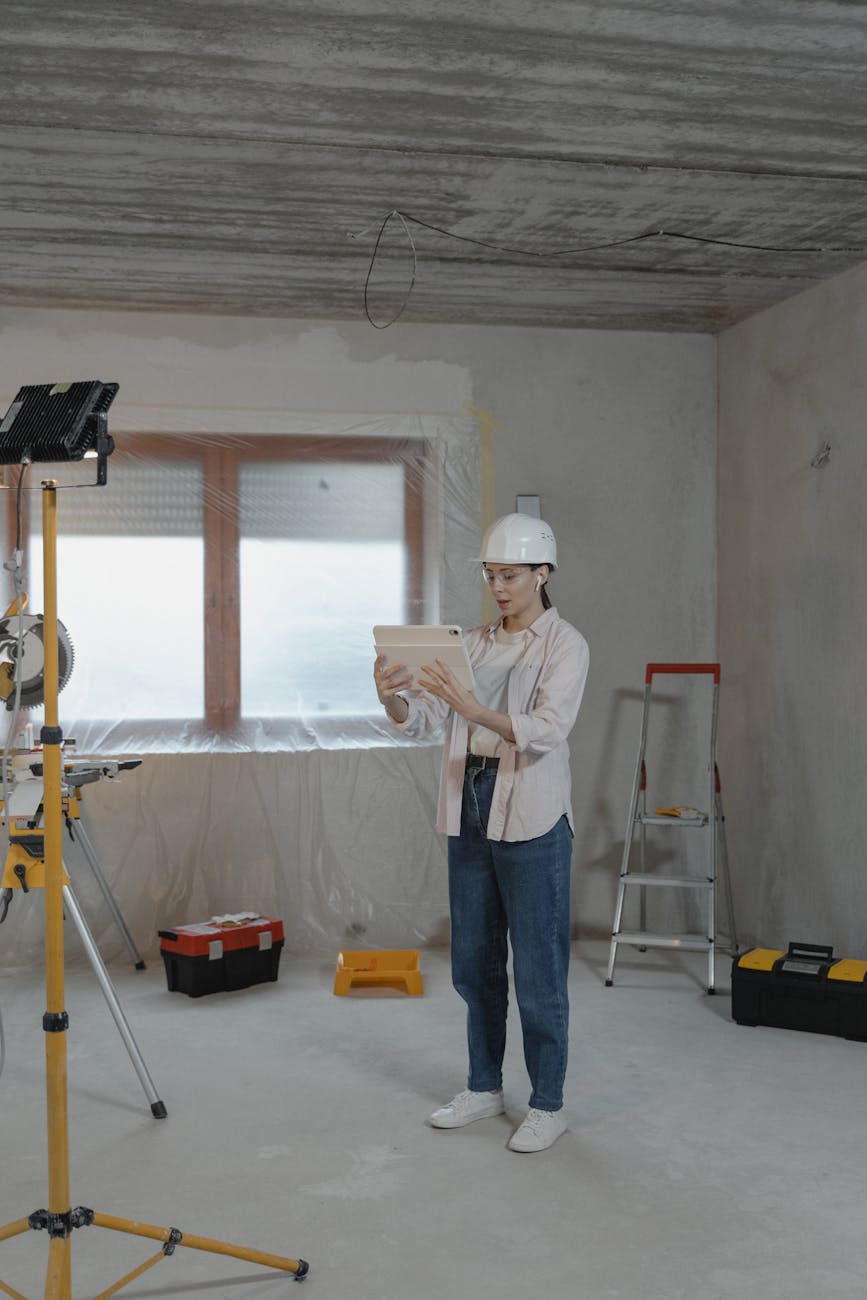
Photo by Kindel Media
Plan Jobs Properly Before Starting
One thing that helps a lot is making sure jobs are actually planned properly before people arrive on site because confusion wastes a massive amount of time. After all, if workers don’t know where equipment’s going, what order tasks are happening in, or who’s responsible for what, things usually become chaotic very quickly.
Just some basic planning can make a big difference because it means fewer delays, fewer mistakes, and far less standing around trying to work things out halfway through the day, so spending time of that first is going to save a lot of time later on, which means it has to be the right thing to do.
Use The Right Equipment
A lot of site work becomes harder than it needs to be when people try to manage without the proper equipment, and that’s especially true for jobs involving height because ladders and temporary solutions can slow everything down while also making work more difficult and less safe, and that’s not a combination anyone’s going to be happy dealing with.
That’s why a lot of businesses use access hire services because having the right equipment ready from the start usually helps jobs run much more smoothly, and whether it’s maintenance work, construction, electrical jobs, painting, or warehouse work, having proper access equipment often saves a huge amount of time and effort. On top of that, it could help with your insurance as well, depending on your policy and provider.
Keep The Site Organised
Busy sites can become messy very quickly, especially when multiple teams are working in the same space at once – tools get left everywhere, materials pile up, rubbish builds up during the day, and then you’ve got lots of people spending half their time moving things out of the way just to be able to do their work.
Keeping sites organised doesn’t need to mean everything looks perfect all the time either because usually it’s more about making sure people can actually move around safely and find what they need without constantly stopping to search for things.
Focus On Communication
A lot of delays on site happen simply because people aren’t communicating properly with each other, and that means that instructions get missed, plans change without everyone knowing, or teams end up duplicating work because nobody’s checked what’s already been done. In other words, it’s chaos, and not only that, but it’s time-consuming and potentially pretty expensive as well.
That’s why making sure you give and receive quick updates throughout the day can stop a lot of unnecessary problems before they turn into bigger issues that slow the entire job down.


Running a site efficiently usually comes down to a lot more than people just working hard. Really experienced teams can struggle if the actual setup of the site makes everything awkward from the beginning. For example, if tools are difficult to access, equipment’s in the wrong place, or workers are constantly having to stop and rethink how they’re going to approach certain jobs, the entire day can start feeling far more complicated than it should. With that in mind, let’s take a look at how you can be more efficient – keep reading to find out more.
Plan Jobs Properly Before Starting
One thing that helps a lot is making sure jobs are actually planned properly before people arrive on site because confusion wastes a massive amount of time. After all, if workers don’t know where equipment’s going, what order tasks are happening in, or who’s responsible for what, things usually become chaotic very quickly.
Just some basic planning can make a big difference because it means fewer delays, fewer mistakes, and far less standing around trying to work things out halfway through the day, so spending time of that first is going to save a lot of time later on, which means it has to be the right thing to do.
Use The Right Equipment
A lot of site work becomes harder than it needs to be when people try to manage without the proper equipment, and that’s especially true for jobs involving height because ladders and temporary solutions can slow everything down while also making work more difficult and less safe, and that’s not a combination anyone’s going to be happy dealing with.
That’s why a lot of businesses use access hire services because having the right equipment ready from the start usually helps jobs run much more smoothly, and whether it’s maintenance work, construction, electrical jobs, painting, or warehouse work, having proper access equipment often saves a huge amount of time and effort. On top of that, it could help with your insurance as well, depending on your policy and provider.
Keep The Site Organised
Busy sites can become messy very quickly, especially when multiple teams are working in the same space at once – tools get left everywhere, materials pile up, rubbish builds up during the day, and then you’ve got lots of people spending half their time moving things out of the way just to be able to do their work.
Keeping sites organised doesn’t need to mean everything looks perfect all the time either because usually it’s more about making sure people can actually move around safely and find what they need without constantly stopping to search for things.
Focus On Communication
A lot of delays on site happen simply because people aren’t communicating properly with each other, and that means that instructions get missed, plans change without everyone knowing, or teams end up duplicating work because nobody’s checked what’s already been done. In other words, it’s chaos, and not only that, but it’s time-consuming and potentially pretty expensive as well.
That’s why making sure you give and receive quick updates throughout the day can stop a lot of unnecessary problems before they turn into bigger issues that slow the entire job down.
Share this:
Like this: