Your custom wardrobe is one of the most deliberate investments you can make in your professional image. But even the best-fitted suit or tailored dress eventually stops serving you the way it once did. Whether your body has changed, your career has shifted, or your industry has quietly updated its standards, your wardrobe needs to keep pace. So, how often should professionals update their custom wardrobes? The answer depends on several factors, and this guide walks you through each one clearly and practically.
Why a Custom Wardrobe Isn’t a One-Time Investment
It’s easy to treat a custom wardrobe as a finished project. You invest in quality pieces, get the fit right, and feel confident. For a while, everything works. Over time, even the most carefully curated wardrobe begins to drift out of alignment with who you are professionally.
Custom clothing is built around a specific version of you at a specific moment in time. Your measurements, your role, your professional context, and your goals all inform what gets made. As those things shift, the wardrobe that once felt sharp can start to feel off, not dramatically, but noticeably. A jacket that fit perfectly two years ago may now pull at the shoulders. A color palette that matched your previous company culture may feel out of place in a new environment.
This is when many individuals prefer to have craftsmen. For example, Alan David Custom or other specialized boutiques that are tailored, not templated. A custom wardrobe is not a one-time purchase but an ongoing relationship between your clothing and your evolving professional identity. That relationship requires periodic attention. Professionals who update their custom wardrobe on a thoughtful schedule always look intentional, composed, and current, rather than like someone still wearing the clothes of a past version of themselves.
The goal is not constant spending. It is strategic refreshing, which keeps your image aligned with where you are now and where you want to go.
The Signals That Tell You It’s Time for an Update
Career Shifts, Body Changes, and Life Transitions
Some of the clearest signals come from within your own life. A promotion, a career pivot, or a move into a client-facing role all carry different visual expectations. If you recently stepped into a leadership position, your wardrobe should reflect that authority without you needing to say a word. Similarly, if you have transitioned out of a corporate role and into entrepreneurship or consulting, your previous wardrobe may not project the right image for the new context.
Body changes are equally significant. Even small shifts in weight, posture, or muscle tone affect how tailored clothing fits. A well-fitted suit should follow your body cleanly. If yours has started to look baggy, tight across certain areas, or misaligned at the shoulders, that is a direct signal. Life transitions such as pregnancy, post-surgery recovery, or even age-related changes in posture all deserve a proper wardrobe reassessment rather than a forced continuation of ill-fitting pieces.
Many stylists recommend mixing contemporary wardrobe staples with pieces that have a sense of history and character. This is one reason vintage designer handbags online continue to attract attention from fashion enthusiasts, as they can add depth, individuality, and a distinctive finishing touch to modern outfits.
Photo by Thirdman
When Your Style or Industry Standards Have Evolved
Professional dress codes shift over time. Some industries have moved toward business casual or smart-casual as the default, while others have maintained or even reinforced formal expectations. If your wardrobe reflects the standards of five years ago, it may quietly communicate that you are behind the curve, even if your work says otherwise.
Beyond industry norms, personal style evolves too. You may have developed a clearer sense of what colors, silhouettes, and fabrics work best for your frame and personality. Holding onto older custom pieces that no longer reflect your aesthetic can dilute the impact of the newer, better pieces in your wardrobe. A targeted refresh lets you build a cohesive set that tells a consistent professional story.
Recommended Update Frequency by Professional Context
There is no universal answer, but there are useful general benchmarks based on professional context.
For professionals in highly visible roles, such as executives, attorneys, finance professionals, or public speakers, a wardrobe review every 12 to 18 months makes practical sense. These roles place a premium on appearance, and even small inconsistencies in fit or style can affect how others perceive your authority and credibility.
For professionals in moderately formal environments, a review every 18 to 24 months is reasonable. This applies to consultants, senior managers, educators, or anyone in a client-facing role where professional dress is expected but not under constant scrutiny.
For professionals in creative or casual-leaning industries, the timeline can stretch to every two to three years, provided the core pieces still fit and feel current. But, even in less formal environments, if your role or responsibilities have changed significantly, an earlier review is worthwhile.
Beyond these general timelines, certain life events should trigger an immediate reassessment regardless of schedule. A new job, a major body change, an important speaking engagement, or a shift in the professional image you want to project are all valid reasons to revisit your wardrobe outside of a regular cycle.
How to Approach Each Level of Wardrobe Refresh
Not every update requires a full rebuild. A wardrobe refresh can happen at several levels, and knowing which level you need saves both time and money.
A minor refresh involves updating accessories, shirts, or ties while keeping your core tailored pieces. This works well if your suits and jackets still fit correctly and look current, but the smaller details feel dated or worn.
A partial refresh means replacing one or two key pieces, perhaps a suit that no longer fits well or a blazer that has seen better days, while retaining the rest of your wardrobe. This approach is effective after moderate body changes or a modest shift in your professional environment.
A full reassessment is necessary after significant life transitions, major body changes, or a complete shift in professional context. Rather than salvaging pieces that no longer serve you, you start from a clearer foundation and build pieces that reflect exactly where you are now.
Regardless of the level, the process works best with a clear inventory. Before any appointment with your tailor, lay out what you own, identify what still fits and works, and note what feels off or outdated. That clarity makes the conversation more productive and the result more precise. A good tailor will also help you identify what can be altered versus what needs to be replaced, which often reveals options you might not have considered on your own.
Conclusion
Your custom wardrobe should grow with you, not stay frozen at a single point in your career. For most professionals, a thoughtful review every one to two years, combined with prompt attention after major life changes, keeps your image sharp and intentional. The goal is not a perfect wardrobe built once, but a working wardrobe that consistently reflects the professional you are today.


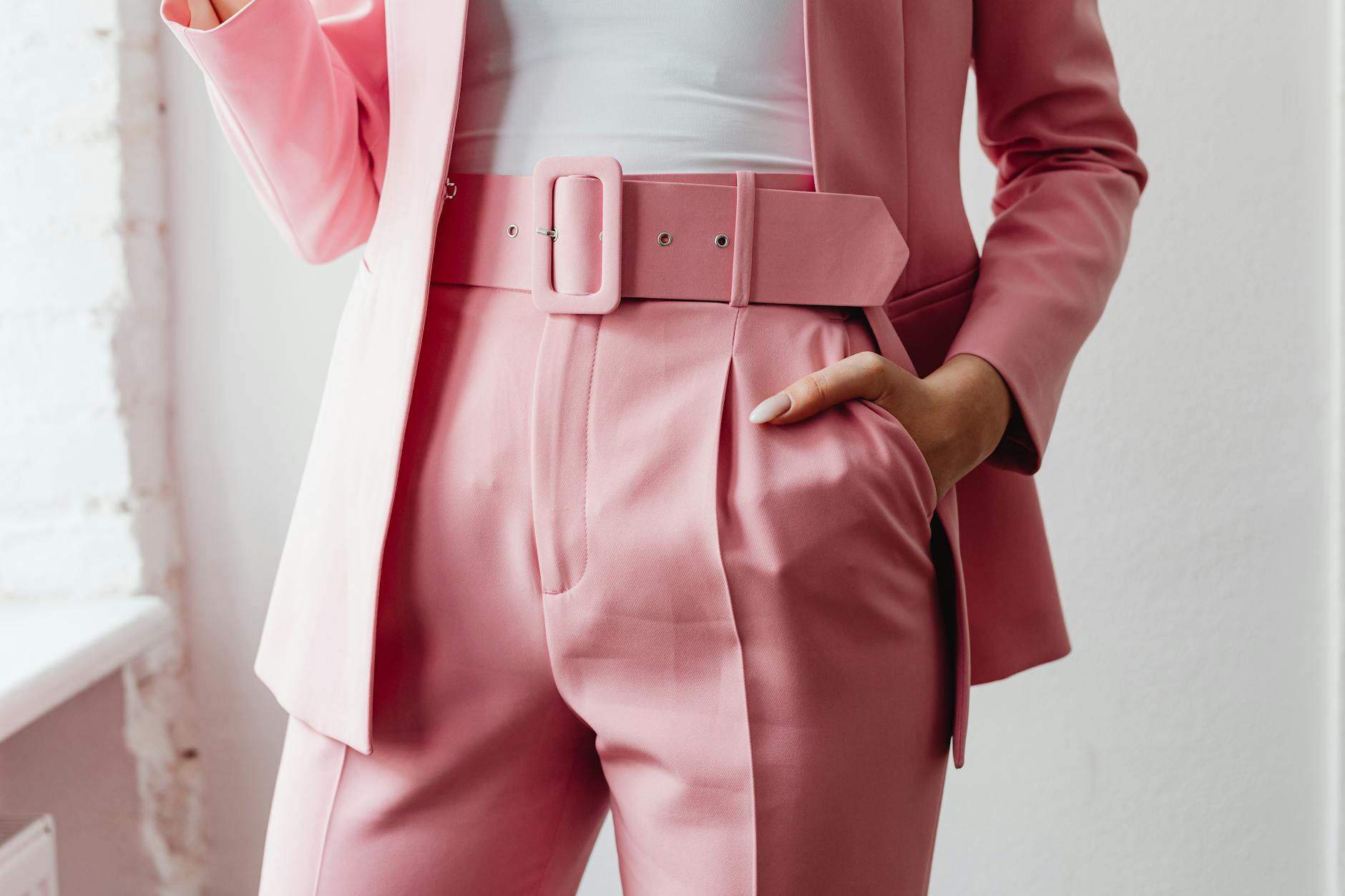
Your custom wardrobe is one of the most deliberate investments you can make in your professional image. But even the best-fitted suit or tailored dress eventually stops serving you the way it once did. Whether your body has changed, your career has shifted, or your industry has quietly updated its standards, your wardrobe needs to keep pace. So, how often should professionals update their custom wardrobes? The answer depends on several factors, and this guide walks you through each one clearly and practically.
Why a Custom Wardrobe Isn’t a One-Time Investment
It’s easy to treat a custom wardrobe as a finished project. You invest in quality pieces, get the fit right, and feel confident. For a while, everything works. Over time, even the most carefully curated wardrobe begins to drift out of alignment with who you are professionally.
Custom clothing is built around a specific version of you at a specific moment in time. Your measurements, your role, your professional context, and your goals all inform what gets made. As those things shift, the wardrobe that once felt sharp can start to feel off, not dramatically, but noticeably. A jacket that fit perfectly two years ago may now pull at the shoulders. A color palette that matched your previous company culture may feel out of place in a new environment.
This is when many individuals prefer to have craftsmen. For example, Alan David Custom or other specialized boutiques that are tailored, not templated. A custom wardrobe is not a one-time purchase but an ongoing relationship between your clothing and your evolving professional identity. That relationship requires periodic attention. Professionals who update their custom wardrobe on a thoughtful schedule always look intentional, composed, and current, rather than like someone still wearing the clothes of a past version of themselves.
The goal is not constant spending. It is strategic refreshing, which keeps your image aligned with where you are now and where you want to go.
The Signals That Tell You It’s Time for an Update
Career Shifts, Body Changes, and Life Transitions
Some of the clearest signals come from within your own life. A promotion, a career pivot, or a move into a client-facing role all carry different visual expectations. If you recently stepped into a leadership position, your wardrobe should reflect that authority without you needing to say a word. Similarly, if you have transitioned out of a corporate role and into entrepreneurship or consulting, your previous wardrobe may not project the right image for the new context.
Body changes are equally significant. Even small shifts in weight, posture, or muscle tone affect how tailored clothing fits. A well-fitted suit should follow your body cleanly. If yours has started to look baggy, tight across certain areas, or misaligned at the shoulders, that is a direct signal. Life transitions such as pregnancy, post-surgery recovery, or even age-related changes in posture all deserve a proper wardrobe reassessment rather than a forced continuation of ill-fitting pieces.
Many stylists recommend mixing contemporary wardrobe staples with pieces that have a sense of history and character. This is one reason vintage designer handbags online continue to attract attention from fashion enthusiasts, as they can add depth, individuality, and a distinctive finishing touch to modern outfits.
When Your Style or Industry Standards Have Evolved
Professional dress codes shift over time. Some industries have moved toward business casual or smart-casual as the default, while others have maintained or even reinforced formal expectations. If your wardrobe reflects the standards of five years ago, it may quietly communicate that you are behind the curve, even if your work says otherwise.
Beyond industry norms, personal style evolves too. You may have developed a clearer sense of what colors, silhouettes, and fabrics work best for your frame and personality. Holding onto older custom pieces that no longer reflect your aesthetic can dilute the impact of the newer, better pieces in your wardrobe. A targeted refresh lets you build a cohesive set that tells a consistent professional story.
Recommended Update Frequency by Professional Context
There is no universal answer, but there are useful general benchmarks based on professional context.
For professionals in highly visible roles, such as executives, attorneys, finance professionals, or public speakers, a wardrobe review every 12 to 18 months makes practical sense. These roles place a premium on appearance, and even small inconsistencies in fit or style can affect how others perceive your authority and credibility.
For professionals in moderately formal environments, a review every 18 to 24 months is reasonable. This applies to consultants, senior managers, educators, or anyone in a client-facing role where professional dress is expected but not under constant scrutiny.
For professionals in creative or casual-leaning industries, the timeline can stretch to every two to three years, provided the core pieces still fit and feel current. But, even in less formal environments, if your role or responsibilities have changed significantly, an earlier review is worthwhile.
Beyond these general timelines, certain life events should trigger an immediate reassessment regardless of schedule. A new job, a major body change, an important speaking engagement, or a shift in the professional image you want to project are all valid reasons to revisit your wardrobe outside of a regular cycle.
How to Approach Each Level of Wardrobe Refresh
Not every update requires a full rebuild. A wardrobe refresh can happen at several levels, and knowing which level you need saves both time and money.
A minor refresh involves updating accessories, shirts, or ties while keeping your core tailored pieces. This works well if your suits and jackets still fit correctly and look current, but the smaller details feel dated or worn.
A partial refresh means replacing one or two key pieces, perhaps a suit that no longer fits well or a blazer that has seen better days, while retaining the rest of your wardrobe. This approach is effective after moderate body changes or a modest shift in your professional environment.
A full reassessment is necessary after significant life transitions, major body changes, or a complete shift in professional context. Rather than salvaging pieces that no longer serve you, you start from a clearer foundation and build pieces that reflect exactly where you are now.
Regardless of the level, the process works best with a clear inventory. Before any appointment with your tailor, lay out what you own, identify what still fits and works, and note what feels off or outdated. That clarity makes the conversation more productive and the result more precise. A good tailor will also help you identify what can be altered versus what needs to be replaced, which often reveals options you might not have considered on your own.
Conclusion
Your custom wardrobe should grow with you, not stay frozen at a single point in your career. For most professionals, a thoughtful review every one to two years, combined with prompt attention after major life changes, keeps your image sharp and intentional. The goal is not a perfect wardrobe built once, but a working wardrobe that consistently reflects the professional you are today.
Share this:
Like this: