There’s a persistent myth that rhinoplasty is about creating a “perfect” nose, some idealized shape lifted from a magazine. In reality, the best rhinoplasty results have almost nothing to do with a universal ideal and everything to do with how the nose relates to the rest of your face. San Jose patients researching this procedure are often surprised to learn that the goal isn’t a different nose entirely, it’s one that finally looks like it belongs where it is.
The research backs up why this distinction matters so much. A study published in Archives of Facial Plastic Surgery, indexed on PubMed, examined 100 rhinoplasty patients and found that the number of faces perceived as symmetrical by observers rose from 42 percent before surgery to 62 percent after (p<0.001). That’s a real, measurable shift in how the entire face was perceived, not just the nose itself, which is exactly the point.
Why Harmony Matters More Than a “Perfect” Nose
The nose sits at the center of the face, which means it inevitably shapes how every other feature reads. A nose that’s too large, too narrow, or misaligned relative to the eyes, chin, and cheeks can throw off the overall balance, even if each individual feature is objectively attractive on its own. Rhinoplasty done well isn’t about optimizing the nose in isolation, it’s about adjusting it just enough to restore that sense of balance across the whole face.
This is part of why surgeons trained in facial harmony often talk about proportion and angle relationships, like how the nose relates to the forehead, lips, and chin, rather than fixating on the nose as a standalone feature. A change that looks dramatic on the nose alone can end up looking remarkably subtle once it’s seen in the context of the full face.
What “Overdone” Actually Looks Like, and Why It Happens
An overdone rhinoplasty usually isn’t the result of too much change, it’s the result of change that ignores the rest of the face. A nose that’s been narrowed or reshaped without accounting for the patient’s actual bone structure, skin thickness, or ethnic features tends to look disconnected, noticeable in the wrong way, rather than balanced.
This is often what people are actually reacting to when they describe a rhinoplasty as looking “fake,” not the size of the change itself, but the mismatch between the new nose and everything around it.
How Modern Rhinoplasty Avoids This
A few principles consistently separate natural-looking results from overdone ones:
Preserving individual and ethnic characteristics rather than applying one universal aesthetic template to every patient
Evaluating the nose in the context of the full face, not as an isolated feature to be perfected on its own
Making conservative, precise adjustments rather than dramatic changes that draw attention to the nose itself
Accounting for skin thickness and healing patterns, since these affect how refined the final result can realistically look
This is really the difference between a surgeon focused on facial harmony and one focused purely on nasal aesthetics in isolation.
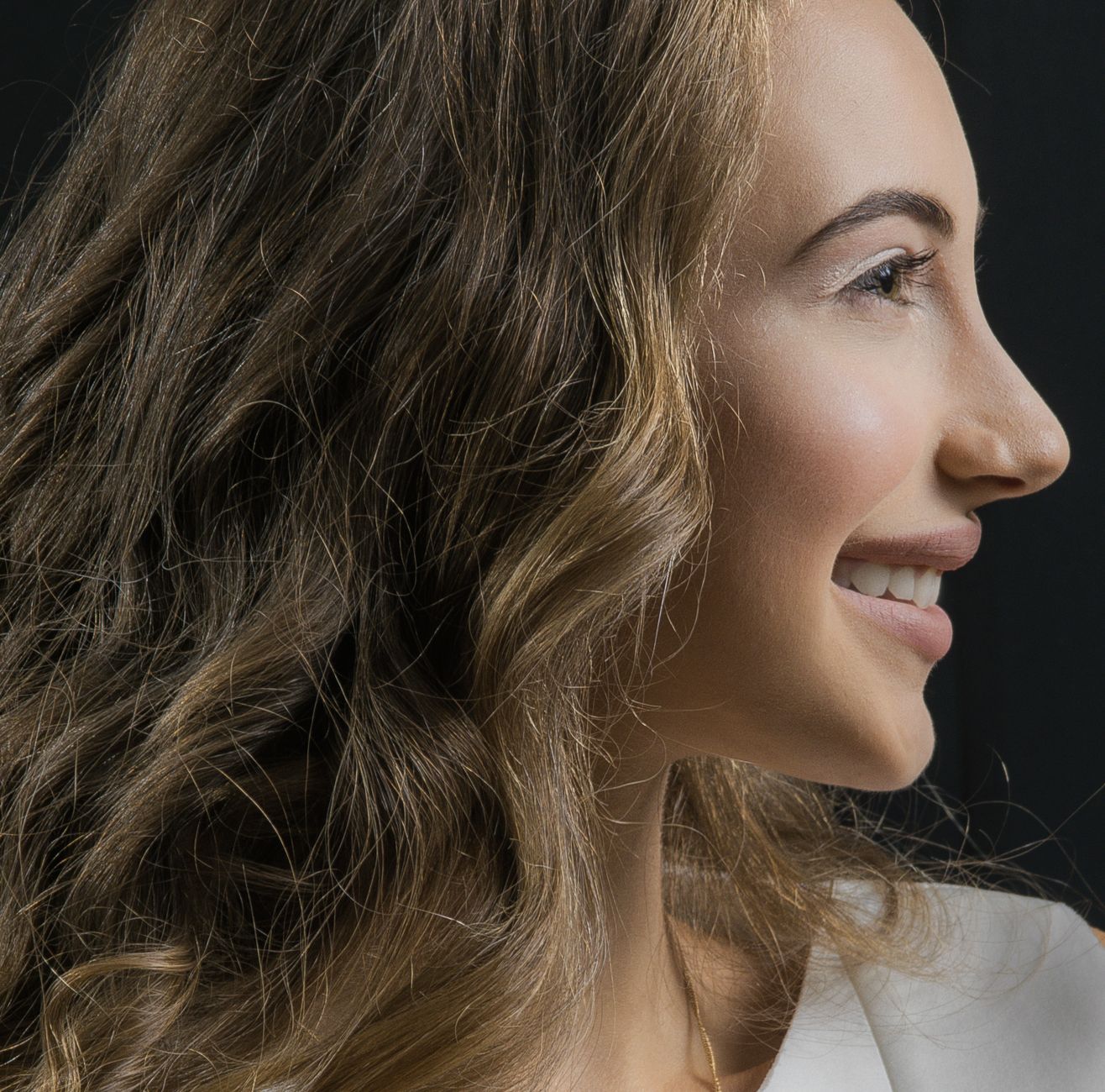
Photo by Alexander Krivitskiy
Finding a Surgeon Who Prioritizes This Approach
Because rhinoplasty is widely considered one of the most technically demanding procedures in facial plastic surgery, the surgeon’s specific philosophy matters enormously. Anyone researching rhinoplasty in San Jose should ask directly how a surgeon thinks about facial balance, not just nasal shape, during the consultation.
That question tends to reveal a lot fast. Cheng Plastic Surgery sums up its own approach simply, aiming for results so natural that no one knows work was done, but people notice something looks different, which lines up closely with the harmony-focused outcomes the research above points to.
What to Expect During Recovery
Because rhinoplasty reshapes both cartilage and, in some cases, bone, the timeline for seeing final results is longer than most people expect. Initial swelling and bruising typically resolve within one to two weeks, enough to comfortably return to normal routines, but the nose continues to refine its shape gradually over several months, with final results often not fully settling for up to a year.
This gradual settling is part of why a rhinoplasty that looks slightly different in the first few weeks can end up looking completely natural and proportionate once healing is complete. Patients who understand this timeline going in tend to feel far more confident during the early recovery period, rather than judging results before the nose has finished healing.
Conclusion
Rhinoplasty’s real value isn’t in creating a flawless, standalone nose, it’s in restoring balance to a face where the nose has been pulling focus in the wrong direction. The research is clear that well-executed rhinoplasty improves how the entire face is perceived, not just the nose itself, which is exactly why the best results tend to go unnoticed as surgery and simply read as a more harmonious face.
If you’re considering rhinoplasty, the most useful question to bring to a consultation isn’t “what nose do I want,” it’s “what nose actually belongs on my face.”


There’s a persistent myth that rhinoplasty is about creating a “perfect” nose, some idealized shape lifted from a magazine. In reality, the best rhinoplasty results have almost nothing to do with a universal ideal and everything to do with how the nose relates to the rest of your face. San Jose patients researching this procedure are often surprised to learn that the goal isn’t a different nose entirely, it’s one that finally looks like it belongs where it is.
The research backs up why this distinction matters so much. A study published in Archives of Facial Plastic Surgery, indexed on PubMed, examined 100 rhinoplasty patients and found that the number of faces perceived as symmetrical by observers rose from 42 percent before surgery to 62 percent after (p<0.001). That’s a real, measurable shift in how the entire face was perceived, not just the nose itself, which is exactly the point.
Why Harmony Matters More Than a “Perfect” Nose
The nose sits at the center of the face, which means it inevitably shapes how every other feature reads. A nose that’s too large, too narrow, or misaligned relative to the eyes, chin, and cheeks can throw off the overall balance, even if each individual feature is objectively attractive on its own. Rhinoplasty done well isn’t about optimizing the nose in isolation, it’s about adjusting it just enough to restore that sense of balance across the whole face.
This is part of why surgeons trained in facial harmony often talk about proportion and angle relationships, like how the nose relates to the forehead, lips, and chin, rather than fixating on the nose as a standalone feature. A change that looks dramatic on the nose alone can end up looking remarkably subtle once it’s seen in the context of the full face.
What “Overdone” Actually Looks Like, and Why It Happens
An overdone rhinoplasty usually isn’t the result of too much change, it’s the result of change that ignores the rest of the face. A nose that’s been narrowed or reshaped without accounting for the patient’s actual bone structure, skin thickness, or ethnic features tends to look disconnected, noticeable in the wrong way, rather than balanced.
This is often what people are actually reacting to when they describe a rhinoplasty as looking “fake,” not the size of the change itself, but the mismatch between the new nose and everything around it.
How Modern Rhinoplasty Avoids This
A few principles consistently separate natural-looking results from overdone ones:
This is really the difference between a surgeon focused on facial harmony and one focused purely on nasal aesthetics in isolation.
Finding a Surgeon Who Prioritizes This Approach
Because rhinoplasty is widely considered one of the most technically demanding procedures in facial plastic surgery, the surgeon’s specific philosophy matters enormously. Anyone researching rhinoplasty in San Jose should ask directly how a surgeon thinks about facial balance, not just nasal shape, during the consultation.
That question tends to reveal a lot fast. Cheng Plastic Surgery sums up its own approach simply, aiming for results so natural that no one knows work was done, but people notice something looks different, which lines up closely with the harmony-focused outcomes the research above points to.
What to Expect During Recovery
Because rhinoplasty reshapes both cartilage and, in some cases, bone, the timeline for seeing final results is longer than most people expect. Initial swelling and bruising typically resolve within one to two weeks, enough to comfortably return to normal routines, but the nose continues to refine its shape gradually over several months, with final results often not fully settling for up to a year.
This gradual settling is part of why a rhinoplasty that looks slightly different in the first few weeks can end up looking completely natural and proportionate once healing is complete. Patients who understand this timeline going in tend to feel far more confident during the early recovery period, rather than judging results before the nose has finished healing.
Conclusion
Rhinoplasty’s real value isn’t in creating a flawless, standalone nose, it’s in restoring balance to a face where the nose has been pulling focus in the wrong direction. The research is clear that well-executed rhinoplasty improves how the entire face is perceived, not just the nose itself, which is exactly why the best results tend to go unnoticed as surgery and simply read as a more harmonious face.
If you’re considering rhinoplasty, the most useful question to bring to a consultation isn’t “what nose do I want,” it’s “what nose actually belongs on my face.”
Share this:
Like this: