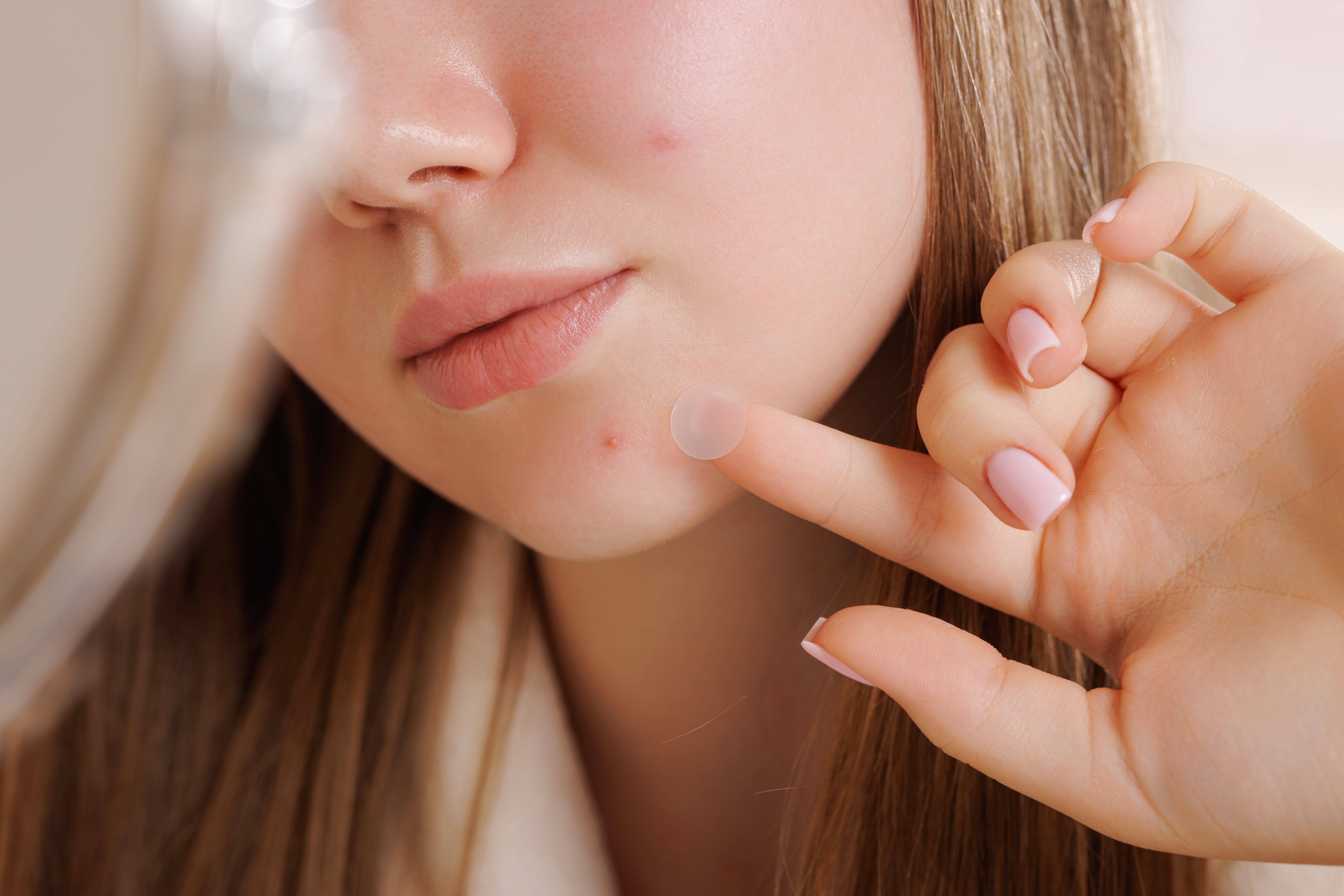
If you’re trying to deal with acne, the sheer number of products, opinions, and “miracle” fixes can get ridiculous fast. One person swears by pimple patches, another blames dairy, and your feed keeps serving flawless skin at 2 a.m. In a place like New York, where stress, pollution, humidity, and rushed schedules collide, your skin can end up reacting to more than just hormones. A better routine starts with knowing what actually affects breakouts.
Know what kind of acne you’re actually dealing with
Not all acne behaves the same way, which means your routine shouldn’t be a random pile of trendy products. You might have whiteheads and blackheads, which are non-inflammatory. Or you could be dealing with papules, pustules, nodules, or cysts, which usually involve more redness, pain, and risk of scarring.
Acne also tends to show patterns. Forehead breakouts can be linked to hair products or sweat. Chin and jawline acne often show up around hormonal changes. Tiny bumps across the face may point to irritation, clogged pores, or overuse of active ingredients.
A useful first step is simple: look at your skin in daylight for a week and note where breakouts appear, how long they last, and whether they hurt. That beats guessing and buying another “holy grail” cleanser that ends up banished to the back of your cabinet.
Photo by Ron Lach
Know when professional treatment makes more sense
Sometimes over-the-counter products aren’t enough, especially if your acne is painful, deep, widespread, or leaving scars. At that point, professional care can be less about vanity and more about preventing long-term skin damage.
If you’ve tried a solid routine and your skin still isn’t improving, it may be time to look into professional treatment. Thankfully, when it comes to acne treatment New York has some great clinics that can assess your skin and recommend appropriate treatment options. These can include prescription topicals, oral medications, chemical peels, extractions, or other targeted treatments based on the type of acne you have.
This matters even more in a city like New York, where environmental stressors such as pollution, frequent commuting, and seasonal weather swings can aggravate sensitive or acne-prone skin. A tailored treatment plan tends to outperform random product hopping, which is expensive and usually frustrating.
Strip your routine down before you build it back up
When your skin is breaking out, the instinct is to attack it from every angle. Cleanser, scrub, toner, serum, spot treatment, mask, peel. That strategy often backfires. Irritated skin can produce more oil, become inflamed, and make pimples look angrier than they already were.
Start with a basic routine for two to three weeks:
– A gentle cleanser
– A non-comedogenic moisturizer
– A broad-spectrum sunscreen
– One acne treatment ingredient
That’s it. No exfoliating brush, no ten-step experiment, no chemistry-lab energy in your bathroom. If your skin calms down, you’ve created a stable baseline.
Products labeled “oil-free” or “for acne-prone skin” can help, but labels aren’t magic. Texture, fragrance, and ingredient strength matter more than marketing. If your face feels tight, stings constantly, or becomes flaky and shiny at the same time, your skin barrier may be getting roughed up.
Learn which ingredients do what
Acne products often sound impressive while saying very little. You’ll save time and money if you know the short version of what common ingredients actually do.
– **Salicylic acid** helps clear pores and works well for blackheads and whiteheads.
– **Benzoyl peroxide** reduces acne-causing bacteria and can help inflamed pimples.
– **Adapalene** is a retinoid that supports cell turnover and can prevent clogged pores.
– **Azelaic acid** may help with acne and post-inflammatory marks.
– **Niacinamide** can support oil control and calm irritation.
You do not need all of them at once. In fact, using too many actives together can turn your face into a complaint department.
If you’re unsure where to start, one active ingredient used consistently is usually more useful than four used inconsistently. Give a product enough time to work. Many acne ingredients need six to twelve weeks before you can judge results fairly.
Photo by KoolShooters
Pay attention to the habits around your skin
Skincare matters, but daily habits often keep breakouts going in quiet, annoying ways. If your cheek acne never improves, your phone screen, pillowcase, or habit of resting your face on your hand could be part of the story.
A few real-world acne triggers include:
– Sweat sitting on skin after workouts
– Heavy hair products touching your forehead
– Picking at spots, which increases inflammation and marks
– Tight hats or helmets causing friction
– Makeup brushes that haven’t been washed in ages
– Stress and inconsistent sleep
Food can play a role for some people, but it’s rarely as simple as one slice of pizza causing chaos by morning. If you suspect dietary triggers, track patterns instead of making dramatic cuts based on internet folklore.
Acne also affects confidence, which often gets brushed aside. If breakouts make you avoid photos, cancel plans, or fixate on mirrors, that impact is real and worth taking seriously.
Be careful with trends, especially the viral ones
Social media has made skincare more accessible, but it has also made bad advice weirdly glamorous. If a creator tells you to use lemon juice, toothpaste, or a harsh scrub on active acne, close the app and protect your skin barrier like it pays rent.
Even popular ingredients can be used poorly. Layering exfoliating acids with retinoids every night might look advanced, but your skin may interpret it as a personal attack. DIY hacks often skip important details like skin type, concentration, and how often a product should be used.
A better filter for skincare trends:
– Does it match your skin concern?
– Is the ingredient supported by dermatology sources?
– Is the person recommending it selling panic or giving balanced advice?
– Can your skin tolerate it with the rest of your routine?
Boring advice tends to work better than flashy advice. That’s not exciting, but clear skin rarely comes from chaos.
Think beyond clearing pimples and focus on skin health
A good acne routine is not just about getting rid of what’s there today. It’s also about reducing future breakouts, preventing scars, and keeping your skin functional instead of inflamed and exhausted.
That means protecting your barrier, wearing sunscreen, and not treating every blemish like an emergency. Post-acne marks can linger for months, especially if you pick or skip sun protection. In many cases, the mark left behind becomes more frustrating than the pimple itself.
Try to measure progress realistically. Fewer painful breakouts, faster healing, less redness, and smoother texture all count as improvement. Perfect skin is a marketing concept, not a baseline for real life.
If you stay consistent, choose ingredients with a purpose, and get help when needed, you’ll put yourself in a much stronger position than someone chasing every new product drop. Your skin usually responds better to patience than punishment.


If you’re trying to deal with acne, the sheer number of products, opinions, and “miracle” fixes can get ridiculous fast. One person swears by pimple patches, another blames dairy, and your feed keeps serving flawless skin at 2 a.m. In a place like New York, where stress, pollution, humidity, and rushed schedules collide, your skin can end up reacting to more than just hormones. A better routine starts with knowing what actually affects breakouts.
Know what kind of acne you’re actually dealing with
Not all acne behaves the same way, which means your routine shouldn’t be a random pile of trendy products. You might have whiteheads and blackheads, which are non-inflammatory. Or you could be dealing with papules, pustules, nodules, or cysts, which usually involve more redness, pain, and risk of scarring.
Acne also tends to show patterns. Forehead breakouts can be linked to hair products or sweat. Chin and jawline acne often show up around hormonal changes. Tiny bumps across the face may point to irritation, clogged pores, or overuse of active ingredients.
A useful first step is simple: look at your skin in daylight for a week and note where breakouts appear, how long they last, and whether they hurt. That beats guessing and buying another “holy grail” cleanser that ends up banished to the back of your cabinet.
Know when professional treatment makes more sense
Sometimes over-the-counter products aren’t enough, especially if your acne is painful, deep, widespread, or leaving scars. At that point, professional care can be less about vanity and more about preventing long-term skin damage.
If you’ve tried a solid routine and your skin still isn’t improving, it may be time to look into professional treatment. Thankfully, when it comes to acne treatment New York has some great clinics that can assess your skin and recommend appropriate treatment options. These can include prescription topicals, oral medications, chemical peels, extractions, or other targeted treatments based on the type of acne you have.
This matters even more in a city like New York, where environmental stressors such as pollution, frequent commuting, and seasonal weather swings can aggravate sensitive or acne-prone skin. A tailored treatment plan tends to outperform random product hopping, which is expensive and usually frustrating.
Strip your routine down before you build it back up
When your skin is breaking out, the instinct is to attack it from every angle. Cleanser, scrub, toner, serum, spot treatment, mask, peel. That strategy often backfires. Irritated skin can produce more oil, become inflamed, and make pimples look angrier than they already were.
Start with a basic routine for two to three weeks:
– A gentle cleanser
– A non-comedogenic moisturizer
– A broad-spectrum sunscreen
– One acne treatment ingredient
That’s it. No exfoliating brush, no ten-step experiment, no chemistry-lab energy in your bathroom. If your skin calms down, you’ve created a stable baseline.
Products labeled “oil-free” or “for acne-prone skin” can help, but labels aren’t magic. Texture, fragrance, and ingredient strength matter more than marketing. If your face feels tight, stings constantly, or becomes flaky and shiny at the same time, your skin barrier may be getting roughed up.
Learn which ingredients do what
Acne products often sound impressive while saying very little. You’ll save time and money if you know the short version of what common ingredients actually do.
– **Salicylic acid** helps clear pores and works well for blackheads and whiteheads.
– **Benzoyl peroxide** reduces acne-causing bacteria and can help inflamed pimples.
– **Adapalene** is a retinoid that supports cell turnover and can prevent clogged pores.
– **Azelaic acid** may help with acne and post-inflammatory marks.
– **Niacinamide** can support oil control and calm irritation.
You do not need all of them at once. In fact, using too many actives together can turn your face into a complaint department.
If you’re unsure where to start, one active ingredient used consistently is usually more useful than four used inconsistently. Give a product enough time to work. Many acne ingredients need six to twelve weeks before you can judge results fairly.
Pay attention to the habits around your skin
Skincare matters, but daily habits often keep breakouts going in quiet, annoying ways. If your cheek acne never improves, your phone screen, pillowcase, or habit of resting your face on your hand could be part of the story.
A few real-world acne triggers include:
– Sweat sitting on skin after workouts
– Heavy hair products touching your forehead
– Picking at spots, which increases inflammation and marks
– Tight hats or helmets causing friction
– Makeup brushes that haven’t been washed in ages
– Stress and inconsistent sleep
Food can play a role for some people, but it’s rarely as simple as one slice of pizza causing chaos by morning. If you suspect dietary triggers, track patterns instead of making dramatic cuts based on internet folklore.
Acne also affects confidence, which often gets brushed aside. If breakouts make you avoid photos, cancel plans, or fixate on mirrors, that impact is real and worth taking seriously.
Be careful with trends, especially the viral ones
Social media has made skincare more accessible, but it has also made bad advice weirdly glamorous. If a creator tells you to use lemon juice, toothpaste, or a harsh scrub on active acne, close the app and protect your skin barrier like it pays rent.
Even popular ingredients can be used poorly. Layering exfoliating acids with retinoids every night might look advanced, but your skin may interpret it as a personal attack. DIY hacks often skip important details like skin type, concentration, and how often a product should be used.
A better filter for skincare trends:
– Does it match your skin concern?
– Is the ingredient supported by dermatology sources?
– Is the person recommending it selling panic or giving balanced advice?
– Can your skin tolerate it with the rest of your routine?
Boring advice tends to work better than flashy advice. That’s not exciting, but clear skin rarely comes from chaos.
Think beyond clearing pimples and focus on skin health
A good acne routine is not just about getting rid of what’s there today. It’s also about reducing future breakouts, preventing scars, and keeping your skin functional instead of inflamed and exhausted.
That means protecting your barrier, wearing sunscreen, and not treating every blemish like an emergency. Post-acne marks can linger for months, especially if you pick or skip sun protection. In many cases, the mark left behind becomes more frustrating than the pimple itself.
Try to measure progress realistically. Fewer painful breakouts, faster healing, less redness, and smoother texture all count as improvement. Perfect skin is a marketing concept, not a baseline for real life.
If you stay consistent, choose ingredients with a purpose, and get help when needed, you’ll put yourself in a much stronger position than someone chasing every new product drop. Your skin usually responds better to patience than punishment.
Share this:
Like this: