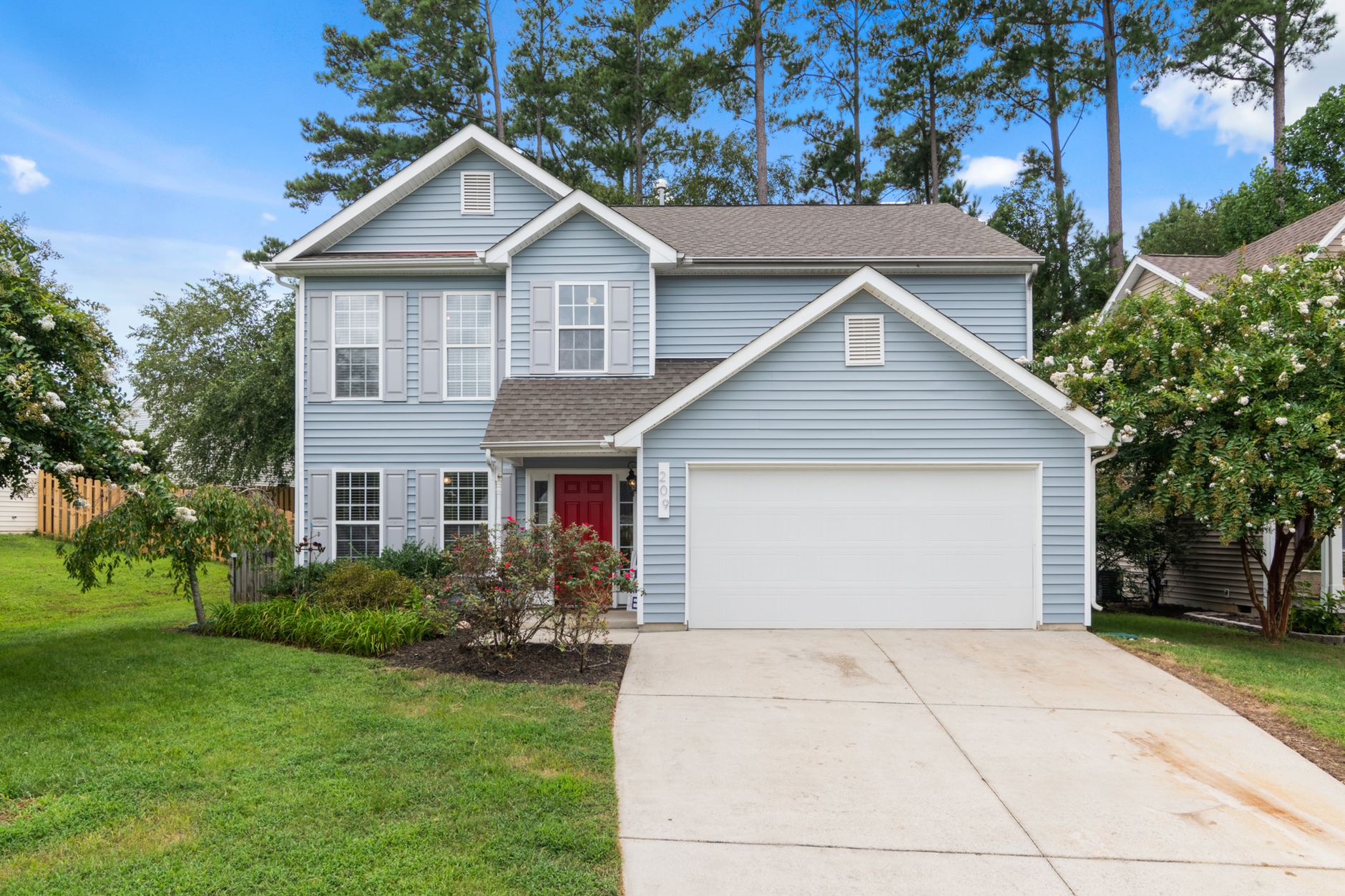
A garage door takes up a big part of your home’s front view, so it does more than open and close. It shapes curb appeal, affects comfort, and plays a role in security. If you are thinking about replacing an old door or choosing one for a new home, it helps to know what really matters. A smart choice can make your house look more polished while also making everyday life a little easier.
Why Your Door Matters
Your garage door is one of the hardest-working parts of your home. You may use it several times a day without thinking much about it, until it becomes noisy, unreliable, or starts looking worn out. A well-chosen door can improve how your home looks from the street, help with energy efficiency, and give you smoother daily use.
If you are comparing options for residential garage door installation, start by thinking about more than color alone. The right fit should match your home, support your routine, and hold up well in your local weather. That means looking at style, materials, insulation, and the way your garage connects to the rest of your house.
A good garage door also adds value in a practical way. It is not just decoration. It is a major moving part of your home, and choosing carefully now can save you money and stress later.
Match Style To Home
A garage door should feel like a natural extension of your home’s design rather than something that stands out for the wrong reasons. Homes with sleek architecture and simple exterior details often suit modern doors with clean, flat panels and understated hardware. For more traditional properties, garage doors with raised panels or carriage-house styling typically blend in more seamlessly with the overall character of the home.
You do not need to be a designer to make a strong choice. Just look at the shapes, colors, and finishes already on your home. A traditional brick house may benefit from a timeless door in white, black, or a wood-tone finish. A farmhouse-style exterior can look warm with windows and subtle crossbeam details.
Try to avoid choosing a door only because it stands out in a showroom photo. What looks dramatic on its own may feel out of place once it is attached to your house. A garage door should complement the entryway, shutters, roofline, and trim so the front of your home feels balanced.
Pick A Durable Material
Garage doors come in several common materials, and each one has trade-offs. Steel is popular because it is strong, widely available, and often lower maintenance than wood. It works well for many homes and can come in many styles.
Wood has natural beauty and real character, but it usually needs more upkeep. If you love the warm look of wood and do not mind refinishing it over time, it can be a great choice. If you want something with a similar appearance and less maintenance, composite materials may be worth a look.
Aluminum is lighter and can be useful for certain modern styles, though it may dent more easily than steel. That matters if your driveway doubles as a basketball court or scooter racetrack. Material choice should fit your climate, your maintenance habits, and your long-term plans.
Think beyond the first impression. A door that looks good on day one but needs constant attention may not feel like a win after a few seasons.
Think About Daily Use
A garage door should fit your routine just as much as your exterior style. If your garage is attached to your home, insulation can make a noticeable difference. It may help keep the space more comfortable and reduce the transfer of outside heat or cold into nearby rooms.
Noise matters too. If someone in your house leaves early or comes home late, a louder door can become an unwanted alarm clock. Quieter operation can make a real difference, especially if bedrooms are near the garage. If your current door rattles like it has strong opinions, an upgrade may feel like a relief.
Also, think about how you use the garage. Is it only for parking, or does it store tools, sports gear, holiday bins, and half-finished projects? A garage that functions as an active home zone may benefit from better insulation, dependable hardware, and durable finishes.
The more often a door opens and closes, the more important reliable performance becomes. Daily convenience is easy to overlook until something stops working on a busy morning.
Plan A Realistic Budget
It is tempting to focus only on the sticker price, but a garage door is a long-term purchase. A lower-cost option may seem appealing at first, yet higher maintenance, shorter lifespan, or weaker insulation can make it more expensive over time.
Start with a clear budget range, then divide your thinking into priorities. Ask yourself which features matter most. You may care more about durability than decorative windows, or more about quiet operation than premium finishes. That kind of sorting helps you spend where it counts.
A better-insulated or stronger door may cost more upfront, but it can offer better comfort, fewer repairs, and improved daily performance. That does not mean you need the most expensive model. It means you should weigh value, not just cost.
It also helps to leave room for installation and any opener upgrades. A beautiful door paired with outdated equipment is a bit like wearing dress shoes in the rain. It might work, but not as smoothly as you hoped.
Choose The Right Features
Once you have the basics covered, practical features can make your garage door more convenient and more secure. Windows are a popular choice because they add natural light and visual interest. They can brighten the garage and make the exterior feel less plain.
Smart openers are also worth considering if you want to check or control the door from your phone. That can be useful when you are away from home or wondering if the door was left open. Safety sensors are another important feature, especially in homes with children or pets.
You may also want to think about stronger locks, upgraded weather sealing, and design hardware that improves the final look without overcomplicating it. The goal is not to add every available feature. The goal is to choose the ones you will actually use.
A good garage door should feel easy to live with. Features should support that experience, not turn a simple household item into a puzzle with bolts.
Prepare For Installation Day
A smooth installation starts with a little planning. Clear the area inside and outside the garage so there is room to work. Move vehicles, storage bins, and anything fragile that could get in the way. If shelves are close to the door tracks, make sure the installer has enough space.
It also helps to confirm details in advance, including door size, color, hardware, opener compatibility, and timeline. On installation day, the process usually includes removing the old door, setting the new tracks and panels, connecting hardware, and testing balance and operation.
After the work is done, ask for a quick walkthrough. You should know how the opener works, how to test the safety features, and what kind of maintenance the door will need. Even basic guidance can help you protect your investment.
When you choose carefully, a new garage door can improve the look of your home and make daily life easier. It is a practical upgrade, but it also has a visible payoff every time you pull into the driveway.


A garage door takes up a big part of your home’s front view, so it does more than open and close. It shapes curb appeal, affects comfort, and plays a role in security. If you are thinking about replacing an old door or choosing one for a new home, it helps to know what really matters. A smart choice can make your house look more polished while also making everyday life a little easier.
Why Your Door Matters
Your garage door is one of the hardest-working parts of your home. You may use it several times a day without thinking much about it, until it becomes noisy, unreliable, or starts looking worn out. A well-chosen door can improve how your home looks from the street, help with energy efficiency, and give you smoother daily use.
If you are comparing options for residential garage door installation, start by thinking about more than color alone. The right fit should match your home, support your routine, and hold up well in your local weather. That means looking at style, materials, insulation, and the way your garage connects to the rest of your house.
A good garage door also adds value in a practical way. It is not just decoration. It is a major moving part of your home, and choosing carefully now can save you money and stress later.
Match Style To Home
A garage door should feel like a natural extension of your home’s design rather than something that stands out for the wrong reasons. Homes with sleek architecture and simple exterior details often suit modern doors with clean, flat panels and understated hardware. For more traditional properties, garage doors with raised panels or carriage-house styling typically blend in more seamlessly with the overall character of the home.
You do not need to be a designer to make a strong choice. Just look at the shapes, colors, and finishes already on your home. A traditional brick house may benefit from a timeless door in white, black, or a wood-tone finish. A farmhouse-style exterior can look warm with windows and subtle crossbeam details.
Try to avoid choosing a door only because it stands out in a showroom photo. What looks dramatic on its own may feel out of place once it is attached to your house. A garage door should complement the entryway, shutters, roofline, and trim so the front of your home feels balanced.
Pick A Durable Material
Garage doors come in several common materials, and each one has trade-offs. Steel is popular because it is strong, widely available, and often lower maintenance than wood. It works well for many homes and can come in many styles.
Wood has natural beauty and real character, but it usually needs more upkeep. If you love the warm look of wood and do not mind refinishing it over time, it can be a great choice. If you want something with a similar appearance and less maintenance, composite materials may be worth a look.
Aluminum is lighter and can be useful for certain modern styles, though it may dent more easily than steel. That matters if your driveway doubles as a basketball court or scooter racetrack. Material choice should fit your climate, your maintenance habits, and your long-term plans.
Think beyond the first impression. A door that looks good on day one but needs constant attention may not feel like a win after a few seasons.
Think About Daily Use
A garage door should fit your routine just as much as your exterior style. If your garage is attached to your home, insulation can make a noticeable difference. It may help keep the space more comfortable and reduce the transfer of outside heat or cold into nearby rooms.
Noise matters too. If someone in your house leaves early or comes home late, a louder door can become an unwanted alarm clock. Quieter operation can make a real difference, especially if bedrooms are near the garage. If your current door rattles like it has strong opinions, an upgrade may feel like a relief.
Also, think about how you use the garage. Is it only for parking, or does it store tools, sports gear, holiday bins, and half-finished projects? A garage that functions as an active home zone may benefit from better insulation, dependable hardware, and durable finishes.
The more often a door opens and closes, the more important reliable performance becomes. Daily convenience is easy to overlook until something stops working on a busy morning.
Plan A Realistic Budget
It is tempting to focus only on the sticker price, but a garage door is a long-term purchase. A lower-cost option may seem appealing at first, yet higher maintenance, shorter lifespan, or weaker insulation can make it more expensive over time.
Start with a clear budget range, then divide your thinking into priorities. Ask yourself which features matter most. You may care more about durability than decorative windows, or more about quiet operation than premium finishes. That kind of sorting helps you spend where it counts.
A better-insulated or stronger door may cost more upfront, but it can offer better comfort, fewer repairs, and improved daily performance. That does not mean you need the most expensive model. It means you should weigh value, not just cost.
It also helps to leave room for installation and any opener upgrades. A beautiful door paired with outdated equipment is a bit like wearing dress shoes in the rain. It might work, but not as smoothly as you hoped.
Choose The Right Features
Once you have the basics covered, practical features can make your garage door more convenient and more secure. Windows are a popular choice because they add natural light and visual interest. They can brighten the garage and make the exterior feel less plain.
Smart openers are also worth considering if you want to check or control the door from your phone. That can be useful when you are away from home or wondering if the door was left open. Safety sensors are another important feature, especially in homes with children or pets.
You may also want to think about stronger locks, upgraded weather sealing, and design hardware that improves the final look without overcomplicating it. The goal is not to add every available feature. The goal is to choose the ones you will actually use.
A good garage door should feel easy to live with. Features should support that experience, not turn a simple household item into a puzzle with bolts.
Prepare For Installation Day
A smooth installation starts with a little planning. Clear the area inside and outside the garage so there is room to work. Move vehicles, storage bins, and anything fragile that could get in the way. If shelves are close to the door tracks, make sure the installer has enough space.
It also helps to confirm details in advance, including door size, color, hardware, opener compatibility, and timeline. On installation day, the process usually includes removing the old door, setting the new tracks and panels, connecting hardware, and testing balance and operation.
After the work is done, ask for a quick walkthrough. You should know how the opener works, how to test the safety features, and what kind of maintenance the door will need. Even basic guidance can help you protect your investment.
When you choose carefully, a new garage door can improve the look of your home and make daily life easier. It is a practical upgrade, but it also has a visible payoff every time you pull into the driveway.
Share this:
Like this: