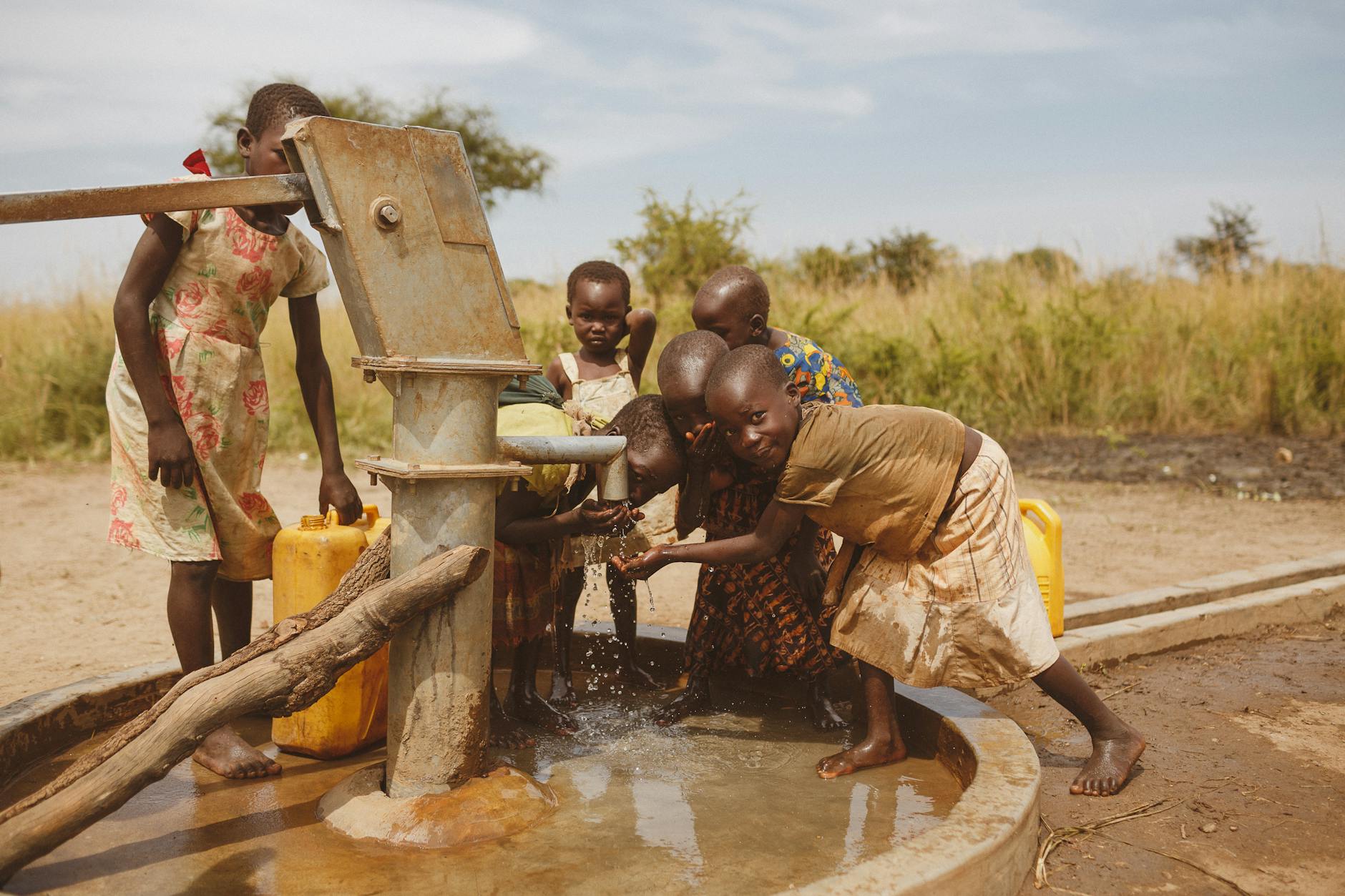
Access to clean water shapes health, education, and opportunity. Yet millions of people still face daily struggles to find safe water. Many assume that solving this problem requires massive funding, but that’s not always true. Even the smallest donation can create lasting change by supporting clean water projects that give families a steady source of safe water.
Small contributions add up to powerful results. They help build wells, repair pumps, and train local teams to manage water systems for years to come. Each act of giving connects people across the world through shared purpose and measurable progress. As a result, communities gain time for school, work, and family instead of long walks to distant water sources.
The impact of small donations goes beyond immediate relief. It supports sustainable solutions that strengthen communities and create independence. By understanding how modest gifts transform access to water, anyone can see that meaningful change often starts with simple actions.
The Power of Small Donations in Transforming Global Water Access
Small contributions can unite people across borders to solve the global water crisis. By combining modest gifts, communities gain clean water systems, health improves, and families reclaim time once lost to water collection. These efforts show how collective generosity can create measurable and lasting results.
How Micro-Donations Drive Collective Impact
A few dollars may not seem like much, yet pooled together, they can fund wells, filters, and safe water tanks. Water donation charities use this model to reach remote areas that larger programs often overlook. Each small gift adds up to create real infrastructure that delivers clean water to families.
This approach removes financial barriers for donors and builds a sense of shared responsibility. It allows people from different backgrounds to take part in solving a common problem. As thousands contribute, the combined total supports long-term projects that transform communities.
Micro-donations also make funding more stable. Regular small gifts help maintain existing systems and expand access without waiting for large, unpredictable grants. This steady support keeps projects active and communities supplied.
Photo by Mads Terkelsen
Direct Community Benefits of Small-Scale Giving
Clean water access changes daily life almost immediately. Families spend less time searching for water and more time on education or work. Children can attend school, and women gain freedom to pursue income or leadership roles. These changes strengthen families and local economies.
Small-scale giving often funds training for residents to manage and repair water systems. This builds independence and reduces the need for outside help. Locals gain technical and leadership skills that benefit the entire community.
Health outcomes also improve quickly. Fewer people suffer from waterborne diseases, and healthcare costs drop. The result is a stronger, more productive population that can plan for the future rather than struggle for survival.
The Ripple Effect: From Individual Acts to Widespread Change
Each donation, no matter how small, sets off a chain reaction of progress. A single well can serve hundreds of people, and one supporter can inspire others to give. Over time, these actions expand into regional and even global improvements in water access.
The ripple effect also influences awareness. As people see results, they talk about the cause, share success stories, and motivate new donors. This social momentum increases transparency and accountability within projects.
Ultimately, small acts of generosity unite individuals into a powerful global movement. Together, they create sustainable water access that restores dignity, strengthens communities, and builds a healthier world.
Sustainable Solutions and Community Empowerment
Small donations can help create lasting progress in global water access by supporting local leadership, improving water systems, and strengthening education and health outcomes. These efforts help communities gain control over their resources and build long-term independence from external aid.
Community-Driven and Community-Led Solutions
Communities that lead their own water and sanitation projects often see stronger results. Local groups understand their geography, water sources, and cultural needs better than outside planners. This knowledge helps them design solutions that fit their environment.
Small donations can fund training programs that teach residents how to manage wells, maintain pumps, and test water safety. These skills keep systems functional long after installation.
In many regions, community-led committees also set fair water use rules and collect small fees for maintenance. This approach builds accountability and shared responsibility. As a result, people gain confidence and ownership over their water systems, which helps reduce dependence on temporary aid.
Building Reliable Water Infrastructure
Access to safe water depends on well-built and well-maintained infrastructure. Small donations can supply materials for boreholes, storage tanks, or low-cost filtration systems. Each contribution supports the hardware needed to deliver safely managed drinking water.
Communities often combine funds to repair broken pumps or expand water networks. Local technicians trained through small grants can fix leaks and replace parts quickly. This reduces downtime and prevents water scarcity during dry seasons.
Better infrastructure also supports sanitation. For example, clean water near homes allows families to wash hands, prepare food safely, and avoid contamination. Over time, these improvements lower the risk of waterborne diseases such as cholera and dysentery.
Long-Term Impacts on Health, Education, and Economic Opportunity
Safe water access changes daily life. Children no longer spend hours collecting water, so they attend school more often. Clean water also reduces illness, which means fewer absences and better learning outcomes.
Health clinics benefit too. With a steady water supply, staff can clean equipment and provide safer medical supplies. Fewer infections free up resources for other treatments.
Economic opportunities also grow. Families can start small businesses such as food stalls or laundry services. Farmers can irrigate crops more efficiently, improving income and food security. Over time, these gains help communities move closer to ending the global water crisis.
Conclusion
Small donations often create real progress in global water access. Each contribution supports clean water systems that improve daily life and public health. Even modest amounts can fund wells, filtration units, or maintenance that keep water safe for families.
These efforts also help communities plan for the future. With steady support, they can train local teams, manage water systems, and reduce dependence on outside aid. As a result, access becomes more stable and long-lasting.
Every donor, regardless of amount, plays a part in expanding clean water access. Collective action transforms small gifts into steady change that supports healthier, more productive communities worldwide.


Access to clean water shapes health, education, and opportunity. Yet millions of people still face daily struggles to find safe water. Many assume that solving this problem requires massive funding, but that’s not always true. Even the smallest donation can create lasting change by supporting clean water projects that give families a steady source of safe water.
Small contributions add up to powerful results. They help build wells, repair pumps, and train local teams to manage water systems for years to come. Each act of giving connects people across the world through shared purpose and measurable progress. As a result, communities gain time for school, work, and family instead of long walks to distant water sources.
The impact of small donations goes beyond immediate relief. It supports sustainable solutions that strengthen communities and create independence. By understanding how modest gifts transform access to water, anyone can see that meaningful change often starts with simple actions.
The Power of Small Donations in Transforming Global Water Access
Small contributions can unite people across borders to solve the global water crisis. By combining modest gifts, communities gain clean water systems, health improves, and families reclaim time once lost to water collection. These efforts show how collective generosity can create measurable and lasting results.
How Micro-Donations Drive Collective Impact
A few dollars may not seem like much, yet pooled together, they can fund wells, filters, and safe water tanks. Water donation charities use this model to reach remote areas that larger programs often overlook. Each small gift adds up to create real infrastructure that delivers clean water to families.
This approach removes financial barriers for donors and builds a sense of shared responsibility. It allows people from different backgrounds to take part in solving a common problem. As thousands contribute, the combined total supports long-term projects that transform communities.
Micro-donations also make funding more stable. Regular small gifts help maintain existing systems and expand access without waiting for large, unpredictable grants. This steady support keeps projects active and communities supplied.
Direct Community Benefits of Small-Scale Giving
Clean water access changes daily life almost immediately. Families spend less time searching for water and more time on education or work. Children can attend school, and women gain freedom to pursue income or leadership roles. These changes strengthen families and local economies.
Small-scale giving often funds training for residents to manage and repair water systems. This builds independence and reduces the need for outside help. Locals gain technical and leadership skills that benefit the entire community.
Health outcomes also improve quickly. Fewer people suffer from waterborne diseases, and healthcare costs drop. The result is a stronger, more productive population that can plan for the future rather than struggle for survival.
The Ripple Effect: From Individual Acts to Widespread Change
Each donation, no matter how small, sets off a chain reaction of progress. A single well can serve hundreds of people, and one supporter can inspire others to give. Over time, these actions expand into regional and even global improvements in water access.
The ripple effect also influences awareness. As people see results, they talk about the cause, share success stories, and motivate new donors. This social momentum increases transparency and accountability within projects.
Ultimately, small acts of generosity unite individuals into a powerful global movement. Together, they create sustainable water access that restores dignity, strengthens communities, and builds a healthier world.
Sustainable Solutions and Community Empowerment
Small donations can help create lasting progress in global water access by supporting local leadership, improving water systems, and strengthening education and health outcomes. These efforts help communities gain control over their resources and build long-term independence from external aid.
Community-Driven and Community-Led Solutions
Communities that lead their own water and sanitation projects often see stronger results. Local groups understand their geography, water sources, and cultural needs better than outside planners. This knowledge helps them design solutions that fit their environment.
Small donations can fund training programs that teach residents how to manage wells, maintain pumps, and test water safety. These skills keep systems functional long after installation.
In many regions, community-led committees also set fair water use rules and collect small fees for maintenance. This approach builds accountability and shared responsibility. As a result, people gain confidence and ownership over their water systems, which helps reduce dependence on temporary aid.
Building Reliable Water Infrastructure
Access to safe water depends on well-built and well-maintained infrastructure. Small donations can supply materials for boreholes, storage tanks, or low-cost filtration systems. Each contribution supports the hardware needed to deliver safely managed drinking water.
Communities often combine funds to repair broken pumps or expand water networks. Local technicians trained through small grants can fix leaks and replace parts quickly. This reduces downtime and prevents water scarcity during dry seasons.
Better infrastructure also supports sanitation. For example, clean water near homes allows families to wash hands, prepare food safely, and avoid contamination. Over time, these improvements lower the risk of waterborne diseases such as cholera and dysentery.
Long-Term Impacts on Health, Education, and Economic Opportunity
Safe water access changes daily life. Children no longer spend hours collecting water, so they attend school more often. Clean water also reduces illness, which means fewer absences and better learning outcomes.
Health clinics benefit too. With a steady water supply, staff can clean equipment and provide safer medical supplies. Fewer infections free up resources for other treatments.
Economic opportunities also grow. Families can start small businesses such as food stalls or laundry services. Farmers can irrigate crops more efficiently, improving income and food security. Over time, these gains help communities move closer to ending the global water crisis.
Conclusion
Small donations often create real progress in global water access. Each contribution supports clean water systems that improve daily life and public health. Even modest amounts can fund wells, filtration units, or maintenance that keep water safe for families.
These efforts also help communities plan for the future. With steady support, they can train local teams, manage water systems, and reduce dependence on outside aid. As a result, access becomes more stable and long-lasting.
Every donor, regardless of amount, plays a part in expanding clean water access. Collective action transforms small gifts into steady change that supports healthier, more productive communities worldwide.
Share this:
Like this: