Walk into any conversation about non-surgical facial treatments, and you’ll quickly realize there are a lot of options. Botox, fillers, Sculptra, Dysport, the list keeps growing. For someone who’s just starting to explore, it can feel overwhelming before you’ve even booked a consultation. The problem isn’t a lack of options. It’s knowing which option actually matches your concern.
Maryland has seen a steady rise in people seeking non-surgical facial treatments, and a big part of what drives the confusion is that injectables are often discussed as if they’re interchangeable. They’re not. Each product works differently, targets different concerns, and lasts for different lengths of time. Getting the right one depends entirely on understanding what’s actually going on with your face.
1. Start With the Problem, Not the Product
Most people walk in already knowing what they want. They’ve heard about Botox or seen a filler result they liked online, and they’ve decided that’s what they need. That mindset tends to lead to disappointment. The smarter starting point is identifying your primary concern: is it movement-related lines, volume loss, sagging skin, or uneven texture? Each of those issues responds to a different injectable entirely.
When exploring cosmetic injectables in Maryland, the most important variable isn’t the brand name of the product but the experience of the provider matching that product to your specific anatomy. Practices like Chevy Chase Facial Plastic Surgery approach injectable consultations by building a treatment plan around what the patient’s face actually needs rather than defaulting to whatever is most popular at the time. That distinction matters more than most people realize before they’ve had the conversation.
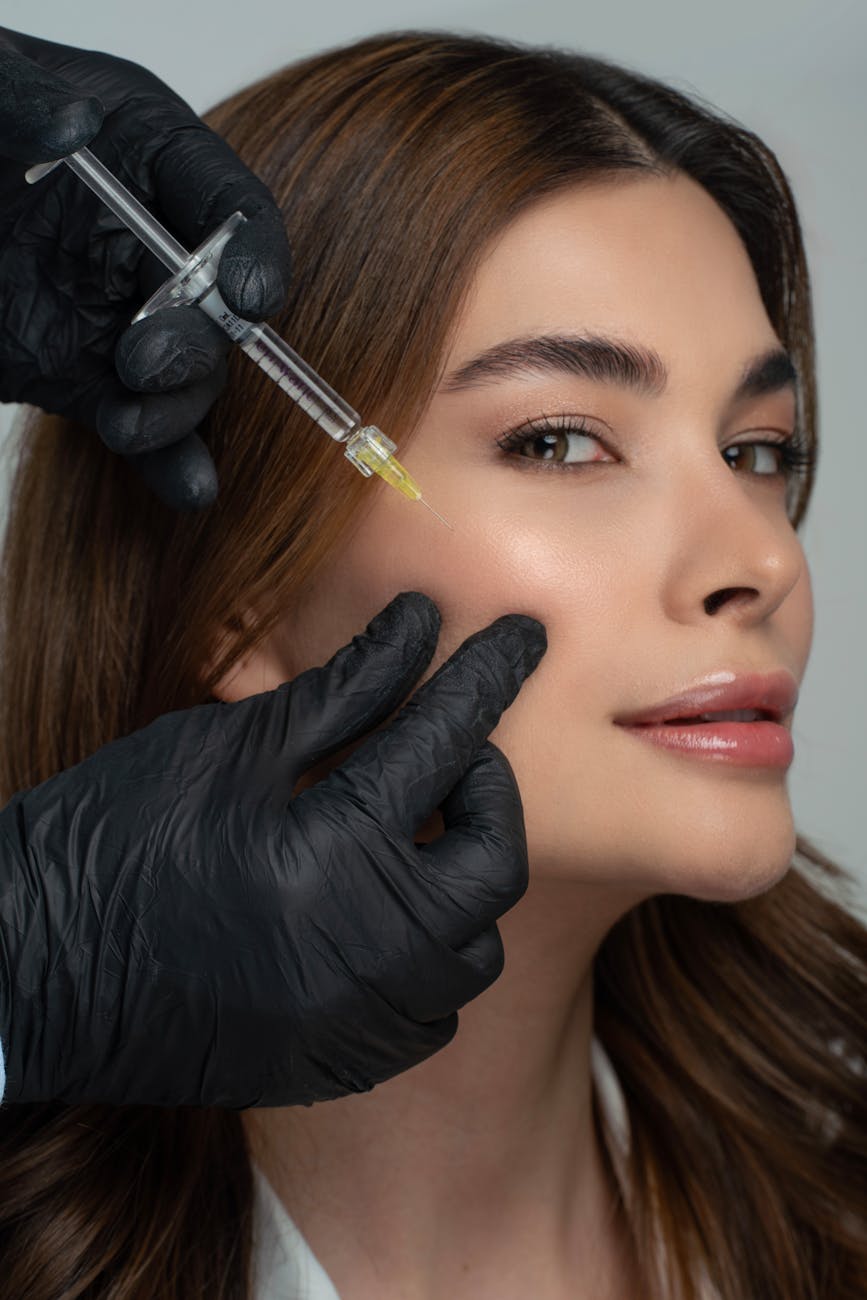
Photo by Alexander Krivitskiy
2. Botox and Dysport Are for Movement, Not Volume
Neuromodulators like Botox and Dysport work by relaxing the muscles that cause dynamic wrinkles. Those are the lines that form when you move your face, like forehead lines, crow’s feet, and the “elevens” between your brows. They don’t add volume or lift. They simply pause the muscle activity that deepens those lines over time.
This is where a lot of mismatched expectations come from. Someone bothered by hollowness under their eyes or flattened cheeks will sometimes try Botox and wonder why nothing changed. It changed the wrong thing. Neuromodulators are the right choice when the concern is expression-related lines and nothing else. According to the American Society of Plastic Surgeons, Botox remains the most performed non-surgical cosmetic procedure in the US, with over 7 million treatments done annually. Its popularity is well-earned, but only for the concerns it’s actually designed to treat.
3. Dermal Fillers Restore What Time Takes Away
Fillers are a different category entirely. They add physical volume back to areas that have lost it, smooth out folds, define contours, and in some cases lift areas that have started to sag. The results are immediate and can last anywhere from six months to two years depending on the product and placement.
What most people don’t realize is that there isn’t one filler. There are dozens, each with a different consistency and purpose. A thinner filler used for lips would be wrong for cheek augmentation, and a firmer product designed for jawline definition wouldn’t work well in a delicate area like the under-eye. The right filler for your face depends on the area being treated, the depth of placement, and the degree of correction needed. Skipping that level of nuance is how results end up looking overdone or unnatural.
4. Sculptra Works Differently From Everything Else
Sculptra is a biostimulator, not a traditional filler. It doesn’t add instant volume. Instead, it stimulates the body’s own collagen production over several weeks, gradually restoring facial structure from the inside out. The results build slowly over three to four months and can last up to two years.
In practice, Sculptra tends to suit people who want a gradual, natural-looking improvement rather than an immediate and obvious change. It’s also a good option for overall facial rejuvenation where multiple areas have lost volume rather than one targeted spot. The tradeoff is patience. People who want to see a visible result right after their appointment are usually better served by a hyaluronic acid filler.
5. The Consultation Is Where the Decision Actually Gets Made
No article can tell you which injectable is right for your face. That determination requires someone to look at your actual anatomy, assess your skin quality, understand your goals, and factor in your history with previous treatments. A good consultation involves all of that, not a quick glance and a syringe.
The difference between a result that looks refreshed and one that looks obvious almost always comes down to how thoroughly the treatment was planned beforehand. Product selection, placement depth, and injection technique are all variables that shift depending on the individual. Proper med spa training can help practitioners develop the knowledge and technical skills needed to approach these treatments safely and effectively. Two people with similar concerns can need entirely different approaches.
Wrapping Up
Choosing the right injectable starts with understanding what kind of problem you’re actually trying to solve. Movement-related lines need neuromodulators. Volume loss needs fillers. Gradual structural restoration might call for a biostimulator. And some faces need a combination of all three, introduced in a sequence that makes sense. The clearer you are going into a consultation about what’s bothering you, the easier it is for a skilled provider to point you toward the right solution.


Walk into any conversation about non-surgical facial treatments, and you’ll quickly realize there are a lot of options. Botox, fillers, Sculptra, Dysport, the list keeps growing. For someone who’s just starting to explore, it can feel overwhelming before you’ve even booked a consultation. The problem isn’t a lack of options. It’s knowing which option actually matches your concern.
Maryland has seen a steady rise in people seeking non-surgical facial treatments, and a big part of what drives the confusion is that injectables are often discussed as if they’re interchangeable. They’re not. Each product works differently, targets different concerns, and lasts for different lengths of time. Getting the right one depends entirely on understanding what’s actually going on with your face.
1. Start With the Problem, Not the Product
Most people walk in already knowing what they want. They’ve heard about Botox or seen a filler result they liked online, and they’ve decided that’s what they need. That mindset tends to lead to disappointment. The smarter starting point is identifying your primary concern: is it movement-related lines, volume loss, sagging skin, or uneven texture? Each of those issues responds to a different injectable entirely.
When exploring cosmetic injectables in Maryland, the most important variable isn’t the brand name of the product but the experience of the provider matching that product to your specific anatomy. Practices like Chevy Chase Facial Plastic Surgery approach injectable consultations by building a treatment plan around what the patient’s face actually needs rather than defaulting to whatever is most popular at the time. That distinction matters more than most people realize before they’ve had the conversation.
2. Botox and Dysport Are for Movement, Not Volume
Neuromodulators like Botox and Dysport work by relaxing the muscles that cause dynamic wrinkles. Those are the lines that form when you move your face, like forehead lines, crow’s feet, and the “elevens” between your brows. They don’t add volume or lift. They simply pause the muscle activity that deepens those lines over time.
This is where a lot of mismatched expectations come from. Someone bothered by hollowness under their eyes or flattened cheeks will sometimes try Botox and wonder why nothing changed. It changed the wrong thing. Neuromodulators are the right choice when the concern is expression-related lines and nothing else. According to the American Society of Plastic Surgeons, Botox remains the most performed non-surgical cosmetic procedure in the US, with over 7 million treatments done annually. Its popularity is well-earned, but only for the concerns it’s actually designed to treat.
3. Dermal Fillers Restore What Time Takes Away
Fillers are a different category entirely. They add physical volume back to areas that have lost it, smooth out folds, define contours, and in some cases lift areas that have started to sag. The results are immediate and can last anywhere from six months to two years depending on the product and placement.
What most people don’t realize is that there isn’t one filler. There are dozens, each with a different consistency and purpose. A thinner filler used for lips would be wrong for cheek augmentation, and a firmer product designed for jawline definition wouldn’t work well in a delicate area like the under-eye. The right filler for your face depends on the area being treated, the depth of placement, and the degree of correction needed. Skipping that level of nuance is how results end up looking overdone or unnatural.
4. Sculptra Works Differently From Everything Else
Sculptra is a biostimulator, not a traditional filler. It doesn’t add instant volume. Instead, it stimulates the body’s own collagen production over several weeks, gradually restoring facial structure from the inside out. The results build slowly over three to four months and can last up to two years.
In practice, Sculptra tends to suit people who want a gradual, natural-looking improvement rather than an immediate and obvious change. It’s also a good option for overall facial rejuvenation where multiple areas have lost volume rather than one targeted spot. The tradeoff is patience. People who want to see a visible result right after their appointment are usually better served by a hyaluronic acid filler.
5. The Consultation Is Where the Decision Actually Gets Made
No article can tell you which injectable is right for your face. That determination requires someone to look at your actual anatomy, assess your skin quality, understand your goals, and factor in your history with previous treatments. A good consultation involves all of that, not a quick glance and a syringe.
The difference between a result that looks refreshed and one that looks obvious almost always comes down to how thoroughly the treatment was planned beforehand. Product selection, placement depth, and injection technique are all variables that shift depending on the individual. Proper med spa training can help practitioners develop the knowledge and technical skills needed to approach these treatments safely and effectively. Two people with similar concerns can need entirely different approaches.
Wrapping Up
Choosing the right injectable starts with understanding what kind of problem you’re actually trying to solve. Movement-related lines need neuromodulators. Volume loss needs fillers. Gradual structural restoration might call for a biostimulator. And some faces need a combination of all three, introduced in a sequence that makes sense. The clearer you are going into a consultation about what’s bothering you, the easier it is for a skilled provider to point you toward the right solution.
Share this:
Like this: