You probably think of risotto as one of those dishes that demands constant stirring, careful timing, and a lot of patience. That reputation isn’t completely wrong, but it’s outdated if you own a pressure cooker. Asparagus risotto is a smart place to start because it feels restaurant-level while using a short ingredient list and straightforward technique. Once you understand the process, you can turn a spring vegetable into a creamy, balanced dinner with far less effort than the classic method.
Why asparagus risotto works so well in a pressure cooker
Traditional risotto depends on gradual starch release, which usually means adding hot stock in stages and stirring often. A pressure cooker changes the mechanics. Inside the sealed pot, heat and moisture push the rice to absorb liquid quickly and evenly, giving you the creamy texture you want without babysitting the pan.
Asparagus fits this format especially well. It cooks fast, has a clean vegetal flavor, and cuts through the richness of butter, cheese, and stock. You get contrast instead of heaviness. If you want a strong baseline technique, the Instant Pot asparagus risotto recipe is useful because it treats the pressure cooker as a real risotto tool rather than a shortcut that sacrifices texture.
The result is practical and impressive at the same time. You’re not just saving time. You’re reducing the margin for error.
Choosing ingredients that actually improve the final texture
Risotto quality starts with rice selection. Arborio is common and easy to find, but Carnaroli often gives you a more controlled texture because it holds its shape better while still releasing enough starch. If your grocery store carries both, Carnaroli is worth trying.
Your stock matters too. A bland broth leaves you relying too heavily on cheese and salt at the end. Use a flavorful vegetable or chicken stock with moderate sodium so you can season in layers. Parmesan should be finely grated, not shredded in thick strips, because you want it to melt quickly into the rice.
For asparagus, look for firm stalks with tightly closed tips. Thin stalks cook very fast and can turn limp if added too early. Medium stalks are easier to manage. Cut the woody ends off, then slice the remaining stalks into bite-sized pieces so every spoonful gets some green flavor and texture.
The prep steps that save you from gummy risotto
Pressure cooker risotto moves quickly, so your mise en place has to be done before the lid goes on. Dice your onion or shallot first, grate the cheese, warm the stock if you want a slight head start, and cut the asparagus into separate piles if you plan to cook tips and stalk pieces differently.
One detail many people miss: don’t rinse the rice. You want the surface starch. That starch is part of what creates risotto’s signature body. Rinsing is useful for fluffy rice dishes, not here.
You should also sauté the aromatics before pressure cooking. Raw onion flavor can sit awkwardly in a creamy dish, while a quick sweat in butter or olive oil rounds it out. Toasting the rice for a minute or two helps as well. It gives the grains a little structure and keeps the final texture from drifting into porridge territory.
How the cooking sequence changes the outcome
The best asparagus risotto usually isn’t made by dumping everything into the pot at once. Timing matters. Rice needs pressure and liquid. Asparagus needs restraint. If you pressure cook asparagus for the full rice cycle, it can lose color, texture, and that fresh edge that makes the dish feel alive.
A better sequence is to pressure cook the rice base first, then stir in asparagus near the end, either using residual heat or a short sauté finish. This preserves the vegetable’s character. Some cooks also blanch asparagus separately and fold it in at the end, which gives you even more control if presentation matters.
After pressure releases, the finishing stage is not optional. Stirring in butter and Parmesan off heat helps emulsify the cooking liquid with the starches already released by the rice. That’s where the glossy, flowing consistency develops. It should spread gently on a plate, not sit in a stiff mound.
Mistakes that make homemade risotto feel flat
One common problem is underseasoning. Rice absorbs a lot, and pressure cooking can mute subtle flavors. Taste after finishing, not just before sealing the pot. Sometimes the dish needs extra salt, black pepper, lemon zest, or a small squeeze of lemon juice to sharpen everything.
Another issue is overloading the pot with too many extras. Peas, mushrooms, cream, bacon, more cheese, extra herbs, and random pantry vegetables can crowd the asparagus instead of supporting it. This dish works because it’s focused.
Texture mistakes show up often too. If the risotto looks dry right after cooking, add a splash of hot stock and stir vigorously. If it looks soupy, let it sit for a minute and stir again before adjusting. Risotto changes fast in the final stage, and patience for those last two minutes usually fixes what looks wrong at first glance.
Easy ways to make it feel more like a complete meal
Asparagus risotto can stand on its own, but it also works as a base for proteins if you want dinner to feel more substantial. Seared shrimp is a good fit because it cooks quickly and doesn’t dominate the flavor. Roasted salmon also works, especially with lemon and cracked pepper.
If you prefer a vegetarian plate, add a soft-poached egg on top. The yolk enriches the risotto without turning it heavy. A handful of chopped herbs such as parsley, chives, or tarragon can change the whole finish, giving the dish a brighter and more polished feel.
For serving, use shallow bowls rather than deep ones. Risotto presents better when it has room to spread. Finish with Parmesan, a little olive oil, and maybe lemon zest. You don’t need complicated garnish work. You just need contrast in color, aroma, and texture.
What this dish teaches you about modern home cooking
Pressure cooker risotto is a good example of how home cooking has shifted. Technique still matters, but the definition of skill has changed. It’s not only about doing things the old hard way. It’s about understanding the result you want, then using the right equipment to get there consistently.
That mindset makes cooking less performative and more useful. You can serve a dish with the texture and depth people expect from stovetop risotto, but on a weeknight when you also have work, homework, laundry, or no interest in standing over a burner. That’s a meaningful upgrade, not a compromise.
Once you get comfortable with asparagus risotto, you’ll start seeing the broader pattern. A pressure cooker isn’t just for speed. It gives you precision, repeatability, and enough control to make elegant food feel realistic in an ordinary kitchen.


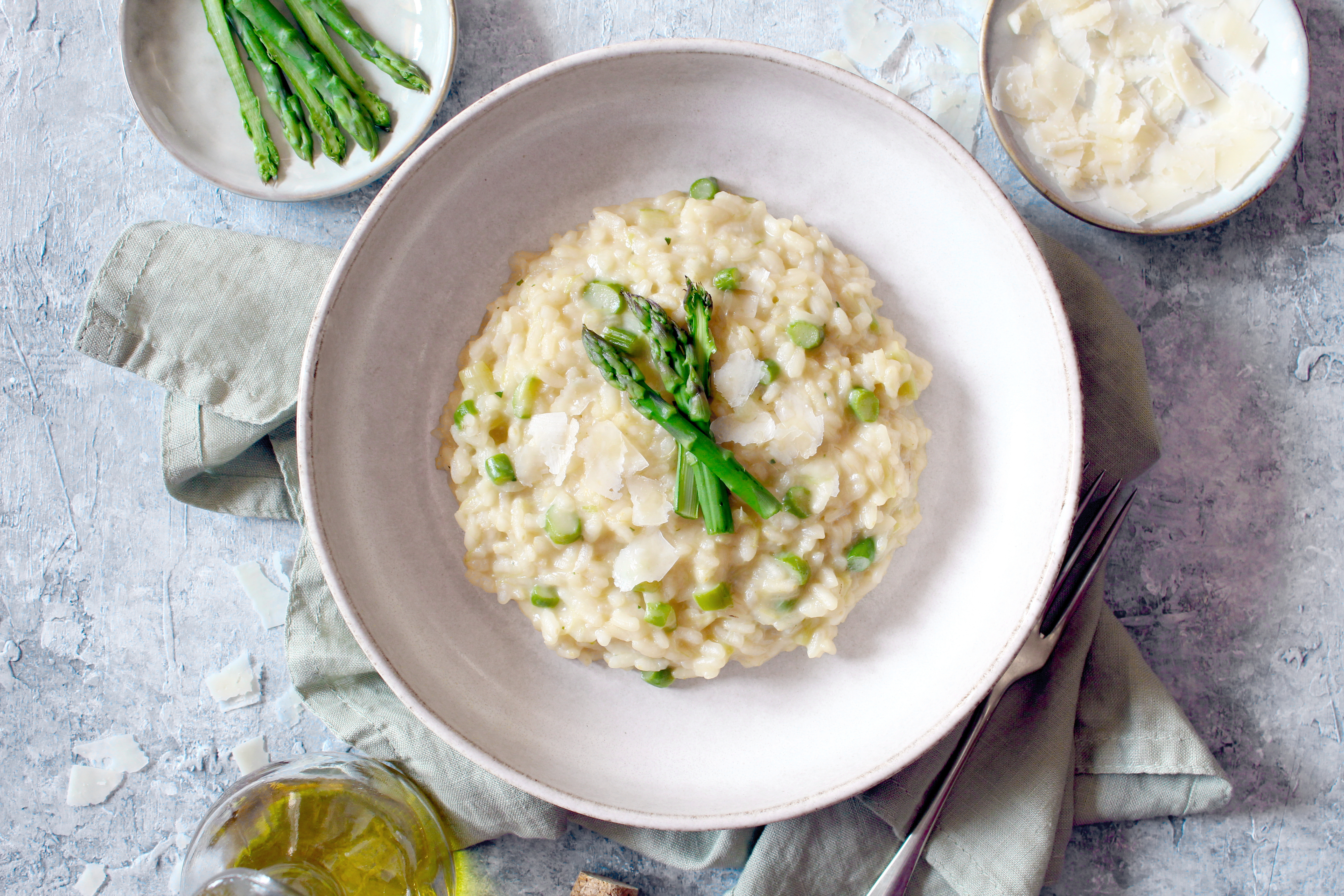
You probably think of risotto as one of those dishes that demands constant stirring, careful timing, and a lot of patience. That reputation isn’t completely wrong, but it’s outdated if you own a pressure cooker. Asparagus risotto is a smart place to start because it feels restaurant-level while using a short ingredient list and straightforward technique. Once you understand the process, you can turn a spring vegetable into a creamy, balanced dinner with far less effort than the classic method.
Why asparagus risotto works so well in a pressure cooker
Traditional risotto depends on gradual starch release, which usually means adding hot stock in stages and stirring often. A pressure cooker changes the mechanics. Inside the sealed pot, heat and moisture push the rice to absorb liquid quickly and evenly, giving you the creamy texture you want without babysitting the pan.
Asparagus fits this format especially well. It cooks fast, has a clean vegetal flavor, and cuts through the richness of butter, cheese, and stock. You get contrast instead of heaviness. If you want a strong baseline technique, the Instant Pot asparagus risotto recipe is useful because it treats the pressure cooker as a real risotto tool rather than a shortcut that sacrifices texture.
The result is practical and impressive at the same time. You’re not just saving time. You’re reducing the margin for error.
Choosing ingredients that actually improve the final texture
Risotto quality starts with rice selection. Arborio is common and easy to find, but Carnaroli often gives you a more controlled texture because it holds its shape better while still releasing enough starch. If your grocery store carries both, Carnaroli is worth trying.
Your stock matters too. A bland broth leaves you relying too heavily on cheese and salt at the end. Use a flavorful vegetable or chicken stock with moderate sodium so you can season in layers. Parmesan should be finely grated, not shredded in thick strips, because you want it to melt quickly into the rice.
For asparagus, look for firm stalks with tightly closed tips. Thin stalks cook very fast and can turn limp if added too early. Medium stalks are easier to manage. Cut the woody ends off, then slice the remaining stalks into bite-sized pieces so every spoonful gets some green flavor and texture.
The prep steps that save you from gummy risotto
Pressure cooker risotto moves quickly, so your mise en place has to be done before the lid goes on. Dice your onion or shallot first, grate the cheese, warm the stock if you want a slight head start, and cut the asparagus into separate piles if you plan to cook tips and stalk pieces differently.
One detail many people miss: don’t rinse the rice. You want the surface starch. That starch is part of what creates risotto’s signature body. Rinsing is useful for fluffy rice dishes, not here.
You should also sauté the aromatics before pressure cooking. Raw onion flavor can sit awkwardly in a creamy dish, while a quick sweat in butter or olive oil rounds it out. Toasting the rice for a minute or two helps as well. It gives the grains a little structure and keeps the final texture from drifting into porridge territory.
How the cooking sequence changes the outcome
The best asparagus risotto usually isn’t made by dumping everything into the pot at once. Timing matters. Rice needs pressure and liquid. Asparagus needs restraint. If you pressure cook asparagus for the full rice cycle, it can lose color, texture, and that fresh edge that makes the dish feel alive.
A better sequence is to pressure cook the rice base first, then stir in asparagus near the end, either using residual heat or a short sauté finish. This preserves the vegetable’s character. Some cooks also blanch asparagus separately and fold it in at the end, which gives you even more control if presentation matters.
After pressure releases, the finishing stage is not optional. Stirring in butter and Parmesan off heat helps emulsify the cooking liquid with the starches already released by the rice. That’s where the glossy, flowing consistency develops. It should spread gently on a plate, not sit in a stiff mound.
Mistakes that make homemade risotto feel flat
One common problem is underseasoning. Rice absorbs a lot, and pressure cooking can mute subtle flavors. Taste after finishing, not just before sealing the pot. Sometimes the dish needs extra salt, black pepper, lemon zest, or a small squeeze of lemon juice to sharpen everything.
Another issue is overloading the pot with too many extras. Peas, mushrooms, cream, bacon, more cheese, extra herbs, and random pantry vegetables can crowd the asparagus instead of supporting it. This dish works because it’s focused.
Texture mistakes show up often too. If the risotto looks dry right after cooking, add a splash of hot stock and stir vigorously. If it looks soupy, let it sit for a minute and stir again before adjusting. Risotto changes fast in the final stage, and patience for those last two minutes usually fixes what looks wrong at first glance.
Easy ways to make it feel more like a complete meal
Asparagus risotto can stand on its own, but it also works as a base for proteins if you want dinner to feel more substantial. Seared shrimp is a good fit because it cooks quickly and doesn’t dominate the flavor. Roasted salmon also works, especially with lemon and cracked pepper.
If you prefer a vegetarian plate, add a soft-poached egg on top. The yolk enriches the risotto without turning it heavy. A handful of chopped herbs such as parsley, chives, or tarragon can change the whole finish, giving the dish a brighter and more polished feel.
For serving, use shallow bowls rather than deep ones. Risotto presents better when it has room to spread. Finish with Parmesan, a little olive oil, and maybe lemon zest. You don’t need complicated garnish work. You just need contrast in color, aroma, and texture.
What this dish teaches you about modern home cooking
Pressure cooker risotto is a good example of how home cooking has shifted. Technique still matters, but the definition of skill has changed. It’s not only about doing things the old hard way. It’s about understanding the result you want, then using the right equipment to get there consistently.
That mindset makes cooking less performative and more useful. You can serve a dish with the texture and depth people expect from stovetop risotto, but on a weeknight when you also have work, homework, laundry, or no interest in standing over a burner. That’s a meaningful upgrade, not a compromise.
Once you get comfortable with asparagus risotto, you’ll start seeing the broader pattern. A pressure cooker isn’t just for speed. It gives you precision, repeatability, and enough control to make elegant food feel realistic in an ordinary kitchen.
Share this:
Like this: