Staying active through hobbies is one of the most enjoyable ways to maintain physical health, reduce stress, and improve overall wellbeing. Whether you enjoy hiking, cycling, gardening, swimming, or playing recreational sports, regular movement helps strengthen muscles, support joint health, and maintain mobility. However, even familiar activities can lead to injuries when the body experiences excessive strain, repetitive movements, or inadequate recovery. Understanding how a sports medicine specialist diagnoses and treats activity-related injuries can help individuals recognise when professional care may be necessary to support recovery and a safe return to their favourite hobbies. By adopting healthy movement habits and recognising potential risks, people can continue enjoying an active lifestyle while reducing their chances of injury.
Understand Your Body’s Physical Limits
Every physical activity places different demands on the body, making it important to understand your individual strength, flexibility, and endurance levels. Someone who regularly cycles may have excellent cardiovascular fitness but still experience difficulty with activities requiring different muscle groups. Recognising these differences allows individuals to participate in hobbies without placing unnecessary pressure on their bodies.
Physical limitations can also change with age, previous injuries, or periods of inactivity. Returning to a demanding activity after several months away may increase the risk of muscle strains, joint discomfort, and overuse injuries. Gradually rebuilding strength and endurance helps the body adapt while making physical activities more comfortable and sustainable.
Always Make Time for Proper Warm-Ups
Preparing the body before physical activity is an important step in reducing injury risks and improving performance. A suitable warm-up gradually increases circulation, raises muscle temperature, and prepares joints for the movements required during exercise. Activities such as brisk walking, gentle cycling, or controlled dynamic stretches can help prepare the body for more demanding movements.
The type of warm-up should reflect the hobby or activity being performed. For example, someone preparing for a hiking trip may benefit from gentle leg movements and walking, while a recreational tennis player may focus on shoulder mobility and controlled arm movements. Spending several minutes preparing the body can improve movement readiness and make the transition into physical activity more comfortable.
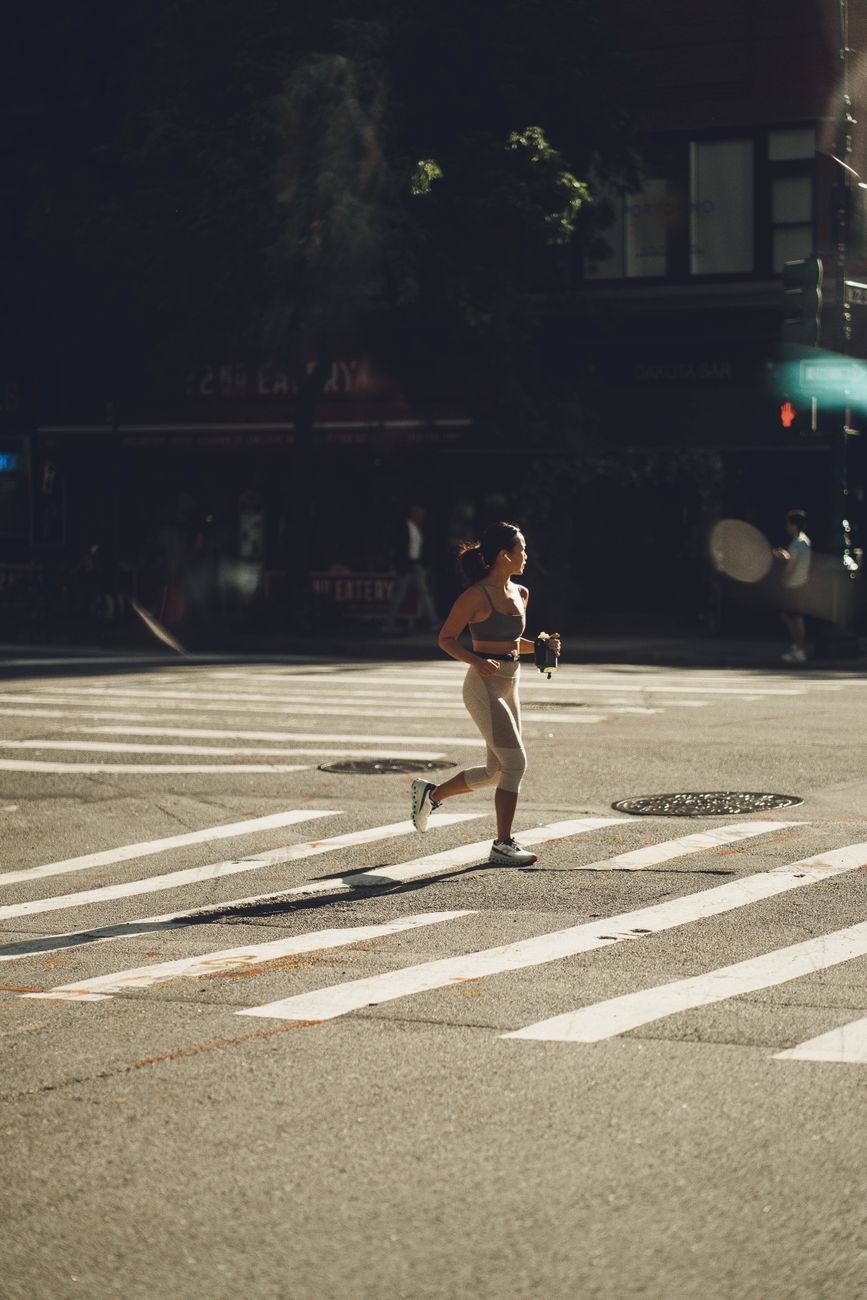
Photo by Nicholas Fu
Build Strength and Flexibility for Everyday Activities
Maintaining muscle strength is essential for supporting joints and improving physical stability during recreational activities. Strong muscles help distribute forces more effectively, reducing unnecessary stress on vulnerable areas such as the knees, hips, shoulders, and lower back. Incorporating resistance exercises into a regular fitness routine can improve balance, coordination, and overall physical resilience.
Flexibility and mobility are equally important because many hobbies require comfortable movement through different positions. Gardening, for example, involves bending, kneeling, and reaching, while swimming requires coordinated shoulder and hip movements. Regular mobility exercises can help maintain comfortable movement patterns and make everyday physical activities easier to perform.
Recognise Early Signs of Overuse Injuries
Many recreational injuries develop gradually rather than occurring during a single accident or sudden movement. Repetitive activities such as running, cycling, or playing golf can place repeated stress on muscles, tendons, and joints, particularly when recovery time is limited. Early warning signs may include persistent soreness, swelling, stiffness, or discomfort that becomes more noticeable during activity.
Ignoring these symptoms can allow minor problems to develop into injuries that require longer recovery periods. Pain that repeatedly returns, affects normal movement, or worsens despite rest should be assessed by an appropriate healthcare professional. Identifying potential problems early can help individuals adjust their activities and avoid unnecessary interruptions to their hobbies.
Prioritise Rest and Recovery Between Activities
Rest is an essential part of maintaining an active lifestyle because physical activity places temporary stress on muscles and connective tissues. During recovery, the body adapts to these demands and restores its capacity for future movement. Without sufficient recovery time, accumulated fatigue can affect coordination, reduce performance, and increase the likelihood of injury.
Recovery does not always require complete inactivity, especially after ordinary recreational exercise. Gentle walking, light stretching, adequate sleep, and balanced nutrition can support recovery while allowing individuals to maintain healthy routines. Alternating demanding activities with lighter movement also helps prevent excessive strain on the same muscle groups.
Choose Equipment That Supports Safe Movement
Using appropriate equipment can make recreational activities safer, more comfortable, and easier to enjoy. Supportive footwear, properly adjusted bicycles, and suitable protective equipment can help reduce avoidable physical stress during different hobbies. Equipment should be selected according to the activity, individual needs, and the environment in which it will be used.
Poorly fitted equipment may contribute to discomfort or encourage inefficient movement patterns over time. For example, unsuitable walking shoes can affect comfort during long hikes, while an incorrectly adjusted bicycle may place additional strain on the knees or lower back. Checking equipment regularly and making necessary adjustments can help individuals participate more confidently in their favourite activities.
Conclusion
Maintaining an active lifestyle should be about enjoying movement, improving wellbeing, and participating in activities that bring personal satisfaction. By understanding physical limitations, preparing properly, building strength, recognising warning signs, and allowing adequate recovery, individuals can reduce their risk of common recreational injuries. Small adjustments to everyday habits can make a meaningful difference in how comfortably and consistently people remain active. When persistent pain or injury occurs, seeking appropriate medical guidance can help support recovery and prevent further complications. Ultimately, protecting physical health allows people to continue exploring their interests, enjoying outdoor adventures, and maintaining the freedom to participate in the hobbies they love.


Staying active through hobbies is one of the most enjoyable ways to maintain physical health, reduce stress, and improve overall wellbeing. Whether you enjoy hiking, cycling, gardening, swimming, or playing recreational sports, regular movement helps strengthen muscles, support joint health, and maintain mobility. However, even familiar activities can lead to injuries when the body experiences excessive strain, repetitive movements, or inadequate recovery. Understanding how a sports medicine specialist diagnoses and treats activity-related injuries can help individuals recognise when professional care may be necessary to support recovery and a safe return to their favourite hobbies. By adopting healthy movement habits and recognising potential risks, people can continue enjoying an active lifestyle while reducing their chances of injury.
Understand Your Body’s Physical Limits
Every physical activity places different demands on the body, making it important to understand your individual strength, flexibility, and endurance levels. Someone who regularly cycles may have excellent cardiovascular fitness but still experience difficulty with activities requiring different muscle groups. Recognising these differences allows individuals to participate in hobbies without placing unnecessary pressure on their bodies.
Physical limitations can also change with age, previous injuries, or periods of inactivity. Returning to a demanding activity after several months away may increase the risk of muscle strains, joint discomfort, and overuse injuries. Gradually rebuilding strength and endurance helps the body adapt while making physical activities more comfortable and sustainable.
Always Make Time for Proper Warm-Ups
Preparing the body before physical activity is an important step in reducing injury risks and improving performance. A suitable warm-up gradually increases circulation, raises muscle temperature, and prepares joints for the movements required during exercise. Activities such as brisk walking, gentle cycling, or controlled dynamic stretches can help prepare the body for more demanding movements.
The type of warm-up should reflect the hobby or activity being performed. For example, someone preparing for a hiking trip may benefit from gentle leg movements and walking, while a recreational tennis player may focus on shoulder mobility and controlled arm movements. Spending several minutes preparing the body can improve movement readiness and make the transition into physical activity more comfortable.
Build Strength and Flexibility for Everyday Activities
Maintaining muscle strength is essential for supporting joints and improving physical stability during recreational activities. Strong muscles help distribute forces more effectively, reducing unnecessary stress on vulnerable areas such as the knees, hips, shoulders, and lower back. Incorporating resistance exercises into a regular fitness routine can improve balance, coordination, and overall physical resilience.
Flexibility and mobility are equally important because many hobbies require comfortable movement through different positions. Gardening, for example, involves bending, kneeling, and reaching, while swimming requires coordinated shoulder and hip movements. Regular mobility exercises can help maintain comfortable movement patterns and make everyday physical activities easier to perform.
Recognise Early Signs of Overuse Injuries
Many recreational injuries develop gradually rather than occurring during a single accident or sudden movement. Repetitive activities such as running, cycling, or playing golf can place repeated stress on muscles, tendons, and joints, particularly when recovery time is limited. Early warning signs may include persistent soreness, swelling, stiffness, or discomfort that becomes more noticeable during activity.
Ignoring these symptoms can allow minor problems to develop into injuries that require longer recovery periods. Pain that repeatedly returns, affects normal movement, or worsens despite rest should be assessed by an appropriate healthcare professional. Identifying potential problems early can help individuals adjust their activities and avoid unnecessary interruptions to their hobbies.
Prioritise Rest and Recovery Between Activities
Rest is an essential part of maintaining an active lifestyle because physical activity places temporary stress on muscles and connective tissues. During recovery, the body adapts to these demands and restores its capacity for future movement. Without sufficient recovery time, accumulated fatigue can affect coordination, reduce performance, and increase the likelihood of injury.
Recovery does not always require complete inactivity, especially after ordinary recreational exercise. Gentle walking, light stretching, adequate sleep, and balanced nutrition can support recovery while allowing individuals to maintain healthy routines. Alternating demanding activities with lighter movement also helps prevent excessive strain on the same muscle groups.
Choose Equipment That Supports Safe Movement
Using appropriate equipment can make recreational activities safer, more comfortable, and easier to enjoy. Supportive footwear, properly adjusted bicycles, and suitable protective equipment can help reduce avoidable physical stress during different hobbies. Equipment should be selected according to the activity, individual needs, and the environment in which it will be used.
Poorly fitted equipment may contribute to discomfort or encourage inefficient movement patterns over time. For example, unsuitable walking shoes can affect comfort during long hikes, while an incorrectly adjusted bicycle may place additional strain on the knees or lower back. Checking equipment regularly and making necessary adjustments can help individuals participate more confidently in their favourite activities.
Conclusion
Maintaining an active lifestyle should be about enjoying movement, improving wellbeing, and participating in activities that bring personal satisfaction. By understanding physical limitations, preparing properly, building strength, recognising warning signs, and allowing adequate recovery, individuals can reduce their risk of common recreational injuries. Small adjustments to everyday habits can make a meaningful difference in how comfortably and consistently people remain active. When persistent pain or injury occurs, seeking appropriate medical guidance can help support recovery and prevent further complications. Ultimately, protecting physical health allows people to continue exploring their interests, enjoying outdoor adventures, and maintaining the freedom to participate in the hobbies they love.
Share this:
Like this: