Kuala Lumpur is a city that knows how to surprise you. One moment, you are standing beneath glittering skyscrapers that seem to touch the clouds. The next, you are wandering through a colourful street market, stepping into a centuries-old place of worship or sitting down to a steaming plate of noodles while the city carries on around you. It is a destination where modern Asia and centuries of tradition exist side by side, creating a travel experience that feels energetic, welcoming and endlessly fascinating.
Malaysia’s capital is more than a convenient stopover. It is a place to experience the richness of Southeast Asian culture through its food, architecture, neighbourhoods and everyday rituals. Malay, Chinese and Indian influences shape everything from the city’s religious landmarks to its bustling dining scene, giving Kuala Lumpur a character that is distinctly its own. Add tropical greenery, rooftop views, excellent shopping and easy access to nature, and you have a destination that deserves far more than a hurried overnight stay.
Whether you are planning your first adventure in Southeast Asia, dreaming of a long weekend filled with food and culture or adding a city break to a wider Malaysian holiday, Kuala Lumpur offers plenty of reasons to linger. This guide explores the essential sights, the neighbourhoods worth getting lost in, the flavours to seek out and the practical details that will help you experience the city at its best.
Why Visit Kuala Lumpur?
Kuala Lumpur brings together many of the experiences travellers love about Asia without asking you to choose just one. You can begin the morning with a traditional Malaysian breakfast, spend the afternoon exploring contemporary galleries and historic streets, and finish the day watching the skyline sparkle from a rooftop bar or restaurant. The contrast between old and new is part of the city’s appeal, with modern developments standing alongside historic shophouses, ornate temples and lively neighbourhood markets.
The city is also wonderfully diverse. Its food reflects generations of cultural exchange, its festivals bring streets and communities to life, and its architecture tells stories of Malaysia’s past and future. Visitors can explore grand mosques, Hindu temples, Chinese cultural landmarks and colonial-era buildings within the same trip, gaining a deeper understanding of the country as they move between neighbourhoods.
For travellers who enjoy combining a city escape with something more adventurous, Kuala Lumpur is an excellent starting point for exploring Malaysia. Rainforest experiences, limestone caves, highland retreats, tropical islands and historic towns can all become part of a longer itinerary. If you love the feeling of arriving somewhere completely different from home, Kuala Lumpur offers that sense of discovery from the moment you step outside.
The Best Things to Do in Kuala Lumpur
Stand Beneath the Magnificent Petronas Twin Towers
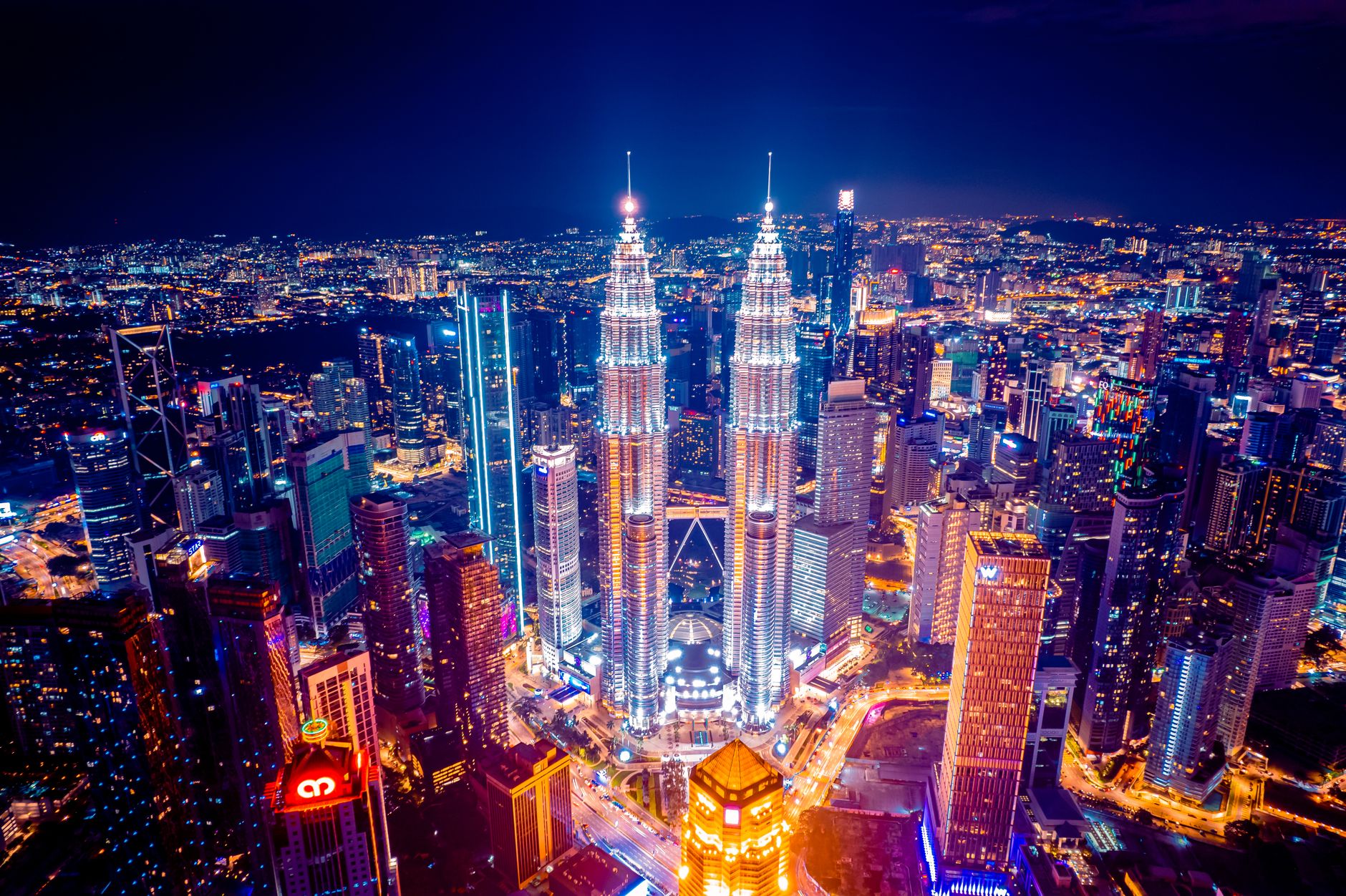
The Petronas Twin Towers are the image most people associate with Kuala Lumpur, and seeing them in person is an unforgettable introduction to the city. Their twin silver forms rise above the surrounding buildings, reflecting the light by day and glowing against the night sky after dark. The towers are impressive from almost every angle, but the experience becomes even more special when you take time to enjoy the surrounding Kuala Lumpur City Centre district.
Spend some time in KLCC Park, where landscaped gardens, walking paths and water features create a peaceful contrast to the towers above. It is a lovely place to slow down after a busy day of sightseeing, take photographs and watch the changing light over the city. The evening atmosphere is particularly beautiful when the skyline begins to sparkle and the surrounding buildings come alive.
If you would like to visit the Skybridge and observation deck, book through the official Petronas Twin Towers website and check the current opening schedule before your visit. Tickets and visiting arrangements can change, so planning ahead is worthwhile. Even if you decide not to go inside, seeing the towers from the park and nearby streets is an essential Kuala Lumpur experience
Discover the City from KL Tower
For a different perspective on Kuala Lumpur, head to KL Tower, also known as Menara Kuala Lumpur. Rising above the city on Bukit Nanas, it offers sweeping views across the urban landscape, with the Petronas Twin Towers forming a particularly striking part of the skyline. On a clear day, the view reveals just how dramatically the city blends high-rise development with pockets of tropical greenery.
The observation areas offer an opportunity to appreciate the scale of Kuala Lumpur, while the surrounding Bukit Nanas area provides a reminder that nature is never entirely far away. Consider visiting in the late afternoon, when the light softens and the city transitions from daylight to its illuminated evening appearance. If photography is part of your travel plans, this is one of the most rewarding places to capture the city from above.
You do not necessarily need to visit every observation deck in Kuala Lumpur. However, KL Tower and the Petronas Twin Towers offer different perspectives, making both worthwhile if panoramic city views are high on your list.
Step into the Colourful World of Batu Caves
A visit to Batu Caves introduces a completely different side of the Kuala Lumpur experience. Located just outside the city centre, this celebrated Hindu religious site is set within dramatic limestone hills, with a monumental golden statue of Lord Murugan standing beside the famous staircase leading towards the main cave entrance.
The climb up the colourful staircase is part of the experience. From above, the city feels a little more distant, replaced by limestone formations, greenery and the sounds of visitors exploring the site. Inside the main cave, the high natural ceiling and rocky surroundings create an atmosphere that feels strikingly different from the modern city below. The site is both a place of worship and a significant cultural landmark, so approach your visit with respect.
Dress modestly, follow local guidance and be mindful of people who are there to pray. The steps can be steep, and the tropical heat can make the climb feel more demanding than expected, so bring water and take your time. Visiting earlier in the day can also help you avoid the strongest heat and some of the larger crowds.
Batu Caves is one of those places that reminds you how much variety a trip to Kuala Lumpur can hold. Within a relatively short journey from the city’s skyscrapers, you can find a landscape shaped by nature and a religious tradition that remains deeply important to local communities.
Wander Through Merdeka Square and the Historic City Centre
While Kuala Lumpur is celebrated for its modern skyline, its historic centre deserves just as much attention. Merdeka Square, also known as Dataran Merdeka, is an important landmark in Malaysia’s national story. The surrounding area features historic buildings, open spaces and architectural details that offer a glimpse into the city’s past.
Take your time walking through the district rather than treating it as a quick photograph stop. The contrast between historic facades and the contemporary skyline makes this part of Kuala Lumpur particularly interesting. Nearby streets reveal different architectural styles, while the area’s civic buildings provide a sense of the city’s development over time.
This is also a wonderful neighbourhood for travellers who enjoy discovering destinations on foot. You can pause for photographs, admire the buildings and explore nearby streets at your own pace. Comfortable shoes are useful, especially if you plan to combine Merdeka Square with Central Market and Chinatown in a single outing.
Explore Central Market for Art, Crafts and Local Character
Central Market is one of the most enjoyable places in Kuala Lumpur to discover Malaysian arts, crafts and souvenirs. The historic market building houses shops selling batik, textiles, handmade objects, artwork and gifts that reflect the country’s diverse cultural traditions. It is a good place to look for something more personal than a conventional souvenir, whether that means a piece of fabric, a small artwork or a handcrafted keepsake.
Unlike a quick shopping stop in a large mall, browsing Central Market invites you to slow down. Take time to look at the patterns, materials and workmanship behind the objects on display. If you enjoy bringing home meaningful reminders of a journey, this is the sort of place where you can find something that carries a little of the destination’s character with it.
Central Market also works well as part of a wider exploration of the old city. It is within walking distance of Petaling Street and other historic landmarks, making it easy to combine shopping with food, architecture and a little unstructured wandering. Check the official Central Market visitor information for directions and transport options before you go.
Experience the Energy of Chinatown and Petaling Street
Kuala Lumpur’s Chinatown is a lively mix of food stalls, traditional shops, historic shophouses and busy pedestrian streets. At its heart, Petaling Street offers a sensory introduction to the city’s street culture, with vendors, shoppers and diners sharing the same bustling space. It is a place to explore with an open mind and a little time to spare.
Visit during the day to appreciate the surrounding architecture and browse the shops, or return later when the area becomes busier and the food scene takes centre stage. Look out for local snacks, noodle dishes, fresh drinks and small eateries where the menu might introduce you to something new. Rather than planning every stop, allow yourself to follow the smells and sounds of the street.
The pleasure of Chinatown often lies in the small discoveries. A quiet temple tucked between shops, an old sign above a doorway or a family-run food stall can become just as memorable as the better-known landmarks. Keep your belongings secure in crowded areas, compare prices before buying and remember that the best experiences often come from taking your time.
Find Calm at Thean Hou Temple
Perched on a hill overlooking parts of Kuala Lumpur, Thean Hou Temple is one of the city’s most beautiful cultural landmarks. Its layered roofs, decorative details, lanterns and colourful architectural features make it a rewarding place to visit for anyone interested in design, heritage or photography.
The temple offers a different rhythm from the city’s busy shopping districts. Move through the courtyards slowly, notice the craftsmanship and take in the views from the surrounding grounds. The details are worth appreciating, from the ornamental rooflines to the intricate decorations that give the complex its distinctive character.
As a place of worship, Thean Hou Temple should be approached respectfully. Keep your voice low where appropriate, follow any visitor guidance and be considerate of people who are there for religious reasons. Visiting during quieter hours can make it easier to appreciate the atmosphere without feeling rushed.
Spend an Afternoon in KLCC Park
Kuala Lumpur can be an intense city to explore, particularly when the weather is hot and humid. KLCC Park offers a welcome opportunity to pause between attractions. With its landscaped gardens, walking paths and views of the Petronas Twin Towers, it creates a pocket of calm in the middle of the city’s busiest modern district.
You might come here for a morning walk, a break between shopping and sightseeing or a relaxed evening watching the skyline change colour. The park is especially appealing to travellers who want to balance a packed itinerary with moments that feel spontaneous and unhurried. Find a comfortable spot, take a few photographs and enjoy the simple pleasure of being outdoors.
For a more memorable visit, return after dark when the surrounding buildings are illuminated. Kuala Lumpur has a wonderful evening atmosphere, and seeing the towers reflected in the city lights can be one of the defining images of your trip.
Discover Kuala Lumpur Through Its Food
Food is one of the strongest reasons to visit Kuala Lumpur. The city’s culinary culture reflects its Malay, Chinese and Indian influences, creating a dining scene that moves effortlessly between street stalls, traditional coffee shops, bustling food courts and sophisticated restaurants. You can eat exceptionally well without turning every meal into an expensive occasion, and some of the most memorable dishes are found in simple places filled with local diners.
Try Nasi Lemak, Malaysia’s Beloved National Dish
Nasi lemak is one of Malaysia’s best-known dishes and an excellent place to begin exploring the local food scene. Traditionally made with rice cooked in coconut milk, it is served with accompaniments such as sambal, fried anchovies, peanuts, cucumber and egg. Depending on the restaurant or stall, you may also find chicken, beef or other additions.
The combination of creamy rice, savoury ingredients and spicy sambal creates a dish that is both comforting and full of flavour. It is commonly eaten for breakfast but can be enjoyed throughout the day. If you are unsure about spice levels, ask before ordering, as sambal can vary considerably from one place to another.
Taste the Rich Flavours of Laksa
Laksa is another dish worth seeking out during your stay. This broad family of noodle soups comes in different regional styles, with broths that may be coconut-rich, spicy, tangy or deeply aromatic. Each version offers a different balance of flavours, so trying laksa in Kuala Lumpur is an opportunity to explore the variety of Malaysian cooking.
A bowl can bring together noodles, herbs, seafood or meat, vegetables and a broth layered with spices. It is the sort of meal that feels especially satisfying after a morning of walking through the city. Ask locals or your accommodation host which nearby restaurant serves their favourite version, and be open to trying a style you have not encountered before.
Explore the Street Food Scene
Kuala Lumpur’s street food scene is a destination in itself. From smoky satay skewers to char kway teow, roti canai and bowls of freshly prepared noodles, the city’s stalls and casual eateries offer a delicious introduction to local life. Food markets and busy dining streets are particularly appealing because they allow you to sample several dishes without committing to one large meal.
Follow the crowds, look for stalls with a steady flow of customers and choose food that is cooked fresh in front of you. If you have dietary restrictions, ask about ingredients rather than assuming that a dish is suitable. Malay, Chinese and Indian cooking each bring different ingredients and preparation methods, so there is plenty to explore.
Travellers who enjoy discovering a destination through its food may also enjoy our guide to the rise of specialty coffee in Singapore’s shopping district, which offers another perspective on the region’s evolving cafe culture. For Kuala Lumpur, make room for local coffee shops, traditional drinks and the small neighbourhood eateries that turn an ordinary meal into part of the travel experience.
Make Time for Roti Canai and Teh Tarik
Some of the most enjoyable food experiences are also the simplest. Roti canai, a flaky flatbread commonly served with curry or dhal, is a favourite for breakfast or a casual meal. Tear off a piece, dip it into the sauce and enjoy the contrast between the crisp exterior and soft layers inside.
Pair it with teh tarik, Malaysia’s famous pulled tea, traditionally made with tea and condensed milk. The drink is poured between containers to create its characteristic froth, and it offers a sweet, creamy contrast to the savoury food. Sitting down at a local eatery for roti canai and tea is an easy way to slow down and experience a familiar daily ritual in a new place.
Discover Kuala Lumpur’s Cafe Culture
Alongside traditional food, Kuala Lumpur has a growing cafe scene with specialty coffee, creative brunch menus, bakeries and contemporary dining spaces. These cafes are ideal for a slower morning, a break from sightseeing or an afternoon spent planning the next part of your trip.
Explore neighbourhoods beyond the main shopping streets and you may discover independent cafes tucked into renovated shophouses or modern spaces with thoughtful interiors. If you appreciate architecture and design as much as food, you might also enjoy browsing ele-home for inspiration on contemporary interiors and considered living spaces.
The Best Neighbourhoods to Explore in Kuala Lumpur
KLCC: Modern Kuala Lumpur at Its Most Iconic
KLCC is the natural choice for first-time visitors who want to be close to the city’s best-known landmarks. The Petronas Twin Towers, KLCC Park, shopping and a wide range of restaurants are all within easy reach, making the area convenient for travellers with limited time.
The district feels polished and contemporary, with impressive architecture and plenty of options for dining or an evening out. It is particularly appealing if you want to return to your hotel after sightseeing without spending too much time travelling across the city. Choose accommodation here if convenience, skyline views and easy access to major attractions are priorities.
Bukit Bintang: Shopping, Dining and Nightlife
Bukit Bintang is one of Kuala Lumpur’s liveliest districts. Shopping centres, restaurants, cafes, entertainment venues and busy streets make it a good base for travellers who like having plenty to do after dark. The area offers a mix of upscale experiences and casual dining, so you can make the evening as relaxed or energetic as you like.
It is also a useful place to stay if you want to explore the city through food. From local eateries to international restaurants, there are plenty of options nearby. Expect more movement and noise than you might find in a quieter residential district, especially around popular nightlife and shopping areas.
Chinatown: Heritage and Street-Level Discoveries
Chinatown suits travellers who enjoy history, independent shops, food stalls and the character of older urban neighbourhoods. Its streets are rewarding to explore slowly, with historic buildings, cultural landmarks and casual places to eat all close together.
Staying here can make it easier to visit Central Market, Petaling Street and Merdeka Square on foot. The atmosphere is more textured and traditional than the city’s newer business districts, offering a different perspective on Kuala Lumpur’s identity. If you enjoy destinations where a short walk can reveal something unexpected, Chinatown is worth considering.
Bangsar: A More Relaxed Local Atmosphere
Bangsar offers a different side of Kuala Lumpur, with cafes, restaurants, boutiques and a more neighbourhood-focused atmosphere. It is a good choice for travellers who have already seen the major sights or prefer to spend time exploring everyday city life rather than following a checklist of attractions.
The area can be particularly enjoyable for a leisurely breakfast, coffee or dinner. You may find yourself spending more time than expected at a cafe or wandering between small shops, which is part of the appeal. Bangsar is worth exploring if you have several days in Kuala Lumpur and want to move beyond the best-known tourist districts.
Where to Shop in Kuala Lumpur
Shopping in Kuala Lumpur ranges from air-conditioned malls filled with international brands to traditional markets and independent boutiques. The city’s major shopping centres are useful for fashion, beauty, electronics and dining, while neighbourhood markets offer a more local experience.
Suria KLCC is a natural stop if you are already visiting the Petronas Twin Towers. Its shops, restaurants and indoor spaces make it convenient during hot or rainy weather. Bukit Bintang offers more variety, with several shopping centres within the same general district, while Central Market is better suited to travellers looking for crafts, textiles and souvenirs with a Malaysian connection.
For a more relaxed shopping experience, explore smaller streets and independent stores rather than limiting yourself to large malls. Look for batik textiles, locally made crafts and objects that reflect the region’s artistic traditions. If you buy handmade items, take time to ask about the materials and workmanship. A thoughtfully chosen souvenir can become a much more meaningful reminder of your travels than something purchased in a hurry.
Green Spaces and Nature Around Kuala Lumpur
Although Kuala Lumpur is known for its skyline, nature is never far away. The city’s tropical climate supports lush gardens and green spaces, and several attractions offer a welcome change from shopping streets and busy roads. Spending time outdoors can bring a different rhythm to your itinerary, especially if you balance the major landmarks with slower mornings and shaded walks.
KLCC Park is the most convenient green space for visitors staying in the city centre. For a longer visit, the Perdana Botanical Gardens offer landscaped grounds and access to attractions in the wider park area. These spaces are ideal for an early walk before the day becomes too hot, or for a peaceful break between museums, markets and city sightseeing.
If you have extra time, consider exploring beyond the city. Day trips can introduce you to limestone landscapes, highland scenery and other parts of Selangor and the surrounding region. The best choice depends on your interests and how much time you have available. Some travellers will prefer a half-day visit to Batu Caves, while others may enjoy dedicating a full day to a more distant excursion.
Kuala Lumpur works particularly well for travellers who like combining city experiences with nature. It is not a beach destination in itself, but it can be an excellent starting point for a longer Malaysian journey that includes islands, rainforests and coastal escapes.
The Best Time to Visit Kuala Lumpur
Kuala Lumpur has a tropical climate, with warm temperatures and humidity throughout the year. Rain can occur in any season, so it is best to plan with flexibility rather than expecting consistently dry weather. A sunny morning may be followed by a heavy afternoon shower, and the city often continues at its usual pace even when the rain arrives.
For comfortable sightseeing, begin outdoor activities early in the day. Visit major landmarks and gardens in the morning, then use the warmer or wetter parts of the afternoon for museums, shopping centres, cafes or indoor attractions. An umbrella or lightweight rain jacket can be useful, along with breathable clothing and comfortable walking shoes.
Malaysia’s festive calendar can also influence the atmosphere of your visit. Major celebrations may bring colourful decorations, special events and changes to opening hours or transport demand. If you are travelling around a public holiday or festival, check local arrangements in advance and allow extra time for popular attractions.
Rather than searching for a perfect month with no rain, think about the experience you want from Kuala Lumpur. The city is rewarding throughout the year, and a little flexibility will help you enjoy it regardless of the weather.
How Many Days Do You Need in Kuala Lumpur?
For a first visit, three days is a comfortable starting point. It gives you enough time to see the main landmarks, explore a few neighbourhoods, enjoy the food scene and experience the city after dark without turning every day into a race between attractions.
With two days, focus on the Petronas Twin Towers, KLCC Park, Batu Caves, Merdeka Square, Central Market and Chinatown. You will need to group nearby sights together and accept that some neighbourhoods will have to wait for another visit. Prioritise the experiences that interest you most rather than trying to see everything.
Four or five days allows for a more relaxed itinerary. You can spend longer exploring food markets, visit additional temples and museums, discover areas such as Bangsar and enjoy a day trip beyond the centre. Extra time also makes room for the unplanned moments that often become the best memories of a city break.
If Kuala Lumpur is part of a larger Malaysian holiday, consider giving the city at least two or three nights before moving on. It is easy to underestimate how much there is to see, and a little breathing room can make the difference between simply passing through and genuinely experiencing the destination.
A Suggested Three-Day Kuala Lumpur Itinerary
Day One: The Iconic Skyline and Modern City
Begin your first morning around KLCC, where you can see the Petronas Twin Towers and explore the surrounding park. If you have booked tickets for the observation deck, plan your visit around your allocated time and leave room to enjoy the area afterwards. Stop for lunch nearby, then spend part of the afternoon browsing the shops or relaxing at a cafe.
Later, head towards KL Tower for another perspective on the skyline, or return to your hotel for a break before dinner. In the evening, enjoy a meal in the city centre and take time to see the towers illuminated after dark. It is an easy introduction to Kuala Lumpur’s modern side and a lovely way to begin the trip.
Day Two: Culture, Heritage and Street Food
Start the day with a visit to Batu Caves, arriving early if possible to avoid the strongest heat. Allow time to explore the site respectfully rather than rushing through the climb and photographs. Return to the city for lunch, then spend the afternoon exploring Merdeka Square and Central Market.
Continue towards Chinatown and Petaling Street as the day progresses. Browse the shops, look for a local snack and let the area guide you towards dinner. This part of the itinerary is best enjoyed without overplanning every stop. The atmosphere, food and small discoveries are as important as the individual landmarks.
Day Three: Gardens, Cafes and a Slower Side of Kuala Lumpur
Use your final day to explore at a gentler pace. Visit the Perdana Botanical Gardens or return to KLCC Park for a morning walk, depending on where you are staying and what you have already seen. Spend the late morning at a cafe or explore a neighbourhood such as Bangsar for a more local perspective.
In the afternoon, revisit a favourite area, shop for souvenirs or explore a museum or cultural site you missed earlier. Finish with a meal that gives you one last opportunity to enjoy Malaysian flavours. Leaving some space in the itinerary means you can follow your curiosity instead of spending the entire day watching the clock.
Where to Stay in Kuala Lumpur
Choosing the right neighbourhood can shape your experience of the city. If this is your first visit, KLCC is a convenient option for access to the Petronas Twin Towers, the park and major shopping areas. Bukit Bintang suits travellers who want restaurants, shops and nightlife close by, while Chinatown is appealing if you prefer historic streets, markets and a more traditional atmosphere.
Kuala Lumpur offers accommodation across a wide range of budgets, from stylish boutique hotels and serviced apartments to international luxury properties. Consider what matters most to you: a rooftop pool, a skyline view, easy access to public transport or a quieter place to retreat after a day exploring. A beautiful hotel can add to the experience, but location is often more valuable than choosing the most impressive room.
For a first visit of three or four days, staying somewhere close to an MRT or LRT station can make getting around much easier. Before booking, check the walking distance to transport, nearby dining options and whether the hotel is close to the attractions you most want to visit.
Getting Around Kuala Lumpur
Kuala Lumpur has a public transport network that includes MRT, LRT, monorail and commuter rail services. These can be useful for travelling between major districts, particularly when traffic is heavy. If you are staying near a station, you may be able to reach many of the city’s main attractions without relying on a car.
Ride-hailing services are another convenient option, especially for journeys that are less direct by train or when travelling in a group. Allow extra time during busy periods, as road traffic can be unpredictable. Walking is enjoyable in some districts, but distances between attractions may be longer than they appear on a map, and the heat and humidity can make a short walk feel demanding.
A practical approach is to combine transport methods. Walk around compact areas such as Chinatown and Central Market, use trains for longer journeys where convenient and book a ride when it saves significant time. If you are visiting the Petronas Twin Towers, check the official visitor information for transport options.
Practical Tips for Visiting Kuala Lumpur
Kuala Lumpur is relatively straightforward to explore, but a few simple preparations can make your trip more comfortable. The tropical climate means lightweight, breathable clothing is useful throughout the year. Comfortable shoes are essential for sightseeing, and a compact umbrella can come in handy when afternoon rain arrives.
Carry water when exploring outdoors, particularly if you are visiting Batu Caves or spending several hours walking between attractions. When visiting religious sites, choose respectful clothing and follow any local rules about entry, footwear and photography. It is also worth keeping some small cash available for markets and smaller food stalls, even if you expect to use cards for most purchases.
Before travelling, check the entry requirements that apply to your nationality and confirm any required arrival documentation through official Malaysian government channels. Keep copies of your accommodation details and onward travel arrangements, and consider travel insurance that suits your itinerary.
Most importantly, do not feel that you need to fill every hour. Kuala Lumpur is a city best experienced through a mixture of famous landmarks and everyday moments. Leave space for a leisurely breakfast, an unexpected market discovery or a second visit to a neighbourhood you particularly enjoy.
Kuala Lumpur for Different Types of Travellers
For Couples
Kuala Lumpur can be a wonderful city escape for couples, particularly if you enjoy rooftop dining, beautiful hotels, evening skyline views and exploring new food together. Spend the day visiting cultural landmarks and markets, then choose a restaurant with a view or find a relaxed neighbourhood cafe for dinner. A hotel with a pool can also provide a welcome break from the city’s heat.
For Families
Families will find plenty to enjoy, from the park and interactive attractions around KLCC to cultural landmarks, shopping centres and food markets. Plan outdoor activities earlier in the day, allow time for breaks and avoid trying to fit too many distant attractions into a single afternoon. A centrally located hotel can make it easier to return for a rest when younger travellers need one.
For Solo Travellers
Kuala Lumpur offers a varied mix of food, shopping, culture and urban exploration, making it an appealing destination for solo travellers. Staying in a well-connected area can simplify transport, while group tours can be useful for excursions outside the centre. As in any large city, keep an eye on your belongings in crowded places and use reputable transport options, particularly late at night.
For Food Lovers
Food lovers could easily spend several days exploring Kuala Lumpur through its hawker stalls, traditional coffee shops, markets and contemporary restaurants. Try familiar Malaysian favourites alongside dishes that are new to you, and ask local residents for recommendations. Allow time for more than one food stop each day, because sampling small dishes across different neighbourhoods can be one of the most enjoyable ways to understand the city.
Frequently Asked Questions About Kuala Lumpur
Is Kuala Lumpur worth visiting?
Absolutely. Kuala Lumpur combines modern architecture, cultural landmarks, lively markets, excellent food and convenient shopping in one accessible city. It is rewarding as a standalone city break and works particularly well as the first stop on a wider Malaysian adventure.
How many days should I spend in Kuala Lumpur?
Three days is a good starting point for a first visit. This gives you time to see the major landmarks, explore Chinatown and Central Market, visit Batu Caves and experience the local food scene. Four or five days allows for a more relaxed pace and additional excursions.
What is Kuala Lumpur best known for?
Kuala Lumpur is best known for the Petronas Twin Towers, its diverse food culture, lively shopping districts, historic neighbourhoods and the cultural mix that shapes the city. Batu Caves and KL Tower are also among its best-known attractions.
What is the best time to visit Kuala Lumpur?
Kuala Lumpur is warm and humid throughout the year, with rain possible in every season. Rather than relying on a completely dry period, plan outdoor sightseeing for the morning and keep indoor activities available for rainy afternoons.
Is Kuala Lumpur expensive?
Kuala Lumpur can suit a range of budgets. Street food, public transport and casual restaurants can be affordable, while luxury hotels, rooftop dining and premium shopping increase costs. Your overall budget will depend largely on your accommodation and the experiences you choose.
Is Kuala Lumpur easy to get around without a car?
Yes. MRT, LRT, monorail services and ride-hailing options make it possible to explore many popular areas without renting a car. Staying close to a rail station can make your trip particularly convenient.
What food should I try in Kuala Lumpur?
Start with nasi lemak, roti canai, laksa, satay and char kway teow. Teh tarik is worth trying too. The city has a huge range of Malay, Chinese and Indian food, so leave room to explore dishes beyond the most familiar favourites.
Is Batu Caves worth visiting?
Yes. Batu Caves combines dramatic limestone scenery with an important Hindu religious site. It is one of the most memorable excursions from Kuala Lumpur, especially if you enjoy cultural landmarks and unusual natural landscapes. Dress respectfully and prepare for a climb up the staircase.
Where is the best area to stay in Kuala Lumpur?
KLCC is convenient for major landmarks and skyline views. Bukit Bintang suits travellers who want shopping, restaurants and nightlife nearby. Chinatown is a good choice for historic streets, markets and a more traditional atmosphere. Choose based on your interests and transport needs.
Can Kuala Lumpur be combined with a beach holiday?
Definitely. Kuala Lumpur works well as the city portion of a longer Malaysian itinerary. After exploring the capital, you can continue to a coastal destination or island depending on your travel dates, interests and preferred pace.
Is Kuala Lumpur suitable for a first trip to Southeast Asia?
Yes. Its range of accommodation, public transport, food options and major attractions makes it a useful introduction to the region. The cultural diversity also gives visitors an opportunity to experience several traditions within one city.
The Wrap
Kuala Lumpur is a city of contrasts in the best possible way. Its skyline is bold and modern, yet its most memorable experiences may come from wandering through an old neighbourhood, stepping into a temple, sharing a meal at a busy food stall or finding a quiet moment in a green city park.
It is a destination that rewards curiosity. The Petronas Twin Towers may be what first draws you in, but the food, people, neighbourhoods and cultural layers are what give the city its lasting character. There is no single way to experience Kuala Lumpur, and that is part of what makes it so appealing.
Give yourself at least a few days, make time for the landmarks that interest you most and leave room for the unexpected. You may arrive for the skyline and leave remembering a bowl of noodles, the colours of Central Market or the feeling of watching the city light up after sunset.
For travellers looking to experience Southeast Asia through a mix of culture, food and urban energy, Kuala Lumpur is a wonderful place to begin.
Where to Next?
If Kuala Lumpur inspires you to explore more of Asia, continue your journey with these Eat Live Escape travel guides.
Koh Samui, Thailand: The Island Escape That Makes You Want to Slow Down After the energy of Kuala Lumpur, Koh Samui offers a different kind of escape, with tropical beaches, swaying palms, golden temples and fresh Thai flavours. It is an ideal next stop if you want to trade city streets for warm water and slower island days.
Escape: Singapore Singapore is another fascinating city for travellers who love food, contemporary architecture, shopping and beautifully designed urban spaces. Pairing it with Kuala Lumpur creates an exciting Southeast Asian city journey, with plenty of contrasts to discover along the way. The Ultimate Maldives Travel Guide for First Time Visitors If your ideal holiday combines a city adventure with a little time beside turquoise water, the Maldives offers a completely different atmosphere. Explore the guide for inspiration on island stays, marine experiences and planning a tropical escape.
Morocco Travel Guide: Marrakech, the Sahara, Coastal Towns and the Magic Between If the cultural contrasts of Kuala Lumpur leave you wanting to explore another destination rich in markets, architecture and food traditions, Morocco is a wonderful place to turn next. From the energy of Marrakech to the quiet scale of the Sahara, it offers a journey filled with colour, history and unforgettable landscapes.


Kuala Lumpur is a city that knows how to surprise you. One moment, you are standing beneath glittering skyscrapers that seem to touch the clouds. The next, you are wandering through a colourful street market, stepping into a centuries-old place of worship or sitting down to a steaming plate of noodles while the city carries on around you. It is a destination where modern Asia and centuries of tradition exist side by side, creating a travel experience that feels energetic, welcoming and endlessly fascinating.
Malaysia’s capital is more than a convenient stopover. It is a place to experience the richness of Southeast Asian culture through its food, architecture, neighbourhoods and everyday rituals. Malay, Chinese and Indian influences shape everything from the city’s religious landmarks to its bustling dining scene, giving Kuala Lumpur a character that is distinctly its own. Add tropical greenery, rooftop views, excellent shopping and easy access to nature, and you have a destination that deserves far more than a hurried overnight stay.
Whether you are planning your first adventure in Southeast Asia, dreaming of a long weekend filled with food and culture or adding a city break to a wider Malaysian holiday, Kuala Lumpur offers plenty of reasons to linger. This guide explores the essential sights, the neighbourhoods worth getting lost in, the flavours to seek out and the practical details that will help you experience the city at its best.
Why Visit Kuala Lumpur?
Kuala Lumpur brings together many of the experiences travellers love about Asia without asking you to choose just one. You can begin the morning with a traditional Malaysian breakfast, spend the afternoon exploring contemporary galleries and historic streets, and finish the day watching the skyline sparkle from a rooftop bar or restaurant. The contrast between old and new is part of the city’s appeal, with modern developments standing alongside historic shophouses, ornate temples and lively neighbourhood markets.
The city is also wonderfully diverse. Its food reflects generations of cultural exchange, its festivals bring streets and communities to life, and its architecture tells stories of Malaysia’s past and future. Visitors can explore grand mosques, Hindu temples, Chinese cultural landmarks and colonial-era buildings within the same trip, gaining a deeper understanding of the country as they move between neighbourhoods.
For travellers who enjoy combining a city escape with something more adventurous, Kuala Lumpur is an excellent starting point for exploring Malaysia. Rainforest experiences, limestone caves, highland retreats, tropical islands and historic towns can all become part of a longer itinerary. If you love the feeling of arriving somewhere completely different from home, Kuala Lumpur offers that sense of discovery from the moment you step outside.
The Best Things to Do in Kuala Lumpur
Stand Beneath the Magnificent Petronas Twin Towers
The Petronas Twin Towers are the image most people associate with Kuala Lumpur, and seeing them in person is an unforgettable introduction to the city. Their twin silver forms rise above the surrounding buildings, reflecting the light by day and glowing against the night sky after dark. The towers are impressive from almost every angle, but the experience becomes even more special when you take time to enjoy the surrounding Kuala Lumpur City Centre district.
Spend some time in KLCC Park, where landscaped gardens, walking paths and water features create a peaceful contrast to the towers above. It is a lovely place to slow down after a busy day of sightseeing, take photographs and watch the changing light over the city. The evening atmosphere is particularly beautiful when the skyline begins to sparkle and the surrounding buildings come alive.
If you would like to visit the Skybridge and observation deck, book through the official Petronas Twin Towers website and check the current opening schedule before your visit. Tickets and visiting arrangements can change, so planning ahead is worthwhile. Even if you decide not to go inside, seeing the towers from the park and nearby streets is an essential Kuala Lumpur experience
Discover the City from KL Tower
For a different perspective on Kuala Lumpur, head to KL Tower, also known as Menara Kuala Lumpur. Rising above the city on Bukit Nanas, it offers sweeping views across the urban landscape, with the Petronas Twin Towers forming a particularly striking part of the skyline. On a clear day, the view reveals just how dramatically the city blends high-rise development with pockets of tropical greenery.
The observation areas offer an opportunity to appreciate the scale of Kuala Lumpur, while the surrounding Bukit Nanas area provides a reminder that nature is never entirely far away. Consider visiting in the late afternoon, when the light softens and the city transitions from daylight to its illuminated evening appearance. If photography is part of your travel plans, this is one of the most rewarding places to capture the city from above.
You do not necessarily need to visit every observation deck in Kuala Lumpur. However, KL Tower and the Petronas Twin Towers offer different perspectives, making both worthwhile if panoramic city views are high on your list.
Step into the Colourful World of Batu Caves
A visit to Batu Caves introduces a completely different side of the Kuala Lumpur experience. Located just outside the city centre, this celebrated Hindu religious site is set within dramatic limestone hills, with a monumental golden statue of Lord Murugan standing beside the famous staircase leading towards the main cave entrance.
The climb up the colourful staircase is part of the experience. From above, the city feels a little more distant, replaced by limestone formations, greenery and the sounds of visitors exploring the site. Inside the main cave, the high natural ceiling and rocky surroundings create an atmosphere that feels strikingly different from the modern city below. The site is both a place of worship and a significant cultural landmark, so approach your visit with respect.
Dress modestly, follow local guidance and be mindful of people who are there to pray. The steps can be steep, and the tropical heat can make the climb feel more demanding than expected, so bring water and take your time. Visiting earlier in the day can also help you avoid the strongest heat and some of the larger crowds.
Batu Caves is one of those places that reminds you how much variety a trip to Kuala Lumpur can hold. Within a relatively short journey from the city’s skyscrapers, you can find a landscape shaped by nature and a religious tradition that remains deeply important to local communities.
Wander Through Merdeka Square and the Historic City Centre
While Kuala Lumpur is celebrated for its modern skyline, its historic centre deserves just as much attention. Merdeka Square, also known as Dataran Merdeka, is an important landmark in Malaysia’s national story. The surrounding area features historic buildings, open spaces and architectural details that offer a glimpse into the city’s past.
Take your time walking through the district rather than treating it as a quick photograph stop. The contrast between historic facades and the contemporary skyline makes this part of Kuala Lumpur particularly interesting. Nearby streets reveal different architectural styles, while the area’s civic buildings provide a sense of the city’s development over time.
This is also a wonderful neighbourhood for travellers who enjoy discovering destinations on foot. You can pause for photographs, admire the buildings and explore nearby streets at your own pace. Comfortable shoes are useful, especially if you plan to combine Merdeka Square with Central Market and Chinatown in a single outing.
Explore Central Market for Art, Crafts and Local Character
Central Market is one of the most enjoyable places in Kuala Lumpur to discover Malaysian arts, crafts and souvenirs. The historic market building houses shops selling batik, textiles, handmade objects, artwork and gifts that reflect the country’s diverse cultural traditions. It is a good place to look for something more personal than a conventional souvenir, whether that means a piece of fabric, a small artwork or a handcrafted keepsake.
Unlike a quick shopping stop in a large mall, browsing Central Market invites you to slow down. Take time to look at the patterns, materials and workmanship behind the objects on display. If you enjoy bringing home meaningful reminders of a journey, this is the sort of place where you can find something that carries a little of the destination’s character with it.
Central Market also works well as part of a wider exploration of the old city. It is within walking distance of Petaling Street and other historic landmarks, making it easy to combine shopping with food, architecture and a little unstructured wandering. Check the official Central Market visitor information for directions and transport options before you go.
Experience the Energy of Chinatown and Petaling Street
Kuala Lumpur’s Chinatown is a lively mix of food stalls, traditional shops, historic shophouses and busy pedestrian streets. At its heart, Petaling Street offers a sensory introduction to the city’s street culture, with vendors, shoppers and diners sharing the same bustling space. It is a place to explore with an open mind and a little time to spare.
Visit during the day to appreciate the surrounding architecture and browse the shops, or return later when the area becomes busier and the food scene takes centre stage. Look out for local snacks, noodle dishes, fresh drinks and small eateries where the menu might introduce you to something new. Rather than planning every stop, allow yourself to follow the smells and sounds of the street.
The pleasure of Chinatown often lies in the small discoveries. A quiet temple tucked between shops, an old sign above a doorway or a family-run food stall can become just as memorable as the better-known landmarks. Keep your belongings secure in crowded areas, compare prices before buying and remember that the best experiences often come from taking your time.
Find Calm at Thean Hou Temple
Perched on a hill overlooking parts of Kuala Lumpur, Thean Hou Temple is one of the city’s most beautiful cultural landmarks. Its layered roofs, decorative details, lanterns and colourful architectural features make it a rewarding place to visit for anyone interested in design, heritage or photography.
The temple offers a different rhythm from the city’s busy shopping districts. Move through the courtyards slowly, notice the craftsmanship and take in the views from the surrounding grounds. The details are worth appreciating, from the ornamental rooflines to the intricate decorations that give the complex its distinctive character.
As a place of worship, Thean Hou Temple should be approached respectfully. Keep your voice low where appropriate, follow any visitor guidance and be considerate of people who are there for religious reasons. Visiting during quieter hours can make it easier to appreciate the atmosphere without feeling rushed.
Spend an Afternoon in KLCC Park
Kuala Lumpur can be an intense city to explore, particularly when the weather is hot and humid. KLCC Park offers a welcome opportunity to pause between attractions. With its landscaped gardens, walking paths and views of the Petronas Twin Towers, it creates a pocket of calm in the middle of the city’s busiest modern district.
You might come here for a morning walk, a break between shopping and sightseeing or a relaxed evening watching the skyline change colour. The park is especially appealing to travellers who want to balance a packed itinerary with moments that feel spontaneous and unhurried. Find a comfortable spot, take a few photographs and enjoy the simple pleasure of being outdoors.
For a more memorable visit, return after dark when the surrounding buildings are illuminated. Kuala Lumpur has a wonderful evening atmosphere, and seeing the towers reflected in the city lights can be one of the defining images of your trip.
Discover Kuala Lumpur Through Its Food
Food is one of the strongest reasons to visit Kuala Lumpur. The city’s culinary culture reflects its Malay, Chinese and Indian influences, creating a dining scene that moves effortlessly between street stalls, traditional coffee shops, bustling food courts and sophisticated restaurants. You can eat exceptionally well without turning every meal into an expensive occasion, and some of the most memorable dishes are found in simple places filled with local diners.
Try Nasi Lemak, Malaysia’s Beloved National Dish
Nasi lemak is one of Malaysia’s best-known dishes and an excellent place to begin exploring the local food scene. Traditionally made with rice cooked in coconut milk, it is served with accompaniments such as sambal, fried anchovies, peanuts, cucumber and egg. Depending on the restaurant or stall, you may also find chicken, beef or other additions.
The combination of creamy rice, savoury ingredients and spicy sambal creates a dish that is both comforting and full of flavour. It is commonly eaten for breakfast but can be enjoyed throughout the day. If you are unsure about spice levels, ask before ordering, as sambal can vary considerably from one place to another.
Taste the Rich Flavours of Laksa
Laksa is another dish worth seeking out during your stay. This broad family of noodle soups comes in different regional styles, with broths that may be coconut-rich, spicy, tangy or deeply aromatic. Each version offers a different balance of flavours, so trying laksa in Kuala Lumpur is an opportunity to explore the variety of Malaysian cooking.
A bowl can bring together noodles, herbs, seafood or meat, vegetables and a broth layered with spices. It is the sort of meal that feels especially satisfying after a morning of walking through the city. Ask locals or your accommodation host which nearby restaurant serves their favourite version, and be open to trying a style you have not encountered before.
Explore the Street Food Scene
Kuala Lumpur’s street food scene is a destination in itself. From smoky satay skewers to char kway teow, roti canai and bowls of freshly prepared noodles, the city’s stalls and casual eateries offer a delicious introduction to local life. Food markets and busy dining streets are particularly appealing because they allow you to sample several dishes without committing to one large meal.
Follow the crowds, look for stalls with a steady flow of customers and choose food that is cooked fresh in front of you. If you have dietary restrictions, ask about ingredients rather than assuming that a dish is suitable. Malay, Chinese and Indian cooking each bring different ingredients and preparation methods, so there is plenty to explore.
Travellers who enjoy discovering a destination through its food may also enjoy our guide to the rise of specialty coffee in Singapore’s shopping district, which offers another perspective on the region’s evolving cafe culture. For Kuala Lumpur, make room for local coffee shops, traditional drinks and the small neighbourhood eateries that turn an ordinary meal into part of the travel experience.
Make Time for Roti Canai and Teh Tarik
Some of the most enjoyable food experiences are also the simplest. Roti canai, a flaky flatbread commonly served with curry or dhal, is a favourite for breakfast or a casual meal. Tear off a piece, dip it into the sauce and enjoy the contrast between the crisp exterior and soft layers inside.
Pair it with teh tarik, Malaysia’s famous pulled tea, traditionally made with tea and condensed milk. The drink is poured between containers to create its characteristic froth, and it offers a sweet, creamy contrast to the savoury food. Sitting down at a local eatery for roti canai and tea is an easy way to slow down and experience a familiar daily ritual in a new place.
Discover Kuala Lumpur’s Cafe Culture
Alongside traditional food, Kuala Lumpur has a growing cafe scene with specialty coffee, creative brunch menus, bakeries and contemporary dining spaces. These cafes are ideal for a slower morning, a break from sightseeing or an afternoon spent planning the next part of your trip.
Explore neighbourhoods beyond the main shopping streets and you may discover independent cafes tucked into renovated shophouses or modern spaces with thoughtful interiors. If you appreciate architecture and design as much as food, you might also enjoy browsing ele-home for inspiration on contemporary interiors and considered living spaces.
The Best Neighbourhoods to Explore in Kuala Lumpur
KLCC: Modern Kuala Lumpur at Its Most Iconic
KLCC is the natural choice for first-time visitors who want to be close to the city’s best-known landmarks. The Petronas Twin Towers, KLCC Park, shopping and a wide range of restaurants are all within easy reach, making the area convenient for travellers with limited time.
The district feels polished and contemporary, with impressive architecture and plenty of options for dining or an evening out. It is particularly appealing if you want to return to your hotel after sightseeing without spending too much time travelling across the city. Choose accommodation here if convenience, skyline views and easy access to major attractions are priorities.
Bukit Bintang: Shopping, Dining and Nightlife
Bukit Bintang is one of Kuala Lumpur’s liveliest districts. Shopping centres, restaurants, cafes, entertainment venues and busy streets make it a good base for travellers who like having plenty to do after dark. The area offers a mix of upscale experiences and casual dining, so you can make the evening as relaxed or energetic as you like.
It is also a useful place to stay if you want to explore the city through food. From local eateries to international restaurants, there are plenty of options nearby. Expect more movement and noise than you might find in a quieter residential district, especially around popular nightlife and shopping areas.
Chinatown: Heritage and Street-Level Discoveries
Chinatown suits travellers who enjoy history, independent shops, food stalls and the character of older urban neighbourhoods. Its streets are rewarding to explore slowly, with historic buildings, cultural landmarks and casual places to eat all close together.
Staying here can make it easier to visit Central Market, Petaling Street and Merdeka Square on foot. The atmosphere is more textured and traditional than the city’s newer business districts, offering a different perspective on Kuala Lumpur’s identity. If you enjoy destinations where a short walk can reveal something unexpected, Chinatown is worth considering.
Bangsar: A More Relaxed Local Atmosphere
Bangsar offers a different side of Kuala Lumpur, with cafes, restaurants, boutiques and a more neighbourhood-focused atmosphere. It is a good choice for travellers who have already seen the major sights or prefer to spend time exploring everyday city life rather than following a checklist of attractions.
The area can be particularly enjoyable for a leisurely breakfast, coffee or dinner. You may find yourself spending more time than expected at a cafe or wandering between small shops, which is part of the appeal. Bangsar is worth exploring if you have several days in Kuala Lumpur and want to move beyond the best-known tourist districts.
Where to Shop in Kuala Lumpur
Shopping in Kuala Lumpur ranges from air-conditioned malls filled with international brands to traditional markets and independent boutiques. The city’s major shopping centres are useful for fashion, beauty, electronics and dining, while neighbourhood markets offer a more local experience.
Suria KLCC is a natural stop if you are already visiting the Petronas Twin Towers. Its shops, restaurants and indoor spaces make it convenient during hot or rainy weather. Bukit Bintang offers more variety, with several shopping centres within the same general district, while Central Market is better suited to travellers looking for crafts, textiles and souvenirs with a Malaysian connection.
For a more relaxed shopping experience, explore smaller streets and independent stores rather than limiting yourself to large malls. Look for batik textiles, locally made crafts and objects that reflect the region’s artistic traditions. If you buy handmade items, take time to ask about the materials and workmanship. A thoughtfully chosen souvenir can become a much more meaningful reminder of your travels than something purchased in a hurry.
Green Spaces and Nature Around Kuala Lumpur
Although Kuala Lumpur is known for its skyline, nature is never far away. The city’s tropical climate supports lush gardens and green spaces, and several attractions offer a welcome change from shopping streets and busy roads. Spending time outdoors can bring a different rhythm to your itinerary, especially if you balance the major landmarks with slower mornings and shaded walks.
KLCC Park is the most convenient green space for visitors staying in the city centre. For a longer visit, the Perdana Botanical Gardens offer landscaped grounds and access to attractions in the wider park area. These spaces are ideal for an early walk before the day becomes too hot, or for a peaceful break between museums, markets and city sightseeing.
If you have extra time, consider exploring beyond the city. Day trips can introduce you to limestone landscapes, highland scenery and other parts of Selangor and the surrounding region. The best choice depends on your interests and how much time you have available. Some travellers will prefer a half-day visit to Batu Caves, while others may enjoy dedicating a full day to a more distant excursion.
Kuala Lumpur works particularly well for travellers who like combining city experiences with nature. It is not a beach destination in itself, but it can be an excellent starting point for a longer Malaysian journey that includes islands, rainforests and coastal escapes.
The Best Time to Visit Kuala Lumpur
Kuala Lumpur has a tropical climate, with warm temperatures and humidity throughout the year. Rain can occur in any season, so it is best to plan with flexibility rather than expecting consistently dry weather. A sunny morning may be followed by a heavy afternoon shower, and the city often continues at its usual pace even when the rain arrives.
For comfortable sightseeing, begin outdoor activities early in the day. Visit major landmarks and gardens in the morning, then use the warmer or wetter parts of the afternoon for museums, shopping centres, cafes or indoor attractions. An umbrella or lightweight rain jacket can be useful, along with breathable clothing and comfortable walking shoes.
Malaysia’s festive calendar can also influence the atmosphere of your visit. Major celebrations may bring colourful decorations, special events and changes to opening hours or transport demand. If you are travelling around a public holiday or festival, check local arrangements in advance and allow extra time for popular attractions.
Rather than searching for a perfect month with no rain, think about the experience you want from Kuala Lumpur. The city is rewarding throughout the year, and a little flexibility will help you enjoy it regardless of the weather.
How Many Days Do You Need in Kuala Lumpur?
For a first visit, three days is a comfortable starting point. It gives you enough time to see the main landmarks, explore a few neighbourhoods, enjoy the food scene and experience the city after dark without turning every day into a race between attractions.
With two days, focus on the Petronas Twin Towers, KLCC Park, Batu Caves, Merdeka Square, Central Market and Chinatown. You will need to group nearby sights together and accept that some neighbourhoods will have to wait for another visit. Prioritise the experiences that interest you most rather than trying to see everything.
Four or five days allows for a more relaxed itinerary. You can spend longer exploring food markets, visit additional temples and museums, discover areas such as Bangsar and enjoy a day trip beyond the centre. Extra time also makes room for the unplanned moments that often become the best memories of a city break.
If Kuala Lumpur is part of a larger Malaysian holiday, consider giving the city at least two or three nights before moving on. It is easy to underestimate how much there is to see, and a little breathing room can make the difference between simply passing through and genuinely experiencing the destination.
A Suggested Three-Day Kuala Lumpur Itinerary
Day One: The Iconic Skyline and Modern City
Begin your first morning around KLCC, where you can see the Petronas Twin Towers and explore the surrounding park. If you have booked tickets for the observation deck, plan your visit around your allocated time and leave room to enjoy the area afterwards. Stop for lunch nearby, then spend part of the afternoon browsing the shops or relaxing at a cafe.
Later, head towards KL Tower for another perspective on the skyline, or return to your hotel for a break before dinner. In the evening, enjoy a meal in the city centre and take time to see the towers illuminated after dark. It is an easy introduction to Kuala Lumpur’s modern side and a lovely way to begin the trip.
Day Two: Culture, Heritage and Street Food
Start the day with a visit to Batu Caves, arriving early if possible to avoid the strongest heat. Allow time to explore the site respectfully rather than rushing through the climb and photographs. Return to the city for lunch, then spend the afternoon exploring Merdeka Square and Central Market.
Continue towards Chinatown and Petaling Street as the day progresses. Browse the shops, look for a local snack and let the area guide you towards dinner. This part of the itinerary is best enjoyed without overplanning every stop. The atmosphere, food and small discoveries are as important as the individual landmarks.
Day Three: Gardens, Cafes and a Slower Side of Kuala Lumpur
Use your final day to explore at a gentler pace. Visit the Perdana Botanical Gardens or return to KLCC Park for a morning walk, depending on where you are staying and what you have already seen. Spend the late morning at a cafe or explore a neighbourhood such as Bangsar for a more local perspective.
In the afternoon, revisit a favourite area, shop for souvenirs or explore a museum or cultural site you missed earlier. Finish with a meal that gives you one last opportunity to enjoy Malaysian flavours. Leaving some space in the itinerary means you can follow your curiosity instead of spending the entire day watching the clock.
Where to Stay in Kuala Lumpur
Choosing the right neighbourhood can shape your experience of the city. If this is your first visit, KLCC is a convenient option for access to the Petronas Twin Towers, the park and major shopping areas. Bukit Bintang suits travellers who want restaurants, shops and nightlife close by, while Chinatown is appealing if you prefer historic streets, markets and a more traditional atmosphere.
Kuala Lumpur offers accommodation across a wide range of budgets, from stylish boutique hotels and serviced apartments to international luxury properties. Consider what matters most to you: a rooftop pool, a skyline view, easy access to public transport or a quieter place to retreat after a day exploring. A beautiful hotel can add to the experience, but location is often more valuable than choosing the most impressive room.
For a first visit of three or four days, staying somewhere close to an MRT or LRT station can make getting around much easier. Before booking, check the walking distance to transport, nearby dining options and whether the hotel is close to the attractions you most want to visit.
Getting Around Kuala Lumpur
Kuala Lumpur has a public transport network that includes MRT, LRT, monorail and commuter rail services. These can be useful for travelling between major districts, particularly when traffic is heavy. If you are staying near a station, you may be able to reach many of the city’s main attractions without relying on a car.
Ride-hailing services are another convenient option, especially for journeys that are less direct by train or when travelling in a group. Allow extra time during busy periods, as road traffic can be unpredictable. Walking is enjoyable in some districts, but distances between attractions may be longer than they appear on a map, and the heat and humidity can make a short walk feel demanding.
A practical approach is to combine transport methods. Walk around compact areas such as Chinatown and Central Market, use trains for longer journeys where convenient and book a ride when it saves significant time. If you are visiting the Petronas Twin Towers, check the official visitor information for transport options.
Practical Tips for Visiting Kuala Lumpur
Kuala Lumpur is relatively straightforward to explore, but a few simple preparations can make your trip more comfortable. The tropical climate means lightweight, breathable clothing is useful throughout the year. Comfortable shoes are essential for sightseeing, and a compact umbrella can come in handy when afternoon rain arrives.
Carry water when exploring outdoors, particularly if you are visiting Batu Caves or spending several hours walking between attractions. When visiting religious sites, choose respectful clothing and follow any local rules about entry, footwear and photography. It is also worth keeping some small cash available for markets and smaller food stalls, even if you expect to use cards for most purchases.
Before travelling, check the entry requirements that apply to your nationality and confirm any required arrival documentation through official Malaysian government channels. Keep copies of your accommodation details and onward travel arrangements, and consider travel insurance that suits your itinerary.
Most importantly, do not feel that you need to fill every hour. Kuala Lumpur is a city best experienced through a mixture of famous landmarks and everyday moments. Leave space for a leisurely breakfast, an unexpected market discovery or a second visit to a neighbourhood you particularly enjoy.
Kuala Lumpur for Different Types of Travellers
For Couples
Kuala Lumpur can be a wonderful city escape for couples, particularly if you enjoy rooftop dining, beautiful hotels, evening skyline views and exploring new food together. Spend the day visiting cultural landmarks and markets, then choose a restaurant with a view or find a relaxed neighbourhood cafe for dinner. A hotel with a pool can also provide a welcome break from the city’s heat.
For Families
Families will find plenty to enjoy, from the park and interactive attractions around KLCC to cultural landmarks, shopping centres and food markets. Plan outdoor activities earlier in the day, allow time for breaks and avoid trying to fit too many distant attractions into a single afternoon. A centrally located hotel can make it easier to return for a rest when younger travellers need one.
For Solo Travellers
Kuala Lumpur offers a varied mix of food, shopping, culture and urban exploration, making it an appealing destination for solo travellers. Staying in a well-connected area can simplify transport, while group tours can be useful for excursions outside the centre. As in any large city, keep an eye on your belongings in crowded places and use reputable transport options, particularly late at night.
For Food Lovers
Food lovers could easily spend several days exploring Kuala Lumpur through its hawker stalls, traditional coffee shops, markets and contemporary restaurants. Try familiar Malaysian favourites alongside dishes that are new to you, and ask local residents for recommendations. Allow time for more than one food stop each day, because sampling small dishes across different neighbourhoods can be one of the most enjoyable ways to understand the city.
Frequently Asked Questions About Kuala Lumpur
Is Kuala Lumpur worth visiting?
Absolutely. Kuala Lumpur combines modern architecture, cultural landmarks, lively markets, excellent food and convenient shopping in one accessible city. It is rewarding as a standalone city break and works particularly well as the first stop on a wider Malaysian adventure.
How many days should I spend in Kuala Lumpur?
Three days is a good starting point for a first visit. This gives you time to see the major landmarks, explore Chinatown and Central Market, visit Batu Caves and experience the local food scene. Four or five days allows for a more relaxed pace and additional excursions.
What is Kuala Lumpur best known for?
Kuala Lumpur is best known for the Petronas Twin Towers, its diverse food culture, lively shopping districts, historic neighbourhoods and the cultural mix that shapes the city. Batu Caves and KL Tower are also among its best-known attractions.
What is the best time to visit Kuala Lumpur?
Kuala Lumpur is warm and humid throughout the year, with rain possible in every season. Rather than relying on a completely dry period, plan outdoor sightseeing for the morning and keep indoor activities available for rainy afternoons.
Is Kuala Lumpur expensive?
Kuala Lumpur can suit a range of budgets. Street food, public transport and casual restaurants can be affordable, while luxury hotels, rooftop dining and premium shopping increase costs. Your overall budget will depend largely on your accommodation and the experiences you choose.
Is Kuala Lumpur easy to get around without a car?
Yes. MRT, LRT, monorail services and ride-hailing options make it possible to explore many popular areas without renting a car. Staying close to a rail station can make your trip particularly convenient.
What food should I try in Kuala Lumpur?
Start with nasi lemak, roti canai, laksa, satay and char kway teow. Teh tarik is worth trying too. The city has a huge range of Malay, Chinese and Indian food, so leave room to explore dishes beyond the most familiar favourites.
Is Batu Caves worth visiting?
Yes. Batu Caves combines dramatic limestone scenery with an important Hindu religious site. It is one of the most memorable excursions from Kuala Lumpur, especially if you enjoy cultural landmarks and unusual natural landscapes. Dress respectfully and prepare for a climb up the staircase.
Where is the best area to stay in Kuala Lumpur?
KLCC is convenient for major landmarks and skyline views. Bukit Bintang suits travellers who want shopping, restaurants and nightlife nearby. Chinatown is a good choice for historic streets, markets and a more traditional atmosphere. Choose based on your interests and transport needs.
Can Kuala Lumpur be combined with a beach holiday?
Definitely. Kuala Lumpur works well as the city portion of a longer Malaysian itinerary. After exploring the capital, you can continue to a coastal destination or island depending on your travel dates, interests and preferred pace.
Is Kuala Lumpur suitable for a first trip to Southeast Asia?
Yes. Its range of accommodation, public transport, food options and major attractions makes it a useful introduction to the region. The cultural diversity also gives visitors an opportunity to experience several traditions within one city.
The Wrap
Kuala Lumpur is a city of contrasts in the best possible way. Its skyline is bold and modern, yet its most memorable experiences may come from wandering through an old neighbourhood, stepping into a temple, sharing a meal at a busy food stall or finding a quiet moment in a green city park.
It is a destination that rewards curiosity. The Petronas Twin Towers may be what first draws you in, but the food, people, neighbourhoods and cultural layers are what give the city its lasting character. There is no single way to experience Kuala Lumpur, and that is part of what makes it so appealing.
Give yourself at least a few days, make time for the landmarks that interest you most and leave room for the unexpected. You may arrive for the skyline and leave remembering a bowl of noodles, the colours of Central Market or the feeling of watching the city light up after sunset.
For travellers looking to experience Southeast Asia through a mix of culture, food and urban energy, Kuala Lumpur is a wonderful place to begin.
Where to Next?
If Kuala Lumpur inspires you to explore more of Asia, continue your journey with these Eat Live Escape travel guides.
Koh Samui, Thailand: The Island Escape That Makes You Want to Slow Down After the energy of Kuala Lumpur, Koh Samui offers a different kind of escape, with tropical beaches, swaying palms, golden temples and fresh Thai flavours. It is an ideal next stop if you want to trade city streets for warm water and slower island days.
Escape: Singapore Singapore is another fascinating city for travellers who love food, contemporary architecture, shopping and beautifully designed urban spaces. Pairing it with Kuala Lumpur creates an exciting Southeast Asian city journey, with plenty of contrasts to discover along the way. The Ultimate Maldives Travel Guide for First Time Visitors If your ideal holiday combines a city adventure with a little time beside turquoise water, the Maldives offers a completely different atmosphere. Explore the guide for inspiration on island stays, marine experiences and planning a tropical escape.
The Azores Portugal: The Ultimate Guide to Volcanic Landscapes, Hidden Beaches and Island Escapes For another journey shaped by dramatic scenery and a slower pace, the Azores offer volcanic lakes, green hills, coastal walks and natural hot springs. It is a beautiful option for travellers who love combining outdoor adventures with memorable local food.
Morocco Travel Guide: Marrakech, the Sahara, Coastal Towns and the Magic Between If the cultural contrasts of Kuala Lumpur leave you wanting to explore another destination rich in markets, architecture and food traditions, Morocco is a wonderful place to turn next. From the energy of Marrakech to the quiet scale of the Sahara, it offers a journey filled with colour, history and unforgettable landscapes.
Share this:
Like this: