If you dream of owning a food truck, you probably love to cook and imagine the freedom of sharing your creations on the open road. But turning that dream into a successful business takes careful planning.
You’ll need a standout menu and a handle on all the paperwork. This guide breaks down the key steps to get your mobile food venture rolling.
Crafting Your Menu Concept
Your menu is the heart of your food truck. It needs to be delicious, unique, and practical for a kitchen on wheels. Start by figuring out your niche. Will you serve gourmet burgers, authentic tacos, or healthy vegan bowls? Look at your local area to see what’s missing. A focused menu with a few amazing items usually works better than a big, complicated one.
Think about how you’ll prepare and serve everything. Your dishes should be quick to make and easy for customers to eat while walking. Using fresh, local ingredients can also be a big selling point. It helps you connect with your community and adds a story to your food.
Finding the Right Mobile Kitchen
Your food truck is basically your restaurant on wheels, so picking the right vehicle is a huge decision. You’ve got a few choices: buy a new truck or trailer that’s custom-fitted, get a used vehicle that already has equipment, or convert a van or bus yourself. A new build gives you total control over the layout and gear, but it costs more. A used truck can be cheaper, but you might need to do some maintenance and upgrades to meet today’s food safety rules.
When you’re checking out a potential mobile kitchen, pay close attention to how the workflow is set up, the quality of the cooking equipment, and the vehicle’s overall condition. There’s a lot to think about when you start a mobile food business, and it’s super important to make sure your kitchen is efficient and dependable from day one.
Insuring Your Mobile Business
A food truck is a unique kind of asset because it’s both a commercial vehicle and a business location. This means regular car insurance won’t give you the protection you need. You’ll have to get a special policy that covers the vehicle itself, the expensive kitchen equipment inside, and your business operations.
Key types of coverage include commercial vehicle insurance for road accidents, public liability to protect against claims if a customer gets hurt, and product liability in case someone gets sick from your food. If you plan to hire staff, you’ll also need workers’ compensation insurance.
Figuring out all these requirements can be tricky, so it’s smart to work with a specialist. A provider like alltrucksinsurance.au can help you get the right coverage for a mobile food business, making sure you’re protected from the start.
Essential Permits and Regulations
Running a food truck legally means dealing with a bunch of permits and rules, which can change depending on the council area.
First, you’ll need to register your business and get an Australian Business Number (ABN). Then, you’ll register your food truck with your local council and get the necessary permits to trade.
You also have to follow the Food Standards Australia New Zealand (FSANZ) code, which sets food safety requirements. This usually means having at least one staff member with a certified Food Safety Supervisor qualification.
Some councils have specific areas where food trucks can operate, so it’s really important to look up the rules for every place you plan to visit. For more tips on starting your business, make sure to check local government resources.
Photo by Robert So
Marketing Your Wheels
Once you’re ready to hit the road, you need to tell people where to find you. Strong branding is key. A memorable name, a striking logo, and a well-designed truck wrap will make you instantly recognisable. Social media is your most powerful marketing tool. Use platforms like Instagram and Facebook to post mouth-watering photos of your food, share your daily or weekly location schedule, and chat with your followers.
Working with local breweries, office parks, and community events is a great way to find new customers. A simple website with your menu, contact details, and an event calendar also looks professional and makes it easy for people to book you for private parties.
Starting a food truck is tough, but it’s also incredibly rewarding. With a great idea, the right setup, and a solid business plan, you can build a loyal following and turn your passion for food into a thriving mobile business.


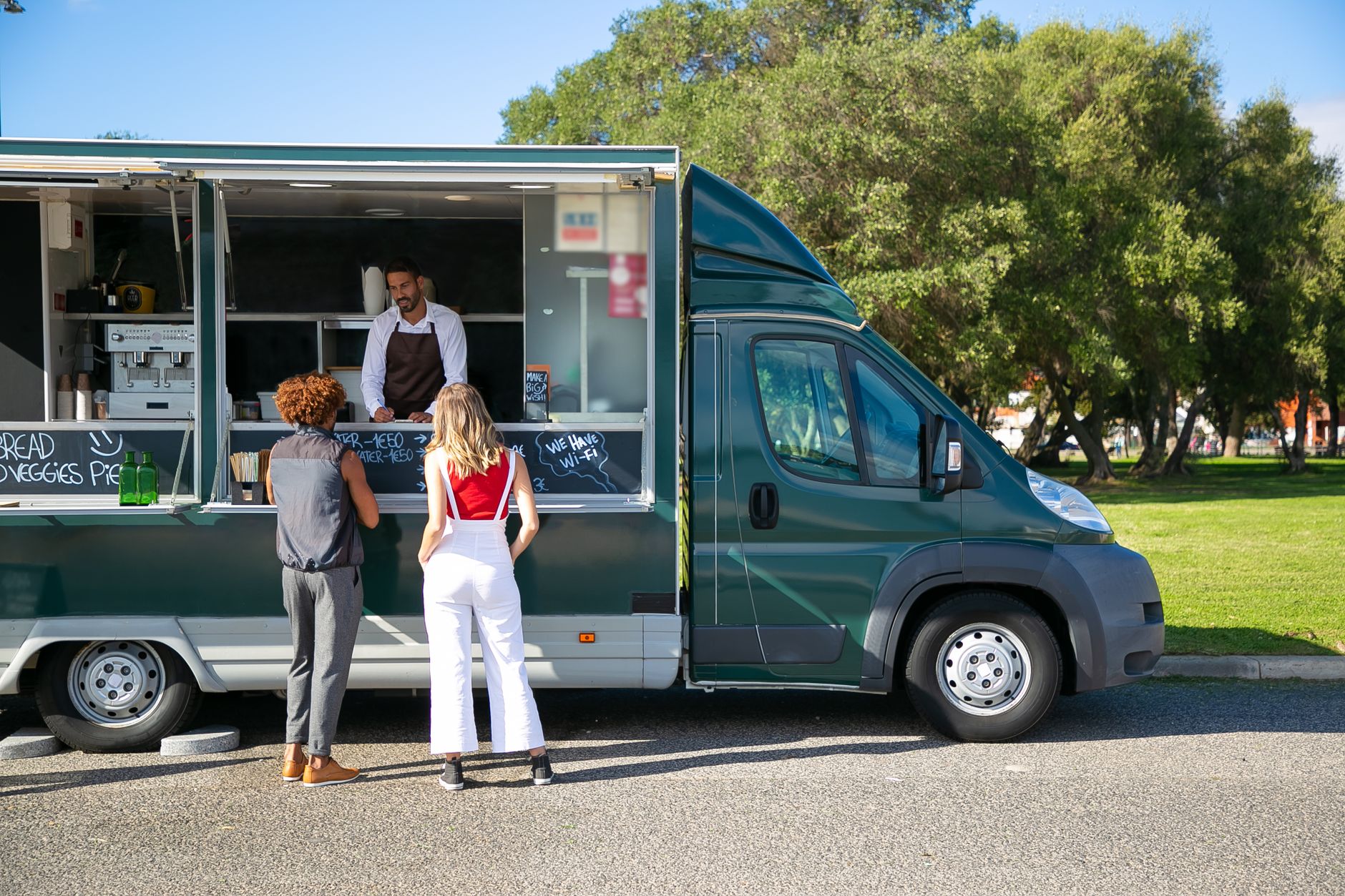
If you dream of owning a food truck, you probably love to cook and imagine the freedom of sharing your creations on the open road. But turning that dream into a successful business takes careful planning.
You’ll need a standout menu and a handle on all the paperwork. This guide breaks down the key steps to get your mobile food venture rolling.
Crafting Your Menu Concept
Your menu is the heart of your food truck. It needs to be delicious, unique, and practical for a kitchen on wheels. Start by figuring out your niche. Will you serve gourmet burgers, authentic tacos, or healthy vegan bowls? Look at your local area to see what’s missing. A focused menu with a few amazing items usually works better than a big, complicated one.
Think about how you’ll prepare and serve everything. Your dishes should be quick to make and easy for customers to eat while walking. Using fresh, local ingredients can also be a big selling point. It helps you connect with your community and adds a story to your food.
Finding the Right Mobile Kitchen
Your food truck is basically your restaurant on wheels, so picking the right vehicle is a huge decision. You’ve got a few choices: buy a new truck or trailer that’s custom-fitted, get a used vehicle that already has equipment, or convert a van or bus yourself. A new build gives you total control over the layout and gear, but it costs more. A used truck can be cheaper, but you might need to do some maintenance and upgrades to meet today’s food safety rules.
When you’re checking out a potential mobile kitchen, pay close attention to how the workflow is set up, the quality of the cooking equipment, and the vehicle’s overall condition. There’s a lot to think about when you start a mobile food business, and it’s super important to make sure your kitchen is efficient and dependable from day one.
Insuring Your Mobile Business
A food truck is a unique kind of asset because it’s both a commercial vehicle and a business location. This means regular car insurance won’t give you the protection you need. You’ll have to get a special policy that covers the vehicle itself, the expensive kitchen equipment inside, and your business operations.
Key types of coverage include commercial vehicle insurance for road accidents, public liability to protect against claims if a customer gets hurt, and product liability in case someone gets sick from your food. If you plan to hire staff, you’ll also need workers’ compensation insurance.
Figuring out all these requirements can be tricky, so it’s smart to work with a specialist. A provider like alltrucksinsurance.au can help you get the right coverage for a mobile food business, making sure you’re protected from the start.
Essential Permits and Regulations
Running a food truck legally means dealing with a bunch of permits and rules, which can change depending on the council area.
First, you’ll need to register your business and get an Australian Business Number (ABN). Then, you’ll register your food truck with your local council and get the necessary permits to trade.
You also have to follow the Food Standards Australia New Zealand (FSANZ) code, which sets food safety requirements. This usually means having at least one staff member with a certified Food Safety Supervisor qualification.
Some councils have specific areas where food trucks can operate, so it’s really important to look up the rules for every place you plan to visit. For more tips on starting your business, make sure to check local government resources.
Marketing Your Wheels
Once you’re ready to hit the road, you need to tell people where to find you. Strong branding is key. A memorable name, a striking logo, and a well-designed truck wrap will make you instantly recognisable. Social media is your most powerful marketing tool. Use platforms like Instagram and Facebook to post mouth-watering photos of your food, share your daily or weekly location schedule, and chat with your followers.
Working with local breweries, office parks, and community events is a great way to find new customers. A simple website with your menu, contact details, and an event calendar also looks professional and makes it easy for people to book you for private parties.
Starting a food truck is tough, but it’s also incredibly rewarding. With a great idea, the right setup, and a solid business plan, you can build a loyal following and turn your passion for food into a thriving mobile business.
Share this:
Like this: