Taiwan is the kind of destination that rewards curiosity. At first glance, it may be Taipei that draws you in, with its glowing skyline, temples, cafés, shopping streets and legendary night markets. But beyond the capital, Taiwan opens into a much bigger story.
There are misty mountain forests, hot springs tucked into green valleys, tea plantations, dramatic Pacific coastlines, colourful fishing towns, cycling routes, indigenous communities and quiet villages where life moves at a completely different pace. Then there is the food.
Taiwanese cuisine is reason enough to visit, whether you are eating peppery beef noodle soup in a tiny restaurant, trying your first xiaolongbao, picking your way through a night market or sitting down to a slow breakfast of soy milk, eggs and freshly made savoury pastries.
What makes Taiwan especially appealing is how easily all of these experiences fit together. You can spend a morning exploring one of Asia’s most energetic cities and be surrounded by mountains before dinner.
This is a country where modernity and tradition constantly overlap, and where a trip can be as urban, adventurous, peaceful or food-focused as you want it to be.
If you are planning your first visit, this guide will take you through the best places to visit, what to eat, where to stay, how to get around and how to experience Taiwan beyond the obvious highlights.
Why Visit Taiwan?
Taiwan offers an unusually rich mix of experiences for its size. You can explore temples and skyscrapers in Taipei, hike through subtropical forests, soak in a hot spring, cycle beside a lake, take a train through mountain scenery and finish the day with a bowl of noodles at a bustling night market.
The country is particularly appealing for travellers who enjoy:
Food-focused travel
Vibrant cities
Mountain landscapes
Scenic train journeys
Hiking and cycling
Hot springs
Tea culture
Traditional temples
Night markets
Coastal road trips
Small towns and villages
Easy independent travel
Taiwan’s official tourism information divides the country into northern, central, southern, eastern and offshore regions, each offering a different combination of landscapes and cultural experiences. The eastern region, for example, is especially known for the dramatic relationship between mountains and the Pacific Ocean.
That variety means you can create completely different versions of a Taiwan trip.
A city break.
A food trip.
A hiking adventure.
A slow countryside escape.
Or a little of everything.
Taipei: Your Introduction to Taiwan
Photo by Arnie Chou
For most first-time visitors, Taipei is the natural starting point. The capital is energetic without feeling overwhelming, modern without losing its traditions and packed with enough food, culture and neighbourhoods to keep you busy for days.
Taipei combines temples, museums, shopping districts, mountain trails, hot springs and some of Taiwan’s most famous night markets. The city’s official tourism information also highlights how easily urban experiences connect with nearby trails, parks and hot spring areas.
Taipei 101
Taipei 101 remains one of the city’s defining landmarks.
The skyscraper rises above the surrounding city and offers panoramic views from its observation areas.
Even if you do not go to the top, the surrounding Xinyi district is worth exploring for its restaurants, shopping and modern city atmosphere.
Explore Taipei’s Temples
Taipei’s temples offer a completely different atmosphere from its modern shopping districts.
Longshan Temple is one of the city’s best-known religious sites, but smaller neighbourhood temples can be equally interesting.
Take your time, observe respectfully and notice the details, incense, offerings, intricate carvings and the rhythm of local worship.
Wander the Old Streets
Taipei’s older neighbourhoods reveal another side of the city.
Explore traditional streets, tea houses, small shops and historic buildings rather than spending your entire stay around the major attractions.
This is where the city starts to feel less like a checklist of sights and more like somewhere people actually live.
Visit a Night Market
Night markets are one of the essential Taipei experiences.
Shilin is the most famous, but Raohe, Ningxia and other neighbourhood markets offer different atmospheres and food specialties. Taiwan’s tourism information specifically highlights Taipei’s night markets as major food and cultural experiences.
Come hungry.
Try a few things rather than ordering one large meal.
The best part is often wandering, smelling the food, watching vendors cook and deciding what to try next.
If you enjoy destinations where food is central to the travel experience, our Perfect 10 Day Vietnam Itinerary is another Asian journey built around food, culture, cities and regional contrasts.
Jiufen: A Mountain Town With Old-World Charm
Photo by Marek Piwnicki
Just outside Taipei, Jiufen is one of Taiwan’s most atmospheric destinations. The hillside town is famous for narrow lanes, traditional tea houses, red lanterns and views across the mountains and sea.
It can become busy during the day, so staying overnight or visiting later in the afternoon can give you a more relaxed experience.
Spend time wandering the old streets, stopping for tea and trying local snacks.
Jiufen is also a reminder that some of Taiwan’s best experiences are not found in the biggest cities.
Beitou: Taipei’s Hot Spring Escape
You do not have to travel deep into the mountains to experience Taiwan’s famous hot spring culture.
Beitou sits on the northern edge of Taipei and is known for geothermal activity, hot spring baths, parks and historic buildings.
It makes an easy half-day or full-day escape from the city.
Spend time walking through the area before enjoying a hot spring experience.
The contrast between Taipei’s busy centre and Beitou’s slower atmosphere makes the excursion especially worthwhile.
Sun Moon Lake: Mountains, Water and Slow Travel
Photo by David Tran
Sun Moon Lake is one of central Taiwan’s most beautiful destinations. Surrounded by forested mountains, the lake offers opportunities for cycling, hiking, boat trips, cultural experiences and simply enjoying the scenery.
The official Sun Moon Lake tourism authority highlights mountain, ecological, tribal, cultural, agricultural and water-based experiences around the region.
Cycle Around the Lake
Cycling is one of the best ways to experience Sun Moon Lake. The official tourism area maintains several cycling routes and highlights sections around Shuishe, Xiangshan, Songbolun and Ita Thao.
You do not need to cycle the entire lake to enjoy it.
Choose a section, stop for photographs and take your time.
Take a Boat Ride
A boat ride offers a different perspective of the surrounding mountains.
It is particularly beautiful when the lake is calm and the surrounding landscape is reflected in the water.
Explore Ita Thao
Ita Thao is one of the best places around the lake for food, local culture and a lively waterfront atmosphere.
Try local snacks, browse small shops and spend time learning about the area’s Indigenous heritage.
Alishan: Sunrise, Forests and Mountain Railways
Photo by Tsang Chung Yee
Alishan is one of Taiwan’s most famous mountain destinations.
The region is known for misty forests, sunrise views, ancient trees, tea plantations and the historic Alishan Forest Railway.
The official Taiwan tourism platform lists Alishan National Forest Recreation Area and the Alishan Forest Railway among the country’s key attractions.
Watch the Sunrise
Sunrise is one of Alishan’s signature experiences.
Travellers often wake early and make their way to one of the designated viewpoints to watch the mountains emerge from the morning mist.
The experience depends heavily on weather, so patience is part of the adventure.
Walk Through the Forests
Alishan’s forest trails are just as memorable as its famous sunrise.
Walk beneath enormous trees, follow wooden paths and allow yourself time to simply experience the atmosphere.
Taste Alishan Tea
The mountain climate creates ideal conditions for tea cultivation.
Tea plantations and local tea culture are an important part of the region, making a tea tasting or visit to a local producer a worthwhile addition to an Alishan itinerary.
Taroko and Taiwan’s Dramatic East Coast
Taiwan’s eastern side is where the country’s relationship with nature becomes particularly dramatic.
The official tourism administration describes Hualien and Taitung as regions where the Pacific Ocean meets the Central Mountain Range, with coastlines, mountains, villages and Indigenous culture creating opportunities for slower, more immersive travel.
Taroko National Park has traditionally been one of the major attractions of this region, known for steep marble cliffs, river valleys and dramatic gorges.
However, conditions and access can change after earthquakes, landslides and infrastructure damage, so travellers should always check current official park information before planning hikes or road trips.
The wider Hualien region is still worth considering for its coastline, mountains, food and cultural experiences.
Taitung: Taiwan at a Slower Pace
Further south, Taitung offers a quieter alternative to Taipei and Taiwan’s major western cities.
The region is known for its natural landscapes, Pacific coastline, hot springs, Indigenous culture and rural scenery.
It is an excellent choice for travellers who want to slow down.
Rent a bicycle, explore small towns, visit local food producers or simply spend a day following the coastline.
This is Taiwan without the pressure to constantly see something.
Kaohsiung: Taiwan’s Southern City
Kaohsiung brings a warmer, more relaxed energy to a Taiwan itinerary.
The southern city has a major harbour, waterfront areas, markets, temples, art spaces and easy access to surrounding attractions.
Pier-2 Art Center
Pier-2 is one of Kaohsiung’s best-known creative districts.
Former warehouses have been transformed into galleries, public art spaces, shops and cultural venues.
It is a good place to explore in the afternoon before continuing towards the waterfront.
Lotus Pond
Lotus Pond is known for its temples and colourful architecture.
The Dragon and Tiger Pagodas are among the area’s most recognisable landmarks.
Visit respectfully and allow time to explore beyond the most photographed spots.
Liuhe Night Market
Kaohsiung has its own night market culture, with Liuhe Night Market among the city’s best-known food destinations.
It is another opportunity to eat your way through Taiwan rather than simply sightseeing.
Tainan: Taiwan’s Food and Cultural Heart
Photo by 宇峰 吳
Tainan is one of Taiwan’s best destinations for travellers who care deeply about food and history.
The city has a long history, traditional temples, old streets and a huge variety of local dishes.
It is often described as one of Taiwan’s most important food cities.
Spend time wandering rather than following a strict list of attractions.
Try small dishes at different restaurants, visit temples and explore historic neighbourhoods.
Tainan is especially rewarding when approached slowly.
What to Eat in Taiwan
Food deserves to be one of the main reasons for your trip.
Taiwanese cuisine combines Chinese culinary traditions with local ingredients, regional influences and a strong street-food culture.
Beef Noodle Soup
A bowl of Taiwanese beef noodle soup is one of the country’s classic comfort foods.
Rich broth, tender beef and chewy noodles make it an ideal meal after a day of exploring.
Xiao Long Bao
These delicate soup dumplings are a Taipei favourite.
Eat them carefully and take your time.
The combination of thin dough, savoury filling and hot broth is part of the experience.
Beef Pepper Buns
Crisp on the outside and filled with peppery beef and spring onion, these buns are especially popular at night markets.
Taiwanese Fried Chicken
Crispy, seasoned chicken is another street-food favourite.
You will find different versions across markets and cities.
Oyster Omelette
This is one of the Taiwanese dishes visitors often remember most.
Egg, oysters and a soft starch-based texture are combined with a savoury sauce.
Scallion Pancakes
Crisp, flaky and fragrant, scallion pancakes make an easy snack at almost any time of day.
Bubble Tea
Taiwan is widely associated with bubble tea, and trying the drink in its home country is part of the fun. Try different combinations of tea, milk, sweetness and toppings rather than assuming every shop serves the same drink.
Photo by Amar Preciado
Taiwan’s Night Market Culture
Night markets deserve their own section because they are much more than places to eat.
They are social spaces where people gather after dark to eat, shop, play games and spend time together.
You can often create an entire dinner from small portions.
Start with something savoury.
Add a fried snack.
Try something sweet.
Then finish with tea or bubble tea.
Some markets are enormous and energetic, while others feel like neighbourhood gathering places.
Go with an open mind and do not worry about trying everything.
Taiwan’s Tea Culture
Tea is deeply connected to Taiwan’s landscape and culture.
Mountain regions produce some of the country’s most respected teas, while tea houses in cities offer a quieter alternative to the energy of the streets.
Tea can also become a way to experience a destination rather than simply another thing to consume.
Visit a tea plantation, learn about production, sit down for a tasting or spend an hour in a traditional tea house.
The experience is particularly beautiful in mountain areas where mist, forests and tea fields become part of the atmosphere.
Taiwan’s Temples and Spiritual Culture
Temples are woven into everyday life in Taiwan.
They can be enormous and elaborate or surprisingly small.
You may see people lighting incense, making offerings, praying or simply stopping for a moment during their day.
Visitors should observe quietly and follow local etiquette.
Do not treat temples purely as photographic locations.
Take time to understand that these are living religious spaces.
How to Get Around Taiwan
Taiwan is well suited to independent travel.
The high-speed rail makes it easy to travel between major cities along the western side of the island, while conventional trains connect many other destinations.
Taipei has an efficient metro system, making it particularly easy to explore without a car.
For mountain regions and smaller towns, buses, local trains, taxis and organised tours can all be useful.
At Sun Moon Lake, the official tourism authority also promotes tourist shuttle services connecting the lake with transport hubs including Taichung and Puli.
For most first-time visitors, there is no need to rent a car for the entire trip.
Use public transport for cities and major routes, then consider local transport or a rental car for more remote areas.
How Long Do You Need in Taiwan?
Five to Seven Days
Focus on Taipei, Jiufen and one major nature destination such as Sun Moon Lake.
This works well for a first taste of the country.
Ten Days
Ten days gives you enough time to combine Taipei with central Taiwan and either the east or south.
You can add Alishan, Sun Moon Lake, Tainan or Kaohsiung depending on your interests.
Two Weeks
Two weeks allows you to slow down and explore multiple regions.
A route could include Taipei, Jiufen, Sun Moon Lake, Alishan, Tainan, Kaohsiung and part of the east coast.
Do not try to visit every major attraction.
Taiwan is more enjoyable when you leave space for food, neighbourhoods and spontaneous discoveries.
The Best Time to Visit Taiwan
Taiwan has a varied climate, so the best time depends on where you are travelling and what you want to do.
Spring
Spring brings comfortable temperatures and beautiful scenery, particularly in mountain areas.
It is a lovely time for hiking and exploring cities.
Summer
Summer is hot and humid, with higher rainfall and the possibility of typhoons.
If you visit during this period, build flexibility into your plans and check weather conditions regularly.
Autumn
Autumn is often one of the most comfortable seasons for exploring.
It can be particularly appealing for hiking and city sightseeing.
Winter
Winter is generally milder in southern Taiwan, while northern and mountain areas can be cooler and wetter.
It can be a good season for exploring cities, food and hot springs.
Always check current weather forecasts and local conditions before travelling, particularly during typhoon season.
What to Pack for Taiwan
Your packing list will depend on the season and how much of the country you plan to explore.
Bring:
Comfortable walking shoes
Lightweight layers
Compact umbrella
Breathable clothing
Light waterproof jacket
Small daypack
Reusable water bottle
Sun protection
Swimwear
Warm layer for mountain areas
Comfortable clothes for long train journeys
If you are visiting both Taipei and the mountains, layers are particularly useful.
A city outfit that works in humid weather may not be enough for a cool mountain morning.
Mountains cover a large portion of the island, creating opportunities for hiking, cycling, bird watching, hot spring visits and scenic drives.
From Sun Moon Lake and Alishan to the eastern coastline and mountain villages, nature can easily become the central theme of your trip.
The official tourism platform highlights hiking, ecological experiences, mountain tourism and outdoor activities across different regions of Taiwan.
This is one of the country’s greatest strengths.
You never have to travel very far to exchange city streets for forests.
Taiwan for Food Lovers
If you plan your trip around food, Taiwan will reward you.
Eat breakfast at a local shop.
Have lunch somewhere small.
Visit a night market for dinner.
Stop for tea.
Try something you cannot pronounce.
Repeat.
Taiwan’s food culture works especially well for curious travellers because so many dishes are inexpensive, casual and easy to try in small portions.
You do not need a restaurant reservation or a carefully researched itinerary to eat well.
Sometimes the best meal is simply the one that smells good as you walk past.
Taiwan for Slow Travel
One of the best ways to experience Taiwan is to resist the temptation to move constantly.
Stay several nights in one place.
Take a local train.
Spend an afternoon in a tea house.
Walk through a market without photographing everything.
Sit beside a lake.
Watch the mountains disappear into mist.
This approach is particularly rewarding outside Taipei, where smaller towns and rural regions invite a slower pace.
As travel increasingly shifts towards more meaningful and less rushed experiences, our guide to How Unhurried Journeys Are Transforming the Way We Travel explores why travellers are choosing depth over simply collecting destinations.
Is Taiwan Expensive?
Taiwan can work for a wide range of budgets.
Street food, local restaurants and public transport can be relatively affordable, while luxury hotels, high-end restaurants and private tours can increase costs quickly.
One of the easiest ways to keep a trip affordable is to embrace local food.
Instead of spending every evening at expensive restaurants, make night markets and neighbourhood eateries part of your itinerary.
Transport can also be efficient without requiring a large budget.
Is Taiwan Good for Families?
Yes.
Taiwan offers a useful combination of safe-feeling urban environments, efficient transport, food variety and family-friendly attractions.
Children may particularly enjoy night markets, trains, temples, cable cars, hot springs and outdoor experiences.
The key is to avoid packing too much into every day.
Taiwan has enough variety to keep a family interested without requiring constant sightseeing.
Is Taiwan Good for Couples?
Taiwan can be surprisingly romantic.
Spend an evening wandering Taipei after dark, take a tea break in Jiufen, watch sunrise in Alishan, cycle around Sun Moon Lake or book a quiet hot spring stay.
The country works particularly well for couples who want variety.
You can have a sophisticated city evening followed by a mountain escape the next morning.
Photo by Jimmy Liao
Frequently Asked Questions
Is Taiwan worth visiting?
Absolutely. Taiwan combines vibrant cities, exceptional food, mountains, hot springs, traditional culture, scenic coastlines and efficient transport in a relatively compact destination.
How many days do you need in Taiwan?
Seven to ten days is a good starting point for first-time visitors. Two weeks allows you to explore more regions without constantly changing hotels.
Is Taipei enough for a Taiwan trip?
Taipei is worth several days, but the rest of Taiwan offers a completely different experience. If you have time, add at least one mountain, lake, coastal or southern destination.
What is the best place to visit in Taiwan?
There is no single answer. Taipei is best for city life and food, Sun Moon Lake for scenery, Alishan for mountain experiences, Tainan for history and food, and the east coast for dramatic nature.
Is Taiwan expensive?
Taiwan can be relatively affordable, particularly if you eat local food and use public transport, although accommodation and activities can range from budget to luxury.
Can you travel around Taiwan without a car?
Yes. Major cities and many tourist destinations are connected by trains, high-speed rail and buses. A car can be useful for more remote mountain and countryside areas.
What food should you try in Taiwan?
Start with beef noodle soup, xiaolongbao, oyster omelettes, scallion pancakes, pepper buns, Taiwanese fried chicken and bubble tea.
Is Taiwan good for hiking?
Yes. Taiwan’s mountainous geography creates extensive opportunities for hiking, from accessible trails near cities to challenging mountain routes.
When is the best time to visit Taiwan?
Spring and autumn are generally comfortable seasons for exploring much of the country, while summer can be hot, humid and affected by typhoons. Conditions vary by region and altitude.
Can you visit Taiwan as part of a wider Asia trip?
Yes. Taiwan combines well with destinations across East and Southeast Asia, particularly if you enjoy contrasting city, food, cultural and nature experiences.
Where to Next?
If Taiwan has inspired you to explore more of Asia, continue with The Ultimate Travel Guide to Niigata Prefecture, Japan, a slower journey through Japan’s rice country, mountain landscapes, sake culture and coastal food traditions.
For a completely different Japanese experience, explore Travel Guide, Narita City, A Gateway Into Japan, where historic temple streets, traditional food and peaceful gardens offer a gentler alternative to Japan’s biggest cities.
And if you are craving a destination built around dramatic seasonal landscapes and outdoor adventure, explore The Ultimate Guide to Cold-Climate Adventures, for inspiration on travelling somewhere completely different from Taiwan’s subtropical cities and coastlines.


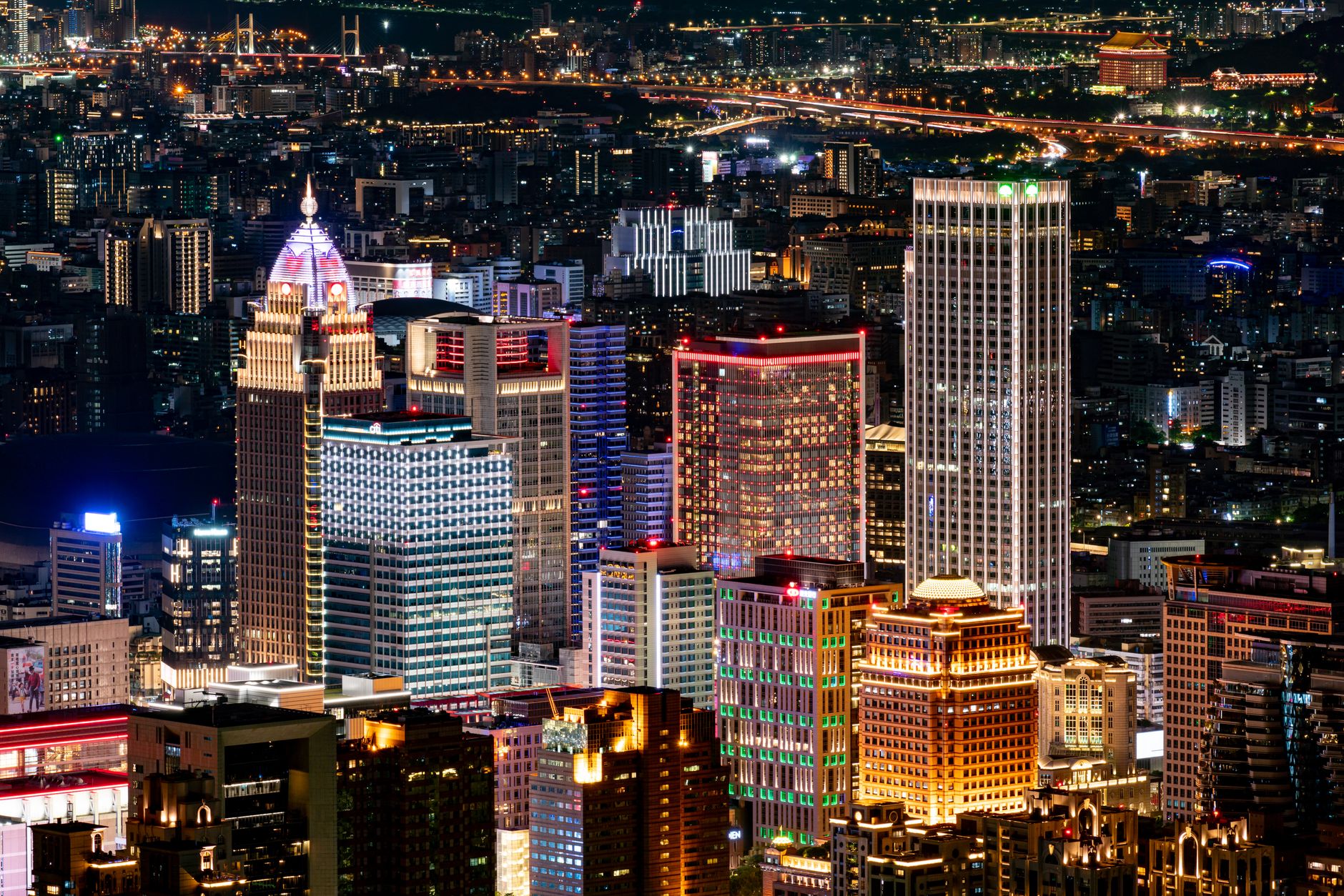
Taiwan is the kind of destination that rewards curiosity. At first glance, it may be Taipei that draws you in, with its glowing skyline, temples, cafés, shopping streets and legendary night markets. But beyond the capital, Taiwan opens into a much bigger story.
There are misty mountain forests, hot springs tucked into green valleys, tea plantations, dramatic Pacific coastlines, colourful fishing towns, cycling routes, indigenous communities and quiet villages where life moves at a completely different pace. Then there is the food.
Taiwanese cuisine is reason enough to visit, whether you are eating peppery beef noodle soup in a tiny restaurant, trying your first xiaolongbao, picking your way through a night market or sitting down to a slow breakfast of soy milk, eggs and freshly made savoury pastries.
What makes Taiwan especially appealing is how easily all of these experiences fit together. You can spend a morning exploring one of Asia’s most energetic cities and be surrounded by mountains before dinner.
This is a country where modernity and tradition constantly overlap, and where a trip can be as urban, adventurous, peaceful or food-focused as you want it to be.
If you are planning your first visit, this guide will take you through the best places to visit, what to eat, where to stay, how to get around and how to experience Taiwan beyond the obvious highlights.
Why Visit Taiwan?
Taiwan offers an unusually rich mix of experiences for its size. You can explore temples and skyscrapers in Taipei, hike through subtropical forests, soak in a hot spring, cycle beside a lake, take a train through mountain scenery and finish the day with a bowl of noodles at a bustling night market.
The country is particularly appealing for travellers who enjoy:
Taiwan’s official tourism information divides the country into northern, central, southern, eastern and offshore regions, each offering a different combination of landscapes and cultural experiences. The eastern region, for example, is especially known for the dramatic relationship between mountains and the Pacific Ocean.
That variety means you can create completely different versions of a Taiwan trip.
A city break.
A food trip.
A hiking adventure.
A slow countryside escape.
Or a little of everything.
Taipei: Your Introduction to Taiwan
For most first-time visitors, Taipei is the natural starting point. The capital is energetic without feeling overwhelming, modern without losing its traditions and packed with enough food, culture and neighbourhoods to keep you busy for days.
Taipei combines temples, museums, shopping districts, mountain trails, hot springs and some of Taiwan’s most famous night markets. The city’s official tourism information also highlights how easily urban experiences connect with nearby trails, parks and hot spring areas.
Taipei 101
Taipei 101 remains one of the city’s defining landmarks.
The skyscraper rises above the surrounding city and offers panoramic views from its observation areas.
Even if you do not go to the top, the surrounding Xinyi district is worth exploring for its restaurants, shopping and modern city atmosphere.
Explore Taipei’s Temples
Taipei’s temples offer a completely different atmosphere from its modern shopping districts.
Longshan Temple is one of the city’s best-known religious sites, but smaller neighbourhood temples can be equally interesting.
Take your time, observe respectfully and notice the details, incense, offerings, intricate carvings and the rhythm of local worship.
Wander the Old Streets
Taipei’s older neighbourhoods reveal another side of the city.
Explore traditional streets, tea houses, small shops and historic buildings rather than spending your entire stay around the major attractions.
This is where the city starts to feel less like a checklist of sights and more like somewhere people actually live.
Visit a Night Market
Night markets are one of the essential Taipei experiences.
Shilin is the most famous, but Raohe, Ningxia and other neighbourhood markets offer different atmospheres and food specialties. Taiwan’s tourism information specifically highlights Taipei’s night markets as major food and cultural experiences.
Come hungry.
Try a few things rather than ordering one large meal.
The best part is often wandering, smelling the food, watching vendors cook and deciding what to try next.
If you enjoy destinations where food is central to the travel experience, our Perfect 10 Day Vietnam Itinerary is another Asian journey built around food, culture, cities and regional contrasts.
Jiufen: A Mountain Town With Old-World Charm
Just outside Taipei, Jiufen is one of Taiwan’s most atmospheric destinations. The hillside town is famous for narrow lanes, traditional tea houses, red lanterns and views across the mountains and sea.
It can become busy during the day, so staying overnight or visiting later in the afternoon can give you a more relaxed experience.
Spend time wandering the old streets, stopping for tea and trying local snacks.
Jiufen is also a reminder that some of Taiwan’s best experiences are not found in the biggest cities.
Beitou: Taipei’s Hot Spring Escape
You do not have to travel deep into the mountains to experience Taiwan’s famous hot spring culture.
Beitou sits on the northern edge of Taipei and is known for geothermal activity, hot spring baths, parks and historic buildings.
It makes an easy half-day or full-day escape from the city.
Spend time walking through the area before enjoying a hot spring experience.
The contrast between Taipei’s busy centre and Beitou’s slower atmosphere makes the excursion especially worthwhile.
Sun Moon Lake: Mountains, Water and Slow Travel
Sun Moon Lake is one of central Taiwan’s most beautiful destinations. Surrounded by forested mountains, the lake offers opportunities for cycling, hiking, boat trips, cultural experiences and simply enjoying the scenery.
The official Sun Moon Lake tourism authority highlights mountain, ecological, tribal, cultural, agricultural and water-based experiences around the region.
Cycle Around the Lake
Cycling is one of the best ways to experience Sun Moon Lake. The official tourism area maintains several cycling routes and highlights sections around Shuishe, Xiangshan, Songbolun and Ita Thao.
You do not need to cycle the entire lake to enjoy it.
Choose a section, stop for photographs and take your time.
Take a Boat Ride
A boat ride offers a different perspective of the surrounding mountains.
It is particularly beautiful when the lake is calm and the surrounding landscape is reflected in the water.
Explore Ita Thao
Ita Thao is one of the best places around the lake for food, local culture and a lively waterfront atmosphere.
Try local snacks, browse small shops and spend time learning about the area’s Indigenous heritage.
Alishan: Sunrise, Forests and Mountain Railways
Alishan is one of Taiwan’s most famous mountain destinations.
The region is known for misty forests, sunrise views, ancient trees, tea plantations and the historic Alishan Forest Railway.
The official Taiwan tourism platform lists Alishan National Forest Recreation Area and the Alishan Forest Railway among the country’s key attractions.
Watch the Sunrise
Sunrise is one of Alishan’s signature experiences.
Travellers often wake early and make their way to one of the designated viewpoints to watch the mountains emerge from the morning mist.
The experience depends heavily on weather, so patience is part of the adventure.
Walk Through the Forests
Alishan’s forest trails are just as memorable as its famous sunrise.
Walk beneath enormous trees, follow wooden paths and allow yourself time to simply experience the atmosphere.
Taste Alishan Tea
The mountain climate creates ideal conditions for tea cultivation.
Tea plantations and local tea culture are an important part of the region, making a tea tasting or visit to a local producer a worthwhile addition to an Alishan itinerary.
Taroko and Taiwan’s Dramatic East Coast
Taiwan’s eastern side is where the country’s relationship with nature becomes particularly dramatic.
The official tourism administration describes Hualien and Taitung as regions where the Pacific Ocean meets the Central Mountain Range, with coastlines, mountains, villages and Indigenous culture creating opportunities for slower, more immersive travel.
Taroko National Park has traditionally been one of the major attractions of this region, known for steep marble cliffs, river valleys and dramatic gorges.
However, conditions and access can change after earthquakes, landslides and infrastructure damage, so travellers should always check current official park information before planning hikes or road trips.
The wider Hualien region is still worth considering for its coastline, mountains, food and cultural experiences.
Taitung: Taiwan at a Slower Pace
Further south, Taitung offers a quieter alternative to Taipei and Taiwan’s major western cities.
The region is known for its natural landscapes, Pacific coastline, hot springs, Indigenous culture and rural scenery.
It is an excellent choice for travellers who want to slow down.
Rent a bicycle, explore small towns, visit local food producers or simply spend a day following the coastline.
This is Taiwan without the pressure to constantly see something.
Kaohsiung: Taiwan’s Southern City
Kaohsiung brings a warmer, more relaxed energy to a Taiwan itinerary.
The southern city has a major harbour, waterfront areas, markets, temples, art spaces and easy access to surrounding attractions.
Pier-2 Art Center
Pier-2 is one of Kaohsiung’s best-known creative districts.
Former warehouses have been transformed into galleries, public art spaces, shops and cultural venues.
It is a good place to explore in the afternoon before continuing towards the waterfront.
Lotus Pond
Lotus Pond is known for its temples and colourful architecture.
The Dragon and Tiger Pagodas are among the area’s most recognisable landmarks.
Visit respectfully and allow time to explore beyond the most photographed spots.
Liuhe Night Market
Kaohsiung has its own night market culture, with Liuhe Night Market among the city’s best-known food destinations.
It is another opportunity to eat your way through Taiwan rather than simply sightseeing.
Tainan: Taiwan’s Food and Cultural Heart
Tainan is one of Taiwan’s best destinations for travellers who care deeply about food and history.
The city has a long history, traditional temples, old streets and a huge variety of local dishes.
It is often described as one of Taiwan’s most important food cities.
Spend time wandering rather than following a strict list of attractions.
Try small dishes at different restaurants, visit temples and explore historic neighbourhoods.
Tainan is especially rewarding when approached slowly.
What to Eat in Taiwan
Food deserves to be one of the main reasons for your trip.
Taiwanese cuisine combines Chinese culinary traditions with local ingredients, regional influences and a strong street-food culture.
Beef Noodle Soup
A bowl of Taiwanese beef noodle soup is one of the country’s classic comfort foods.
Rich broth, tender beef and chewy noodles make it an ideal meal after a day of exploring.
Xiao Long Bao
These delicate soup dumplings are a Taipei favourite.
Eat them carefully and take your time.
The combination of thin dough, savoury filling and hot broth is part of the experience.
Beef Pepper Buns
Crisp on the outside and filled with peppery beef and spring onion, these buns are especially popular at night markets.
Taiwanese Fried Chicken
Crispy, seasoned chicken is another street-food favourite.
You will find different versions across markets and cities.
Oyster Omelette
This is one of the Taiwanese dishes visitors often remember most.
Egg, oysters and a soft starch-based texture are combined with a savoury sauce.
Scallion Pancakes
Crisp, flaky and fragrant, scallion pancakes make an easy snack at almost any time of day.
Bubble Tea
Taiwan is widely associated with bubble tea, and trying the drink in its home country is part of the fun. Try different combinations of tea, milk, sweetness and toppings rather than assuming every shop serves the same drink.
Taiwan’s Night Market Culture
Night markets deserve their own section because they are much more than places to eat.
They are social spaces where people gather after dark to eat, shop, play games and spend time together.
You can often create an entire dinner from small portions.
Start with something savoury.
Add a fried snack.
Try something sweet.
Then finish with tea or bubble tea.
Some markets are enormous and energetic, while others feel like neighbourhood gathering places.
Go with an open mind and do not worry about trying everything.
Taiwan’s Tea Culture
Tea is deeply connected to Taiwan’s landscape and culture.
Mountain regions produce some of the country’s most respected teas, while tea houses in cities offer a quieter alternative to the energy of the streets.
Tea can also become a way to experience a destination rather than simply another thing to consume.
Visit a tea plantation, learn about production, sit down for a tasting or spend an hour in a traditional tea house.
The experience is particularly beautiful in mountain areas where mist, forests and tea fields become part of the atmosphere.
Taiwan’s Temples and Spiritual Culture
Temples are woven into everyday life in Taiwan.
They can be enormous and elaborate or surprisingly small.
You may see people lighting incense, making offerings, praying or simply stopping for a moment during their day.
Visitors should observe quietly and follow local etiquette.
Do not treat temples purely as photographic locations.
Take time to understand that these are living religious spaces.
How to Get Around Taiwan
Taiwan is well suited to independent travel.
The high-speed rail makes it easy to travel between major cities along the western side of the island, while conventional trains connect many other destinations.
Taipei has an efficient metro system, making it particularly easy to explore without a car.
For mountain regions and smaller towns, buses, local trains, taxis and organised tours can all be useful.
At Sun Moon Lake, the official tourism authority also promotes tourist shuttle services connecting the lake with transport hubs including Taichung and Puli.
For most first-time visitors, there is no need to rent a car for the entire trip.
Use public transport for cities and major routes, then consider local transport or a rental car for more remote areas.
How Long Do You Need in Taiwan?
Five to Seven Days
Focus on Taipei, Jiufen and one major nature destination such as Sun Moon Lake.
This works well for a first taste of the country.
Ten Days
Ten days gives you enough time to combine Taipei with central Taiwan and either the east or south.
You can add Alishan, Sun Moon Lake, Tainan or Kaohsiung depending on your interests.
Two Weeks
Two weeks allows you to slow down and explore multiple regions.
A route could include Taipei, Jiufen, Sun Moon Lake, Alishan, Tainan, Kaohsiung and part of the east coast.
Do not try to visit every major attraction.
Taiwan is more enjoyable when you leave space for food, neighbourhoods and spontaneous discoveries.
The Best Time to Visit Taiwan
Taiwan has a varied climate, so the best time depends on where you are travelling and what you want to do.
Spring
Spring brings comfortable temperatures and beautiful scenery, particularly in mountain areas.
It is a lovely time for hiking and exploring cities.
Summer
Summer is hot and humid, with higher rainfall and the possibility of typhoons.
If you visit during this period, build flexibility into your plans and check weather conditions regularly.
Autumn
Autumn is often one of the most comfortable seasons for exploring.
It can be particularly appealing for hiking and city sightseeing.
Winter
Winter is generally milder in southern Taiwan, while northern and mountain areas can be cooler and wetter.
It can be a good season for exploring cities, food and hot springs.
Always check current weather forecasts and local conditions before travelling, particularly during typhoon season.
What to Pack for Taiwan
Your packing list will depend on the season and how much of the country you plan to explore.
Bring:
If you are visiting both Taipei and the mountains, layers are particularly useful.
A city outfit that works in humid weather may not be enough for a cool mountain morning.
For practical inspiration on creating a versatile travel wardrobe without overpacking, ele STYLED’s What to Wear When Nothing Feels Right, A Practical Style Reset for Your Wardrobe offers a useful approach to choosing clothes around your real lifestyle and needs.
Taiwan for Nature Lovers
Taiwan is much more than an urban destination.
Mountains cover a large portion of the island, creating opportunities for hiking, cycling, bird watching, hot spring visits and scenic drives.
From Sun Moon Lake and Alishan to the eastern coastline and mountain villages, nature can easily become the central theme of your trip.
The official tourism platform highlights hiking, ecological experiences, mountain tourism and outdoor activities across different regions of Taiwan.
This is one of the country’s greatest strengths.
You never have to travel very far to exchange city streets for forests.
Taiwan for Food Lovers
If you plan your trip around food, Taiwan will reward you.
Eat breakfast at a local shop.
Have lunch somewhere small.
Visit a night market for dinner.
Stop for tea.
Try something you cannot pronounce.
Repeat.
Taiwan’s food culture works especially well for curious travellers because so many dishes are inexpensive, casual and easy to try in small portions.
You do not need a restaurant reservation or a carefully researched itinerary to eat well.
Sometimes the best meal is simply the one that smells good as you walk past.
Taiwan for Slow Travel
One of the best ways to experience Taiwan is to resist the temptation to move constantly.
Stay several nights in one place.
Take a local train.
Spend an afternoon in a tea house.
Walk through a market without photographing everything.
Sit beside a lake.
Watch the mountains disappear into mist.
This approach is particularly rewarding outside Taipei, where smaller towns and rural regions invite a slower pace.
As travel increasingly shifts towards more meaningful and less rushed experiences, our guide to How Unhurried Journeys Are Transforming the Way We Travel explores why travellers are choosing depth over simply collecting destinations.
Is Taiwan Expensive?
Taiwan can work for a wide range of budgets.
Street food, local restaurants and public transport can be relatively affordable, while luxury hotels, high-end restaurants and private tours can increase costs quickly.
One of the easiest ways to keep a trip affordable is to embrace local food.
Instead of spending every evening at expensive restaurants, make night markets and neighbourhood eateries part of your itinerary.
Transport can also be efficient without requiring a large budget.
Is Taiwan Good for Families?
Yes.
Taiwan offers a useful combination of safe-feeling urban environments, efficient transport, food variety and family-friendly attractions.
Children may particularly enjoy night markets, trains, temples, cable cars, hot springs and outdoor experiences.
The key is to avoid packing too much into every day.
Taiwan has enough variety to keep a family interested without requiring constant sightseeing.
Is Taiwan Good for Couples?
Taiwan can be surprisingly romantic.
Spend an evening wandering Taipei after dark, take a tea break in Jiufen, watch sunrise in Alishan, cycle around Sun Moon Lake or book a quiet hot spring stay.
The country works particularly well for couples who want variety.
You can have a sophisticated city evening followed by a mountain escape the next morning.
Frequently Asked Questions
Is Taiwan worth visiting?
Absolutely. Taiwan combines vibrant cities, exceptional food, mountains, hot springs, traditional culture, scenic coastlines and efficient transport in a relatively compact destination.
How many days do you need in Taiwan?
Seven to ten days is a good starting point for first-time visitors. Two weeks allows you to explore more regions without constantly changing hotels.
Is Taipei enough for a Taiwan trip?
Taipei is worth several days, but the rest of Taiwan offers a completely different experience. If you have time, add at least one mountain, lake, coastal or southern destination.
What is the best place to visit in Taiwan?
There is no single answer. Taipei is best for city life and food, Sun Moon Lake for scenery, Alishan for mountain experiences, Tainan for history and food, and the east coast for dramatic nature.
Is Taiwan expensive?
Taiwan can be relatively affordable, particularly if you eat local food and use public transport, although accommodation and activities can range from budget to luxury.
Can you travel around Taiwan without a car?
Yes. Major cities and many tourist destinations are connected by trains, high-speed rail and buses. A car can be useful for more remote mountain and countryside areas.
What food should you try in Taiwan?
Start with beef noodle soup, xiaolongbao, oyster omelettes, scallion pancakes, pepper buns, Taiwanese fried chicken and bubble tea.
Is Taiwan good for hiking?
Yes. Taiwan’s mountainous geography creates extensive opportunities for hiking, from accessible trails near cities to challenging mountain routes.
When is the best time to visit Taiwan?
Spring and autumn are generally comfortable seasons for exploring much of the country, while summer can be hot, humid and affected by typhoons. Conditions vary by region and altitude.
Can you visit Taiwan as part of a wider Asia trip?
Yes. Taiwan combines well with destinations across East and Southeast Asia, particularly if you enjoy contrasting city, food, cultural and nature experiences.
Where to Next?
If Taiwan has inspired you to explore more of Asia, continue with The Ultimate Travel Guide to Niigata Prefecture, Japan, a slower journey through Japan’s rice country, mountain landscapes, sake culture and coastal food traditions.
For a completely different Japanese experience, explore Travel Guide, Narita City, A Gateway Into Japan, where historic temple streets, traditional food and peaceful gardens offer a gentler alternative to Japan’s biggest cities.
If vibrant food culture and energetic city life appeal to you, head to The Ultimate Travel Guide to Osaka, Where to Stay, What to Eat and When to Visit, another destination where eating your way through the city is practically part of the itinerary.
For another island escape in Asia, explore The Ultimate Guide to Siquijor, Philippines: Waterfalls, Beaches and Island Magic, a slower tropical getaway known for waterfalls, beaches, coastal roads and a wonderfully relaxed atmosphere.
And if you are craving a destination built around dramatic seasonal landscapes and outdoor adventure, explore The Ultimate Guide to Cold-Climate Adventures, for inspiration on travelling somewhere completely different from Taiwan’s subtropical cities and coastlines.
Share this:
Like this: