There is a particular quality some homes have where nothing seems to have been left to chance, yet nothing feels overly staged either. Getting there is less about spending more and more about making choices that talk to one another throughout the house. A handful of habits, kept up consistently, can turn a space from accidental into considered.
1. Find a Colour Palette You Love
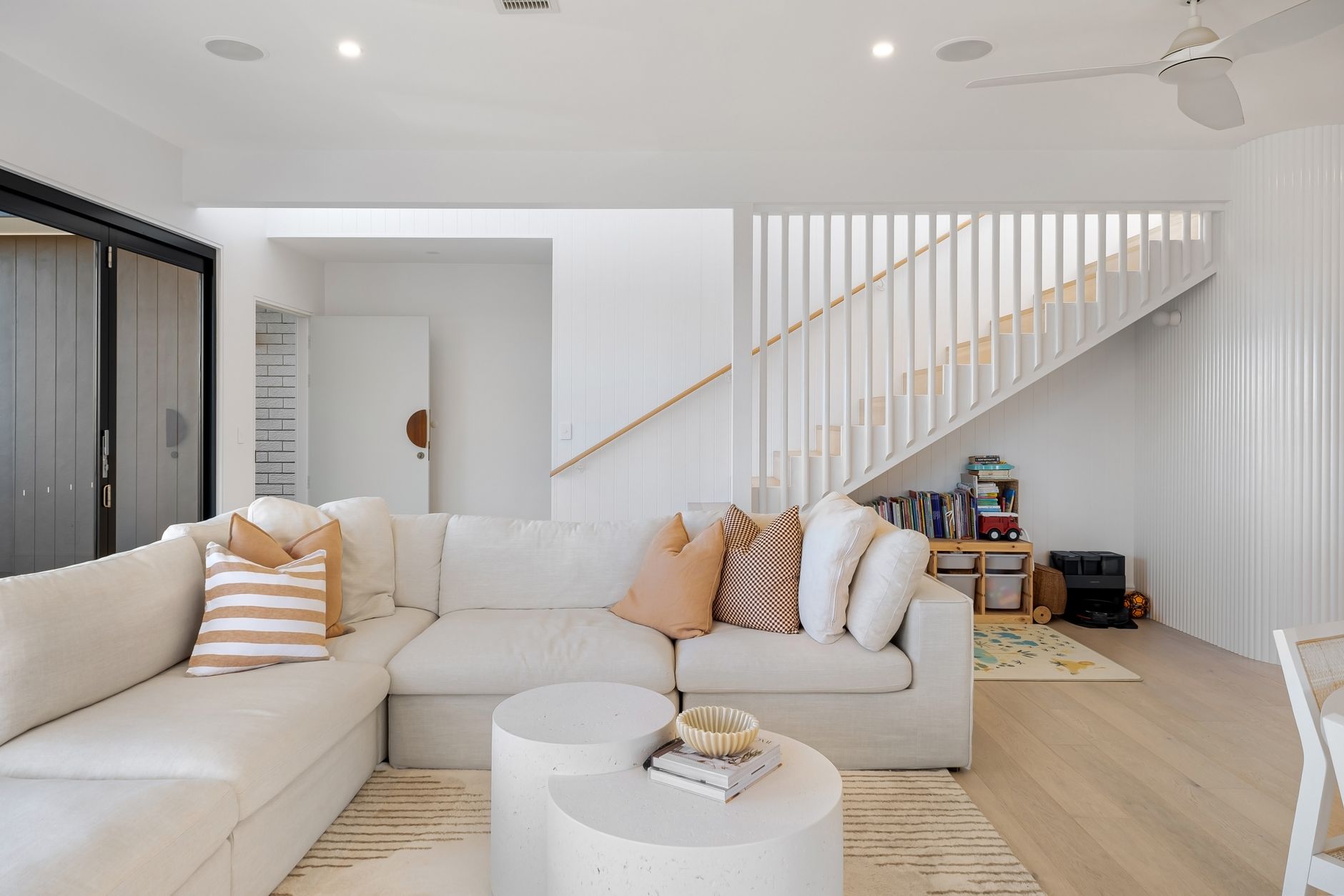
A home reads as put together when its colours feel like they belong to the same family, even if no two rooms are decorated identically. Sticking to a handful of shades and letting them recur, whether as a wall colour in one room or a cushion in the next, gives the eye something familiar to follow from space to space. A neutral backdrop works well for this, since it leaves room for smaller, more expressive touches without the overall scheme feeling disjointed. A recent architecture and design webinar went as far as describing colour as a building material in its own right, with speakers explaining how a well-considered palette can shape the atmosphere of a room just as much as its layout or lighting.
2. Keep the Little Details Consistent
Besides the big decisions, it is usually the smaller fixtures that give a home away as either carefully planned or thrown together. Door handles, light switches, picture frames and similar fittings do not need to match exactly, but choosing finishes that sit comfortably alongside one another, brass with brass, and matte black with matte black, helps tie separate rooms into one coherent whole. Interior designers favour this kind of restraint, opting for durable, natural materials chosen to age well instead of simply to look current, which keeps a scheme feeling joined-up long after the latest trend has moved on.
3. Pay Attention to the Soft Furnishings
Soft furnishings do more heavy lifting than they are usually given credit for, often being the quickest way to shift a room’s entire feel. Roller blinds are a good example: a plain, well-fitted covering at the window can echo the tones already in use elsewhere in the room without drawing attention to itself. Cushions, throws and rugs can then be layered on top to add warmth and character, giving the space personality without tipping it into looking overly arranged.
Photo by Leah Newhouse
4. Leave Room for the Home to Feel Lived In
A welcoming home doesn’t look showroom-perfect. A stack of paperbacks, a wall of family photos or a shelf of well-loved objects all add the kind of personality that no amount of careful planning can replicate. Allowing a little untidiness to creep in is often what stops a well-thought-out interior from feeling cold or overly rehearsed.
In the end, a home that feels effortlessly put together usually owes more to consistency than to any single expensive choice. Carry a few colours, finishes and textures through the whole house, then let everyday life fill in the rest.


There is a particular quality some homes have where nothing seems to have been left to chance, yet nothing feels overly staged either. Getting there is less about spending more and more about making choices that talk to one another throughout the house. A handful of habits, kept up consistently, can turn a space from accidental into considered.
1. Find a Colour Palette You Love
A home reads as put together when its colours feel like they belong to the same family, even if no two rooms are decorated identically. Sticking to a handful of shades and letting them recur, whether as a wall colour in one room or a cushion in the next, gives the eye something familiar to follow from space to space. A neutral backdrop works well for this, since it leaves room for smaller, more expressive touches without the overall scheme feeling disjointed. A recent architecture and design webinar went as far as describing colour as a building material in its own right, with speakers explaining how a well-considered palette can shape the atmosphere of a room just as much as its layout or lighting.
2. Keep the Little Details Consistent
Besides the big decisions, it is usually the smaller fixtures that give a home away as either carefully planned or thrown together. Door handles, light switches, picture frames and similar fittings do not need to match exactly, but choosing finishes that sit comfortably alongside one another, brass with brass, and matte black with matte black, helps tie separate rooms into one coherent whole. Interior designers favour this kind of restraint, opting for durable, natural materials chosen to age well instead of simply to look current, which keeps a scheme feeling joined-up long after the latest trend has moved on.
3. Pay Attention to the Soft Furnishings
Soft furnishings do more heavy lifting than they are usually given credit for, often being the quickest way to shift a room’s entire feel. Roller blinds are a good example: a plain, well-fitted covering at the window can echo the tones already in use elsewhere in the room without drawing attention to itself. Cushions, throws and rugs can then be layered on top to add warmth and character, giving the space personality without tipping it into looking overly arranged.
4. Leave Room for the Home to Feel Lived In
A welcoming home doesn’t look showroom-perfect. A stack of paperbacks, a wall of family photos or a shelf of well-loved objects all add the kind of personality that no amount of careful planning can replicate. Allowing a little untidiness to creep in is often what stops a well-thought-out interior from feeling cold or overly rehearsed.
In the end, a home that feels effortlessly put together usually owes more to consistency than to any single expensive choice. Carry a few colours, finishes and textures through the whole house, then let everyday life fill in the rest.
Share this:
Like this: